Stubhub Holdings benefits from NBA Finals ticket demand surge
Stubhub Holdings, Inc. shares rose by 6.40% as the stock reached a 20-day high amid the excitement surrounding the New York Knicks' playoff run.
The surge in Stubhub's stock is largely attributed to the skyrocketing demand for NBA Finals tickets, particularly for premium seats at Madison Square Garden, which has significantly boosted revenue for ticket resale platforms. This demand is driven by the Knicks' strong performance in the playoffs, which has increased fan engagement and betting volumes across the sports sector, positively impacting companies like Stubhub.
As the Knicks continue their playoff journey, Stubhub is likely to see sustained interest from fans looking to purchase tickets, which could lead to further stock price increases in the near future.
Trade with 70% Backtested Accuracy
Analyst Views on STUB

About STUB
About the author


Texas AG Investigates StubHub for 'Ghost Ticketing' Allegations

- Investigation Launched: Texas Attorney General Ken Paxton has initiated an investigation into StubHub regarding allegations of canceling or failing to deliver World Cup tickets, demonstrating a commitment to consumer rights protection.
- Consumer Complaints: Paxton noted that soccer fans across the U.S. have reported that StubHub canceled tickets days or even hours before events, impacting their viewing experience and indicating a significant trust crisis for the platform.
- Company Response: StubHub attributed the issues to 'transfer problems' within FIFA's ticketing platform; however, the Attorney General believes this is indicative of 'ghost ticketing,' where sellers collect payments for tickets they do not possess, harming consumer interests.
- Consumer Action: Paxton urged Texas consumers to file complaints if StubHub failed to deliver tickets as promised or if the tickets received were significantly inferior to what was paid, highlighting the importance of consumer protection.

StubHub Shares Surge 30.5% in June 2026 Amid Positive Developments
- Profitability Recovery: StubHub reported a net income of $48 million and earnings of $0.09 per share in Q1 2026, a significant turnaround from a net loss of $0.12 per share a year ago, marking the company's first positive earnings since Q4 2024 and indicating operational leverage from its marketplace model.
- Product Launch: The launch of the FestProtect platform, designed specifically for festival-goers, offers potential compensation for issues like weather cancellations or artist no-shows, aiming to enhance user experience and position StubHub favorably ahead of the peak festival season.
- World Cup Boost: With the 2026 FIFA World Cup taking place in North America, StubHub identified it as a

StubHub Posts First Profit Since 2024, Stock Rebounds
- Return to Profitability: StubHub reported a net income of $48 million and earnings of $0.09 per share in Q1 2026, marking its first profitable quarter since Q4 2024, indicating a gradual recovery in the company's profitability within the ticketing market.
- Stock Price Rebound: Despite StubHub's stock trading over 45% below its IPO closing price from September 2025, it surged 30.5% in June 2026, reflecting market optimism regarding its profitability and future growth potential.
- New Product Launch: In June, StubHub launched the FestProtect protection platform aimed at festival-goers, enhancing user experience and expected to boost customer loyalty and sales growth, particularly during the upcoming festival season.
- World Cup Opportunity: The arrival of the 2026 FIFA World Cup presents a significant market opportunity for StubHub, which has flagged it as a
World Cup Knockout Stage Ticket Prices Decline

- Ticket Price Drop: According to TicketData, the average get-in price for World Cup knockout stage matches has fallen by 39% from $2,040 to $1,245, indicating lower-than-expected market demand that could negatively impact ticketing companies' earnings.
- Round of 16 Price Decline: Prices for round of 16 tickets have also seen a significant drop, decreasing from $2,895 to $2,080, a 28% decline, which may adversely affect the second and third quarter earnings reports for companies like StubHub and Ticketmaster.
- Market Impact Analysis: While the World Cup typically drives sales for ticket resellers, the retreat in prices may temper optimistic expectations regarding future earnings, particularly if host nations such as the U.S., Canada, and Mexico do not perform well.
- Ticket Market Dynamics: Higher ticket prices generally increase fee revenue for marketplaces like StubHub and Vivid Seats, but if transactions do not complete, it could lead to revenue declines; analysts note that deep runs by host nations would positively impact ticket resellers.
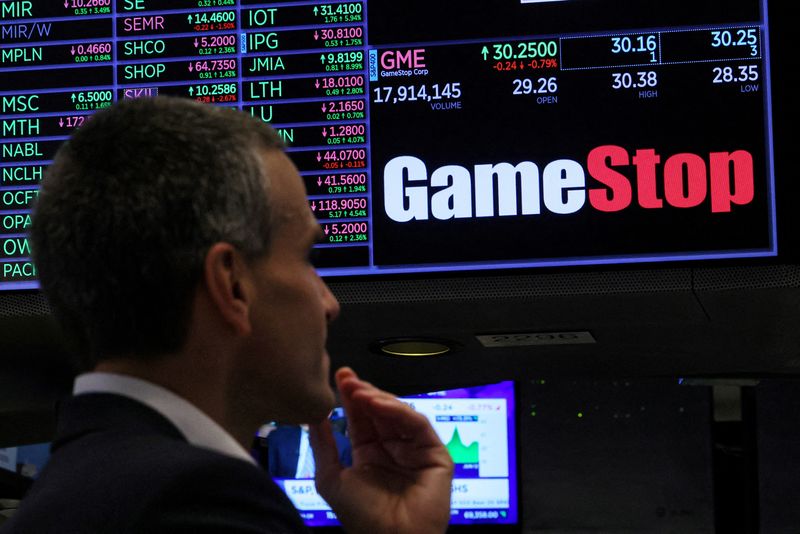
Investment Comparison: GameStop vs. StubHub

- GameStop Financial Performance: In FY 2025, GameStop reported revenue of $3.6 billion, a 5.1% decline year-over-year, yet net income surged to $418.4 million, indicating resilience and profitability amid its transformation.
- StubHub Market Challenges: StubHub's FY 2025 revenue was $1.7 billion, down 1.4% year-over-year, with a significant net loss of $1.9 billion, highlighting its financial vulnerability under intense competition and regulatory scrutiny.
- Risks and Uncertainties: GameStop faces threats from digital game downloads and leadership uncertainties under CEO Ryan Cohen, while StubHub must navigate a complex regulatory landscape and economic fluctuations that could impact its market performance.
- Future Outlook: While GameStop shows strong financials, StubHub achieved a 12% revenue increase in Q1 2026, indicating potential for business recovery, making it a more attractive investment option.

Financial Comparison of GameStop and StubHub
- GameStop Financial Performance: In fiscal 2025, GameStop reported revenue of $3.6 billion, a 5.1% decline year-over-year, yet net income surged to $418.4 million, achieving an 11.5% net margin, indicating early success in its business transformation despite declining sales.
- StubHub Market Expansion: StubHub's revenue for fiscal 2025 was $1.7 billion, a slight 1.4% decrease, but it faced a significant net loss of $1.9 billion, resulting in a negative net margin of 109.2%, highlighting increased competitive pressure in the global ticketing market and the urgent need to improve its profitability model.
- Financial Health Status: As of January 2026, GameStop's debt-to-equity ratio stood at 0.8 with a current ratio of 15.3, demonstrating strong short-term solvency, while StubHub also had a debt-to-equity ratio of 0.8 but a current ratio of only 1.0, indicating weaker short-term asset coverage and financial strain.
- Market Competition and Strategy: GameStop faces fierce competition from major retailers as it pivots towards digital gaming, while StubHub must navigate a complex regulatory landscape and industry volatility, with future success hinging on their ability to effectively adapt their business models to changing market conditions.
Texas AG Investigates StubHub for 'Ghost Ticketing' Allegations
- Investigation Launched: Texas Attorney General Ken Paxton has initiated an investigation into StubHub regarding allegations of canceling or failing to deliver World Cup tickets, demonstrating a commitment to consumer rights protection.
- Consumer Complaints: Paxton noted that soccer fans across the U.S. have reported that StubHub canceled tickets days or even hours before events, impacting their viewing experience and indicating a significant trust crisis for the platform.
- Company Response: StubHub attributed the issues to 'transfer problems' within FIFA's ticketing platform; however, the Attorney General believes this is indicative of 'ghost ticketing,' where sellers collect payments for tickets they do not possess, harming consumer interests.
- Consumer Action: Paxton urged Texas consumers to file complaints if StubHub failed to deliver tickets as promised or if the tickets received were significantly inferior to what was paid, highlighting the importance of consumer protection.
StubHub Shares Surge 30.5% in June 2026 Amid Positive Developments
- Profitability Recovery: StubHub reported a net income of $48 million and earnings of $0.09 per share in Q1 2026, a significant turnaround from a net loss of $0.12 per share a year ago, marking the company's first positive earnings since Q4 2024 and indicating operational leverage from its marketplace model.
- Product Launch: The launch of the FestProtect platform, designed specifically for festival-goers, offers potential compensation for issues like weather cancellations or artist no-shows, aiming to enhance user experience and position StubHub favorably ahead of the peak festival season.
- World Cup Boost: With the 2026 FIFA World Cup taking place in North America, StubHub identified it as a
StubHub Posts First Profit Since 2024, Stock Rebounds
- Return to Profitability: StubHub reported a net income of $48 million and earnings of $0.09 per share in Q1 2026, marking its first profitable quarter since Q4 2024, indicating a gradual recovery in the company's profitability within the ticketing market.
- Stock Price Rebound: Despite StubHub's stock trading over 45% below its IPO closing price from September 2025, it surged 30.5% in June 2026, reflecting market optimism regarding its profitability and future growth potential.
- New Product Launch: In June, StubHub launched the FestProtect protection platform aimed at festival-goers, enhancing user experience and expected to boost customer loyalty and sales growth, particularly during the upcoming festival season.
- World Cup Opportunity: The arrival of the 2026 FIFA World Cup presents a significant market opportunity for StubHub, which has flagged it as a
World Cup Knockout Stage Ticket Prices Decline
- Ticket Price Drop: According to TicketData, the average get-in price for World Cup knockout stage matches has fallen by 39% from $2,040 to $1,245, indicating lower-than-expected market demand that could negatively impact ticketing companies' earnings.
- Round of 16 Price Decline: Prices for round of 16 tickets have also seen a significant drop, decreasing from $2,895 to $2,080, a 28% decline, which may adversely affect the second and third quarter earnings reports for companies like StubHub and Ticketmaster.
- Market Impact Analysis: While the World Cup typically drives sales for ticket resellers, the retreat in prices may temper optimistic expectations regarding future earnings, particularly if host nations such as the U.S., Canada, and Mexico do not perform well.
- Ticket Market Dynamics: Higher ticket prices generally increase fee revenue for marketplaces like StubHub and Vivid Seats, but if transactions do not complete, it could lead to revenue declines; analysts note that deep runs by host nations would positively impact ticket resellers.
Investment Comparison: GameStop vs. StubHub
- GameStop Financial Performance: In FY 2025, GameStop reported revenue of $3.6 billion, a 5.1% decline year-over-year, yet net income surged to $418.4 million, indicating resilience and profitability amid its transformation.
- StubHub Market Challenges: StubHub's FY 2025 revenue was $1.7 billion, down 1.4% year-over-year, with a significant net loss of $1.9 billion, highlighting its financial vulnerability under intense competition and regulatory scrutiny.
- Risks and Uncertainties: GameStop faces threats from digital game downloads and leadership uncertainties under CEO Ryan Cohen, while StubHub must navigate a complex regulatory landscape and economic fluctuations that could impact its market performance.
- Future Outlook: While GameStop shows strong financials, StubHub achieved a 12% revenue increase in Q1 2026, indicating potential for business recovery, making it a more attractive investment option.
Financial Comparison of GameStop and StubHub
- GameStop Financial Performance: In fiscal 2025, GameStop reported revenue of $3.6 billion, a 5.1% decline year-over-year, yet net income surged to $418.4 million, achieving an 11.5% net margin, indicating early success in its business transformation despite declining sales.
- StubHub Market Expansion: StubHub's revenue for fiscal 2025 was $1.7 billion, a slight 1.4% decrease, but it faced a significant net loss of $1.9 billion, resulting in a negative net margin of 109.2%, highlighting increased competitive pressure in the global ticketing market and the urgent need to improve its profitability model.
- Financial Health Status: As of January 2026, GameStop's debt-to-equity ratio stood at 0.8 with a current ratio of 15.3, demonstrating strong short-term solvency, while StubHub also had a debt-to-equity ratio of 0.8 but a current ratio of only 1.0, indicating weaker short-term asset coverage and financial strain.
- Market Competition and Strategy: GameStop faces fierce competition from major retailers as it pivots towards digital gaming, while StubHub must navigate a complex regulatory landscape and industry volatility, with future success hinging on their ability to effectively adapt their business models to changing market conditions.