

Sasol's Cash Tender Offer for 2028 Notes Shows Strong Investor Interest
Written by Emily J. Thompson, Senior Investment Analyst
Updated: Aug 08 2024
0mins
Source: PRnewswire
Sasol Ltd's stock price fell by 8.05% as it crossed below the 5-day SMA, reflecting a significant market reaction.
The company announced the results of its cash tender offer for the 6.500% Notes due 2028, with valid tenders reaching $416.204 million, indicating strong investor interest. Sasol plans to finance this through the issuance of new 8.750% senior notes, expected to close on April 10, 2026, to meet the $750 million financing condition. This proactive approach to debt management may enhance the company's capital structure.
Despite the stock's decline, the overall materials sector has shown strong performance year-to-date, driven by surging commodity demand, which may provide a supportive backdrop for Sasol's future performance.
Trade with 70% Backtested Accuracy
Stop guessing "Should I Buy SSL?" and start using high-conviction signals backed by rigorous historical data.
Sign up today to access powerful investing tools and make smarter, data-driven decisions.
Analyst Views on SSL
About SSL
Sasol Limited is a South Africa-based company, which is a global chemical and energy company. The Company operates in two divisions: Chemical and Energy. Its Energy business operates in three segments Mining, Fuel and Gas. The Mining segment is responsible for securing coal feedstock for the Southern African value chain, mainly for gasification, but also to generate electricity and steam. The Gas segment reflects the upstream feedstock, transport of gas through the Republic of Mozambique Pipeline Investments Company (ROMPCO) pipeline, and external natural and methane rich gas sales. The Fuels segment comprises the sales and marketing of liquid fuels produced in South Africa. The Chemical products are grouped into Advanced Materials, Base Chemicals, Essential Care Chemicals and Performance Solutions.
About the author

Emily J. Thompson
Emily J. Thompson, a Chartered Financial Analyst (CFA) with 12 years in investment research, graduated with honors from the Wharton School. Specializing in industrial and technology stocks, she provides in-depth analysis for Intellectia’s earnings and market brief reports.

Sasol Shares Drop 12.1% After J.P. Morgan Downgrade to Neutral

- Downgrade Impact: J.P. Morgan's downgrade of Sasol from Overweight to Neutral resulted in a 12.1% drop in shares on Monday, reflecting market concerns about the company's future performance, especially after a 57% rise post-Middle East crisis.
- Changing Market Dynamics: The analyst noted that the geopolitical landscape has altered the oil market, with expectations that petrochemical supply/demand dynamics will worsen over the next two years, particularly affecting China's ethylene capacity expansions.
- Earnings Forecast Revision: Sasol may face weaker earnings than previously forecast for FY 2028-29 due to a lack of hedging, which could negatively impact the company's financial health amid heightened supply security concerns.
- Strategic Value Reevaluation: Despite these challenges, the analyst believes Sasol's Secunda plant holds strategic value, suggesting that supply security may take precedence over environmental concerns in the current climate, potentially leading to a re-rating of the company.
See More

Europe's Airlines Face Jet Fuel Crisis Amid Rising Costs

- Surging Fuel Costs: By the end of March, jet fuel prices in Europe surged 103% compared to the previous month, forcing airlines to cope with higher operating costs by increasing surcharges and canceling unprofitable routes.
- Flight Reductions: Major airlines like Lufthansa, SAS, and Air France-KLM have begun cutting flights, which is expected to impact long-haul travel demand, particularly for routes to the Middle East.
- Rail Travel Gains: Eurostar ticket sales to France surged 42% in April among UK residents, indicating a rising interest in rail travel, especially as flight uncertainties increase.
- Domestic Tourism Revival: Due to economic uncertainty and high international airfare, more UK families are opting for staycations, with Airbnb searches for UK stays up 15% year-on-year, reflecting strong domestic travel demand.
See More

TRUMP: POSITIVE DISCUSSIONS ON IRAN OVER THE PAST DAY


- Trump's Recent Talks: Donald Trump has engaged in discussions regarding Iran over the past 24 hours.
- Focus on Iran: The conversations have been characterized as very positive, indicating a potential shift in diplomatic relations.
See More

Ryanair CEO Warns of Airline Failures Amid High Jet Fuel Prices
- Surging Fuel Prices: Since the outbreak of the Middle East conflict on February 28, jet fuel prices have skyrocketed from $80 to $150 per barrel, prompting Ryanair CEO Michael O'Leary to warn that if prices remain elevated, European airlines will face real financial crises.
- Competitive Market Pressure: O'Leary noted that Ryanair has hedged 80% of its fuel, yet if jet fuel prices stay high this summer, other airlines could face bankruptcy risks, which could potentially benefit Ryanair's market share.
- Supply Chain Concerns: The International Energy Agency warned that Europe could face jet fuel shortages in six weeks due to supply disruptions from the Middle East, which previously accounted for 75% of Europe's net imports, with O'Leary urging for the Strait of Hormuz to reopen quickly to restore supply.
- Industry Response Measures: Other airlines like EasyJet and Lufthansa have taken steps to cope with high fuel costs, with EasyJet incurring an additional £25 million ($34 million) in March and expecting to raise ticket prices, while Lufthansa has cut 20,000 short-haul flights to save on fuel.
See More
Jet Fuel Shortages Threaten Europe's Summer Travel
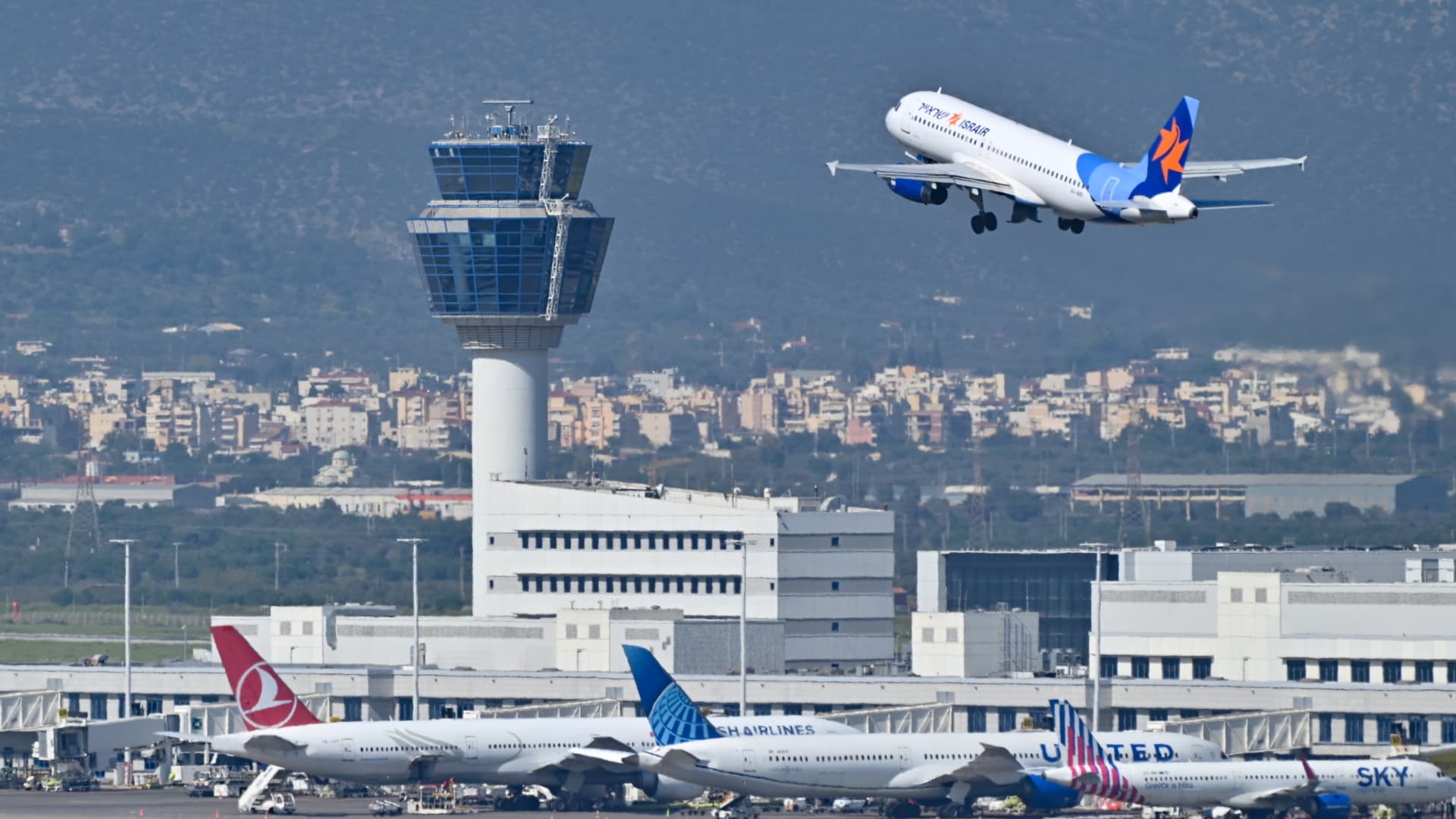
- Surging Jet Fuel Demand: IEA chief Fatih Birol indicated that Europe's jet fuel demand is projected to rise by 40% in August compared to March, while the closure of the Strait of Hormuz due to Middle East tensions poses a significant supply challenge.
- Price Hikes Impact Profitability: The International Air Transport Association reported a 103% increase in jet fuel prices by the end of March, compelling airlines to raise ticket prices to maintain profitability, which risks alienating customers and leading to reduced flight availability.
- Flight Reductions Implemented: German carrier Lufthansa plans to cut 20,000 short-haul flights through October to save 40,000 metric tons of jet fuel, while Scandinavian Airlines and KLM are also canceling thousands of flights due to rising fuel costs.
- Significant Economic Impact: According to ACI Europe, air connectivity generates €851 billion in GDP and supports 14 million jobs in Europe, with jet fuel shortages potentially jeopardizing these economic benefits.
See More
Europe's Airline Industry Faces Systemic Jet Fuel Shortage
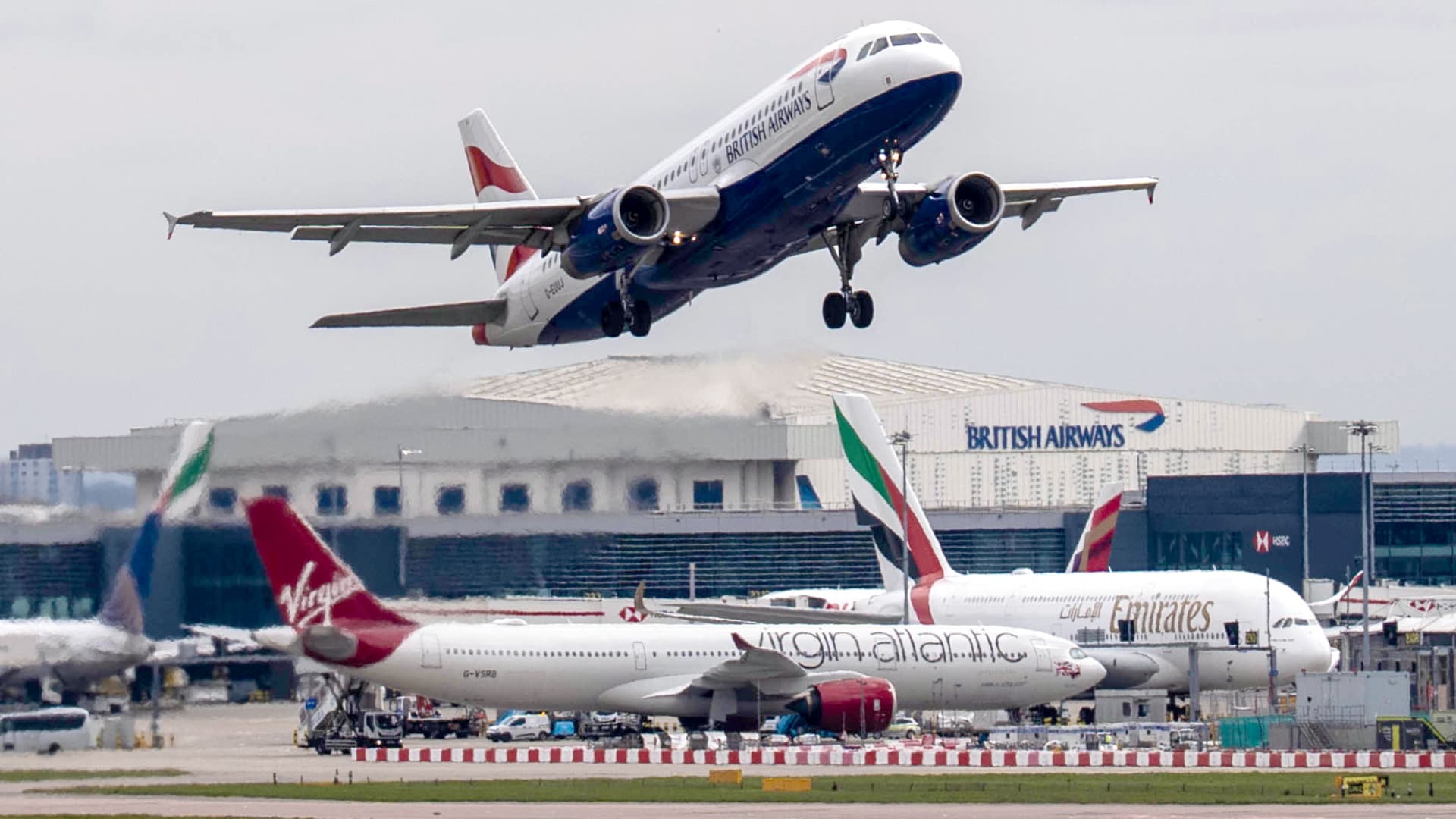
- Fuel Shortage Risk: Europe's airline industry faces a systemic jet fuel shortage in the coming weeks due to the Strait of Hormuz blockade, with experts warning of potential hundreds of flight cancellations that could severely impact airline operations and profitability.
- Significant Economic Impact: ACI Europe reports that air travel generates €851 billion in GDP annually and supports 14 million jobs, indicating that shortages could have harsh economic consequences for several EU member states reliant on the summer travel season.
- Surging Oil Prices: The ongoing conflict with Iran has driven oil prices above $100 per barrel, resulting in a 103% month-on-month increase in jet fuel prices, exacerbating flight cancellations and downward revisions in profit expectations across the industry.
- Airlines' Response Measures: Several airlines have begun canceling flights and raising ticket prices, with Wizz Air projecting a €50 million hit to its 2026 net profit, while Virgin Atlantic struggles to achieve profitability even after implementing fuel surcharges, highlighting the ongoing challenges faced by the sector.
See More
Sasol Shares Drop 12.1% After J.P. Morgan Downgrade to Neutral
- Downgrade Impact: J.P. Morgan's downgrade of Sasol from Overweight to Neutral resulted in a 12.1% drop in shares on Monday, reflecting market concerns about the company's future performance, especially after a 57% rise post-Middle East crisis.
- Changing Market Dynamics: The analyst noted that the geopolitical landscape has altered the oil market, with expectations that petrochemical supply/demand dynamics will worsen over the next two years, particularly affecting China's ethylene capacity expansions.
- Earnings Forecast Revision: Sasol may face weaker earnings than previously forecast for FY 2028-29 due to a lack of hedging, which could negatively impact the company's financial health amid heightened supply security concerns.
- Strategic Value Reevaluation: Despite these challenges, the analyst believes Sasol's Secunda plant holds strategic value, suggesting that supply security may take precedence over environmental concerns in the current climate, potentially leading to a re-rating of the company.
See More
Europe's Airlines Face Jet Fuel Crisis Amid Rising Costs
- Surging Fuel Costs: By the end of March, jet fuel prices in Europe surged 103% compared to the previous month, forcing airlines to cope with higher operating costs by increasing surcharges and canceling unprofitable routes.
- Flight Reductions: Major airlines like Lufthansa, SAS, and Air France-KLM have begun cutting flights, which is expected to impact long-haul travel demand, particularly for routes to the Middle East.
- Rail Travel Gains: Eurostar ticket sales to France surged 42% in April among UK residents, indicating a rising interest in rail travel, especially as flight uncertainties increase.
- Domestic Tourism Revival: Due to economic uncertainty and high international airfare, more UK families are opting for staycations, with Airbnb searches for UK stays up 15% year-on-year, reflecting strong domestic travel demand.
See More
TRUMP: POSITIVE DISCUSSIONS ON IRAN OVER THE PAST DAY
- Trump's Recent Talks: Donald Trump has engaged in discussions regarding Iran over the past 24 hours.
- Focus on Iran: The conversations have been characterized as very positive, indicating a potential shift in diplomatic relations.
See More
Ryanair CEO Warns of Airline Failures Amid High Jet Fuel Prices
- Surging Fuel Prices: Since the outbreak of the Middle East conflict on February 28, jet fuel prices have skyrocketed from $80 to $150 per barrel, prompting Ryanair CEO Michael O'Leary to warn that if prices remain elevated, European airlines will face real financial crises.
- Competitive Market Pressure: O'Leary noted that Ryanair has hedged 80% of its fuel, yet if jet fuel prices stay high this summer, other airlines could face bankruptcy risks, which could potentially benefit Ryanair's market share.
- Supply Chain Concerns: The International Energy Agency warned that Europe could face jet fuel shortages in six weeks due to supply disruptions from the Middle East, which previously accounted for 75% of Europe's net imports, with O'Leary urging for the Strait of Hormuz to reopen quickly to restore supply.
- Industry Response Measures: Other airlines like EasyJet and Lufthansa have taken steps to cope with high fuel costs, with EasyJet incurring an additional £25 million ($34 million) in March and expecting to raise ticket prices, while Lufthansa has cut 20,000 short-haul flights to save on fuel.
See More
Jet Fuel Shortages Threaten Europe's Summer Travel
- Surging Jet Fuel Demand: IEA chief Fatih Birol indicated that Europe's jet fuel demand is projected to rise by 40% in August compared to March, while the closure of the Strait of Hormuz due to Middle East tensions poses a significant supply challenge.
- Price Hikes Impact Profitability: The International Air Transport Association reported a 103% increase in jet fuel prices by the end of March, compelling airlines to raise ticket prices to maintain profitability, which risks alienating customers and leading to reduced flight availability.
- Flight Reductions Implemented: German carrier Lufthansa plans to cut 20,000 short-haul flights through October to save 40,000 metric tons of jet fuel, while Scandinavian Airlines and KLM are also canceling thousands of flights due to rising fuel costs.
- Significant Economic Impact: According to ACI Europe, air connectivity generates €851 billion in GDP and supports 14 million jobs in Europe, with jet fuel shortages potentially jeopardizing these economic benefits.
See More
Europe's Airline Industry Faces Systemic Jet Fuel Shortage
- Fuel Shortage Risk: Europe's airline industry faces a systemic jet fuel shortage in the coming weeks due to the Strait of Hormuz blockade, with experts warning of potential hundreds of flight cancellations that could severely impact airline operations and profitability.
- Significant Economic Impact: ACI Europe reports that air travel generates €851 billion in GDP annually and supports 14 million jobs, indicating that shortages could have harsh economic consequences for several EU member states reliant on the summer travel season.
- Surging Oil Prices: The ongoing conflict with Iran has driven oil prices above $100 per barrel, resulting in a 103% month-on-month increase in jet fuel prices, exacerbating flight cancellations and downward revisions in profit expectations across the industry.
- Airlines' Response Measures: Several airlines have begun canceling flights and raising ticket prices, with Wizz Air projecting a €50 million hit to its 2026 net profit, while Virgin Atlantic struggles to achieve profitability even after implementing fuel surcharges, highlighting the ongoing challenges faced by the sector.
See More





