Marvell Technology Set to Report Strong Q1 Earnings Amid AI Demand
Marvell Technology's stock rose by 4.44% in pre-market trading, reaching a 52-week high, reflecting strong investor sentiment ahead of its upcoming earnings report.
The company is set to release its Q1 earnings on May 27, with analysts projecting earnings of 79 cents per share, a significant increase from 62 cents last year. This positive outlook is bolstered by HSBC's upgrade from Hold to Buy, raising the price target from $85 to $300, indicating strong confidence in Marvell's growth driven by AI networking and optical interconnect technologies. The semiconductor industry is also experiencing a rebound, further enhancing investor interest in Marvell.
As the semiconductor sector recovers, Marvell's anticipated earnings growth not only highlights its competitiveness but also reflects broader industry trends, potentially attracting more investor interest and driving future stock performance.
Trade with 70% Backtested Accuracy
Analyst Views on MRVL

About MRVL
About the author

Nvidia Leads AI Market, Broadcom vs. Marvell Competition


- Market Dominance: Nvidia holds a dominant position in the AI sector, with its GPUs widely utilized for AI workloads, and is expected to maintain this advantage, driving future revenue growth for the company.
- Custom Chip Collaboration: Marvell and Broadcom partner with clients like Amazon and Microsoft to design custom AI chips, helping to reduce operational costs, highlighting the diversity and complexity of customer demands in the rapidly evolving AI market.
- Growth Potential Comparison: Broadcom is projected to achieve a 66% revenue growth in fiscal year 2026, compared to Marvell's 41%, indicating Broadcom's stronger growth potential in the future market, attracting investor interest.
- Valuation Analysis: Although Broadcom's valuation stands at 34 times forward earnings, lower than Marvell's, its robust client base and superior flagship product make it a more attractive investment over the next five years.
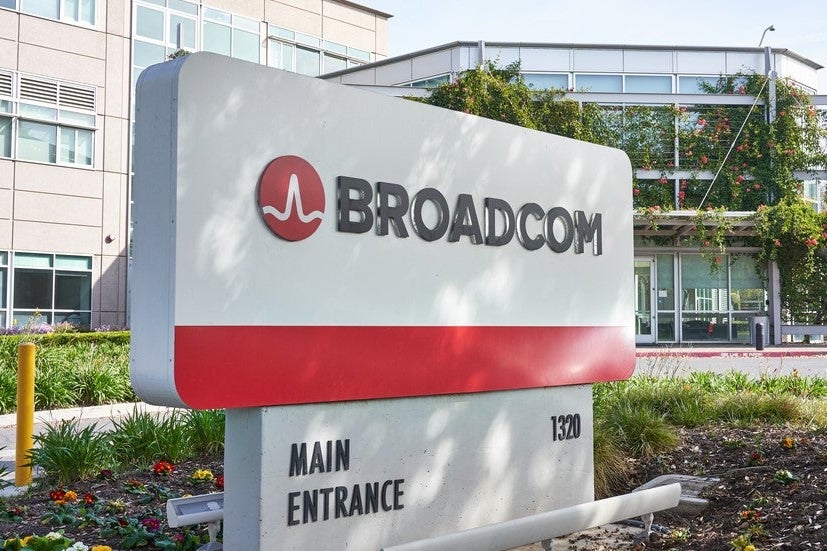
Marvell vs. Broadcom in AI Chip Market
- Market Outlook Comparison: For fiscal year 2026, Broadcom is expected to achieve a revenue growth of 66%, while Marvell's growth is projected at 41%, indicating Broadcom's advantage in market expectations, which may attract more investor interest in its stock performance.
- Client Base Analysis: Marvell's primary clients include Amazon and Microsoft, whereas Broadcom boasts major clients like Alphabet and Meta, with Broadcom's stronger client base, particularly the success of Alphabet's TPU, providing a significant competitive edge.
- Valuation and Investment Considerations: Although Broadcom trades at a forward P/E of 34, lower than Marvell's valuation, the market's bullish sentiment towards Marvell may lead to its stock being overvalued, prompting investors to carefully assess its investment value.
- Future Growth Potential: Broadcom's leading position in the AI chip sector and robust revenue growth projections make it a more attractive investment choice over the next five years compared to Marvell.

Surge in AI Infrastructure Investments Expected

- Surging Power Demand: The International Energy Agency forecasts that data centers' power consumption will double to 945 TWh by 2030, prompting companies like GE Vernova to ramp up investments to meet AI data center needs, despite many utilities facing capital constraints.
- Memory Market Outlook: Micron Technology enhances its competitive edge in the memory market by signing long-term strategic customer agreements, with the high-bandwidth memory market expected to grow at an annual rate exceeding 25% through 2035, further solidifying its market position.
- Optical Bandwidth Innovation: Marvell Technology unveiled the industry's first switch capable of processing 102.4 terabits of data per second, addressing AI data centers' need for high-speed data transmission, with the optical networking market projected to grow to over $150 billion, indicating strong market potential.
- Investment Trends: Goldman Sachs anticipates that AI infrastructure investments will reach $765 billion in 2023, primarily focused on critical bottlenecks such as power, memory, and networking solutions, reflecting companies' commitment to AI technology and confidence in future growth.

Surging Power Demand for AI Data Centers
- Surging Power Demand: The International Energy Agency forecasts that total power consumption by data centers will double to 945 TWh by 2030, significantly increasing electricity demand, particularly from AI data centers.
- GE Vernova's Solution: GE Vernova's natural gas turbines are providing 29 LM2500XPRESS units to AI infrastructure company Crusoe, enabling self-sufficiency that is expected to significantly reduce operational costs and enhance power supply stability.
- Memory Chip Market Outlook: Micron Technology's focus on high-bandwidth memory (HBM) positions it as a market leader, with projections indicating the HBM market will grow at an average annual rate exceeding 25% through 2035, further enhancing Micron's competitive edge with high-margin products.
- Marvell's Networking Solutions: Marvell Technology's launch of the first-ever 102.4 terabits per second switch meets AI data centers' need for high-speed data transmission, with a projected 40% revenue growth for the year, reflecting strong demand for its technology.

Google Deepens Partnership with MediaTek for AI Chip Development

- Stock Fluctuation: GOOGL stock fell 1% in premarket trading on Monday, following a 2.3% gain last week that ended a five-week decline, indicating market caution regarding its future performance.
- Strengthened Partnership: Google has once again selected MediaTek as its exclusive development partner for the TPU v9 AI chip, highlighting MediaTek's increasing business ties with U.S. Big Tech firms, particularly in the custom AI silicon market.
- New Chip Development: Google is developing an upgraded version of its TPU v9, codenamed Triggerfish, which is expected to feature significantly stronger inference capabilities to support next-gen AI workloads, with production slated to begin in late 2027 and ramping up in 2028.
- Intensifying Market Competition: While Broadcom and Marvell remain dominant in the custom AI silicon market, MediaTek's collaborations with Google, Nvidia, and Microsoft indicate its emergence as a credible challenger, potentially reshaping the industry landscape.

Semiconductor Stocks Hit 52-Week Highs Ahead of S&P 500 Inclusion

- Marvell Stock Surge: Marvell's stock reached a record high of $329.88 ahead of its S&P 500 inclusion, as investors express confidence in its role as a critical supplier of custom silicon and networking technologies, which are expected to drive growth in AI deployments.
- Intel's Manufacturing Momentum: Intel's stock climbed to $135.48 after President Trump announced a partnership with Apple to design advanced semiconductors, boosting market optimism regarding its domestic manufacturing expansion; Mizuho raised its price target to $135, indicating potential for long-term market growth.
- Micron's Market Strength: Micron's stock hit an all-time high of $1,149.43, fueled by Apple's comments on rising memory costs, which heightened investor optimism about its earnings potential; Rosenblatt and Wedbush raised their price targets to $1,200 and $1,300 respectively, reflecting favorable supply-demand conditions in the memory market.
- Investor Sentiment Fluctuations: While Marvell and Micron shares rose over 7% and 8% respectively, retail sentiment on Stocktwits for Marvell shifted from neutral to bearish, indicating concerns about short-term volatility despite strong stock performance.
Nvidia Leads AI Market, Broadcom vs. Marvell Competition
- Market Dominance: Nvidia holds a dominant position in the AI sector, with its GPUs widely utilized for AI workloads, and is expected to maintain this advantage, driving future revenue growth for the company.
- Custom Chip Collaboration: Marvell and Broadcom partner with clients like Amazon and Microsoft to design custom AI chips, helping to reduce operational costs, highlighting the diversity and complexity of customer demands in the rapidly evolving AI market.
- Growth Potential Comparison: Broadcom is projected to achieve a 66% revenue growth in fiscal year 2026, compared to Marvell's 41%, indicating Broadcom's stronger growth potential in the future market, attracting investor interest.
- Valuation Analysis: Although Broadcom's valuation stands at 34 times forward earnings, lower than Marvell's, its robust client base and superior flagship product make it a more attractive investment over the next five years.
Marvell vs. Broadcom in AI Chip Market
- Market Outlook Comparison: For fiscal year 2026, Broadcom is expected to achieve a revenue growth of 66%, while Marvell's growth is projected at 41%, indicating Broadcom's advantage in market expectations, which may attract more investor interest in its stock performance.
- Client Base Analysis: Marvell's primary clients include Amazon and Microsoft, whereas Broadcom boasts major clients like Alphabet and Meta, with Broadcom's stronger client base, particularly the success of Alphabet's TPU, providing a significant competitive edge.
- Valuation and Investment Considerations: Although Broadcom trades at a forward P/E of 34, lower than Marvell's valuation, the market's bullish sentiment towards Marvell may lead to its stock being overvalued, prompting investors to carefully assess its investment value.
- Future Growth Potential: Broadcom's leading position in the AI chip sector and robust revenue growth projections make it a more attractive investment choice over the next five years compared to Marvell.
Surge in AI Infrastructure Investments Expected
- Surging Power Demand: The International Energy Agency forecasts that data centers' power consumption will double to 945 TWh by 2030, prompting companies like GE Vernova to ramp up investments to meet AI data center needs, despite many utilities facing capital constraints.
- Memory Market Outlook: Micron Technology enhances its competitive edge in the memory market by signing long-term strategic customer agreements, with the high-bandwidth memory market expected to grow at an annual rate exceeding 25% through 2035, further solidifying its market position.
- Optical Bandwidth Innovation: Marvell Technology unveiled the industry's first switch capable of processing 102.4 terabits of data per second, addressing AI data centers' need for high-speed data transmission, with the optical networking market projected to grow to over $150 billion, indicating strong market potential.
- Investment Trends: Goldman Sachs anticipates that AI infrastructure investments will reach $765 billion in 2023, primarily focused on critical bottlenecks such as power, memory, and networking solutions, reflecting companies' commitment to AI technology and confidence in future growth.
Surging Power Demand for AI Data Centers
- Surging Power Demand: The International Energy Agency forecasts that total power consumption by data centers will double to 945 TWh by 2030, significantly increasing electricity demand, particularly from AI data centers.
- GE Vernova's Solution: GE Vernova's natural gas turbines are providing 29 LM2500XPRESS units to AI infrastructure company Crusoe, enabling self-sufficiency that is expected to significantly reduce operational costs and enhance power supply stability.
- Memory Chip Market Outlook: Micron Technology's focus on high-bandwidth memory (HBM) positions it as a market leader, with projections indicating the HBM market will grow at an average annual rate exceeding 25% through 2035, further enhancing Micron's competitive edge with high-margin products.
- Marvell's Networking Solutions: Marvell Technology's launch of the first-ever 102.4 terabits per second switch meets AI data centers' need for high-speed data transmission, with a projected 40% revenue growth for the year, reflecting strong demand for its technology.
Google Deepens Partnership with MediaTek for AI Chip Development
- Stock Fluctuation: GOOGL stock fell 1% in premarket trading on Monday, following a 2.3% gain last week that ended a five-week decline, indicating market caution regarding its future performance.
- Strengthened Partnership: Google has once again selected MediaTek as its exclusive development partner for the TPU v9 AI chip, highlighting MediaTek's increasing business ties with U.S. Big Tech firms, particularly in the custom AI silicon market.
- New Chip Development: Google is developing an upgraded version of its TPU v9, codenamed Triggerfish, which is expected to feature significantly stronger inference capabilities to support next-gen AI workloads, with production slated to begin in late 2027 and ramping up in 2028.
- Intensifying Market Competition: While Broadcom and Marvell remain dominant in the custom AI silicon market, MediaTek's collaborations with Google, Nvidia, and Microsoft indicate its emergence as a credible challenger, potentially reshaping the industry landscape.
Semiconductor Stocks Hit 52-Week Highs Ahead of S&P 500 Inclusion
- Marvell Stock Surge: Marvell's stock reached a record high of $329.88 ahead of its S&P 500 inclusion, as investors express confidence in its role as a critical supplier of custom silicon and networking technologies, which are expected to drive growth in AI deployments.
- Intel's Manufacturing Momentum: Intel's stock climbed to $135.48 after President Trump announced a partnership with Apple to design advanced semiconductors, boosting market optimism regarding its domestic manufacturing expansion; Mizuho raised its price target to $135, indicating potential for long-term market growth.
- Micron's Market Strength: Micron's stock hit an all-time high of $1,149.43, fueled by Apple's comments on rising memory costs, which heightened investor optimism about its earnings potential; Rosenblatt and Wedbush raised their price targets to $1,200 and $1,300 respectively, reflecting favorable supply-demand conditions in the memory market.
- Investor Sentiment Fluctuations: While Marvell and Micron shares rose over 7% and 8% respectively, retail sentiment on Stocktwits for Marvell shifted from neutral to bearish, indicating concerns about short-term volatility despite strong stock performance.