ICE Launches Cryptocurrency Futures to Enhance Market Transparency
Intercontinental Exchange Inc (ICE) has seen its stock price decline by 4.10%, hitting a 20-day low, as the broader market experiences weakness with the Nasdaq-100 down 1.02% and the S&P 500 down 0.45%.
ICE has launched cryptocurrency futures contracts based on seven CoinDesk indices, including the CoinDesk 20 and CoinDesk 5, aimed at enhancing market transparency and trading opportunities. This significant expansion in the digital asset market is expected to attract more investors and strengthen ICE's position in the sector. The collaboration with CoinDesk is set to deepen their relationship and advance the development of digital assets in regulated futures markets.
The introduction of these futures contracts reflects ICE's ongoing innovation in the digital asset space, which could potentially improve its market standing despite current stock price pressures.
Trade with 70% Backtested Accuracy
Analyst Views on ICE

About ICE
About the author


CME Group Shares Decline Nearly 20% Amid Market Concerns


- Stock Price Decline: CME Group's shares have fallen 19.8% over the past three months, nearing a 52-week low of $244.56, reflecting market concerns over its premium valuation and competitive threats, while investors locked in gains after a strong rally earlier this year.
- Optimistic Earnings Outlook: Based on short-term price targets from 15 analysts, the average target price for CME is $308.80, suggesting a potential upside of 22.3% from the last closing price, indicating market confidence in its future profitability.
- Product Expansion Strategy: CME Group recently launched four new E-mini contracts aimed at broadening its benchmark suite of equity index futures to address growing demand for market risk management tools, further solidifying its position in the equity index ecosystem.
- Strong Capital Returns: As of March 31, 2026, CME Group held $2.6 billion in cash and returned approximately $3.2 billion to shareholders through dividends and share repurchases in Q1 2026, demonstrating its robust financial position and ability to attract income-focused investors.
Homeowners Tap $47 Billion in Equity Amid Housing Boom
- Equity Withdrawal: According to a report from Intercontinental Exchange, homeowners tapped an estimated $47 billion in equity during the first quarter of 2026, marking the highest first-quarter figure since 2021, despite a decrease from $49 billion in the last quarter of 2025, indicating a strong willingness among homeowners to leverage their home equity.
- Loan Type Breakdown: Of the equity withdrawn, 54% came from home equity lines of credit (HELOCs) and home equity loans, with the remainder from cash-out refinancing, suggesting that homeowners prefer to access funds through second liens rather than relinquishing existing low-rate first mortgages.
- Market Trends: With current rates on standard 30-year fixed mortgages trending above 6.5% and homeowners sitting on $11 trillion in equity, it reflects a willingness to tap into home equity for investments or spending, even in a high-rate environment, despite the associated borrowing costs.
- Financial Advisor Insights: Experts advise homeowners to ensure that the purpose of tapping into home equity is sound, particularly when used for capital improvements like repairs or upgrades, which can enhance property value, while discretionary spending could lead to long-term financial burdens.

CME Sues CFTC Over Approval of Perpetual Futures Contracts

- Lawsuit Background: The Chicago Mercantile Exchange (CME) filed a lawsuit on Thursday against the U.S. Commodity Futures Trading Commission (CFTC) and its chairman, Michael Selig, challenging the CFTC's approval of perpetual futures listings by Kalshi and Coinbase, arguing that this decision violates the 2010 Dodd-Frank financial reforms.
- Competitive Injury Claims: CME's complaint alleges that the CFTC's decision inflicts 'textbook competitive injury' by allowing Kalshi and Coinbase to compete for its retail customers, resulting in a decline in share prices for CME and Intercontinental Exchange (ICE), reflecting investor concerns about competitive threats to existing exchanges.
- Market Reaction: According to market data provider CryptoQuant, trading volume for perpetual futures grew by 29% last year to $61.7 trillion, indicating a new demand from investors seeking to profit from cryptocurrency volatility, and CME's lawsuit may impact this growth trend.
- Regulatory and Innovation Dynamics: A CFTC spokesperson described CME's lawsuit as 'frivolous' and emphasized that CME should compete in the marketplace rather than resorting to legal battles, highlighting that competition and innovation are fundamental to vibrant financial markets.
NYSE Issues Daily Market Update Ahead of Trading

- Stable Interest Rates: The Federal Reserve has decided to keep interest rates unchanged in the range of 3.5%-3.75%, indicating a cautious approach in the current economic environment while signaling a potential rate hike later this year, which could impact market liquidity and investor confidence.
- AI Strategy Discussion: McGraw Hill CEO Philip Moyer will join NYSE Live to discuss the education company's AI strategy, highlighting the industry's focus on technological innovation that may drive future growth and enhance market competitiveness.
- Championship Parade: The New York Knicks will hold a ticker-tape parade celebrating their first NBA championship since 1973, which not only boosts the team's brand influence but also attracts more fans and sponsors, thereby stimulating the local economy.
- Investor Day Event: Graham Corporation is hosting its Investor Day at the NYSE, showcasing its future development strategies to attract investor attention and enhance the company's image in the capital markets.

Apple Price Hike and New Highs for Major Banks


- Apple Price Increase: Apple plans to raise product prices due to rising memory chip costs, and while its stock has risen 16% over the past three months, it is currently down 7% from earlier this month, which may impact consumer demand and market share.
- Moderna Vaccine Progress: Moderna is making its case for the mRNA flu vaccine before the FDA committee, with shares up 11.6% on Wednesday and nearly 24% over three days, indicating strong market confidence in its product.
- New Highs for Major Banks: Bank of America, Citigroup, Goldman Sachs, JPMorgan, and Morgan Stanley reached new highs on Wednesday, with Bank of America up 9.5% in June, reflecting investor optimism in the financial sector.
- Oil Price Decline: Brent crude oil fell below its 200-day moving average for the first time since February, down over 27% in the past month, which puts pressure on energy stocks and may affect the earnings outlook for related companies.
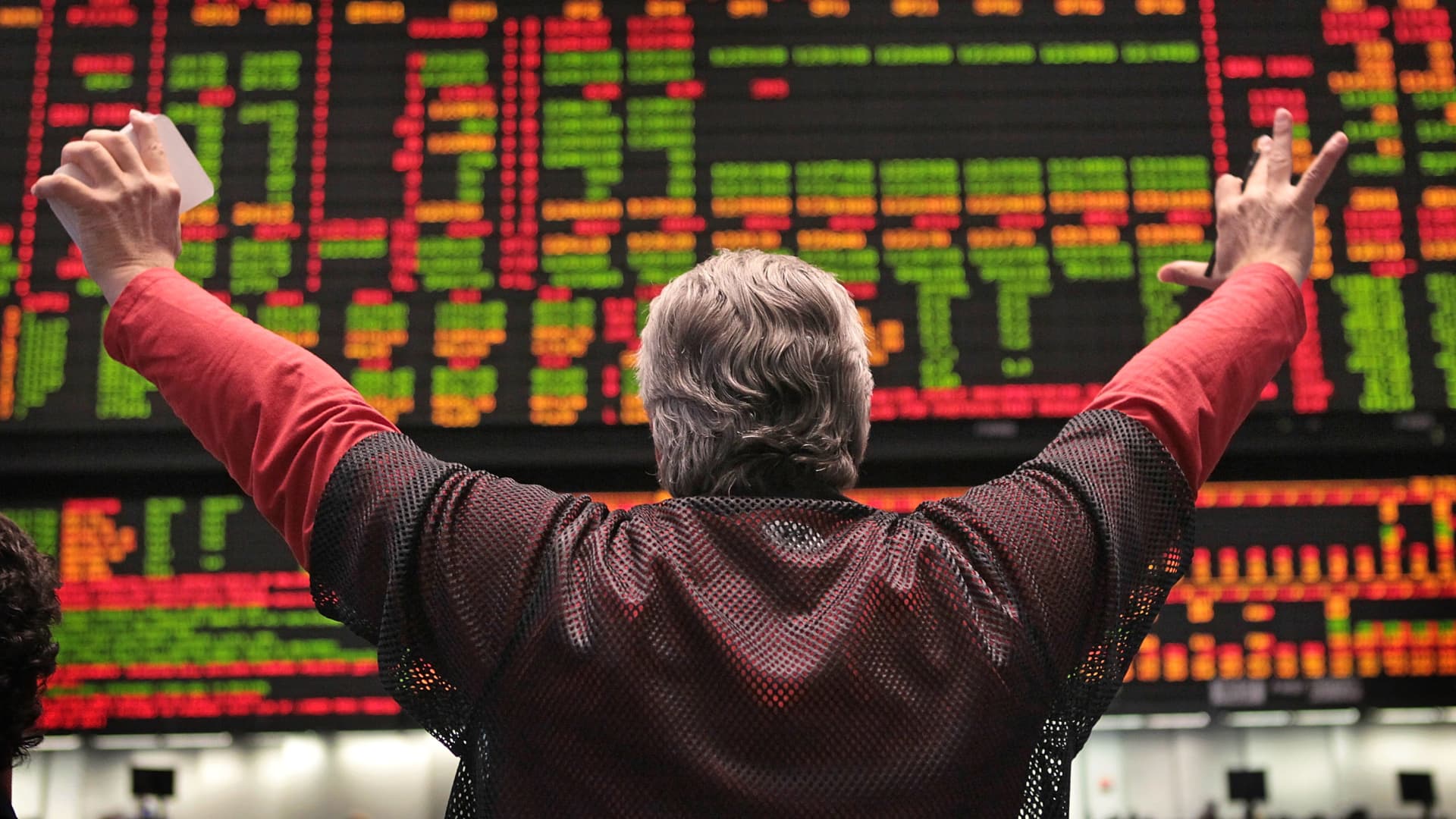
CME Group CEO Plans to Step Down and Sue CFTC Over Perpetual Futures
- CEO Resignation Announcement: CME Group's CEO Terry Duffy announced plans to step down next year, marking the end of his decade-long leadership, which may impact the company's future strategic direction and market confidence.
- Lawsuit Against CFTC: Duffy stated that CME will sue the Commodity Futures Trading Commission on Thursday over its approval of perpetual futures, a move that could spark legal disputes within the industry and affect regulatory policies.
- Negative Market Reaction: Following the CFTC's approval of perpetual futures, shares of CME Group, Cboe, and ICE fell, as investors expressed concerns that this decision could pose a long-term competitive threat to existing exchanges, reflecting market caution towards new products.
- New CEO Appointment: CME announced Lynne Fitzpatrick as its first female CEO, succeeding Duffy, indicating potential significant changes in company culture and strategy as the new leadership takes over.
CME Group Shares Decline Nearly 20% Amid Market Concerns
- Stock Price Decline: CME Group's shares have fallen 19.8% over the past three months, nearing a 52-week low of $244.56, reflecting market concerns over its premium valuation and competitive threats, while investors locked in gains after a strong rally earlier this year.
- Optimistic Earnings Outlook: Based on short-term price targets from 15 analysts, the average target price for CME is $308.80, suggesting a potential upside of 22.3% from the last closing price, indicating market confidence in its future profitability.
- Product Expansion Strategy: CME Group recently launched four new E-mini contracts aimed at broadening its benchmark suite of equity index futures to address growing demand for market risk management tools, further solidifying its position in the equity index ecosystem.
- Strong Capital Returns: As of March 31, 2026, CME Group held $2.6 billion in cash and returned approximately $3.2 billion to shareholders through dividends and share repurchases in Q1 2026, demonstrating its robust financial position and ability to attract income-focused investors.
Homeowners Tap $47 Billion in Equity Amid Housing Boom
- Equity Withdrawal: According to a report from Intercontinental Exchange, homeowners tapped an estimated $47 billion in equity during the first quarter of 2026, marking the highest first-quarter figure since 2021, despite a decrease from $49 billion in the last quarter of 2025, indicating a strong willingness among homeowners to leverage their home equity.
- Loan Type Breakdown: Of the equity withdrawn, 54% came from home equity lines of credit (HELOCs) and home equity loans, with the remainder from cash-out refinancing, suggesting that homeowners prefer to access funds through second liens rather than relinquishing existing low-rate first mortgages.
- Market Trends: With current rates on standard 30-year fixed mortgages trending above 6.5% and homeowners sitting on $11 trillion in equity, it reflects a willingness to tap into home equity for investments or spending, even in a high-rate environment, despite the associated borrowing costs.
- Financial Advisor Insights: Experts advise homeowners to ensure that the purpose of tapping into home equity is sound, particularly when used for capital improvements like repairs or upgrades, which can enhance property value, while discretionary spending could lead to long-term financial burdens.
CME Sues CFTC Over Approval of Perpetual Futures Contracts
- Lawsuit Background: The Chicago Mercantile Exchange (CME) filed a lawsuit on Thursday against the U.S. Commodity Futures Trading Commission (CFTC) and its chairman, Michael Selig, challenging the CFTC's approval of perpetual futures listings by Kalshi and Coinbase, arguing that this decision violates the 2010 Dodd-Frank financial reforms.
- Competitive Injury Claims: CME's complaint alleges that the CFTC's decision inflicts 'textbook competitive injury' by allowing Kalshi and Coinbase to compete for its retail customers, resulting in a decline in share prices for CME and Intercontinental Exchange (ICE), reflecting investor concerns about competitive threats to existing exchanges.
- Market Reaction: According to market data provider CryptoQuant, trading volume for perpetual futures grew by 29% last year to $61.7 trillion, indicating a new demand from investors seeking to profit from cryptocurrency volatility, and CME's lawsuit may impact this growth trend.
- Regulatory and Innovation Dynamics: A CFTC spokesperson described CME's lawsuit as 'frivolous' and emphasized that CME should compete in the marketplace rather than resorting to legal battles, highlighting that competition and innovation are fundamental to vibrant financial markets.
NYSE Issues Daily Market Update Ahead of Trading
- Stable Interest Rates: The Federal Reserve has decided to keep interest rates unchanged in the range of 3.5%-3.75%, indicating a cautious approach in the current economic environment while signaling a potential rate hike later this year, which could impact market liquidity and investor confidence.
- AI Strategy Discussion: McGraw Hill CEO Philip Moyer will join NYSE Live to discuss the education company's AI strategy, highlighting the industry's focus on technological innovation that may drive future growth and enhance market competitiveness.
- Championship Parade: The New York Knicks will hold a ticker-tape parade celebrating their first NBA championship since 1973, which not only boosts the team's brand influence but also attracts more fans and sponsors, thereby stimulating the local economy.
- Investor Day Event: Graham Corporation is hosting its Investor Day at the NYSE, showcasing its future development strategies to attract investor attention and enhance the company's image in the capital markets.
Apple Price Hike and New Highs for Major Banks
- Apple Price Increase: Apple plans to raise product prices due to rising memory chip costs, and while its stock has risen 16% over the past three months, it is currently down 7% from earlier this month, which may impact consumer demand and market share.
- Moderna Vaccine Progress: Moderna is making its case for the mRNA flu vaccine before the FDA committee, with shares up 11.6% on Wednesday and nearly 24% over three days, indicating strong market confidence in its product.
- New Highs for Major Banks: Bank of America, Citigroup, Goldman Sachs, JPMorgan, and Morgan Stanley reached new highs on Wednesday, with Bank of America up 9.5% in June, reflecting investor optimism in the financial sector.
- Oil Price Decline: Brent crude oil fell below its 200-day moving average for the first time since February, down over 27% in the past month, which puts pressure on energy stocks and may affect the earnings outlook for related companies.
CME Group CEO Plans to Step Down and Sue CFTC Over Perpetual Futures
- CEO Resignation Announcement: CME Group's CEO Terry Duffy announced plans to step down next year, marking the end of his decade-long leadership, which may impact the company's future strategic direction and market confidence.
- Lawsuit Against CFTC: Duffy stated that CME will sue the Commodity Futures Trading Commission on Thursday over its approval of perpetual futures, a move that could spark legal disputes within the industry and affect regulatory policies.
- Negative Market Reaction: Following the CFTC's approval of perpetual futures, shares of CME Group, Cboe, and ICE fell, as investors expressed concerns that this decision could pose a long-term competitive threat to existing exchanges, reflecting market caution towards new products.
- New CEO Appointment: CME announced Lynne Fitzpatrick as its first female CEO, succeeding Duffy, indicating potential significant changes in company culture and strategy as the new leadership takes over.