Huntington Ingalls Industries Authenticates Keel for USS Philadelphia
Huntington Ingalls Industries Inc (HII) saw its stock price drop by 5.00% as it crossed below the 20-day SMA, reflecting broader market weakness with the Nasdaq-100 down 1.01% and the S&P 500 down 1.14%.
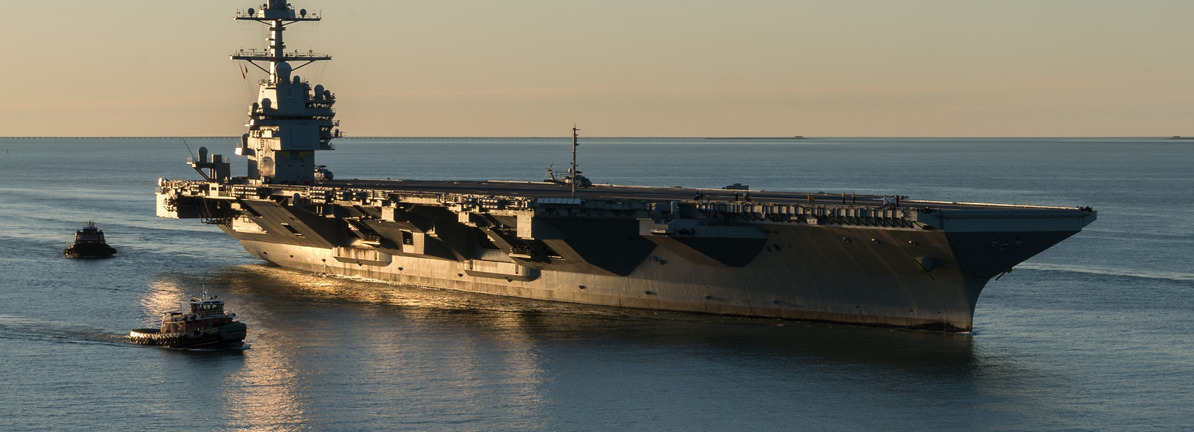
The decline occurred despite HII's recent keel authentication ceremony for the future USS Philadelphia (LPD 32), marking the official start of construction for this new amphibious transport dock ship. This event underscores HII's commitment to supporting the Navy and Marine Corps, with significant attendance from key figures, including ship sponsor Maureen Paparo and Ingalls Shipbuilding President Brian Blanchette, who emphasized the importance of this project for national security and military readiness.
While the stock faced downward pressure, the ongoing construction projects and strong backlog of approximately $53 billion to $57 billion indicate a solid foundation for future growth. HII's strategic position as the largest military shipbuilder in the U.S. remains intact, suggesting potential recovery as market conditions improve.
Trade with 70% Backtested Accuracy
Analyst Views on HII

About HII
About the author

Huntington Ingalls Industries Set to Trade Ex-Dividend

- Ex-Dividend Date Approaches: Huntington Ingalls Industries will trade ex-dividend on May 29, requiring investors to purchase shares before this date to receive a dividend of $1.38 per share, which will be paid on June 12, reflecting the company's commitment to shareholder returns.
- Dividend Payment Capability: The company paid a total of $5.52 in dividends last year, with a current yield of approximately 1.7%, and only 35% of its profits allocated to dividends, indicating a relatively sustainable payout and reducing the risk of future cuts.
- Cash Flow Coverage: Huntington Ingalls paid out only 27% of its free cash flow in the past year for dividends, demonstrating sufficient cash flow to support dividend payments, which enhances investor confidence.
- Earnings Growth Slowdown: While the company has increased its dividends by an average of 13% annually over the past decade, its earnings per share have shrunk by 2.2% over the last five years, which could pose a threat to future dividend growth, necessitating investor attention to changes in profitability.
HII's Ingalls Shipbuilding to Host Hiring Event for Skilled Trades
- Hiring Event Details: HII's Ingalls Shipbuilding will host an on-site hiring event on June 6 from 8 a.m. to noon at the Ingalls Maritime Training Academy in Pascagoula, allowing experienced trade workers to meet hiring managers directly and explore job opportunities.
- Salary and Benefits Increase: Ingalls offers competitive pay exceeding $75,000 annually for experienced trades, and implemented an 18% base wage increase in March, ensuring workers receive attractive compensation and career growth opportunities, enhancing the company's appeal in the industry.
- Diverse Job Openings: The hiring event will cover various skilled trades such as electricians, pipe insulators, and machinists, reflecting Ingalls' ongoing expansion to meet the U.S. Navy's shipbuilding demands and the urgent need for a highly skilled workforce.
- Industry Position and Impact: As Mississippi's largest manufacturing employer with over 11,000 employees, Ingalls Shipbuilding plays a crucial role in designing and building the Navy's surface combatants and amphibious ships, significantly contributing to the Navy's Golden Fleet strategy.

HII Hosts Second Annual DefenseTech LIVE Event
- Event Details: HII will host its second annual DefenseTech LIVE event on June 10, 2026, at the Hilton Alexandria Mark Center in Alexandria, Virginia, from 8:30 a.m. to 3 p.m. Eastern Time, aimed at fostering collaboration in the defense technology sector.
- Attendees and Topics: The event will bring together government and industry leaders to discuss emerging defense technologies, including autonomy, unmanned systems, cyber, electronic warfare, and mission-enabling technologies, with opportunities for attendees to experience technology demonstrations and engage with development teams.
- Investment and Development Focus: HII is expanding its national security and technology portfolio, focusing on field-ready systems that can be rapidly integrated, scaled, and deployed to meet evolving operational requirements, aligning closely with key U.S. Department of Defense priorities.
- Company Background and Strength: As America's largest shipbuilder, HII leads globally in unmanned underwater vehicle production, boasting over 140 years of advancing national security and is committed to providing robust defense capabilities and all-domain mission technologies for the U.S. and allied defense customers.

Huntington Ingalls Shares Show Oversold Signal
- Oversold Indicator: Huntington Ingalls Industries (HII) shares entered oversold territory on Wednesday, with an RSI reading of 29.9, suggesting that the recent heavy selling may be exhausting, prompting investors to consider buying opportunities.
- Price Fluctuation: HII shares hit a low of $320.80 per share, with the current trading price at $321.92, indicating a significant rebound from the 52-week low of $215.045, suggesting a potential market recovery.
- Market Comparison: Compared to the S&P 500 ETF (SPY) with an RSI of 71.5, HII's oversold condition may attract bullish investors, indicating potential buying opportunities in the near term.
- Historical Performance: HII's 52-week high stands at $460 per share, and the current price still shows a considerable gap from this peak, reflecting a cautious market sentiment regarding the stock's future performance.
HII Showcases Autonomous Maritime Systems at CNE 2026
- Autonomous Systems Showcase: HII highlights its autonomous maritime systems at CNE 2026, emphasizing scalable production capabilities for unmanned underwater and surface platforms, which is expected to enhance its competitiveness in the global naval market.
- Technological Milestone: HII's REMUS unmanned underwater vehicles have delivered over 750 units to more than 30 countries, with over 90% of systems remaining operational after 20 years, demonstrating the reliability of its technology and market demand.
- Contract Award: HII secured a contract from the U.S. Defense Innovation Unit to develop a submarine Torpedo Tube Launch and Recovery system, marking rapid advancements in autonomous unmanned systems, which is expected to enhance naval operational capabilities.
- European Expansion: HII's facility expansion in Portchester, U.K., serves as a regional hub supporting allied naval customers, sustainment operations, and future deployment of autonomous systems, further solidifying its market position.
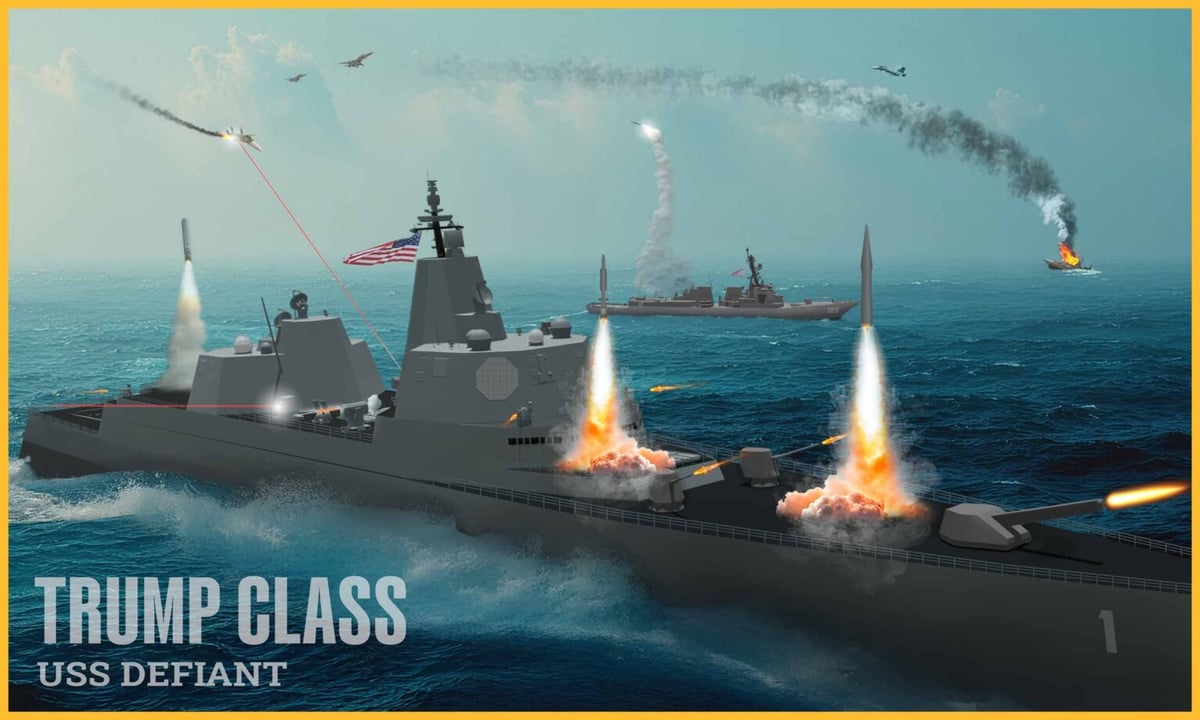
US Navy's New Battleship Costs Exceed Expectations

- Battleship Cost Analysis: The first USS Defiant battleship is projected to cost $17 billion, significantly higher than initial estimates of $9 billion and $14 billion, indicating pressure on defense budgets.
- Budget Allocation: The Department of Defense's fiscal year 2027 budget requests $1 billion for long-lead equipment for the first ship, with an additional $2.5 billion for the second and third ships, highlighting the substantial funding requirements of the project.
- Total Spending Estimates: Building 15 Defiant-class battleships may exceed $200 billion, and while initial costs are high, the average cost is expected to decrease as more ships are built, reflecting long-term investment potential.
- Investment Opportunities: General Dynamics and Huntington Ingalls, the primary contractors, face significant revenue opportunities, and while maintenance and upgrade costs may surpass initial purchase costs, effective budget management could ensure congressional support for the project.
Huntington Ingalls Industries Set to Trade Ex-Dividend
- Ex-Dividend Date Approaches: Huntington Ingalls Industries will trade ex-dividend on May 29, requiring investors to purchase shares before this date to receive a dividend of $1.38 per share, which will be paid on June 12, reflecting the company's commitment to shareholder returns.
- Dividend Payment Capability: The company paid a total of $5.52 in dividends last year, with a current yield of approximately 1.7%, and only 35% of its profits allocated to dividends, indicating a relatively sustainable payout and reducing the risk of future cuts.
- Cash Flow Coverage: Huntington Ingalls paid out only 27% of its free cash flow in the past year for dividends, demonstrating sufficient cash flow to support dividend payments, which enhances investor confidence.
- Earnings Growth Slowdown: While the company has increased its dividends by an average of 13% annually over the past decade, its earnings per share have shrunk by 2.2% over the last five years, which could pose a threat to future dividend growth, necessitating investor attention to changes in profitability.
HII's Ingalls Shipbuilding to Host Hiring Event for Skilled Trades
- Hiring Event Details: HII's Ingalls Shipbuilding will host an on-site hiring event on June 6 from 8 a.m. to noon at the Ingalls Maritime Training Academy in Pascagoula, allowing experienced trade workers to meet hiring managers directly and explore job opportunities.
- Salary and Benefits Increase: Ingalls offers competitive pay exceeding $75,000 annually for experienced trades, and implemented an 18% base wage increase in March, ensuring workers receive attractive compensation and career growth opportunities, enhancing the company's appeal in the industry.
- Diverse Job Openings: The hiring event will cover various skilled trades such as electricians, pipe insulators, and machinists, reflecting Ingalls' ongoing expansion to meet the U.S. Navy's shipbuilding demands and the urgent need for a highly skilled workforce.
- Industry Position and Impact: As Mississippi's largest manufacturing employer with over 11,000 employees, Ingalls Shipbuilding plays a crucial role in designing and building the Navy's surface combatants and amphibious ships, significantly contributing to the Navy's Golden Fleet strategy.
HII Hosts Second Annual DefenseTech LIVE Event
- Event Details: HII will host its second annual DefenseTech LIVE event on June 10, 2026, at the Hilton Alexandria Mark Center in Alexandria, Virginia, from 8:30 a.m. to 3 p.m. Eastern Time, aimed at fostering collaboration in the defense technology sector.
- Attendees and Topics: The event will bring together government and industry leaders to discuss emerging defense technologies, including autonomy, unmanned systems, cyber, electronic warfare, and mission-enabling technologies, with opportunities for attendees to experience technology demonstrations and engage with development teams.
- Investment and Development Focus: HII is expanding its national security and technology portfolio, focusing on field-ready systems that can be rapidly integrated, scaled, and deployed to meet evolving operational requirements, aligning closely with key U.S. Department of Defense priorities.
- Company Background and Strength: As America's largest shipbuilder, HII leads globally in unmanned underwater vehicle production, boasting over 140 years of advancing national security and is committed to providing robust defense capabilities and all-domain mission technologies for the U.S. and allied defense customers.
Huntington Ingalls Shares Show Oversold Signal
- Oversold Indicator: Huntington Ingalls Industries (HII) shares entered oversold territory on Wednesday, with an RSI reading of 29.9, suggesting that the recent heavy selling may be exhausting, prompting investors to consider buying opportunities.
- Price Fluctuation: HII shares hit a low of $320.80 per share, with the current trading price at $321.92, indicating a significant rebound from the 52-week low of $215.045, suggesting a potential market recovery.
- Market Comparison: Compared to the S&P 500 ETF (SPY) with an RSI of 71.5, HII's oversold condition may attract bullish investors, indicating potential buying opportunities in the near term.
- Historical Performance: HII's 52-week high stands at $460 per share, and the current price still shows a considerable gap from this peak, reflecting a cautious market sentiment regarding the stock's future performance.
HII Showcases Autonomous Maritime Systems at CNE 2026
- Autonomous Systems Showcase: HII highlights its autonomous maritime systems at CNE 2026, emphasizing scalable production capabilities for unmanned underwater and surface platforms, which is expected to enhance its competitiveness in the global naval market.
- Technological Milestone: HII's REMUS unmanned underwater vehicles have delivered over 750 units to more than 30 countries, with over 90% of systems remaining operational after 20 years, demonstrating the reliability of its technology and market demand.
- Contract Award: HII secured a contract from the U.S. Defense Innovation Unit to develop a submarine Torpedo Tube Launch and Recovery system, marking rapid advancements in autonomous unmanned systems, which is expected to enhance naval operational capabilities.
- European Expansion: HII's facility expansion in Portchester, U.K., serves as a regional hub supporting allied naval customers, sustainment operations, and future deployment of autonomous systems, further solidifying its market position.
US Navy's New Battleship Costs Exceed Expectations
- Battleship Cost Analysis: The first USS Defiant battleship is projected to cost $17 billion, significantly higher than initial estimates of $9 billion and $14 billion, indicating pressure on defense budgets.
- Budget Allocation: The Department of Defense's fiscal year 2027 budget requests $1 billion for long-lead equipment for the first ship, with an additional $2.5 billion for the second and third ships, highlighting the substantial funding requirements of the project.
- Total Spending Estimates: Building 15 Defiant-class battleships may exceed $200 billion, and while initial costs are high, the average cost is expected to decrease as more ships are built, reflecting long-term investment potential.
- Investment Opportunities: General Dynamics and Huntington Ingalls, the primary contractors, face significant revenue opportunities, and while maintenance and upgrade costs may surpass initial purchase costs, effective budget management could ensure congressional support for the project.