DraftKings Faces Market Share Loss Amid Rising Competition
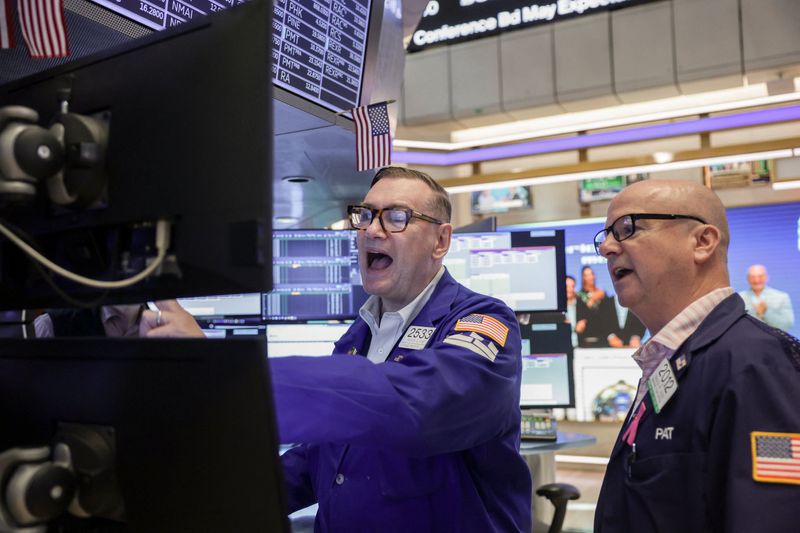
DraftKings Inc. shares fell 5.76% as the stock crossed below its 5-day SMA, reflecting concerns over its competitive position in the sports betting market.
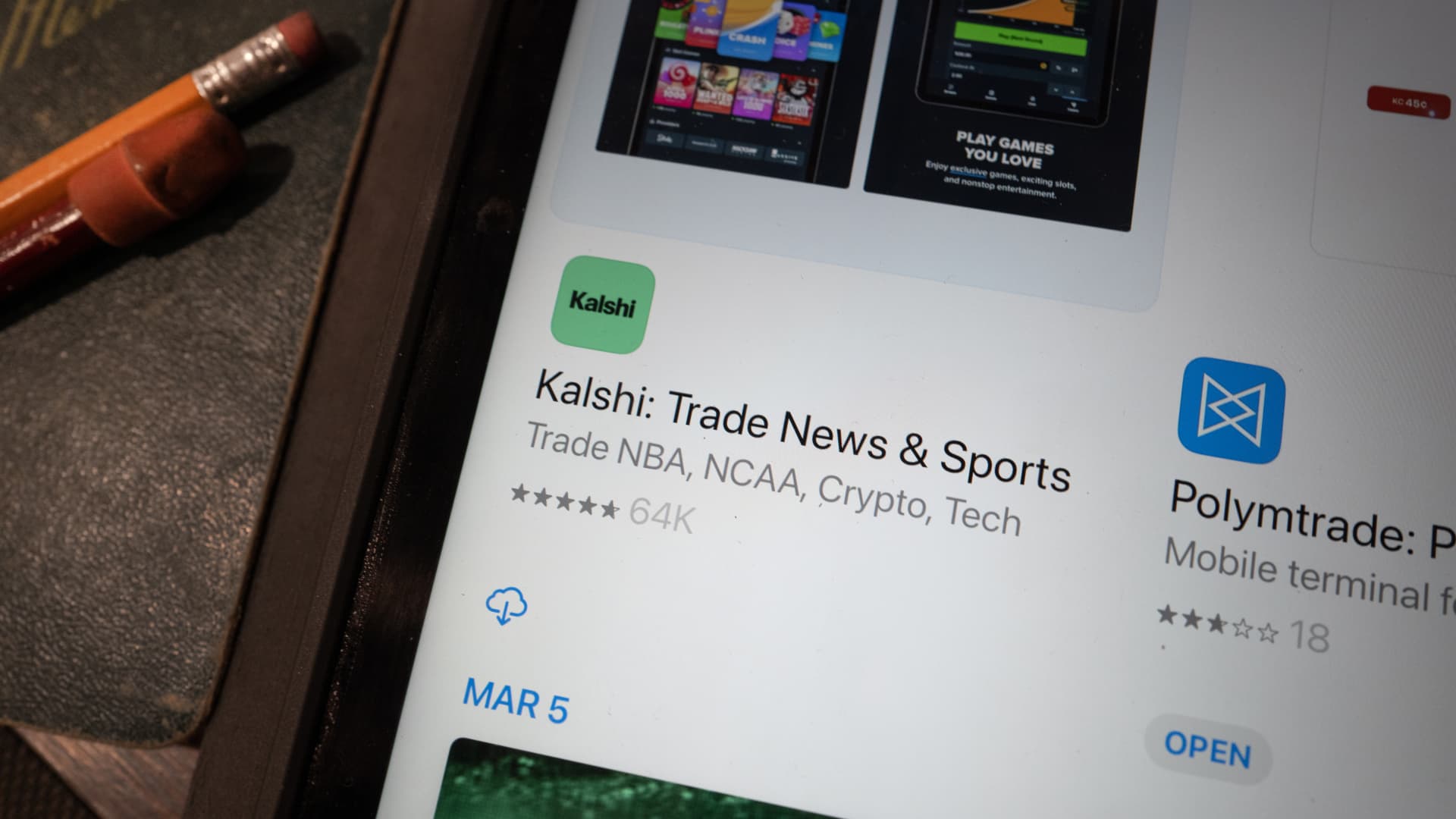
Recent reports indicate that DraftKings lost two percentage points of market share to emerging competitor Kalshi, which has surged from 3% to 21% in monthly active users. This shift highlights a significant threat to DraftKings' revenue growth, as traditional platforms face increasing pressure from new entrants unless regulatory changes occur. The competitive landscape is becoming more challenging, with established platforms like FanDuel and theScore Bet also experiencing market share declines.
The implications for DraftKings are concerning, as the company must navigate a rapidly evolving market while addressing the challenges posed by competitors. The loss of market share could impact future revenue and growth prospects, necessitating strategic adjustments to maintain its position in the industry.
Trade with 70% Backtested Accuracy
Analyst Views on DKNG

About DKNG
About the author

Regulatory Battle Intensifies Over Prediction Markets


- Market Growth Momentum: Despite legal uncertainties, Kalshi's valuation has surged from $11 billion in December to $22 billion, indicating sustained investor confidence in prediction markets and reflecting the sector's potential profitability.
- Regulatory Dispute: Legal battles between the Commodity Futures Trading Commission and 17 states over the jurisdiction of prediction markets are underway, with states arguing these markets resemble gambling, which could impact future market structures and operational models.
- Corporate Investment Strategies: CEOs of Flutter Entertainment and DraftKings have both expressed intentions to continue investing in prediction market platforms despite regulatory risks, demonstrating their confidence in long-term market growth, which may drive further industry development.
- Diverse Market Opportunities: CME Group's CEO noted that, aside from sports event contracts, other event contracts related to economics, politics, and financial predictions are experiencing less scrutiny, with estimates suggesting that by 2030, sports contracts will only account for 30% of trading volumes.

Freedom Capital Markets Initiates Buy Rating on DraftKings

- Market Opportunity Assessment: Analyst Nick McKay notes that DraftKings' prediction market business could generate an additional $10 billion in annual revenue, indicating significant long-term growth potential, especially as many of its 10.5 million unique customers may gravitate towards the new Super App offering.
- Risk/Reward Dynamics: McKay highlights that current market concerns regarding prediction markets may be overblown, as DraftKings' expansion in this area will broaden its sports betting products' reach across much of the U.S., thereby enhancing the company's competitive position.
- Valuation Outlook: Freedom Capital Markets sets a 12-month price target of $30, based on an EV/adjusted EBITDA multiple of approximately 11X for FY28, reflecting expectations for profits to increase by about 50% by FY28 compared to the implied core profitability level in FY26.
- Stock Performance: While DraftKings shares edged up 0.6% in Thursday morning trading, the stock has declined nearly 27% year-to-date, indicating a cautious market sentiment regarding its future performance.

Sportradar Predicts 2026 World Cup to Drive Sports Betting Growth

- Market Growth Expectation: Sportradar predicts that the 2026 FIFA World Cup will be a significant growth moment for sportsbooks, with 62% of American soccer fans expected to place bets during the 39-day tournament, driving historic scale across casual, active, and high-value bettors.
- First-Time Betting Opportunity: The report highlights that 29% of Americans plan to place their first-ever sports bet during the World Cup, creating a unique acquisition window for sportsbooks with minimal brand loyalty, allowing them to attract new users.
- Increased Betting Frequency: Over 50% of soccer bettors intend to bet more than usual during the World Cup, which will enhance in-play activity and customer lifetime value, further boosting market engagement.
- Marketing Strategy Implementation: Sportradar will leverage its marketing stack, including exclusive sports data, audience identity matching, and real-time activation, to capture the opportunities presented by the World Cup, ensuring maximum customer engagement during the event.

Expansion of Prediction Markets Hurts DraftKings in Short Term
- Increased Market Competition: The expansion of prediction markets is exerting short-term pressure on DraftKings, leading to a decline in its stock price on May 16, 2026, indicating investor concerns about future profitability.
- Stock Price Volatility: Following the video release on May 18, 2026, DraftKings' stock rose by 3.12%, yet the overall trend suggests diminishing investor confidence in its business model, potentially affecting its long-term investment appeal.
- Uncertain Profit Outlook: With the rise of prediction markets, DraftKings faces heightened competitive pressure, which may lead to a decline in market share, thereby impacting future revenue growth and profitability.
- Need for Strategic Adjustment: To address this challenge, DraftKings may need to reassess its market strategy to maintain competitiveness in the evolving gambling landscape.

Helios Technologies Surpasses Expectations, Stock Rises 12.5%

- Helios Performance Exceeds Expectations: Helios Technologies (NYSE:HLIO) reported first-quarter 2026 results that surpassed analyst expectations, leading to a 12.5% stock increase and an upward revision of its full-year outlook, indicating strong market performance and future growth potential.
- DraftKings Rating Reaffirmed: DraftKings (NASDAQ:DKNG) saw a 2.2% stock rise after Truist Securities reiterated a Buy rating on its shares, reflecting analysts' confidence in the company's future profitability and potentially attracting more investor interest.
- CACI Secures Major Contract: CACI International (NYSE:CACI) experienced a 3.5% stock increase after securing a $113.8 million contract from the U.S. Navy, which not only strengthens its revenue base but also enhances its market position in defense and IT solutions.
- U.S. Physical Therapy Continues Growth: U.S. Physical Therapy (NYSE:USPH) rose by 4.4% as it reported strong first-quarter 2026 results and confirmed its full-year financial outlook, demonstrating robust growth in the physical therapy market and solid customer demand.

NFL Urges CFTC to Strengthen Regulation of Sports Prediction Markets
- Regulatory Recommendations: The NFL submitted a letter to the CFTC suggesting the prohibition of easily manipulable event contracts, such as whether a kicker will miss a field goal, aimed at preserving the integrity of sporting events and preventing fraudulent behavior.
- Age Requirement Increase: The NFL proposed raising the age requirement for participation in sports prediction markets to 21 years, aligning it with typical online sports betting age limits, thereby protecting younger consumers from potential risks.
- Certification Process Reform: The NFL called for the CFTC to establish a unique certification process for contracts related to individual player performance, replacing the current self-certification mechanism to enhance market transparency and reduce manipulation risks.
- Margin Trading Ban: The NFL recommended banning margin trading to prevent increased addictive behavior and loss risks associated with borrowed trading, emphasizing the necessity of protecting participants in these markets.
Regulatory Battle Intensifies Over Prediction Markets
- Market Growth Momentum: Despite legal uncertainties, Kalshi's valuation has surged from $11 billion in December to $22 billion, indicating sustained investor confidence in prediction markets and reflecting the sector's potential profitability.
- Regulatory Dispute: Legal battles between the Commodity Futures Trading Commission and 17 states over the jurisdiction of prediction markets are underway, with states arguing these markets resemble gambling, which could impact future market structures and operational models.
- Corporate Investment Strategies: CEOs of Flutter Entertainment and DraftKings have both expressed intentions to continue investing in prediction market platforms despite regulatory risks, demonstrating their confidence in long-term market growth, which may drive further industry development.
- Diverse Market Opportunities: CME Group's CEO noted that, aside from sports event contracts, other event contracts related to economics, politics, and financial predictions are experiencing less scrutiny, with estimates suggesting that by 2030, sports contracts will only account for 30% of trading volumes.
Freedom Capital Markets Initiates Buy Rating on DraftKings
- Market Opportunity Assessment: Analyst Nick McKay notes that DraftKings' prediction market business could generate an additional $10 billion in annual revenue, indicating significant long-term growth potential, especially as many of its 10.5 million unique customers may gravitate towards the new Super App offering.
- Risk/Reward Dynamics: McKay highlights that current market concerns regarding prediction markets may be overblown, as DraftKings' expansion in this area will broaden its sports betting products' reach across much of the U.S., thereby enhancing the company's competitive position.
- Valuation Outlook: Freedom Capital Markets sets a 12-month price target of $30, based on an EV/adjusted EBITDA multiple of approximately 11X for FY28, reflecting expectations for profits to increase by about 50% by FY28 compared to the implied core profitability level in FY26.
- Stock Performance: While DraftKings shares edged up 0.6% in Thursday morning trading, the stock has declined nearly 27% year-to-date, indicating a cautious market sentiment regarding its future performance.
Sportradar Predicts 2026 World Cup to Drive Sports Betting Growth
- Market Growth Expectation: Sportradar predicts that the 2026 FIFA World Cup will be a significant growth moment for sportsbooks, with 62% of American soccer fans expected to place bets during the 39-day tournament, driving historic scale across casual, active, and high-value bettors.
- First-Time Betting Opportunity: The report highlights that 29% of Americans plan to place their first-ever sports bet during the World Cup, creating a unique acquisition window for sportsbooks with minimal brand loyalty, allowing them to attract new users.
- Increased Betting Frequency: Over 50% of soccer bettors intend to bet more than usual during the World Cup, which will enhance in-play activity and customer lifetime value, further boosting market engagement.
- Marketing Strategy Implementation: Sportradar will leverage its marketing stack, including exclusive sports data, audience identity matching, and real-time activation, to capture the opportunities presented by the World Cup, ensuring maximum customer engagement during the event.
Expansion of Prediction Markets Hurts DraftKings in Short Term
- Increased Market Competition: The expansion of prediction markets is exerting short-term pressure on DraftKings, leading to a decline in its stock price on May 16, 2026, indicating investor concerns about future profitability.
- Stock Price Volatility: Following the video release on May 18, 2026, DraftKings' stock rose by 3.12%, yet the overall trend suggests diminishing investor confidence in its business model, potentially affecting its long-term investment appeal.
- Uncertain Profit Outlook: With the rise of prediction markets, DraftKings faces heightened competitive pressure, which may lead to a decline in market share, thereby impacting future revenue growth and profitability.
- Need for Strategic Adjustment: To address this challenge, DraftKings may need to reassess its market strategy to maintain competitiveness in the evolving gambling landscape.
Helios Technologies Surpasses Expectations, Stock Rises 12.5%
- Helios Performance Exceeds Expectations: Helios Technologies (NYSE:HLIO) reported first-quarter 2026 results that surpassed analyst expectations, leading to a 12.5% stock increase and an upward revision of its full-year outlook, indicating strong market performance and future growth potential.
- DraftKings Rating Reaffirmed: DraftKings (NASDAQ:DKNG) saw a 2.2% stock rise after Truist Securities reiterated a Buy rating on its shares, reflecting analysts' confidence in the company's future profitability and potentially attracting more investor interest.
- CACI Secures Major Contract: CACI International (NYSE:CACI) experienced a 3.5% stock increase after securing a $113.8 million contract from the U.S. Navy, which not only strengthens its revenue base but also enhances its market position in defense and IT solutions.
- U.S. Physical Therapy Continues Growth: U.S. Physical Therapy (NYSE:USPH) rose by 4.4% as it reported strong first-quarter 2026 results and confirmed its full-year financial outlook, demonstrating robust growth in the physical therapy market and solid customer demand.
NFL Urges CFTC to Strengthen Regulation of Sports Prediction Markets
- Regulatory Recommendations: The NFL submitted a letter to the CFTC suggesting the prohibition of easily manipulable event contracts, such as whether a kicker will miss a field goal, aimed at preserving the integrity of sporting events and preventing fraudulent behavior.
- Age Requirement Increase: The NFL proposed raising the age requirement for participation in sports prediction markets to 21 years, aligning it with typical online sports betting age limits, thereby protecting younger consumers from potential risks.
- Certification Process Reform: The NFL called for the CFTC to establish a unique certification process for contracts related to individual player performance, replacing the current self-certification mechanism to enhance market transparency and reduce manipulation risks.
- Margin Trading Ban: The NFL recommended banning margin trading to prevent increased addictive behavior and loss risks associated with borrowed trading, emphasizing the necessity of protecting participants in these markets.