

Boeing Reports Smaller Q1 Loss, Boosting Market Confidence
Boeing shares surged over 5% in pre-market trading after the company reported a narrower-than-expected loss for Q1, crossing above the 5-day SMA.
The company reported a net loss of $7 million, significantly down from $31 million a year ago, and a core loss per share of $0.20, which was much better than the $0.83 loss analysts had anticipated. This performance indicates ongoing operational recovery and improved efficiency, which is likely to bolster market confidence. Additionally, Boeing's revenue increased by 14% year-over-year to $22.2 billion, driven by higher commercial delivery volumes and a record backlog of $695 billion.
The positive earnings report reflects Boeing's commitment to enhancing production capacity and operational efficiency, which may lead to further stock price appreciation as investor sentiment improves.
Trade with 70% Backtested Accuracy
Analyst Views on BA

About BA
About the author

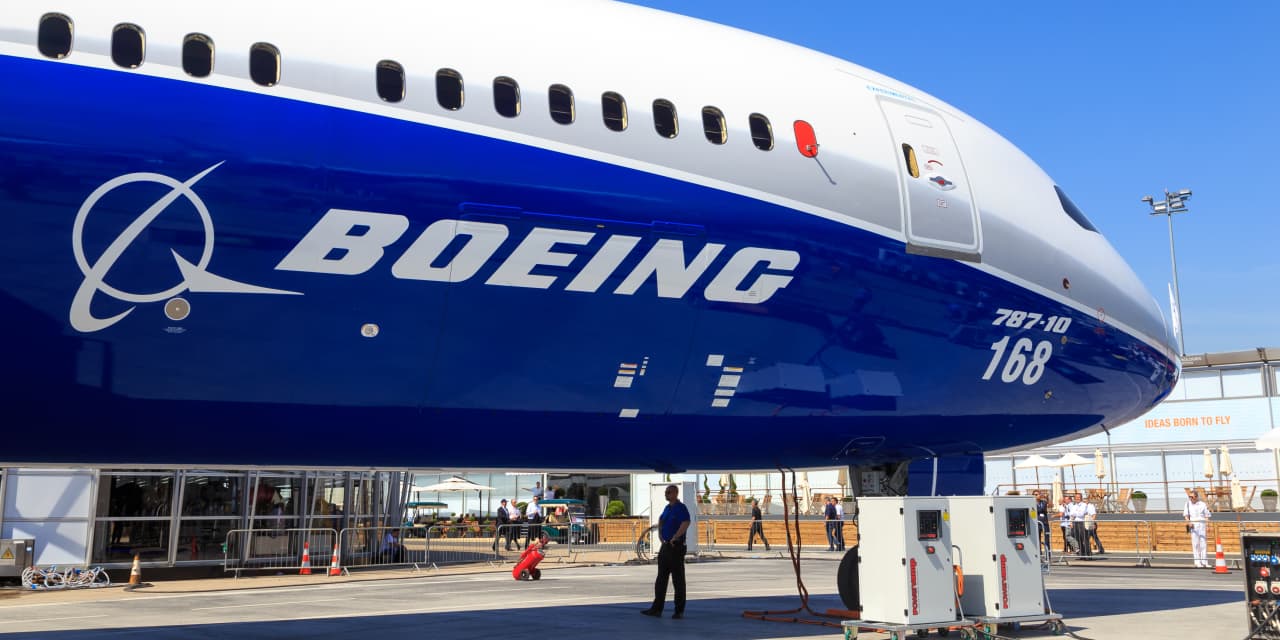
Boeing Secures $880M U.S. Navy Training Systems Contract

- Contract Value: Boeing has secured an $880 million firm-fixed-price contract aimed at procuring, modernizing, and sustaining P-8A Poseidon aircrew and maintenance training systems for the U.S. Navy, indicating ongoing demand in the defense sector.
- Project Scope: The contract encompasses the development, integration, testing, delivery, and upgrades of training devices, along with hardware, software, spares, and support services, which will enhance fleet readiness and adapt to evolving mission requirements.
- Completion Timeline: The work is expected to be completed by June 2031, indicating Boeing's ability to secure stable revenue streams from long-term contracts, which could positively impact the company's future financial performance.
- Funding Arrangement: No funds will be obligated at the time of award; instead, funds will be obligated on individual orders as they are issued, allowing Boeing to maintain financial flexibility during project execution.
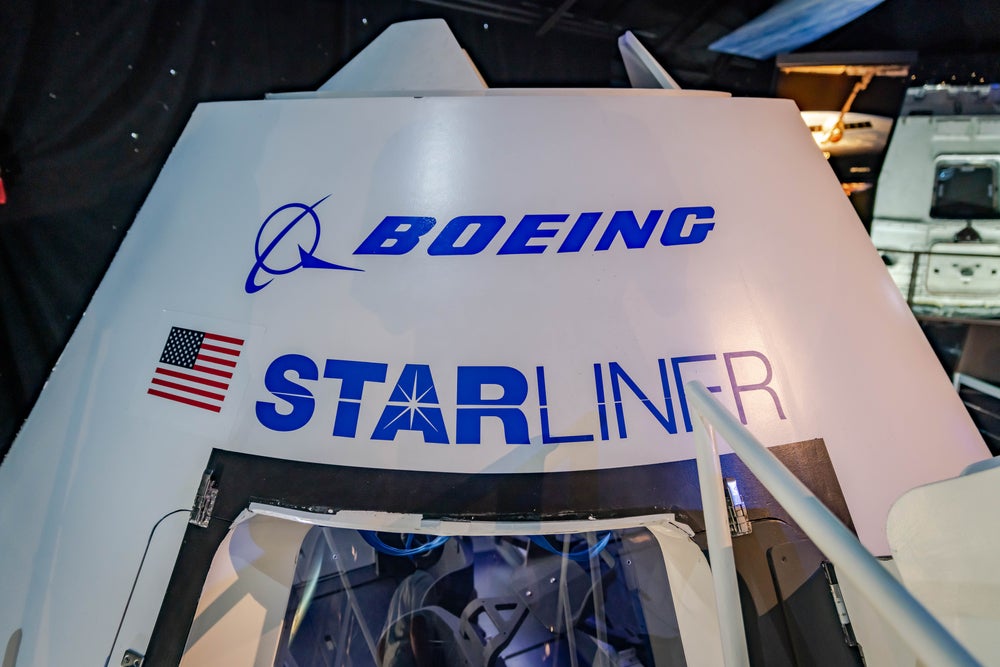
Boeing Completes Key Testing Milestone for Quantum Networking Satellite
- Key Testing Milestone: Boeing has completed a crucial ground-testing milestone for its Q4S quantum networking satellite, keeping the experimental space program on track for a planned 2027 launch, showcasing the company's forward-looking strategy in the quantum communication sector.
- Entanglement Swapping: The tests demonstrated high-fidelity entanglement swapping on a compact payload designed for spaceflight, a core technology viewed as foundational for future quantum communication networks, helping to extend quantum links beyond basic point-to-point connections.
- Environmental Qualification Testing: Boeing also completed environmental qualification testing, which checks whether the hardware can survive launch and operate in space, laying the groundwork for final spacecraft integration and ensuring its capability to execute a one-year mission in orbit.
- Strategic Positioning: While this project is not expected to generate immediate revenue, Boeing is working to establish an early position in the quantum networking field, which could be significant for secure communications, precision timing, navigation, and defense systems over time.

Boeing Achieves Key Testing Milestone for Quantum Networking Satellite
- Quantum Networking Success: Boeing announced that its Q4S quantum networking satellite program has completed a key ground-testing milestone, successfully demonstrating high-fidelity entanglement swapping on a compact payload, marking preparations for a planned 2027 launch.
- Environmental Qualification: The tests included environmental qualification to ensure the hardware can withstand the harsh conditions of launch and space, further enhancing Boeing's technological capabilities in quantum communications.
- Future Market Potential: While the immediate financial impact is limited, Boeing's early positioning in quantum networking could lay the groundwork for future defense and space contracts, particularly in secure communications and sensing technologies.
- One-Year Space Mission: The Q4S program aims to demonstrate quantum networking technologies in orbit during a planned one-year mission, with collected data used to evaluate system performance and guide the design of future quantum networking architectures.
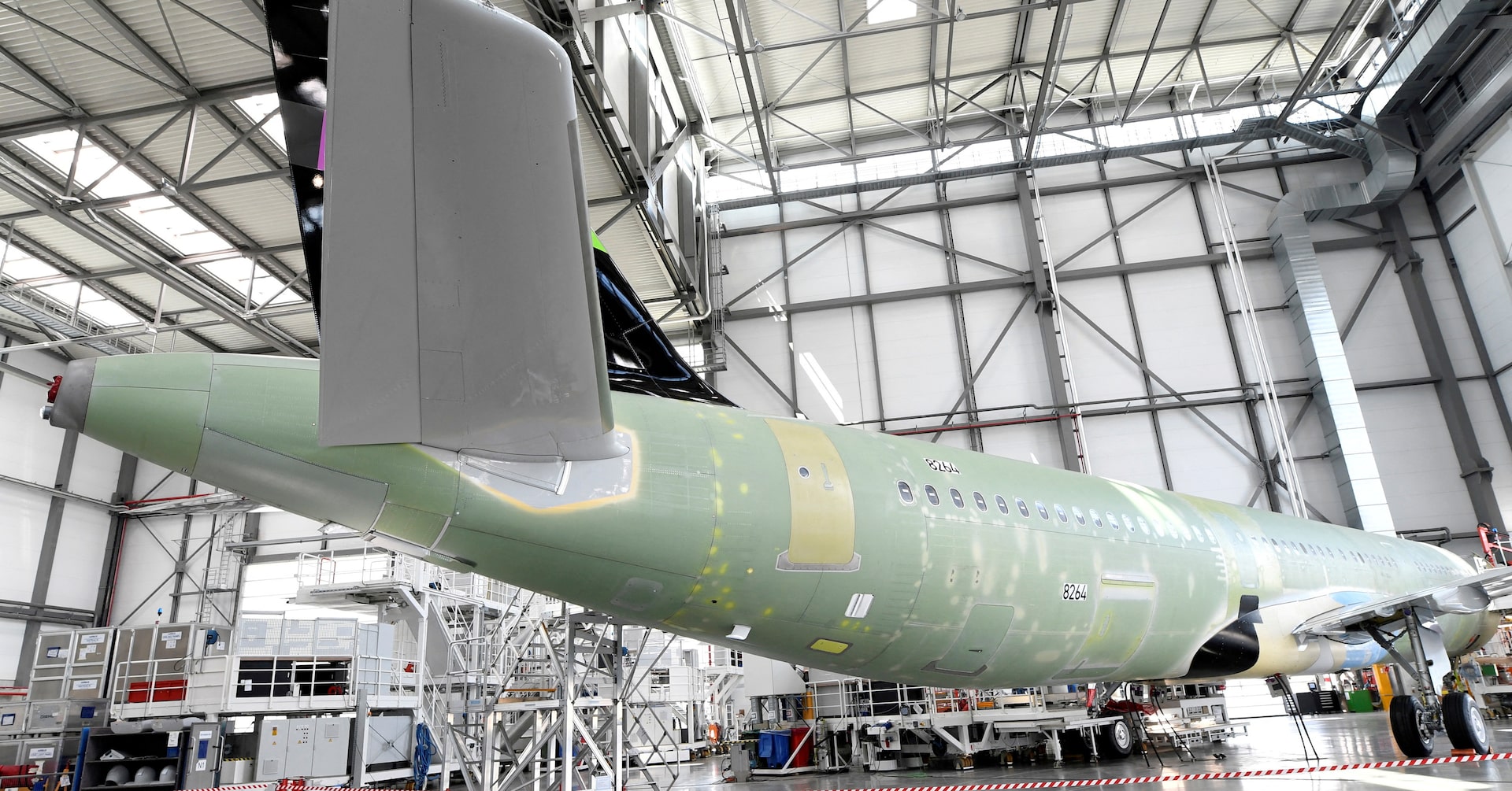
GKN Aerospace Factory to Restart Limited Production After Safety Checks

- Production Restart Plan: GKN Aerospace's California factory plans to restart limited production after safety checks, following a late May incident that prompted the evacuation of 50,000 residents, demonstrating the company's crisis management capabilities.
- Safety Checks Underway: Employees have begun returning to the facility this week to conduct safety checks, ensuring that parts of the facility unaffected by the incident can resume operations, indicating the company's commitment to employee safety while striving to meet market demand.
- Capacity Expansion: GKN announced plans to establish a new production line near the facility in 2024 to double the manufacturing capacity of F-35 canopies by January 2027, reflecting the company's confidence in future aerospace market demand.
- Supply Chain Impact Assessment: Multiple agencies are investigating the factory; while Airbus and Lockheed Martin report no current production impact, the incident may pose potential risks to supply chain stability, prompting stakeholders to reassess collaboration strategies.

Boeing Secures $17.93M U.S. Air Force Contract
- Contract Value and Nature: Boeing has been awarded a $17.93 million cost-plus-fixed-fee contract by the U.S. Air Force, focusing on specialized engineering and repair services for the military's integrated conventional stores management system, indicating ongoing demand in the defense sector.
- Execution Location: All contract performance will take place at Boeing's facilities in Oklahoma City, which not only supports the local economy but also ensures timely and quality service delivery.
- Long-term Support and Services: The five-year contract is expected to be completed by June 15, 2031, involving critical component repair services aimed at addressing material shortages and restoring non-functional aviation assets, thereby enhancing the Air Force's operational capabilities.
- Primary Contracting Authority: The Air Force Sustainment Center, located at Robins Air Force Base in Georgia, serves as the primary contracting authority, ensuring compliance and efficiency in contract execution.
Drone Incursions Drive Rapid Growth in Counter-Drone Market
- Surging Market Demand: The counter-drone market is experiencing a 20% annual growth rate due to drone incursions linked to the wars in Ukraine and the Middle East, with projections estimating the market will expand from $4.5 billion to $14.5 billion by 2030, indicating strong investment potential.
- Accelerated Technological Innovation: New technologies such as the jamming gun from U.S. firm Dedrone and Boeing's autonomous 'wingman' system are being developed to counter increasingly sophisticated drone threats, enhancing security for airports and critical infrastructure.
- Infrastructure Upgrades: Avinor, which operates 43 airports in Norway, has already installed a drone detection system to address the
Boeing Secures $880M U.S. Navy Training Systems Contract
- Contract Value: Boeing has secured an $880 million firm-fixed-price contract aimed at procuring, modernizing, and sustaining P-8A Poseidon aircrew and maintenance training systems for the U.S. Navy, indicating ongoing demand in the defense sector.
- Project Scope: The contract encompasses the development, integration, testing, delivery, and upgrades of training devices, along with hardware, software, spares, and support services, which will enhance fleet readiness and adapt to evolving mission requirements.
- Completion Timeline: The work is expected to be completed by June 2031, indicating Boeing's ability to secure stable revenue streams from long-term contracts, which could positively impact the company's future financial performance.
- Funding Arrangement: No funds will be obligated at the time of award; instead, funds will be obligated on individual orders as they are issued, allowing Boeing to maintain financial flexibility during project execution.
Boeing Completes Key Testing Milestone for Quantum Networking Satellite
- Key Testing Milestone: Boeing has completed a crucial ground-testing milestone for its Q4S quantum networking satellite, keeping the experimental space program on track for a planned 2027 launch, showcasing the company's forward-looking strategy in the quantum communication sector.
- Entanglement Swapping: The tests demonstrated high-fidelity entanglement swapping on a compact payload designed for spaceflight, a core technology viewed as foundational for future quantum communication networks, helping to extend quantum links beyond basic point-to-point connections.
- Environmental Qualification Testing: Boeing also completed environmental qualification testing, which checks whether the hardware can survive launch and operate in space, laying the groundwork for final spacecraft integration and ensuring its capability to execute a one-year mission in orbit.
- Strategic Positioning: While this project is not expected to generate immediate revenue, Boeing is working to establish an early position in the quantum networking field, which could be significant for secure communications, precision timing, navigation, and defense systems over time.
Boeing Achieves Key Testing Milestone for Quantum Networking Satellite
- Quantum Networking Success: Boeing announced that its Q4S quantum networking satellite program has completed a key ground-testing milestone, successfully demonstrating high-fidelity entanglement swapping on a compact payload, marking preparations for a planned 2027 launch.
- Environmental Qualification: The tests included environmental qualification to ensure the hardware can withstand the harsh conditions of launch and space, further enhancing Boeing's technological capabilities in quantum communications.
- Future Market Potential: While the immediate financial impact is limited, Boeing's early positioning in quantum networking could lay the groundwork for future defense and space contracts, particularly in secure communications and sensing technologies.
- One-Year Space Mission: The Q4S program aims to demonstrate quantum networking technologies in orbit during a planned one-year mission, with collected data used to evaluate system performance and guide the design of future quantum networking architectures.
GKN Aerospace Factory to Restart Limited Production After Safety Checks
- Production Restart Plan: GKN Aerospace's California factory plans to restart limited production after safety checks, following a late May incident that prompted the evacuation of 50,000 residents, demonstrating the company's crisis management capabilities.
- Safety Checks Underway: Employees have begun returning to the facility this week to conduct safety checks, ensuring that parts of the facility unaffected by the incident can resume operations, indicating the company's commitment to employee safety while striving to meet market demand.
- Capacity Expansion: GKN announced plans to establish a new production line near the facility in 2024 to double the manufacturing capacity of F-35 canopies by January 2027, reflecting the company's confidence in future aerospace market demand.
- Supply Chain Impact Assessment: Multiple agencies are investigating the factory; while Airbus and Lockheed Martin report no current production impact, the incident may pose potential risks to supply chain stability, prompting stakeholders to reassess collaboration strategies.
Boeing Secures $17.93M U.S. Air Force Contract
- Contract Value and Nature: Boeing has been awarded a $17.93 million cost-plus-fixed-fee contract by the U.S. Air Force, focusing on specialized engineering and repair services for the military's integrated conventional stores management system, indicating ongoing demand in the defense sector.
- Execution Location: All contract performance will take place at Boeing's facilities in Oklahoma City, which not only supports the local economy but also ensures timely and quality service delivery.
- Long-term Support and Services: The five-year contract is expected to be completed by June 15, 2031, involving critical component repair services aimed at addressing material shortages and restoring non-functional aviation assets, thereby enhancing the Air Force's operational capabilities.
- Primary Contracting Authority: The Air Force Sustainment Center, located at Robins Air Force Base in Georgia, serves as the primary contracting authority, ensuring compliance and efficiency in contract execution.
Drone Incursions Drive Rapid Growth in Counter-Drone Market
- Surging Market Demand: The counter-drone market is experiencing a 20% annual growth rate due to drone incursions linked to the wars in Ukraine and the Middle East, with projections estimating the market will expand from $4.5 billion to $14.5 billion by 2030, indicating strong investment potential.
- Accelerated Technological Innovation: New technologies such as the jamming gun from U.S. firm Dedrone and Boeing's autonomous 'wingman' system are being developed to counter increasingly sophisticated drone threats, enhancing security for airports and critical infrastructure.
- Infrastructure Upgrades: Avinor, which operates 43 airports in Norway, has already installed a drone detection system to address the




