Wednesday's Underperforming Sectors: Defense, Home Furnishings, and Improvement Stocks
Written by Emily J. Thompson, Senior Investment Analyst
Updated: Nov 05 2025
0mins

Source: NASDAQ.COM
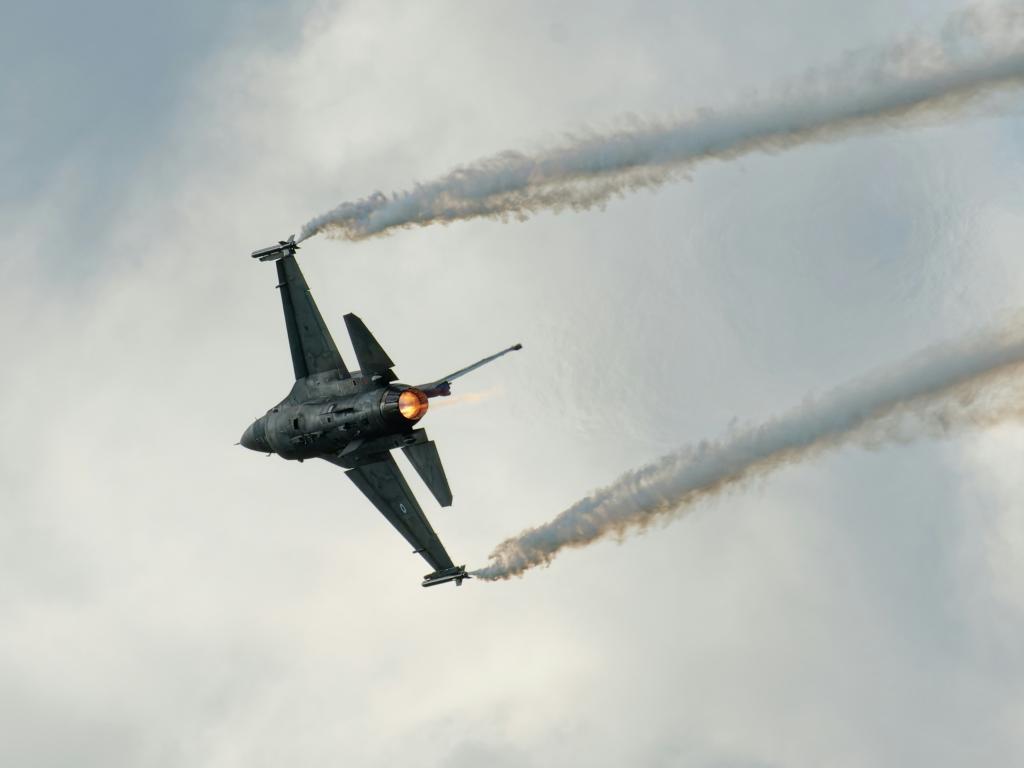
Defense Sector Performance: On Wednesday, defense shares fell by approximately 2.9%, with Kratos Defense & Security Solutions dropping 13.6% and Huntington Ingalls Industries declining 2.1%.
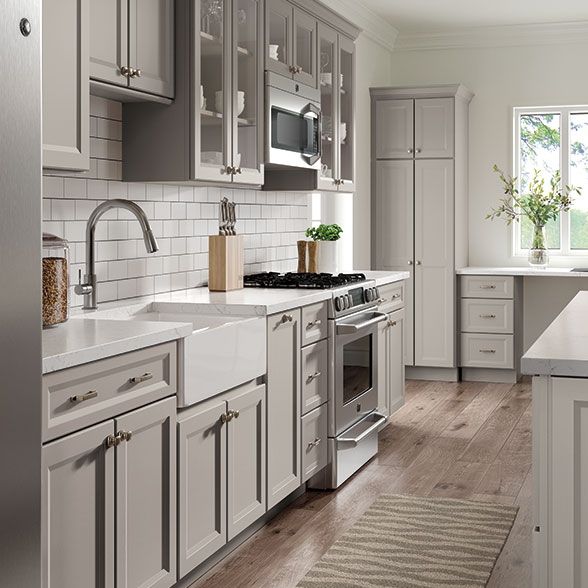
Home Furnishings & Improvement Sector: This sector also lagged, down about 2.4%, primarily due to American Woodmark's 13.7% drop and MasterBrand's 12.8% decline.
Trade with 70% Backtested Accuracy
Stop guessing "Should I Buy HII?" and start using high-conviction signals backed by rigorous historical data.
Sign up today to access powerful investing tools and make smarter, data-driven decisions.
Analyst Views on HII
Wall Street analysts forecast HII stock price to rise
6 Analyst Rating
4 Buy
1 Hold
1 Sell
Moderate Buy
Current: 300.950

Low
300.00
Averages
344.80
High
376.00
Current: 300.950
Low
300.00
Averages
344.80
High
376.00
About HII
Huntington Ingalls Industries, Inc. is a global, all-domain defense partner, building and delivering naval ships and technologies. Its segments include Ingalls Shipbuilding (Ingalls), Newport News Shipbuilding (Newport News) and Mission Technologies. Ingalls segment includes its non-nuclear ship design, construction, repair, and maintenance businesses. Newport News segment includes all of its nuclear ship design, construction, overhaul, refueling, and repair and maintenance businesses. Mission Technologies segment provides a range of services and products, including command, control, computers, communications, cyber, intelligence, surveillance, and reconnaissance systems and operations; the application of artificial intelligence and machine learning to battlefield decisions; defense and offensive cyberspace strategies and electronic warfare; unmanned autonomous systems; live, virtual, and constructive training solutions; platform modernization, and critical nuclear operations.
About the author

Emily J. Thompson
Emily J. Thompson, a Chartered Financial Analyst (CFA) with 12 years in investment research, graduated with honors from the Wharton School. Specializing in industrial and technology stocks, she provides in-depth analysis for Intellectia’s earnings and market brief reports.
HII Partners with Bayou Metals to Accelerate ROMULUS USV Production

- Production Line Launch: Bayou Metal Supply & Manufacturing has launched a dedicated production line in Slidell, Louisiana, to support the accelerated construction of HII's ROMULUS unmanned surface vessels (USVs), ensuring precise cutting, bending, welding, and assembly of major structural components, thereby enhancing production efficiency.
- Strategic Partnership: As HII's aluminum supply and fabrication partner, Bayou Metals is providing marine-grade aluminum and establishing dedicated manufacturing capacity to meet the ROMULUS USV production schedule, which reduces production risks and accelerates delivery timelines.
- Capacity Enhancement: HII plans to build four ROMULUS 151 vessels at Breaux Brothers Enterprises, marking a rapid transition from prototype to initial production, aimed at accelerating the delivery of autonomous surface capabilities to the U.S. Navy and allied partners.
- Industry Impact: This collaboration not only improves manufacturing performance but also supports the expansion of the U.S. shipbuilding industrial base by increasing Gulf Coast manufacturing capacity and building a larger skilled workforce, thereby driving overall industry growth.
See More

U.S. Navy's 30-Year Shipbuilding Plan Unveiled

- Current Fleet Status: When President Trump took office, he promised a 355-ship Navy, but the current fleet stands at only 291 ships, an improvement from 275 in 2016, yet still below legal requirements, highlighting a persistent lag in naval construction.
- Budget and Plan: The Navy aims to achieve a fleet of 355 ships over the next 30 years with a proposed $1.5 trillion defense budget, focusing on high-end platforms like aircraft carriers and submarines while increasing the number of budget-friendly frigates and littoral combat ships to enhance global presence.
- Production Capacity Enhancement: The Navy's plan includes a whole-of-industry approach, proposing that 50% of future shipbuilding will occur at various shipyards across the country to boost production rates and curb cost overruns, with facility upgrades and workforce training as key components.
- Future Outlook: Although the fleet is not expected to reach 355 ships until 2040, the Navy's long-term goal is to approach 400 ships by the end of the 30-year plan, reflecting confidence in future naval expansion, particularly with the potential integration of unmanned maritime vehicles.
See More

U.S. Navy's 30-Year Shipbuilding Plan Overview
- Fleet Expansion Goals: The U.S. Navy aims to expand its battle force to 355 ships by 2040 and nearly 400 by 2056, despite currently having only 291 ships, highlighting the urgency and strategic necessity for growth.
- Budget and Investment: Under a $1.5 trillion defense budget, the Navy's shipbuilding budget has doubled over the past two decades, yet the fleet size has not increased, reflecting ongoing budgetary pressures and resource allocation challenges.
- Production Capacity Enhancement: The Navy plans to distribute 50% of future shipbuilding across multiple shipyards nationwide to improve production efficiency and reduce cost overruns, with expectations to leverage advanced AI tools for optimized construction scheduling.
- Future Outlook and Challenges: While the plan outlines a $305.7 billion investment in battle force and auxiliary ships over the next five years, the fleet's growth will be limited in the short term due to the retirement of older vessels, illustrating the tension between long-term goals and immediate realities.
See More
HII Welcomes Over 50 High School Graduates to Shipbuilding Careers
- Innovative Talent Attraction: HII's WAVES program, in collaboration with 14 Virginia schools, successfully attracts over 50 high school graduates into the shipbuilding industry, showcasing the company's commitment to future talent investment.
- Experienced Mentor Support: The program embeds skilled shipbuilders in high schools to provide monthly guidance and support, helping students build trust and understand HII career opportunities, thereby enhancing their confidence and skills.
- Successful Welcome Ceremony: NNS hosted its first 'Welcoming Ceremony' for students recruited through WAVES, recognizing their achievements and facilitating initial interactions with new teammates, which strengthens team cohesion.
- HII's Industry Leadership: As America's largest shipbuilder, HII's leadership in unmanned systems and defense technologies further solidifies its strategic advantage in attracting the next generation of skilled professionals.
See More

HII Honors 2026 Class of Master Shipbuilders
- Master Shipbuilder Recognition: HII's Ingalls Shipbuilding division honored 40 employees for 40 years of continuous service, showcasing their exceptional skills and dedication in building the Navy's most advanced ships, thereby reinforcing the company's leadership in the defense sector.
- Technological Evolution Reflection: Veteran shipbuilder Johnny Brown reflected on the evolution of shipbuilding technology since 1986, particularly the introduction of AI, emphasizing how these advancements have enhanced shipbuilding efficiency and the understanding of national security missions.
- Future Outlook: Fellow master shipbuilder Jeff Davis expressed pride in his contributions to the fleet, believing it better prepares the Navy for future challenges, while also trusting that future shipbuilders will continue to lead the company forward.
- Cultural Legacy: The ceremony not only celebrated the achievements of the shipbuilders but also featured a tribute video highlighting their career milestones, underscoring their vital roles in shaping national security and the company's culture.
See More
HII's ROMULUS USV Advances to Testing Phase with U.S. Navy
- Technical Milestone: HII's ROMULUS unmanned surface vessel has successfully advanced to the U.S. Navy's Medium Unmanned Surface Vessel evaluation phase, marking a significant achievement in the company's long-standing commitment to delivering autonomous capabilities that meet evolving naval requirements.
- Autonomous Control Solutions: At the core of ROMULUS is HII's Odyssey Autonomous Control Solutions, a proven software suite deployed across unmanned underwater and surface platforms in 30 countries, enhancing multi-platform collaborative autonomy and operational effectiveness for the Navy.
- Multi-Mission Capability: Designed to support various missions including intelligence, surveillance, and reconnaissance, ROMULUS offers high endurance and flexibility, fulfilling the operational demands of future naval missions, particularly in distributed maritime operations.
- Market Leadership: As America's largest shipbuilder, HII leads globally in the production of unmanned underwater and surface systems, leveraging over 140 years of history to enhance U.S. national security and drive the integration and advancement of defense capabilities.
See More
HII Partners with Bayou Metals to Accelerate ROMULUS USV Production
- Production Line Launch: Bayou Metal Supply & Manufacturing has launched a dedicated production line in Slidell, Louisiana, to support the accelerated construction of HII's ROMULUS unmanned surface vessels (USVs), ensuring precise cutting, bending, welding, and assembly of major structural components, thereby enhancing production efficiency.
- Strategic Partnership: As HII's aluminum supply and fabrication partner, Bayou Metals is providing marine-grade aluminum and establishing dedicated manufacturing capacity to meet the ROMULUS USV production schedule, which reduces production risks and accelerates delivery timelines.
- Capacity Enhancement: HII plans to build four ROMULUS 151 vessels at Breaux Brothers Enterprises, marking a rapid transition from prototype to initial production, aimed at accelerating the delivery of autonomous surface capabilities to the U.S. Navy and allied partners.
- Industry Impact: This collaboration not only improves manufacturing performance but also supports the expansion of the U.S. shipbuilding industrial base by increasing Gulf Coast manufacturing capacity and building a larger skilled workforce, thereby driving overall industry growth.
See More
U.S. Navy's 30-Year Shipbuilding Plan Unveiled
- Current Fleet Status: When President Trump took office, he promised a 355-ship Navy, but the current fleet stands at only 291 ships, an improvement from 275 in 2016, yet still below legal requirements, highlighting a persistent lag in naval construction.
- Budget and Plan: The Navy aims to achieve a fleet of 355 ships over the next 30 years with a proposed $1.5 trillion defense budget, focusing on high-end platforms like aircraft carriers and submarines while increasing the number of budget-friendly frigates and littoral combat ships to enhance global presence.
- Production Capacity Enhancement: The Navy's plan includes a whole-of-industry approach, proposing that 50% of future shipbuilding will occur at various shipyards across the country to boost production rates and curb cost overruns, with facility upgrades and workforce training as key components.
- Future Outlook: Although the fleet is not expected to reach 355 ships until 2040, the Navy's long-term goal is to approach 400 ships by the end of the 30-year plan, reflecting confidence in future naval expansion, particularly with the potential integration of unmanned maritime vehicles.
See More
U.S. Navy's 30-Year Shipbuilding Plan Overview
- Fleet Expansion Goals: The U.S. Navy aims to expand its battle force to 355 ships by 2040 and nearly 400 by 2056, despite currently having only 291 ships, highlighting the urgency and strategic necessity for growth.
- Budget and Investment: Under a $1.5 trillion defense budget, the Navy's shipbuilding budget has doubled over the past two decades, yet the fleet size has not increased, reflecting ongoing budgetary pressures and resource allocation challenges.
- Production Capacity Enhancement: The Navy plans to distribute 50% of future shipbuilding across multiple shipyards nationwide to improve production efficiency and reduce cost overruns, with expectations to leverage advanced AI tools for optimized construction scheduling.
- Future Outlook and Challenges: While the plan outlines a $305.7 billion investment in battle force and auxiliary ships over the next five years, the fleet's growth will be limited in the short term due to the retirement of older vessels, illustrating the tension between long-term goals and immediate realities.
See More
HII Welcomes Over 50 High School Graduates to Shipbuilding Careers
- Innovative Talent Attraction: HII's WAVES program, in collaboration with 14 Virginia schools, successfully attracts over 50 high school graduates into the shipbuilding industry, showcasing the company's commitment to future talent investment.
- Experienced Mentor Support: The program embeds skilled shipbuilders in high schools to provide monthly guidance and support, helping students build trust and understand HII career opportunities, thereby enhancing their confidence and skills.
- Successful Welcome Ceremony: NNS hosted its first 'Welcoming Ceremony' for students recruited through WAVES, recognizing their achievements and facilitating initial interactions with new teammates, which strengthens team cohesion.
- HII's Industry Leadership: As America's largest shipbuilder, HII's leadership in unmanned systems and defense technologies further solidifies its strategic advantage in attracting the next generation of skilled professionals.
See More
HII Honors 2026 Class of Master Shipbuilders
- Master Shipbuilder Recognition: HII's Ingalls Shipbuilding division honored 40 employees for 40 years of continuous service, showcasing their exceptional skills and dedication in building the Navy's most advanced ships, thereby reinforcing the company's leadership in the defense sector.
- Technological Evolution Reflection: Veteran shipbuilder Johnny Brown reflected on the evolution of shipbuilding technology since 1986, particularly the introduction of AI, emphasizing how these advancements have enhanced shipbuilding efficiency and the understanding of national security missions.
- Future Outlook: Fellow master shipbuilder Jeff Davis expressed pride in his contributions to the fleet, believing it better prepares the Navy for future challenges, while also trusting that future shipbuilders will continue to lead the company forward.
- Cultural Legacy: The ceremony not only celebrated the achievements of the shipbuilders but also featured a tribute video highlighting their career milestones, underscoring their vital roles in shaping national security and the company's culture.
See More
HII's ROMULUS USV Advances to Testing Phase with U.S. Navy
- Technical Milestone: HII's ROMULUS unmanned surface vessel has successfully advanced to the U.S. Navy's Medium Unmanned Surface Vessel evaluation phase, marking a significant achievement in the company's long-standing commitment to delivering autonomous capabilities that meet evolving naval requirements.
- Autonomous Control Solutions: At the core of ROMULUS is HII's Odyssey Autonomous Control Solutions, a proven software suite deployed across unmanned underwater and surface platforms in 30 countries, enhancing multi-platform collaborative autonomy and operational effectiveness for the Navy.
- Multi-Mission Capability: Designed to support various missions including intelligence, surveillance, and reconnaissance, ROMULUS offers high endurance and flexibility, fulfilling the operational demands of future naval missions, particularly in distributed maritime operations.
- Market Leadership: As America's largest shipbuilder, HII leads globally in the production of unmanned underwater and surface systems, leveraging over 140 years of history to enhance U.S. national security and drive the integration and advancement of defense capabilities.
See More