Utilities Sector Attracts Income Investors Amid Market Turmoil
Written by Emily J. Thompson, Senior Investment Analyst
Updated: Mar 09 2026
0mins

Source: seekingalpha
- High Dividend Appeal: Amid escalating tensions in the Middle East and surging oil prices, utility companies are gaining attention for their relatively high dividend yields, with Suburban Propane Partners offering a yield of 6.42%, providing an attractive option for investors seeking stable cash flows.
- Stable Cash Flows: Clearway Energy boasts a dividend yield of 5.23%, while both AES Corporation and Avista Corporation offer yields of 4.97%, positioning these companies as relatively safe investment choices during periods of market uncertainty, enhancing their appeal in the utilities sector.
- Diverse Options: Edison International and Eversource Energy present dividend yields of 4.89% and 4.23%, respectively, while Dominion Energy and UGI Corporation also exceed 4%, indicating that the utilities sector offers a variety of choices for investors, catering to different risk preferences in the current market environment.
- Market Volatility Response: With increasing market volatility, Portland General Electric Company’s dividend yield of 3.93% demonstrates that utility companies can maintain stable cash flows in uncertain economic conditions, attracting investors looking for defensive investment opportunities.
Trade with 70% Backtested Accuracy
Stop guessing "Should I Buy D?" and start using high-conviction signals backed by rigorous historical data.
Sign up today to access powerful investing tools and make smarter, data-driven decisions.
Analyst Views on D
Wall Street analysts forecast D stock price to fall
12 Analyst Rating
2 Buy
9 Hold
1 Sell
Hold
Current: 67.790

Low
59.00
Averages
64.36
High
70.00
Current: 67.790
Low
59.00
Averages
64.36
High
70.00
About D
Dominion Energy, Inc. provides regulated electricity service to approximately 3.6 million homes and businesses in Virginia, North Carolina and South Carolina, and regulated natural gas service to over 500,000 customers in South Carolina. It develops and operates regulated offshore wind and solar power and is the producer of carbon-free electricity in New England. Its Dominion Energy Virginia segment includes Virginia Power's regulated electric transmission, distribution and generation operations, which serve homes and businesses in Virginia and North Carolina. Its Dominion Energy South Carolina segment includes DESC's generation, transmission and distribution of electricity to customers in the central, southern and southwestern portions of South Carolina and the distribution of natural gas to residential, commercial and industrial customers in South Carolina. Its Contracted Energy segment includes nonregulated long-term contracted electric generation fleet and natural gas facilities.
About the author

Emily J. Thompson
Emily J. Thompson, a Chartered Financial Analyst (CFA) with 12 years in investment research, graduated with honors from the Wharton School. Specializing in industrial and technology stocks, she provides in-depth analysis for Intellectia’s earnings and market brief reports.

Surge in Electricity Demand Driven by AI Investments

- Electricity Demand Surge: Electricity demand is projected to grow by 60% from 2025 to 2045, primarily driven by artificial intelligence and data centers, prompting utility companies to ramp up investments to meet this demand, thereby catalyzing industry growth.
- Investor Considerations: As regulated utilities must pass on spending through rate increases, regulatory approval becomes crucial, especially amid high inflation and rising electricity costs, which could pressure utility profitability if costs cannot be fully transferred.
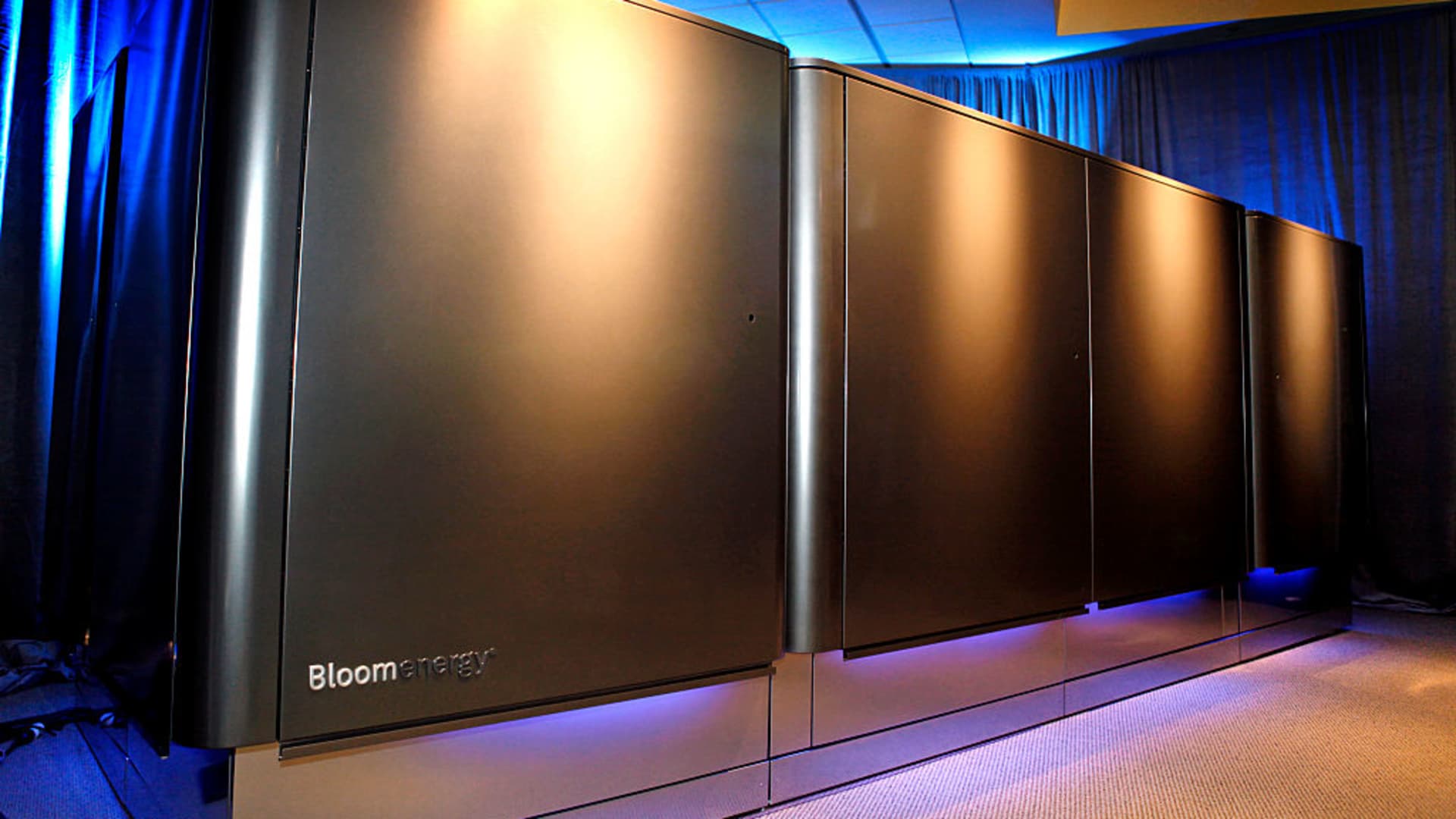
- Bloom Energy Opportunity: Bloom Energy's hydrogen fuel cells have a backlog of $6 billion at the start of 2026, up 2.5 times year-over-year, indicating strong demand in the AI data center market, although its price-to-sales ratio of 29x suggests that market expectations for future success are already reflected in its stock price.
- Renewable Energy Investment: Brookfield Renewable Partners boasts a diversified portfolio of renewable assets and is expected to benefit from AI demand, offering a distribution yield of 4.5% with plans for annual growth of 5% to 9%, providing investors with a stable income stream.
See More
AI Demand Fuels $240 Billion Utility Investment Surge
- Surging Power Demand: Utilities are projected to spend up to $240 billion by 2026 to meet AI-driven electricity demand, which will likely lead to increased power prices and impact industry profitability.
- Investor Considerations: With electricity demand growing by 10% from 2005 to 2025 and expected to rise by 60% from 2025 to 2045, utility companies must ramp up capital investments to meet this escalating demand.
- Company Options: Bloom Energy's hydrogen fuel cells have a $6 billion backlog at the start of 2026, up 2.5 times year-over-year, indicating strong potential for powering AI data centers, while Brookfield Renewable Partners attracts dividend-seeking investors with a 4.5% distribution yield.
- Market Outlook: NextEra Energy's proposed acquisition of Dominion Energy, which operates in one of the world's largest data center markets, is expected to drive annual earnings growth of about 9% post-acquisition, further solidifying its leadership in renewable energy.
See More

Senator Opposes NextEra's $67B Dominion Acquisition

- Opposition to Acquisition: Senator Angus King stated in a letter to the Federal Energy Regulatory Commission that NextEra Energy's proposed $67 billion acquisition of Dominion Energy should be rejected, citing concerns over excessive power consolidation affecting over 10 million people.
- Competition Concerns: King highlighted that the merged entity would create the world's largest regulated electric utility by market capitalization, potentially stifling competition and allowing a single firm to exert significant influence across generation and transmission sectors.
- Impact on Clean Energy: The senator expressed worries that NextEra's lobbying efforts in New England have already harmed clean energy competition, alongside other business practices that could lead to increased prices for consumers.
- Regulatory Challenges Ahead: The opposition to this acquisition could pose significant challenges for NextEra's future growth, particularly in a climate where energy market competition and consumer protection are under heightened scrutiny.
See More

Senator Urges Rejection of NextEra's Dominion Acquisition
- Acquisition Controversy: U.S. Senator Angus King is urging the rejection of NextEra's proposed $66.8 billion acquisition of Dominion Energy, arguing that the deal would concentrate too much power and potentially impact over 10 million people.
- Competition Concerns: King highlighted that the merged entity would possess 110 gigawatts of electric-generating capacity, which could deter competition and affect market fairness, particularly in regions with high concentrations of data centers.
- Rising Energy Demand: The past few years have seen a surge in electricity demand, driven by the electrification of industries like transportation and the expansion of energy-intensive data centers, leading to several large power mergers, including NextEra's acquisition plan.
- Clean Energy Competition: King noted that NextEra has already stifled clean energy competition through lobbying efforts in New England, raising concerns that this could ultimately lead to higher prices for consumers and further scrutiny of the company's business practices.
See More
Strategic Analysis of NextEra's Acquisition of Dominion Energy
- Acquisition Motivation: NextEra Energy's planned acquisition of Dominion Energy aims to expand its geographic reach and capitalize on expected electricity demand growth, particularly as Dominion operates just up the East Coast from Florida, which is expected to have a direct positive impact on NextEra's business.
- Shareholder Benefits: Each Dominion shareholder will receive 0.8138 shares of NextEra and a one-time cash distribution of $360 million upon deal completion, indicating that the two stocks will be closely tied, with prices likely moving in tandem during the merger process.
- Dividend Yield Difference: Dominion Energy currently offers a dividend yield of 3.9%, compared to NextEra's 2.9%, making Dominion a more attractive option for dividend investors who believe in the merger's success, providing a higher income stream until the deal is finalized.
- Risk Assessment: If the acquisition fails, Dominion's share price could drop back to around $63, representing a modest downside risk of about 7%, yet holding Dominion could still incrementally enhance income streams for investors over the next year.
See More
NextEra Energy's Acquisition of Dominion Energy
- Acquisition Plan: NextEra Energy's planned acquisition of Dominion Energy aims to enhance its geographic reach in electricity demand, although the deal must navigate a lengthy regulatory approval process of up to 18 months, highlighting the complexities and challenges of large utility mergers.
- Shareholder Benefits: Each Dominion shareholder will receive 0.8138 shares of NextEra stock and a one-time cash distribution of $360 million upon deal completion, indicating that the transaction will provide direct economic benefits to Dominion shareholders.
- Dividend Comparison: With Dominion's dividend yield at 3.9%, surpassing NextEra's 2.9%, Dominion emerges as a more attractive option for income-seeking investors until the merger is finalized, despite NextEra's dividend policy projected to grow at 6% annually.
- Market Risks: Should the acquisition fail, Dominion's share price could revert to around $63, representing a modest 7% downside risk, prompting investors to weigh potential income against risks when deciding whether to hold Dominion stock.
See More
Surge in Electricity Demand Driven by AI Investments
- Electricity Demand Surge: Electricity demand is projected to grow by 60% from 2025 to 2045, primarily driven by artificial intelligence and data centers, prompting utility companies to ramp up investments to meet this demand, thereby catalyzing industry growth.
- Investor Considerations: As regulated utilities must pass on spending through rate increases, regulatory approval becomes crucial, especially amid high inflation and rising electricity costs, which could pressure utility profitability if costs cannot be fully transferred.
- Bloom Energy Opportunity: Bloom Energy's hydrogen fuel cells have a backlog of $6 billion at the start of 2026, up 2.5 times year-over-year, indicating strong demand in the AI data center market, although its price-to-sales ratio of 29x suggests that market expectations for future success are already reflected in its stock price.
- Renewable Energy Investment: Brookfield Renewable Partners boasts a diversified portfolio of renewable assets and is expected to benefit from AI demand, offering a distribution yield of 4.5% with plans for annual growth of 5% to 9%, providing investors with a stable income stream.
See More
AI Demand Fuels $240 Billion Utility Investment Surge
- Surging Power Demand: Utilities are projected to spend up to $240 billion by 2026 to meet AI-driven electricity demand, which will likely lead to increased power prices and impact industry profitability.
- Investor Considerations: With electricity demand growing by 10% from 2005 to 2025 and expected to rise by 60% from 2025 to 2045, utility companies must ramp up capital investments to meet this escalating demand.
- Company Options: Bloom Energy's hydrogen fuel cells have a $6 billion backlog at the start of 2026, up 2.5 times year-over-year, indicating strong potential for powering AI data centers, while Brookfield Renewable Partners attracts dividend-seeking investors with a 4.5% distribution yield.
- Market Outlook: NextEra Energy's proposed acquisition of Dominion Energy, which operates in one of the world's largest data center markets, is expected to drive annual earnings growth of about 9% post-acquisition, further solidifying its leadership in renewable energy.
See More
Senator Opposes NextEra's $67B Dominion Acquisition
- Opposition to Acquisition: Senator Angus King stated in a letter to the Federal Energy Regulatory Commission that NextEra Energy's proposed $67 billion acquisition of Dominion Energy should be rejected, citing concerns over excessive power consolidation affecting over 10 million people.
- Competition Concerns: King highlighted that the merged entity would create the world's largest regulated electric utility by market capitalization, potentially stifling competition and allowing a single firm to exert significant influence across generation and transmission sectors.
- Impact on Clean Energy: The senator expressed worries that NextEra's lobbying efforts in New England have already harmed clean energy competition, alongside other business practices that could lead to increased prices for consumers.
- Regulatory Challenges Ahead: The opposition to this acquisition could pose significant challenges for NextEra's future growth, particularly in a climate where energy market competition and consumer protection are under heightened scrutiny.
See More
Senator Urges Rejection of NextEra's Dominion Acquisition
- Acquisition Controversy: U.S. Senator Angus King is urging the rejection of NextEra's proposed $66.8 billion acquisition of Dominion Energy, arguing that the deal would concentrate too much power and potentially impact over 10 million people.
- Competition Concerns: King highlighted that the merged entity would possess 110 gigawatts of electric-generating capacity, which could deter competition and affect market fairness, particularly in regions with high concentrations of data centers.
- Rising Energy Demand: The past few years have seen a surge in electricity demand, driven by the electrification of industries like transportation and the expansion of energy-intensive data centers, leading to several large power mergers, including NextEra's acquisition plan.
- Clean Energy Competition: King noted that NextEra has already stifled clean energy competition through lobbying efforts in New England, raising concerns that this could ultimately lead to higher prices for consumers and further scrutiny of the company's business practices.
See More
Strategic Analysis of NextEra's Acquisition of Dominion Energy
- Acquisition Motivation: NextEra Energy's planned acquisition of Dominion Energy aims to expand its geographic reach and capitalize on expected electricity demand growth, particularly as Dominion operates just up the East Coast from Florida, which is expected to have a direct positive impact on NextEra's business.
- Shareholder Benefits: Each Dominion shareholder will receive 0.8138 shares of NextEra and a one-time cash distribution of $360 million upon deal completion, indicating that the two stocks will be closely tied, with prices likely moving in tandem during the merger process.
- Dividend Yield Difference: Dominion Energy currently offers a dividend yield of 3.9%, compared to NextEra's 2.9%, making Dominion a more attractive option for dividend investors who believe in the merger's success, providing a higher income stream until the deal is finalized.
- Risk Assessment: If the acquisition fails, Dominion's share price could drop back to around $63, representing a modest downside risk of about 7%, yet holding Dominion could still incrementally enhance income streams for investors over the next year.
See More
NextEra Energy's Acquisition of Dominion Energy
- Acquisition Plan: NextEra Energy's planned acquisition of Dominion Energy aims to enhance its geographic reach in electricity demand, although the deal must navigate a lengthy regulatory approval process of up to 18 months, highlighting the complexities and challenges of large utility mergers.
- Shareholder Benefits: Each Dominion shareholder will receive 0.8138 shares of NextEra stock and a one-time cash distribution of $360 million upon deal completion, indicating that the transaction will provide direct economic benefits to Dominion shareholders.
- Dividend Comparison: With Dominion's dividend yield at 3.9%, surpassing NextEra's 2.9%, Dominion emerges as a more attractive option for income-seeking investors until the merger is finalized, despite NextEra's dividend policy projected to grow at 6% annually.
- Market Risks: Should the acquisition fail, Dominion's share price could revert to around $63, representing a modest 7% downside risk, prompting investors to weigh potential income against risks when deciding whether to hold Dominion stock.
See More