Surf Air Mobility Places Firm Order for BETA's Electric Aircraft
Written by Emily J. Thompson, Senior Investment Analyst
Updated: Mar 12 2026
0mins

Source: Newsfilter
- Order Size: Surf Air Mobility has signed an Aircraft Purchase Agreement for 25 BETA all-electric ALIA CTOL aircraft, with options for an additional 75, significantly enhancing Surf Air's regional operational capabilities and competitive positioning in the market.
- Strategic Partnership: Surf Air Mobility will serve as the launch operator for BETA's electric passenger aircraft, planning to introduce the first commercial electric passenger service in Hawaii, leveraging Surf Air's operational expertise and BETA's advanced electric aircraft technology to drive market adoption of electric aviation.
- Service Center Development: Surf Air plans to establish BETA-authorized service centers in Hawaii to ensure aircraft availability and minimize maintenance disruptions, creating a new revenue stream for Surf Air while enhancing customer service quality.
- Market Expansion Plans: The collaboration between Surf Air and BETA aims to accelerate the commercialization of electric aviation, with Surf Air expected to become the first operator to commercialize electric passenger flights following certification, thereby expanding its market share.
Trade with 70% Backtested Accuracy
Stop guessing "Should I Buy BETA?" and start using high-conviction signals backed by rigorous historical data.
Sign up today to access powerful investing tools and make smarter, data-driven decisions.
Analyst Views on BETA
Wall Street analysts forecast BETA stock price to rise
7 Analyst Rating
6 Buy
1 Hold
0 Sell
Strong Buy
Current: 18.330

Low
30.00
Averages
36.17
High
42.00
Current: 18.330
Low
30.00
Averages
36.17
High
42.00
About BETA
Beta Technologies, Inc. designs, manufactures and sells high-performance electric aircraft, advanced electric propulsion systems, charging systems and components. The Company develops electric aircraft, their critical systems and components (such as motors and batteries) and ground service equipment (GSE) to charge them. Its aircraft products include ALIA CTOL (CX300), ALIA VTOL (A250), ALIA Defense VTOL (MV250), and Larger Aircraft. ALIA CTOL (CX300) is designed for all-weather deployment and reliability. Its CTOL aircraft transports six people or 200 cubic feet of cargo plus two crew members on missions of up to approximately 215 nautical miles. The ALIA VTOL (A250) is a vertical takeoff and landing aircraft, allowing it to operate from locations with or without runway access. The Company sells its motors to both established aerospace and defense original equipment manufacturers as well as new market entrants designing electric aircraft.
About the author

Emily J. Thompson
Emily J. Thompson, a Chartered Financial Analyst (CFA) with 12 years in investment research, graduated with honors from the Wharton School. Specializing in industrial and technology stocks, she provides in-depth analysis for Intellectia’s earnings and market brief reports.
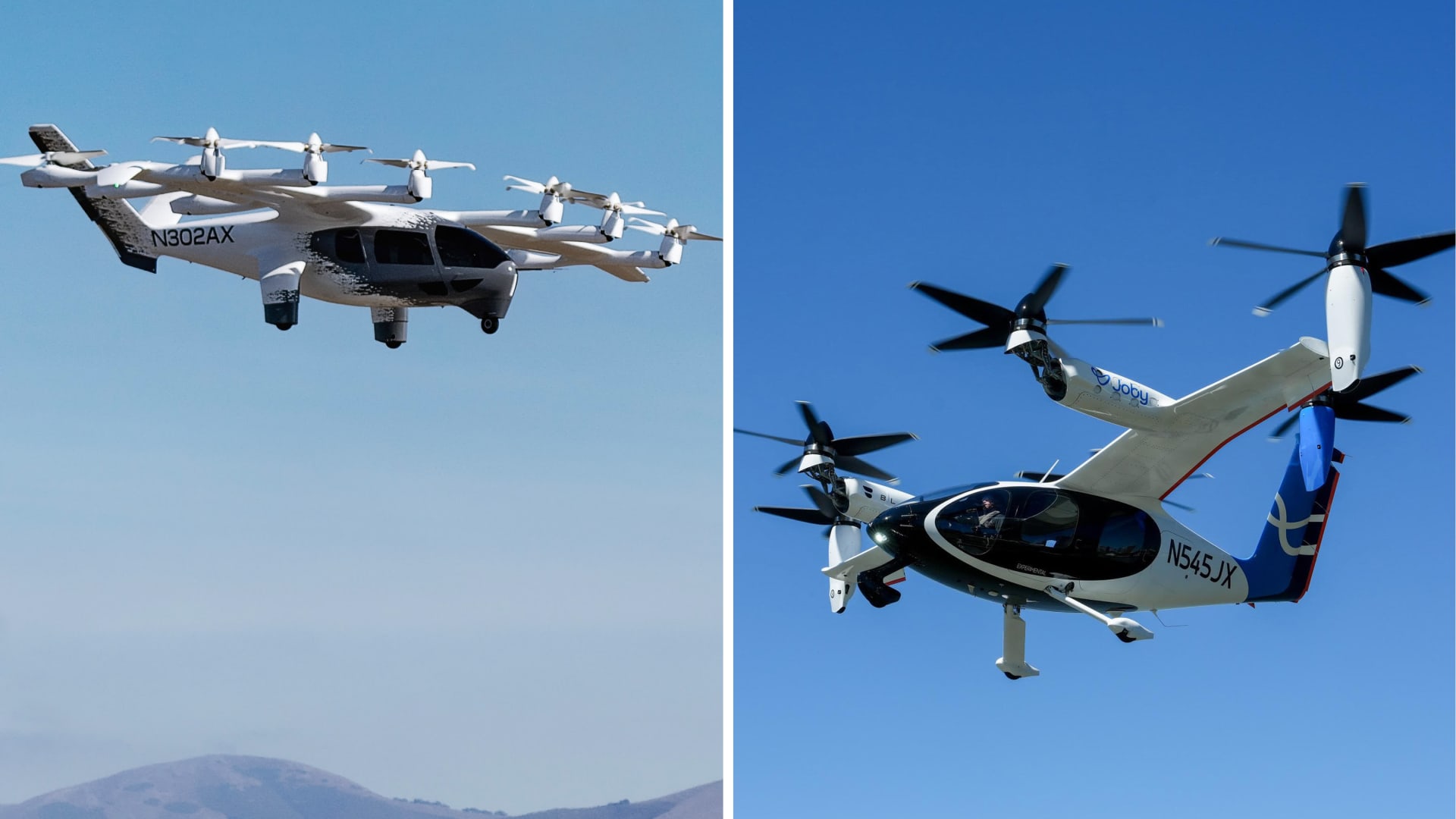
Legal Battles Hinder U.S. eVTOL Industry Progress


- Legal Disputes Impact Development: Joby Aviation's lawsuit against Archer for corporate espionage has led to declining investor confidence in the eVTOL sector, with Archer's stock down 9% this year and losing over a third of its value, indicating the negative impact of legal issues on market sentiment.
- Certification Delays: Despite the Trump administration's eVTOL Integration Pilot Program aimed at accelerating industry growth, ongoing legal battles threaten to prolong certification timelines and increase costs, as warned by H2 Advisors' Mike Hirschberg, which could hinder overall industry progress.
- Intensifying Market Competition: Archer's patent infringement lawsuit against Vertical Aerospace is ongoing, with Vertical claiming the lawsuit is
See More

eVTOL Industry Faces Legal Challenges Amid Certification Delays
- Escalating Legal Disputes: Legal battles among Joby, Archer, and Vertical are intensifying, potentially derailing their certification processes and investor confidence, leading to decreased interest in the electric vertical takeoff and landing (eVTOL) market.
- Stock Price Declines: Archer's stock has dropped 9% this year, losing over a third of its value in the past year, while Vertical has plummeted nearly 58%, and Joby's stock has fallen nearly 7% this year after a 60% surge, indicating a lack of market confidence in the sector.
- Certification Delays: Despite support from Trump's eVTOL Integration Pilot Program, certification timelines are being pushed back due to legal disputes, increasing costs and potentially impacting the overall development of the industry.
- Uncertain Industry Outlook: As multiple eVTOL manufacturers face legal challenges, industry experts warn investors to prepare for a long-term investment, emphasizing that product quality matters more than certification timelines, suggesting that future market competition will be more intense.
See More
Electric Aviation Demonstrations Propel Regional Transport Innovation

- Successful Electric Flight Demonstrations: The electric flight demonstrations at Kissimmee Airport showcased the potential of electric aviation for cargo, medical, and passenger transport, marking a significant step towards the commercialization of electric aviation by BETA, Signature Aviation, and Republic Airways.
- Charging Infrastructure Expansion: Signature Aviation is partnering with BETA to expand charging capabilities across Florida, with the recent installation of a BETA Charge Cube at Kissimmee Airport enabling ultra-fast charging even in hot and humid conditions, thereby enhancing operational efficiency for electric aviation.
- High-Frequency Flight Testing: BETA and Republic Airways conducted 34 high-frequency flight tests in winter conditions, validating the performance of the ALIA CX300 aircraft, with an average energy consumption of $16.80 per flight, demonstrating the feasibility of electric aviation for short-haul missions.
- Strengthened Industry Collaboration: The demonstration event at Orlando International Airport brought together over 120 industry leaders and community stakeholders, highlighting Florida's emerging role in the commercialization of electric aviation and enhancing connectivity between urban and rural communities.
See More

BETA Q1 2026 Earnings Call Transcript
See More

BETA Technologies Q1 Earnings Report Analysis
- Revenue Growth: BETA Technologies reported $10.1 million in revenue for Q1, reflecting a 6% year-over-year increase, indicating the company's ongoing efforts in the electric aviation market amidst gradual recovery in demand despite financial challenges.
- High R&D Expenses: The company incurred $91.7 million in R&D expenses during Q1, resulting in a negative adjusted EBITDA of $97.2 million, highlighting the significant investment in technology development that negatively impacts short-term profitability.
- Increased Backlog: BETA's commercial aircraft backlog rose to $3.9 billion, comprising 991 aircraft, demonstrating strong market demand for its eVTOL aircraft, which may lay the groundwork for future revenue growth.
- Charging Network Expansion: The charging network has expanded to 123 sites, with notable growth in Florida, enhancing the infrastructure for electric aviation and supporting the company's long-term strategic positioning in the electric aviation sector.
See More

BETA Technologies Q1 Earnings Beat Expectations
- Earnings Highlights: BETA Technologies reported a Q1 GAAP EPS of -$0.53, beating expectations by $0.09, indicating a slight improvement in financial performance despite remaining in the red.
- Revenue Growth: The company achieved Q1 revenue of $10.1 million, exceeding expectations by $1.44 million, suggesting a positive market demand that could lay the groundwork for future growth.
- Net Loss Situation: As of March 31, 2026, BETA reported a net loss of $122.3 million and an adjusted EBITDA of -$97.2 million, reflecting challenges in expansion and operational costs, necessitating attention to its long-term profitability.
- Financial Outlook: BETA reaffirms its full-year 2026 revenue guidance of $39 million to $43 million and updates its adjusted EBITDA forecast to a range of -$355 million to -$445 million, indicating a cautious stance on future performance that requires close monitoring of execution capabilities.
See More
Legal Battles Hinder U.S. eVTOL Industry Progress
- Legal Disputes Impact Development: Joby Aviation's lawsuit against Archer for corporate espionage has led to declining investor confidence in the eVTOL sector, with Archer's stock down 9% this year and losing over a third of its value, indicating the negative impact of legal issues on market sentiment.
- Certification Delays: Despite the Trump administration's eVTOL Integration Pilot Program aimed at accelerating industry growth, ongoing legal battles threaten to prolong certification timelines and increase costs, as warned by H2 Advisors' Mike Hirschberg, which could hinder overall industry progress.
- Intensifying Market Competition: Archer's patent infringement lawsuit against Vertical Aerospace is ongoing, with Vertical claiming the lawsuit is
See More
eVTOL Industry Faces Legal Challenges Amid Certification Delays
- Escalating Legal Disputes: Legal battles among Joby, Archer, and Vertical are intensifying, potentially derailing their certification processes and investor confidence, leading to decreased interest in the electric vertical takeoff and landing (eVTOL) market.
- Stock Price Declines: Archer's stock has dropped 9% this year, losing over a third of its value in the past year, while Vertical has plummeted nearly 58%, and Joby's stock has fallen nearly 7% this year after a 60% surge, indicating a lack of market confidence in the sector.
- Certification Delays: Despite support from Trump's eVTOL Integration Pilot Program, certification timelines are being pushed back due to legal disputes, increasing costs and potentially impacting the overall development of the industry.
- Uncertain Industry Outlook: As multiple eVTOL manufacturers face legal challenges, industry experts warn investors to prepare for a long-term investment, emphasizing that product quality matters more than certification timelines, suggesting that future market competition will be more intense.
See More
Electric Aviation Demonstrations Propel Regional Transport Innovation
- Successful Electric Flight Demonstrations: The electric flight demonstrations at Kissimmee Airport showcased the potential of electric aviation for cargo, medical, and passenger transport, marking a significant step towards the commercialization of electric aviation by BETA, Signature Aviation, and Republic Airways.
- Charging Infrastructure Expansion: Signature Aviation is partnering with BETA to expand charging capabilities across Florida, with the recent installation of a BETA Charge Cube at Kissimmee Airport enabling ultra-fast charging even in hot and humid conditions, thereby enhancing operational efficiency for electric aviation.
- High-Frequency Flight Testing: BETA and Republic Airways conducted 34 high-frequency flight tests in winter conditions, validating the performance of the ALIA CX300 aircraft, with an average energy consumption of $16.80 per flight, demonstrating the feasibility of electric aviation for short-haul missions.
- Strengthened Industry Collaboration: The demonstration event at Orlando International Airport brought together over 120 industry leaders and community stakeholders, highlighting Florida's emerging role in the commercialization of electric aviation and enhancing connectivity between urban and rural communities.
See More
BETA Q1 2026 Earnings Call Transcript
See More
BETA Technologies Q1 Earnings Report Analysis
- Revenue Growth: BETA Technologies reported $10.1 million in revenue for Q1, reflecting a 6% year-over-year increase, indicating the company's ongoing efforts in the electric aviation market amidst gradual recovery in demand despite financial challenges.
- High R&D Expenses: The company incurred $91.7 million in R&D expenses during Q1, resulting in a negative adjusted EBITDA of $97.2 million, highlighting the significant investment in technology development that negatively impacts short-term profitability.
- Increased Backlog: BETA's commercial aircraft backlog rose to $3.9 billion, comprising 991 aircraft, demonstrating strong market demand for its eVTOL aircraft, which may lay the groundwork for future revenue growth.
- Charging Network Expansion: The charging network has expanded to 123 sites, with notable growth in Florida, enhancing the infrastructure for electric aviation and supporting the company's long-term strategic positioning in the electric aviation sector.
See More
BETA Technologies Q1 Earnings Beat Expectations
- Earnings Highlights: BETA Technologies reported a Q1 GAAP EPS of -$0.53, beating expectations by $0.09, indicating a slight improvement in financial performance despite remaining in the red.
- Revenue Growth: The company achieved Q1 revenue of $10.1 million, exceeding expectations by $1.44 million, suggesting a positive market demand that could lay the groundwork for future growth.
- Net Loss Situation: As of March 31, 2026, BETA reported a net loss of $122.3 million and an adjusted EBITDA of -$97.2 million, reflecting challenges in expansion and operational costs, necessitating attention to its long-term profitability.
- Financial Outlook: BETA reaffirms its full-year 2026 revenue guidance of $39 million to $43 million and updates its adjusted EBITDA forecast to a range of -$355 million to -$445 million, indicating a cautious stance on future performance that requires close monitoring of execution capabilities.
See More