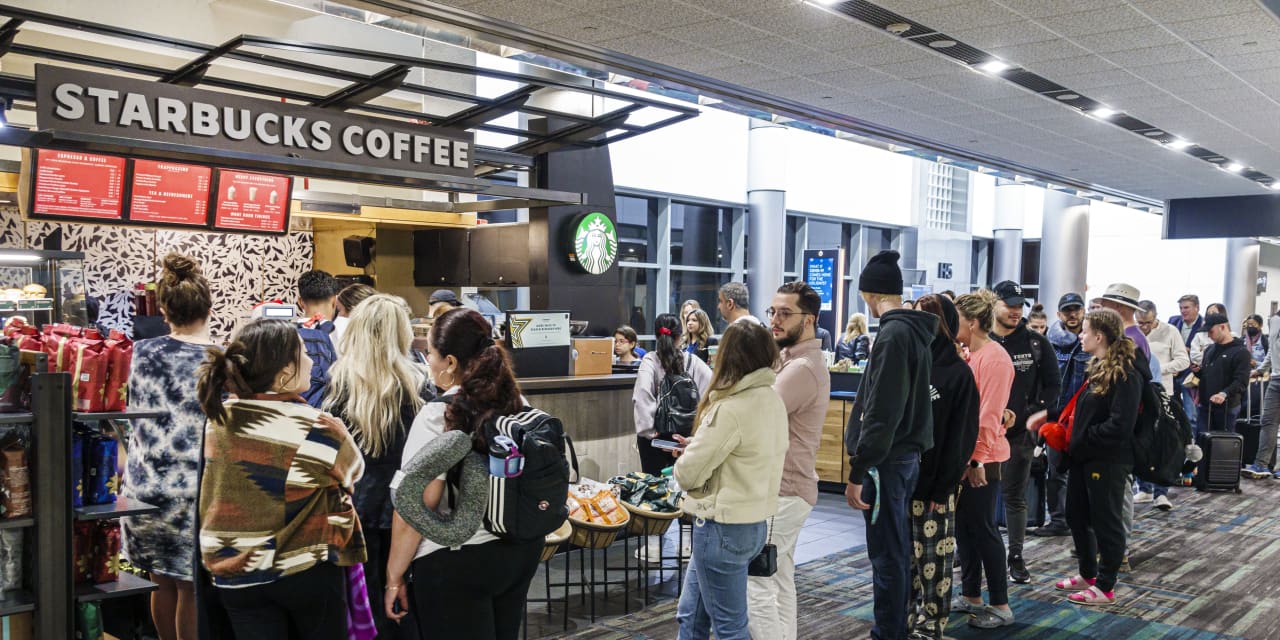
Nasdaq Closes Down, Posts Weekly Decline: Fear & Greed Index Stays in 'Extreme Fear' Territory


Market Sentiment: The CNN Money Fear and Greed index indicates a slight easing in fear levels, remaining in the "Extreme Fear" zone with a reading of 21.1, compared to 18.3 previously.
Stock Performance: U.S. stocks showed mixed results, with the Nasdaq Composite declining by 0.2% and the S&P 500 and Dow also experiencing losses, while Fluor Corp. shares rose over 2% after positive quarterly results.
Economic Concerns: Investor anxiety increased as the University of Michigan's consumer sentiment index fell to its lowest since June 2022, with the subindex for current economic conditions hitting a record low since 1951.
Sector Trends: Most S&P 500 sectors closed positively, particularly energy, utilities, and real estate, while communication services and information technology sectors saw declines; investors are also awaiting earnings reports from major companies.
Trade with 70% Backtested Accuracy
Analyst Views on TSN

About TSN
About the author


Analysis of Consumer Stocks' Resilience Amid Market Challenges
- J.M. Smucker's Strong Performance: J.M. Smucker Co. reported net sales of $2.3 billion in Q4 FY2026, a 6% increase, with adjusted EPS rising 20%, highlighting the brand's robust demand as its Uncrustables surpassed $1 billion in annual sales, indicating significant market potential.
- Tyson Foods' Upgraded Earnings Outlook: Tyson Foods posted an EPS of $0.87 in Q2 FY2026, exceeding the expected $0.78, and raised its full-year chicken segment income forecast to $2.05 billion, reflecting strong performance in a diversified protein market and ongoing growth.
- Hormel Foods' Stable Dividends: Hormel Foods has raised its dividend for over 25 consecutive years, currently yielding nearly 4.8%, with a P/E ratio of approximately 15.5, below the 10-year average of 19, indicating a potential re-rating opportunity that attracts long-term investors.
- Resilience in Consumer Market: Despite overall market challenges, consumer companies like Smucker, Tyson, and Hormel demonstrate strong resilience through innovation and stable dividend policies, appealing to investors seeking safe investment options in uncertain economic conditions.

Consumer Stocks Attract Long-Term Investors Amid Drawdowns
- Smucker's Strong Performance: In Q4 of fiscal 2026, J.M. Smucker Co. reported a 6% increase in net sales to $2.3 billion and a 20% rise in adjusted EPS, with Uncrustables surpassing $1 billion in annual sales and adding 3 million new households, highlighting the brand's strong consumer appeal.
- Tyson Foods Earnings Upgrade: In Q2 of fiscal 2026, Tyson Foods posted an EPS of $0.87, exceeding the expected $0.78, and raised its full-year chicken segment income forecast to $2.05 billion, indicating a recovery potential in the diversified protein market.
- Hormel Foods Dividend Stability: Hormel Foods has raised its dividend for over 25 consecutive years, currently yielding nearly 4.8%, and despite short-term pressures, organic net sales grew 3% in Q2 of fiscal 2026, demonstrating resilience during its restructuring phase.
- Diversification Investment Advantage: In the current market environment, a $5,000 investment diversified across Smucker, Tyson, and Hormel not only mitigates risk but also offers investors the opportunity for long-term returns amid uncertainty.
Analysis of Beyond Meat's Stock Price Collapse


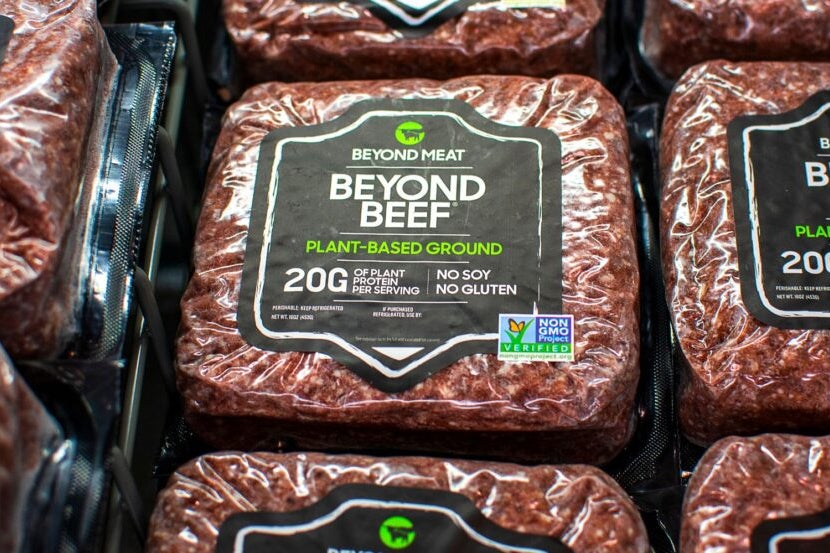
- Revenue Decline: Beyond Meat's revenue has plummeted from $465 million in 2021 to $276 million in 2025, indicating four consecutive years of no growth, which reflects a challenging market environment with declining demand and increased competition.
- Gross Margin Erosion: The company's aggressive markdowns to liquidate inventory have led to a drastic reduction in gross margin from 25.2% in 2021 to 2.8% in 2025, severely impacting profitability and exacerbating its financial struggles.
- Strategic Transformation Challenges: Beyond Meat aims to rebrand itself with new products like
U.S. Consumer Sentiment Rises Amid Energy Price Easing


- Consumer Sentiment Improvement: The University of Michigan's preliminary consumer sentiment index rose to 48.9 in June from a record low of 44.8 in May, indicating cautious optimism among consumers despite being the second-lowest level since the 1970s, reflecting lingering economic concerns.
- Energy Price Impact: A significant drop in oil prices, with U.S. crude down 3.4% to $84.76 per barrel, driven by optimism over a potential U.S.-Iran deal, served as a primary catalyst for the sentiment increase, particularly benefiting middle and lower-income households who are more sensitive to fuel costs.
- Strong Retail Spending: The rise in consumer morale aligns with data showing U.S. retail sales increased in May, driven by e-commerce growth, suggesting that household demand remains robust despite high borrowing costs and uneven inflation, as reported by the National Retail Federation.
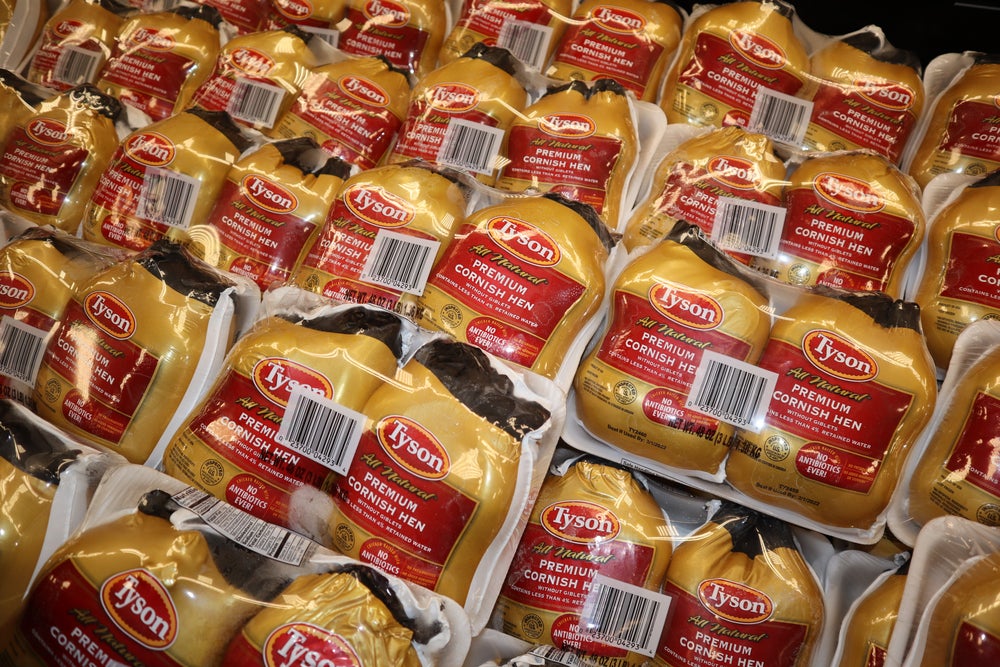
- Divergent Stock Performance: Consumer staples stocks like Tyson Foods and Philip Morris saw slight gains, while consumer discretionary stocks faced pressure, with the Consumer Staples Select Sector SPDR Fund (XLP) rising about 0.1% and the consumer discretionary ETF (XLY) slipping 0.7%, indicating varying market confidence across sectors.

SpaceX IPO Set to Break Records with $75 Billion Valuation

- SpaceX IPO Expectations: SpaceX is set to go public on Friday with a valuation of $75 billion, marking the largest IPO in history, which is expected to inject significant capital into the market, thereby boosting investor confidence and driving growth in related sectors.
- IPO Market Dynamics: So far in 2023, 71 companies have gone public, raising nearly $36 billion, indicating strong demand for emerging enterprises, and SpaceX's IPO is likely to intensify this trend, attracting more investor interest in the tech sector.
- ARK Fund Performance: The ARK Venture Fund holds approximately 11% of SpaceX, with a 4% increase over the past month and over 70% year-to-date, reflecting strong market confidence in SpaceX's growth potential, which may attract more institutional investors.
- Related Stock Performance: Several space-related stocks, such as Iridium Communications and Virgin Galactic, have surged over 100% and 96% in the past three months, respectively, demonstrating investor enthusiasm for the space industry, and SpaceX's IPO is expected to further fuel this investment frenzy.
New World Screwworm Invasion Exacerbates Rising Beef Prices

- Beef Price Surge: The invasion of the New World screwworm has led to a 12.9% year-over-year increase in beef prices, despite a 1.27% decline in May, indicating a persistent upward trend that adds economic pressure on consumers.
- Supply Chain Crisis: The U.S. cattle herd has reached a 75-year low, and the arrival of the screwworm further disrupts ranchers' expansion plans, leading to tight beef supplies and anticipated price increases that will affect consumer purchasing power.
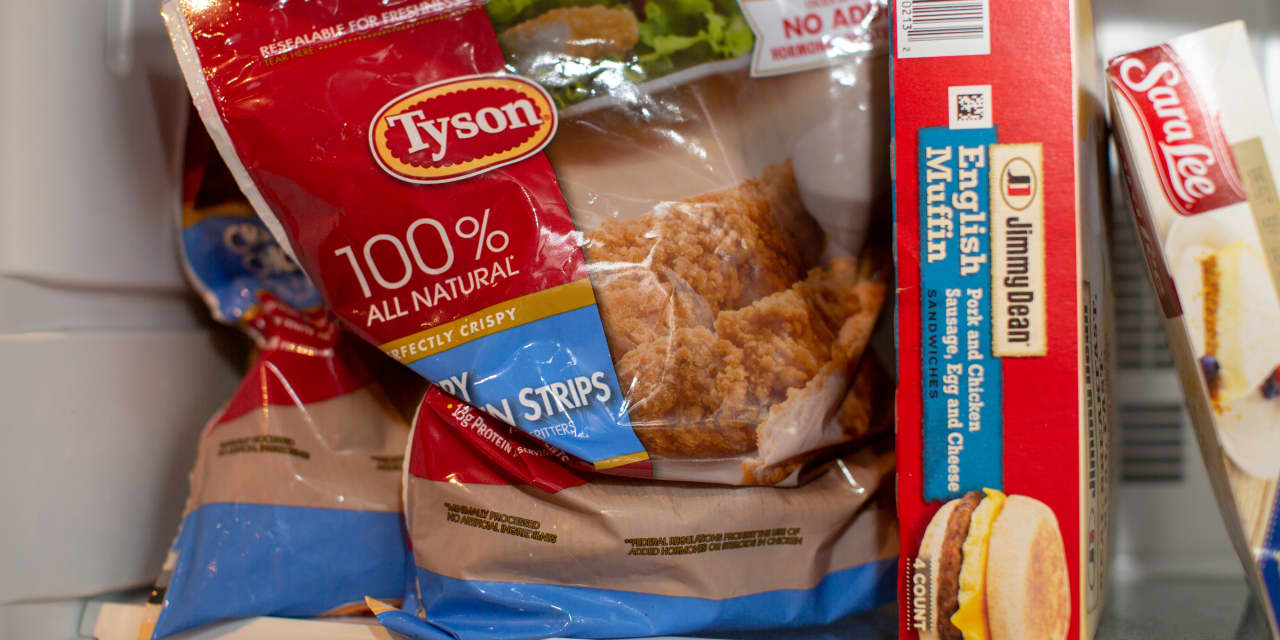
- Increased Demand for Substitutes: Consumers are turning to cheaper meat alternatives like chicken and pork in response to rising beef prices, and while beef demand remains at a 40-year high, this substitution trend may intensify as prices continue to rise.
- Significant Economic Impact: Cattle ranchers face additional labor and veterinary costs, which are expected to significantly impact producers' profits, ultimately passing these costs onto consumers and potentially leading to further increases in grocery beef prices.
Analysis of Consumer Stocks' Resilience Amid Market Challenges
- J.M. Smucker's Strong Performance: J.M. Smucker Co. reported net sales of $2.3 billion in Q4 FY2026, a 6% increase, with adjusted EPS rising 20%, highlighting the brand's robust demand as its Uncrustables surpassed $1 billion in annual sales, indicating significant market potential.
- Tyson Foods' Upgraded Earnings Outlook: Tyson Foods posted an EPS of $0.87 in Q2 FY2026, exceeding the expected $0.78, and raised its full-year chicken segment income forecast to $2.05 billion, reflecting strong performance in a diversified protein market and ongoing growth.
- Hormel Foods' Stable Dividends: Hormel Foods has raised its dividend for over 25 consecutive years, currently yielding nearly 4.8%, with a P/E ratio of approximately 15.5, below the 10-year average of 19, indicating a potential re-rating opportunity that attracts long-term investors.
- Resilience in Consumer Market: Despite overall market challenges, consumer companies like Smucker, Tyson, and Hormel demonstrate strong resilience through innovation and stable dividend policies, appealing to investors seeking safe investment options in uncertain economic conditions.
Consumer Stocks Attract Long-Term Investors Amid Drawdowns
- Smucker's Strong Performance: In Q4 of fiscal 2026, J.M. Smucker Co. reported a 6% increase in net sales to $2.3 billion and a 20% rise in adjusted EPS, with Uncrustables surpassing $1 billion in annual sales and adding 3 million new households, highlighting the brand's strong consumer appeal.
- Tyson Foods Earnings Upgrade: In Q2 of fiscal 2026, Tyson Foods posted an EPS of $0.87, exceeding the expected $0.78, and raised its full-year chicken segment income forecast to $2.05 billion, indicating a recovery potential in the diversified protein market.
- Hormel Foods Dividend Stability: Hormel Foods has raised its dividend for over 25 consecutive years, currently yielding nearly 4.8%, and despite short-term pressures, organic net sales grew 3% in Q2 of fiscal 2026, demonstrating resilience during its restructuring phase.
- Diversification Investment Advantage: In the current market environment, a $5,000 investment diversified across Smucker, Tyson, and Hormel not only mitigates risk but also offers investors the opportunity for long-term returns amid uncertainty.
Analysis of Beyond Meat's Stock Price Collapse
- Revenue Decline: Beyond Meat's revenue has plummeted from $465 million in 2021 to $276 million in 2025, indicating four consecutive years of no growth, which reflects a challenging market environment with declining demand and increased competition.
- Gross Margin Erosion: The company's aggressive markdowns to liquidate inventory have led to a drastic reduction in gross margin from 25.2% in 2021 to 2.8% in 2025, severely impacting profitability and exacerbating its financial struggles.
- Strategic Transformation Challenges: Beyond Meat aims to rebrand itself with new products like
U.S. Consumer Sentiment Rises Amid Energy Price Easing
- Consumer Sentiment Improvement: The University of Michigan's preliminary consumer sentiment index rose to 48.9 in June from a record low of 44.8 in May, indicating cautious optimism among consumers despite being the second-lowest level since the 1970s, reflecting lingering economic concerns.
- Energy Price Impact: A significant drop in oil prices, with U.S. crude down 3.4% to $84.76 per barrel, driven by optimism over a potential U.S.-Iran deal, served as a primary catalyst for the sentiment increase, particularly benefiting middle and lower-income households who are more sensitive to fuel costs.
- Strong Retail Spending: The rise in consumer morale aligns with data showing U.S. retail sales increased in May, driven by e-commerce growth, suggesting that household demand remains robust despite high borrowing costs and uneven inflation, as reported by the National Retail Federation.
- Divergent Stock Performance: Consumer staples stocks like Tyson Foods and Philip Morris saw slight gains, while consumer discretionary stocks faced pressure, with the Consumer Staples Select Sector SPDR Fund (XLP) rising about 0.1% and the consumer discretionary ETF (XLY) slipping 0.7%, indicating varying market confidence across sectors.
SpaceX IPO Set to Break Records with $75 Billion Valuation
- SpaceX IPO Expectations: SpaceX is set to go public on Friday with a valuation of $75 billion, marking the largest IPO in history, which is expected to inject significant capital into the market, thereby boosting investor confidence and driving growth in related sectors.
- IPO Market Dynamics: So far in 2023, 71 companies have gone public, raising nearly $36 billion, indicating strong demand for emerging enterprises, and SpaceX's IPO is likely to intensify this trend, attracting more investor interest in the tech sector.
- ARK Fund Performance: The ARK Venture Fund holds approximately 11% of SpaceX, with a 4% increase over the past month and over 70% year-to-date, reflecting strong market confidence in SpaceX's growth potential, which may attract more institutional investors.
- Related Stock Performance: Several space-related stocks, such as Iridium Communications and Virgin Galactic, have surged over 100% and 96% in the past three months, respectively, demonstrating investor enthusiasm for the space industry, and SpaceX's IPO is expected to further fuel this investment frenzy.
New World Screwworm Invasion Exacerbates Rising Beef Prices
- Beef Price Surge: The invasion of the New World screwworm has led to a 12.9% year-over-year increase in beef prices, despite a 1.27% decline in May, indicating a persistent upward trend that adds economic pressure on consumers.
- Supply Chain Crisis: The U.S. cattle herd has reached a 75-year low, and the arrival of the screwworm further disrupts ranchers' expansion plans, leading to tight beef supplies and anticipated price increases that will affect consumer purchasing power.
- Increased Demand for Substitutes: Consumers are turning to cheaper meat alternatives like chicken and pork in response to rising beef prices, and while beef demand remains at a 40-year high, this substitution trend may intensify as prices continue to rise.
- Significant Economic Impact: Cattle ranchers face additional labor and veterinary costs, which are expected to significantly impact producers' profits, ultimately passing these costs onto consumers and potentially leading to further increases in grocery beef prices.