Missouri Introduces Sports Betting Amid Growing Pressure on Remaining Holdouts
Missouri Sports Betting Launch: Missouri officially launched legal sports betting on December 1, 2024, with an expected first-year handle of $3.5 billion to $4.0 billion, supported by national brands and local partnerships.
Regulatory Framework: The legalization, driven by voter-approved Amendment 2, allows for up to 14 online licenses, with the Missouri Gaming Commission overseeing licensing and compliance.
Market Competition: Major online operators like bet365, BetMGM, and DraftKings are expected to launch, utilizing aggressive promotions to capture market share during a busy sports calendar.
Future of Sports Betting: Analysts predict that all 50 states may legalize sports betting within five years, influenced by the rise of prediction market platforms and ongoing legislative efforts in various states.
Trade with 70% Backtested Accuracy
Analyst Views on BETZ
About the author


DKNG and FLUT Hit Multi-Year Lows as Analyst Cautions on Potential Delay in Prediction Market Regulation


Stock Performance: DraftKings' stock dropped 8% and Flutter's stock declined 4%, reaching their lowest levels in nearly three years, as investors reacted to regulatory updates affecting prediction market platforms.
Regulatory Challenges: New bills targeting prediction markets have been introduced in the U.S. Congress, with concerns that they may not pass in the current legislative session, potentially impacting companies like DraftKings and Flutter.
Legal Issues: DraftKings and Flutter are facing lawsuits related to product liability and marketing practices, including allegations of promoting addictive gambling behaviors through modern technology.
Market Sentiment: Retail sentiment for DraftKings has turned "extremely bearish," with significant year-to-date declines of nearly 38% for DraftKings and 52% for Flutter, as traders express concerns over regulatory hurdles and market competition.
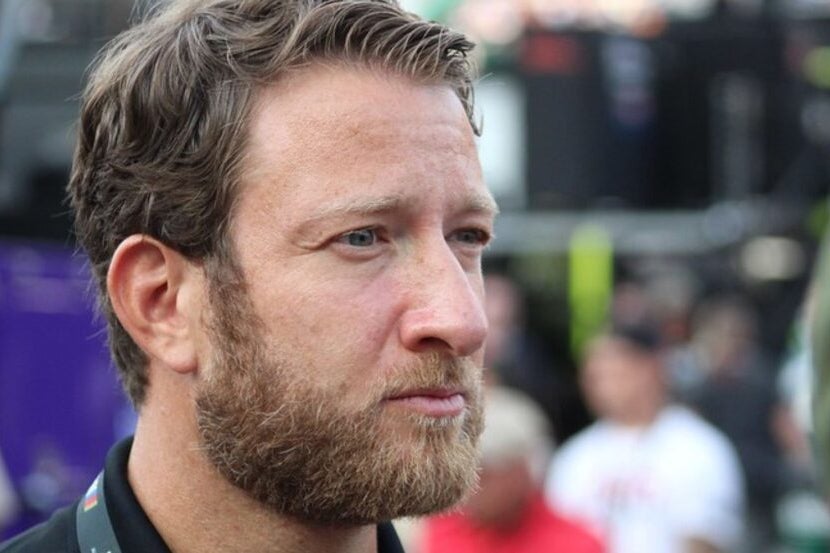
DKNG Rises 7% in Pre-Market as Retail Investors Celebrate Senate Bill Aimed at New Betting Competitors and Excite Over 'Super App' Prospects

Legislation Impact: A new bill limits offshore competitors, providing DraftKings with a federally backed advantage while increasing oversight of prediction markets to protect consumers and states.
DraftKings' Growth Strategy: DraftKings plans to launch a "Super App" that integrates various services, including sports betting and social engagement, aiming for significant revenue growth by 2030.
Market Positioning: The legislation aims to strengthen the market position of regulated sports books like DraftKings by restricting competition from unregulated offshore markets.
Investor Sentiment: Despite a year-to-date decline in DraftKings' stock, investor optimism is rising due to the anticipated benefits of the Super App and the recent legislative changes.

Gaming companies make a final push to overturn law taxing 'phantom' earnings.

Gambling Loss Deductibility Changes: A new law set to take effect on January 1, 2026, will limit the deductibility of gambling losses to 90%, prompting concerns from lawmakers and industry groups about the potential negative impact on high-volume and professional bettors.
Phantom Income Tax Concerns: Gamblers who break even could still face taxes on "phantom" winnings, which may drive high-stakes gamblers to illegal offshore operators and discourage overall participation in legal betting, potentially harming casino and sportsbook revenues.
Legislative Efforts for Repeal: Representative Dina Titus has introduced the FAIR BET Act to restore full deductibility of gambling losses, arguing that the 90% cap forces taxpayers to pay taxes on income they do not actually retain.
Industry Support for Repeal: Major casino CEOs have collaborated with the American Gaming Association to rally support against the 90% cap, emphasizing the need to prevent it from becoming law during year-end tax negotiations.
New York City Takes Center Stage as Casino License Decision Day Approaches

Casino License Awards: New York is set to award up to three casino licenses for the NYC region on December 1, with a public meeting scheduled at the CUNY Graduate Center.
Community Review Impact: High-profile bids like Caesars Palace Times Square withdrew due to local opposition, leading to only three remaining contenders: Resorts World New York City, Bally's Bronx project, and the Metropolitan Park casino.
Projected Opening Dates: If awarded a license, Resorts World could start gambling by mid-2026, while the other two projects are not expected to open until around 2030.
Market Context: The article also touches on the performance of casino stocks and the broader gaming market, including the recovery in Macau and the launch of sports betting in Missouri.
Missouri Introduces Sports Betting Amid Growing Pressure on Remaining Holdouts
Missouri Sports Betting Launch: Missouri officially launched legal sports betting on December 1, 2024, with an expected first-year handle of $3.5 billion to $4.0 billion, supported by national brands and local partnerships.
Regulatory Framework: The legalization, driven by voter-approved Amendment 2, allows for up to 14 online licenses, with the Missouri Gaming Commission overseeing licensing and compliance.
Market Competition: Major online operators like bet365, BetMGM, and DraftKings are expected to launch, utilizing aggressive promotions to capture market share during a busy sports calendar.
Future of Sports Betting: Analysts predict that all 50 states may legalize sports betting within five years, influenced by the rise of prediction market platforms and ongoing legislative efforts in various states.
From Favorites to Longshots: Introducing the Key Contenders in Missouri's Sports Betting Competition
Launch of Legal Sports Betting: Missouri will launch legal sports betting statewide on December 1, 2024, with an expected first-year handle of $3.5 billion to $4.0 billion, driven by competitive online markets and aggressive promotions from major brands.
Licensing and Market Access: The Missouri Gaming Commission will oversee up to 14 online licenses and numerous retail licenses, with major players like DraftKings, FanDuel, and BetMGM expected to lead the market, leveraging partnerships with local teams and casinos.
Key Players and Strategies: DraftKings and Circa Sports hold untethered licenses, allowing them to operate without casino partnerships, while FanDuel is anticipated to dominate market share through its national presence and innovative betting options.
Emerging Competitors: Other notable entrants include bet365, Fanatics, and Underdog Sports, each employing unique strategies such as merchandise integration and modern tech to enhance user experience in the competitive landscape.
DKNG and FLUT Hit Multi-Year Lows as Analyst Cautions on Potential Delay in Prediction Market Regulation
Stock Performance: DraftKings' stock dropped 8% and Flutter's stock declined 4%, reaching their lowest levels in nearly three years, as investors reacted to regulatory updates affecting prediction market platforms.
Regulatory Challenges: New bills targeting prediction markets have been introduced in the U.S. Congress, with concerns that they may not pass in the current legislative session, potentially impacting companies like DraftKings and Flutter.
Legal Issues: DraftKings and Flutter are facing lawsuits related to product liability and marketing practices, including allegations of promoting addictive gambling behaviors through modern technology.
Market Sentiment: Retail sentiment for DraftKings has turned "extremely bearish," with significant year-to-date declines of nearly 38% for DraftKings and 52% for Flutter, as traders express concerns over regulatory hurdles and market competition.
DKNG Rises 7% in Pre-Market as Retail Investors Celebrate Senate Bill Aimed at New Betting Competitors and Excite Over 'Super App' Prospects
Legislation Impact: A new bill limits offshore competitors, providing DraftKings with a federally backed advantage while increasing oversight of prediction markets to protect consumers and states.
DraftKings' Growth Strategy: DraftKings plans to launch a "Super App" that integrates various services, including sports betting and social engagement, aiming for significant revenue growth by 2030.
Market Positioning: The legislation aims to strengthen the market position of regulated sports books like DraftKings by restricting competition from unregulated offshore markets.
Investor Sentiment: Despite a year-to-date decline in DraftKings' stock, investor optimism is rising due to the anticipated benefits of the Super App and the recent legislative changes.
Gaming companies make a final push to overturn law taxing 'phantom' earnings.
Gambling Loss Deductibility Changes: A new law set to take effect on January 1, 2026, will limit the deductibility of gambling losses to 90%, prompting concerns from lawmakers and industry groups about the potential negative impact on high-volume and professional bettors.
Phantom Income Tax Concerns: Gamblers who break even could still face taxes on "phantom" winnings, which may drive high-stakes gamblers to illegal offshore operators and discourage overall participation in legal betting, potentially harming casino and sportsbook revenues.
Legislative Efforts for Repeal: Representative Dina Titus has introduced the FAIR BET Act to restore full deductibility of gambling losses, arguing that the 90% cap forces taxpayers to pay taxes on income they do not actually retain.
Industry Support for Repeal: Major casino CEOs have collaborated with the American Gaming Association to rally support against the 90% cap, emphasizing the need to prevent it from becoming law during year-end tax negotiations.
New York City Takes Center Stage as Casino License Decision Day Approaches
Casino License Awards: New York is set to award up to three casino licenses for the NYC region on December 1, with a public meeting scheduled at the CUNY Graduate Center.
Community Review Impact: High-profile bids like Caesars Palace Times Square withdrew due to local opposition, leading to only three remaining contenders: Resorts World New York City, Bally's Bronx project, and the Metropolitan Park casino.
Projected Opening Dates: If awarded a license, Resorts World could start gambling by mid-2026, while the other two projects are not expected to open until around 2030.
Market Context: The article also touches on the performance of casino stocks and the broader gaming market, including the recovery in Macau and the launch of sports betting in Missouri.
Missouri Introduces Sports Betting Amid Growing Pressure on Remaining Holdouts
Missouri Sports Betting Launch: Missouri officially launched legal sports betting on December 1, 2024, with an expected first-year handle of $3.5 billion to $4.0 billion, supported by national brands and local partnerships.
Regulatory Framework: The legalization, driven by voter-approved Amendment 2, allows for up to 14 online licenses, with the Missouri Gaming Commission overseeing licensing and compliance.
Market Competition: Major online operators like bet365, BetMGM, and DraftKings are expected to launch, utilizing aggressive promotions to capture market share during a busy sports calendar.
Future of Sports Betting: Analysts predict that all 50 states may legalize sports betting within five years, influenced by the rise of prediction market platforms and ongoing legislative efforts in various states.
From Favorites to Longshots: Introducing the Key Contenders in Missouri's Sports Betting Competition
Launch of Legal Sports Betting: Missouri will launch legal sports betting statewide on December 1, 2024, with an expected first-year handle of $3.5 billion to $4.0 billion, driven by competitive online markets and aggressive promotions from major brands.
Licensing and Market Access: The Missouri Gaming Commission will oversee up to 14 online licenses and numerous retail licenses, with major players like DraftKings, FanDuel, and BetMGM expected to lead the market, leveraging partnerships with local teams and casinos.
Key Players and Strategies: DraftKings and Circa Sports hold untethered licenses, allowing them to operate without casino partnerships, while FanDuel is anticipated to dominate market share through its national presence and innovative betting options.
Emerging Competitors: Other notable entrants include bet365, Fanatics, and Underdog Sports, each employing unique strategies such as merchandise integration and modern tech to enhance user experience in the competitive landscape.