<Midday Update> HSI Falls 272 Points; HSTI Declines by 96 Points; BABA Drops More Than 4%; CHINAHONGQIAO, CHINA LIFE, NANSHAN AL INTL, ND PAPER, CMOC Reach New Peaks


Market Performance: The Hang Seng Index (HSI) fell by 272 points (1.0%) to 26,438, while the Hang Seng Tech Index (HSTI) and the Hang Seng China Enterprises Index (HSCEI) also experienced declines of 1.7% and 1.1%, respectively.
Active Heavyweights: Major stocks like Alibaba, Meituan, Tencent, and Xiaomi saw significant drops, with Alibaba down 4% and Tencent down nearly 2%, amidst high short selling ratios.
Gainers in the Market: Wuxi Apptec and Chinahongqiao were among the notable gainers, with Wuxi Apptec rising 3.97% and Chinahongqiao hitting a new high with a 3.8% increase.
Notable Movers: Nanshan Al Intl and TYK Medicines-B experienced substantial gains, with Nanshan Al Intl up 14.5% and TYK Medicines-B up 11.1%, both reaching new highs.
Trade with 70% Backtested Accuracy
Analyst Views on 00700

About the author

HSI Drops 876 Points or 3.5% at Midday; Gold, Silver, and Resource Stocks Fall; Certain Auto Stocks Still Gain


Market Overview: The Hang Seng Index (HSI) fell 3.5% to 24,400, with significant declines in the HSCEI and HSTECH, reflecting a total market turnover of HKD192.375 billion.
Tech Sector Performance: Major tech stocks like TENCENT, BABA-W, and MEITUAN-W experienced declines of 1.9% to 3.7%, with high short selling ratios indicating bearish sentiment.
Gold and Silver Stocks: Gold and silver stocks faced substantial losses, with companies like CHINAGOLDINTL and ZHAOJIN MINING dropping 4.5% to 6.2%, while ZIJIN MINING reported a profit increase but still saw a 5.4% decline.
Auto Sector Trends: BYD COMPANY and XPENG-W showed slight gains, while other auto stocks like XIAOMI-W and NIO-SW fell between 3.9% and 5.1%, indicating mixed performance in the sector.
UBS: Tencent's AI Investments Set Stage for Long-Term Growth; Rating Maintained at Buy

UBS Report on TENCENT: UBS recently met with TENCENT's management to discuss AI development and monetization models, believing the company is well-positioned for long-term growth with an underestimated potential in AI.
Investment Ratings: UBS reiterated TENCENT as a top pick with a Buy rating and a target price of $780, while Citi also lifted its target price to $787, expecting resilience in TENCENT's core business.
AI Development Challenges: TENCENT's Weixin agent faces challenges such as limited model capabilities, data privacy concerns, and economic model difficulties, but the upcoming Hunyuan 3.0 model is anticipated to be a significant advancement.
TENCENT's Strengths: The company's strengths include its popular platforms WeChat and QQ, which serve as natural interfaces for AI, along with its cross-platform capabilities and expertise in security software.
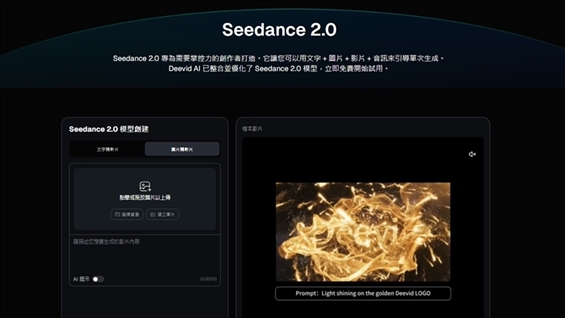
CICC Study: Agent Rise Will Not Significantly Alter Mainstream Online Content Platforms

Release of Seedance 2.0: ByteDance launched its AI video generation model Seedance 2.0 in February, showcasing advanced capabilities in full-modal input/output and narrative consistency, quickly gaining global attention.
Impact on Content Platforms: CICC reports that while AIGC tools like Seedance 2.0 may enhance efficiency and lower content creation barriers, they are unlikely to significantly disrupt mainstream online content platforms due to differing consumption scenarios.
Market Dynamics: The rise of AIGC tools could stabilize oversupplied markets like short videos while potentially increasing demand in undersupplied areas such as long videos and music, possibly leading to the emergence of new platforms.
Stock Market Reactions: Various companies in the tech and entertainment sectors, including Tencent and Kuaishou, are experiencing fluctuations in stock prices and short selling activity, reflecting investor sentiment amid the shift towards AI-driven products.
Nomura Lowers TENCENT's Target Price to HKD727 and Reduces Net Profit Projections Amid Rising AI Investments
Investment in AI: TENCENT plans to significantly increase its investment in AI products this year, with a budget exceeding RMB36 billion, which is over 4% of the market's revenue forecast for 2026.
Cloud Business Growth: The company's cloud revenue growth is expected to accelerate from 16% last year to 20% this year, indicating a strategic shift in its cloud business.
Profit Margin and Forecast Adjustments: Due to the increased AI investment, TENCENT's non-GAAP operating profit margin is projected to decline slightly, leading to a slowdown in operating profit growth to 9%, while revenue growth is forecasted at 10%.
Rating and Target Price Update: Nomura has reduced its non-GAAP net profit forecasts for TENCENT for 2026-27 by 3% and 1%, respectively, while maintaining a Buy rating but lowering the target price from HKD775 to HKD727.

HSI Declines by 488 Points as Commodity Stocks Fall; CHIFENG GOLD Drops 19%

Market Opening: The HSI opened 1.9% lower at 24,789, with the HSCEI down 1.6% at 8,433 and HSTECH down 1.9% at 4,780.
Tech Stock Performance: Major tech stocks like TENCENT, BABA-W, and JD-SW experienced declines, with short selling ratios indicating significant market pressure.
Commodities Stocks Decline: Commodities stocks, including ZHAOJIN MINING and CHINAGOLDINTL, saw notable decreases, despite some companies reporting increased profits.
Short Selling Trends: A variety of stocks faced heavy short selling, with ratios for several companies exceeding 15%, reflecting bearish sentiment in the market.
TENCENT Shuts Down AI Lab and Reorganizes AI Division
AI Lab Disbandment: Tencent has announced the disbandment of its AI Lab, with personnel reassigned to the Large Language Model Department and the Industry-Academia-Research Collaboration Center.
Leadership Changes: Vice President Jiang Jie will no longer lead the AI Lab, while other positions remain unchanged, and some staff will join the Hunyuan team under Yao Shunyu.
Team Restructuring: Tencent President Martin Lau highlighted ongoing upgrades and restructuring within the team to enhance robustness and rationalize workflows, focusing on pre-training and reinforcement learning infrastructure.
Hunyuan Model Testing: The Hunyuan Large Model 3.0 is currently in internal testing, with plans to gradually open it to the public in April.
HSI Drops 876 Points or 3.5% at Midday; Gold, Silver, and Resource Stocks Fall; Certain Auto Stocks Still Gain
Market Overview: The Hang Seng Index (HSI) fell 3.5% to 24,400, with significant declines in the HSCEI and HSTECH, reflecting a total market turnover of HKD192.375 billion.
Tech Sector Performance: Major tech stocks like TENCENT, BABA-W, and MEITUAN-W experienced declines of 1.9% to 3.7%, with high short selling ratios indicating bearish sentiment.
Gold and Silver Stocks: Gold and silver stocks faced substantial losses, with companies like CHINAGOLDINTL and ZHAOJIN MINING dropping 4.5% to 6.2%, while ZIJIN MINING reported a profit increase but still saw a 5.4% decline.
Auto Sector Trends: BYD COMPANY and XPENG-W showed slight gains, while other auto stocks like XIAOMI-W and NIO-SW fell between 3.9% and 5.1%, indicating mixed performance in the sector.
UBS: Tencent's AI Investments Set Stage for Long-Term Growth; Rating Maintained at Buy
UBS Report on TENCENT: UBS recently met with TENCENT's management to discuss AI development and monetization models, believing the company is well-positioned for long-term growth with an underestimated potential in AI.
Investment Ratings: UBS reiterated TENCENT as a top pick with a Buy rating and a target price of $780, while Citi also lifted its target price to $787, expecting resilience in TENCENT's core business.
AI Development Challenges: TENCENT's Weixin agent faces challenges such as limited model capabilities, data privacy concerns, and economic model difficulties, but the upcoming Hunyuan 3.0 model is anticipated to be a significant advancement.
TENCENT's Strengths: The company's strengths include its popular platforms WeChat and QQ, which serve as natural interfaces for AI, along with its cross-platform capabilities and expertise in security software.
CICC Study: Agent Rise Will Not Significantly Alter Mainstream Online Content Platforms
Release of Seedance 2.0: ByteDance launched its AI video generation model Seedance 2.0 in February, showcasing advanced capabilities in full-modal input/output and narrative consistency, quickly gaining global attention.
Impact on Content Platforms: CICC reports that while AIGC tools like Seedance 2.0 may enhance efficiency and lower content creation barriers, they are unlikely to significantly disrupt mainstream online content platforms due to differing consumption scenarios.
Market Dynamics: The rise of AIGC tools could stabilize oversupplied markets like short videos while potentially increasing demand in undersupplied areas such as long videos and music, possibly leading to the emergence of new platforms.
Stock Market Reactions: Various companies in the tech and entertainment sectors, including Tencent and Kuaishou, are experiencing fluctuations in stock prices and short selling activity, reflecting investor sentiment amid the shift towards AI-driven products.
Nomura Lowers TENCENT's Target Price to HKD727 and Reduces Net Profit Projections Amid Rising AI Investments
Investment in AI: TENCENT plans to significantly increase its investment in AI products this year, with a budget exceeding RMB36 billion, which is over 4% of the market's revenue forecast for 2026.
Cloud Business Growth: The company's cloud revenue growth is expected to accelerate from 16% last year to 20% this year, indicating a strategic shift in its cloud business.
Profit Margin and Forecast Adjustments: Due to the increased AI investment, TENCENT's non-GAAP operating profit margin is projected to decline slightly, leading to a slowdown in operating profit growth to 9%, while revenue growth is forecasted at 10%.
Rating and Target Price Update: Nomura has reduced its non-GAAP net profit forecasts for TENCENT for 2026-27 by 3% and 1%, respectively, while maintaining a Buy rating but lowering the target price from HKD775 to HKD727.
HSI Declines by 488 Points as Commodity Stocks Fall; CHIFENG GOLD Drops 19%
Market Opening: The HSI opened 1.9% lower at 24,789, with the HSCEI down 1.6% at 8,433 and HSTECH down 1.9% at 4,780.
Tech Stock Performance: Major tech stocks like TENCENT, BABA-W, and JD-SW experienced declines, with short selling ratios indicating significant market pressure.
Commodities Stocks Decline: Commodities stocks, including ZHAOJIN MINING and CHINAGOLDINTL, saw notable decreases, despite some companies reporting increased profits.
Short Selling Trends: A variety of stocks faced heavy short selling, with ratios for several companies exceeding 15%, reflecting bearish sentiment in the market.
TENCENT Shuts Down AI Lab and Reorganizes AI Division
AI Lab Disbandment: Tencent has announced the disbandment of its AI Lab, with personnel reassigned to the Large Language Model Department and the Industry-Academia-Research Collaboration Center.
Leadership Changes: Vice President Jiang Jie will no longer lead the AI Lab, while other positions remain unchanged, and some staff will join the Hunyuan team under Yao Shunyu.
Team Restructuring: Tencent President Martin Lau highlighted ongoing upgrades and restructuring within the team to enhance robustness and rationalize workflows, focusing on pre-training and reinforcement learning infrastructure.
Hunyuan Model Testing: The Hunyuan Large Model 3.0 is currently in internal testing, with plans to gradually open it to the public in April.