

June Jobs Data Puts Focus on Healthcare ETFs & Stocks
Written by Emily J. Thompson, Senior Investment Analyst
Updated: Jul 07 2025
0mins


Source: NASDAQ.COM
U.S. Job Market Overview: Nonfarm payrolls increased by 147,000 in June 2025, with the unemployment rate decreasing to 4.1%, indicating labor market stability despite a slight decline in the overall labor force.
Healthcare Sector Insights: The healthcare sector added 39,000 jobs in June, with ETFs like Health Care Select Sector SPDR ETF (XLV) and iShares U.S. Healthcare Providers ETF (IHF) highlighted for potential investment opportunities amidst ongoing changes in healthcare coverage.
Trade with 70% Backtested Accuracy
Stop guessing "Should I Buy OHI?" and start using high-conviction signals backed by rigorous historical data.
Sign up today to access powerful investing tools and make smarter, data-driven decisions.
Analyst Views on OHI
Wall Street analysts forecast OHI stock price to fall
9 Analyst Rating
4 Buy
5 Hold
0 Sell
Moderate Buy
Current: 49.020

Low
42.00
Averages
46.44
High
50.00
Current: 49.020
Low
42.00
Averages
46.44
High
50.00
About OHI
Omega Healthcare Investors, Inc. is a real estate investment trust (REIT). The Company operates through a single segment, which invests in healthcare-related real estate properties located in the United States and the United Kingdom. Its core business is to provide financing and capital to the long-term healthcare industry with a particular focus on skilled nursing facilities (SNFs), assisted living facilities (ALFs), and to a lesser extent, independent living facilities (ILFs), rehabilitation and acute care facilities (specialty facilities) and medical office buildings (MOBs). Its core portfolio consists of its long-term leases and real estate loans with healthcare operating companies and affiliates. In addition, the Company makes loans to operators and/or their principals. The Company's portfolio of real estate investments includes over 1,026 healthcare facilities, located in 42 states and the United Kingdom that are operated by 87 third-party operators.
About the author

Emily J. Thompson
Emily J. Thompson, a Chartered Financial Analyst (CFA) with 12 years in investment research, graduated with honors from the Wharton School. Specializing in industrial and technology stocks, she provides in-depth analysis for Intellectia’s earnings and market brief reports.

Omega Healthcare to Release Q2 2026 Earnings Results

- Earnings Release Schedule: Omega Healthcare Investors, Inc. is set to release its earnings results for the quarter ending June 30, 2026, on July 29, 2026, after market close, reflecting the company's ongoing investments and operational status in the long-term healthcare sector.
- Conference Call Timing: The company will hold a conference call on July 30, 2026, at 10 a.m. Eastern Time to review its Q2 performance and current developments, aiming to bolster investor confidence in the company's future prospects.
- Diverse Participation Options: Investors can join the meeting via the company’s website or webcast, with telephone participants advised to dial in 15 minutes early to ensure connectivity, demonstrating the company's commitment to effective investor communication.
- Portfolio Overview: As a real estate investment trust, Omega focuses on the long-term healthcare industry, with assets spanning the US, UK, and Canada, primarily operating under a triple-net lease structure, showcasing its extensive footprint in healthcare facilities.
See More

Omega Healthcare Investors Shares Decline for Seven Consecutive Sessions
- Stock Price Decline: Omega Healthcare Investors (OHI) shares have experienced a continuous decline over seven trading sessions, closing down over 1% at $43.59 on Thursday, with an approximate 8% drop in the preceding six sessions, indicating market concerns about its short-term performance.
- Relative Market Performance: Although OHI's stock has seen a slight increase this year, it lags behind the S&P 500's 10% rise, with a more than 5% decline over the past month, reflecting a lack of investor confidence in its prospects.
- Analyst Ratings Optimistic: Despite the stock's downturn, analysts remain bullish on OHI, with Seeking Alpha's Quant Rating at 4.20 out of 5, where the profitability outlook received an A rating, suggesting strong long-term potential despite current challenges.
- Management Change: In May, OHI appointed Matthew Gourmand as CEO, succeeding retiring CEO Taylor Pickett, a move that could bring new strategic direction and growth opportunities for the company.
See More
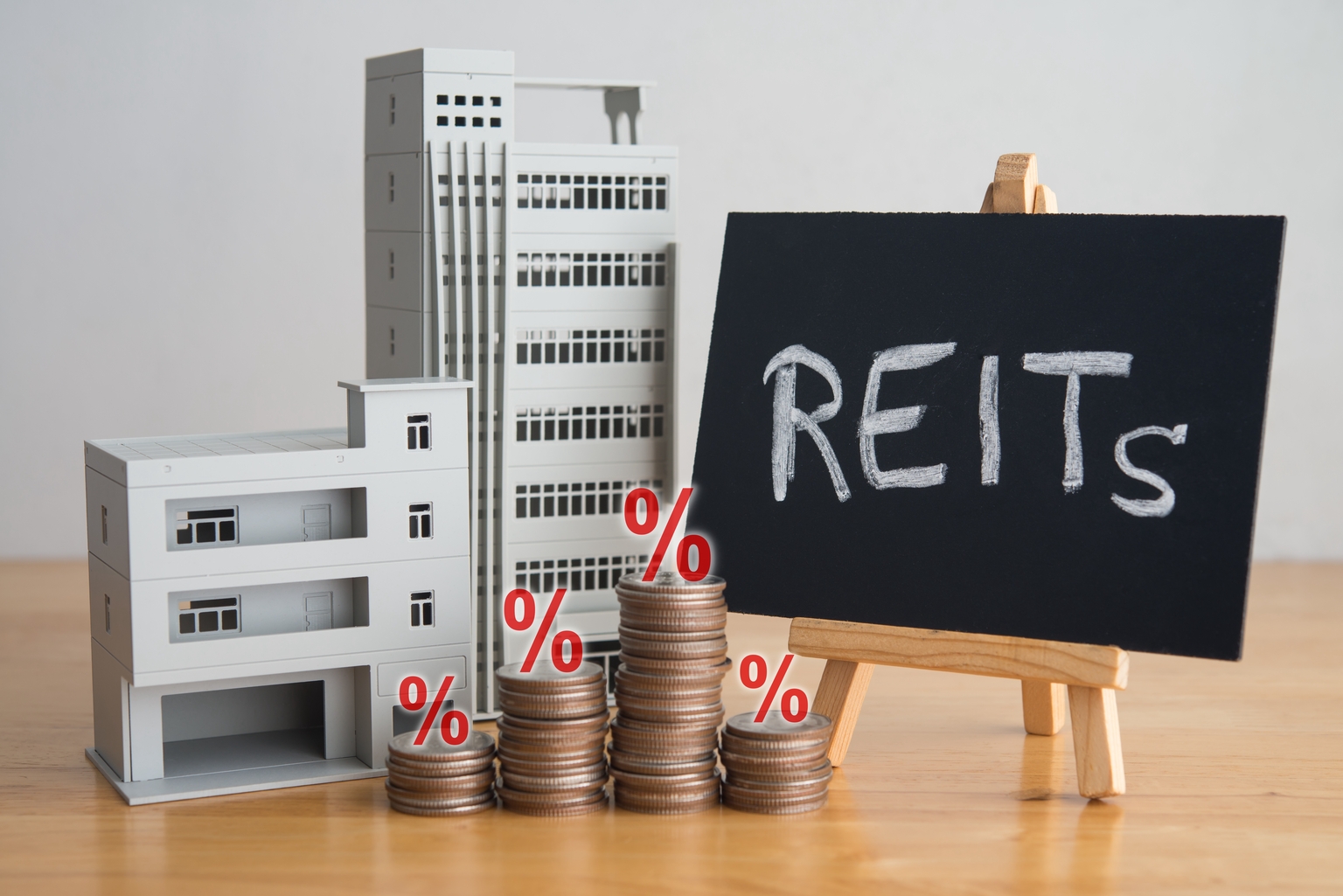
Valuation Analysis of Large-Cap REIT Stocks

- Market Appeal: A screen of large-cap U.S. REIT stocks with market capitalizations above $10B highlights VICI Properties, Gaming and Leisure Properties, and Omega Healthcare Investors as the most attractively valued investments among their peers, indicating their competitive advantage in the market.
- Valuation Grades: According to Seeking Alpha's valuation grades, VICI Properties received an A rating, while Gaming and Leisure Properties and Omega Healthcare Investors both earned B+ ratings, reflecting their relative affordability among large-cap REITs, which may attract investor interest.
- Financial Metrics: The valuation grades are based on various financial metrics, including P/E, PEG, EV/Sales, and EV/EBITDA, using both current and forward estimates, providing a comprehensive assessment of these REIT stocks to aid investors in making informed decisions.
- Executive Changes: Omega Healthcare Investors appointed Matthew Gourmand as CEO and Neal Ballew as CFO, and this executive transition may influence the company's strategic direction and market performance.
See More
Omega Healthcare Appoints New CEO and CFO
- Executive Changes: Omega Healthcare announced that Matthew Gourmand will succeed retiring CEO Taylor Pickett on October 1, 2026, after a 25-year tenure that delivered over 10,000% shareholder returns and increased market value from approximately $60 million to over $15 billion.
- Financial Leadership Transition: The company also appointed CAO Neal Ballew as CFO, effective August 1, 2026, succeeding the retiring Bob Stephenson, aiming to ensure continuity and stability in financial management during this transition.
- Experience Background: Gourmand brings eight years of experience at Omega, having held various leadership roles and possessing in-depth investing expertise, which will be crucial for the company's strategic development moving forward.
- Market Reaction: Despite significant changes in financial and leadership structures, Omega Healthcare's stock fell by 1.49%, indicating ongoing market concerns regarding tenant health issues.
See More
Omega Healthcare Announces Executive Leadership Changes
- Executive Transition: Omega Healthcare announced that CEO Taylor Pickett will retire on October 1, 2026, with President Matthew Gourmand stepping up as his successor, marking a significant leadership change aimed at ensuring continued growth and stability for the company.
- Financial Leadership Change: CFO Bob Stephenson will retire on August 1, 2026, with current Chief Accounting Officer Neal Ballew taking over, ensuring continuity and stability in financial management, reflecting the company's commitment to financial health.
- Foundation for Long-term Success: Under Pickett's leadership, Omega achieved over 10,000% shareholder return, with its asset portfolio growing from 258 to 1,124 and market capitalization increasing from $60 million to $15 billion, showcasing the company's industry leadership and growth potential.
- Strategic Succession Planning: The Board has developed a carefully managed succession plan over several years, believing that the new CEO and CFO will drive the company to continued success in the future, ensuring it capitalizes on opportunities in an aging society and enhances shareholder value.
See More

Top Healthcare Stocks for Retirees


- Pfizer's Challenges and Opportunities: As an industry-leading pharmaceutical company, Pfizer faces challenges from multiple patent expirations, yet offers a high dividend yield of 6.5%; however, with a payout ratio exceeding 100%, it may be more suitable for aggressive investors.
- Medtronic's Transformation Journey: Medtronic boasts a 48-year streak of annual dividend increases with a current yield of 3.6%, as the company is restructuring by cutting costs and focusing on profitable divisions, which is expected to restore growth and enhance market valuation.
- Omega's Stable Returns: Omega Healthcare Investors focuses on senior housing properties and, despite facing difficulties during the pandemic, has maintained its dividend; with a current yield of 5.8%, the company is gradually recovering and is ideal for investors seeking stable income.
- Retiree Investment Choices: For retirees, Pfizer, Medtronic, and Omega Healthcare represent compelling high-yield healthcare stocks to consider, each offering distinct business models that can provide stable cash flow and potential long-term growth for investment portfolios.
See More
Omega Healthcare to Release Q2 2026 Earnings Results
- Earnings Release Schedule: Omega Healthcare Investors, Inc. is set to release its earnings results for the quarter ending June 30, 2026, on July 29, 2026, after market close, reflecting the company's ongoing investments and operational status in the long-term healthcare sector.
- Conference Call Timing: The company will hold a conference call on July 30, 2026, at 10 a.m. Eastern Time to review its Q2 performance and current developments, aiming to bolster investor confidence in the company's future prospects.
- Diverse Participation Options: Investors can join the meeting via the company’s website or webcast, with telephone participants advised to dial in 15 minutes early to ensure connectivity, demonstrating the company's commitment to effective investor communication.
- Portfolio Overview: As a real estate investment trust, Omega focuses on the long-term healthcare industry, with assets spanning the US, UK, and Canada, primarily operating under a triple-net lease structure, showcasing its extensive footprint in healthcare facilities.
See More
Omega Healthcare Investors Shares Decline for Seven Consecutive Sessions
- Stock Price Decline: Omega Healthcare Investors (OHI) shares have experienced a continuous decline over seven trading sessions, closing down over 1% at $43.59 on Thursday, with an approximate 8% drop in the preceding six sessions, indicating market concerns about its short-term performance.
- Relative Market Performance: Although OHI's stock has seen a slight increase this year, it lags behind the S&P 500's 10% rise, with a more than 5% decline over the past month, reflecting a lack of investor confidence in its prospects.
- Analyst Ratings Optimistic: Despite the stock's downturn, analysts remain bullish on OHI, with Seeking Alpha's Quant Rating at 4.20 out of 5, where the profitability outlook received an A rating, suggesting strong long-term potential despite current challenges.
- Management Change: In May, OHI appointed Matthew Gourmand as CEO, succeeding retiring CEO Taylor Pickett, a move that could bring new strategic direction and growth opportunities for the company.
See More
Valuation Analysis of Large-Cap REIT Stocks
- Market Appeal: A screen of large-cap U.S. REIT stocks with market capitalizations above $10B highlights VICI Properties, Gaming and Leisure Properties, and Omega Healthcare Investors as the most attractively valued investments among their peers, indicating their competitive advantage in the market.
- Valuation Grades: According to Seeking Alpha's valuation grades, VICI Properties received an A rating, while Gaming and Leisure Properties and Omega Healthcare Investors both earned B+ ratings, reflecting their relative affordability among large-cap REITs, which may attract investor interest.
- Financial Metrics: The valuation grades are based on various financial metrics, including P/E, PEG, EV/Sales, and EV/EBITDA, using both current and forward estimates, providing a comprehensive assessment of these REIT stocks to aid investors in making informed decisions.
- Executive Changes: Omega Healthcare Investors appointed Matthew Gourmand as CEO and Neal Ballew as CFO, and this executive transition may influence the company's strategic direction and market performance.
See More
Omega Healthcare Appoints New CEO and CFO
- Executive Changes: Omega Healthcare announced that Matthew Gourmand will succeed retiring CEO Taylor Pickett on October 1, 2026, after a 25-year tenure that delivered over 10,000% shareholder returns and increased market value from approximately $60 million to over $15 billion.
- Financial Leadership Transition: The company also appointed CAO Neal Ballew as CFO, effective August 1, 2026, succeeding the retiring Bob Stephenson, aiming to ensure continuity and stability in financial management during this transition.
- Experience Background: Gourmand brings eight years of experience at Omega, having held various leadership roles and possessing in-depth investing expertise, which will be crucial for the company's strategic development moving forward.
- Market Reaction: Despite significant changes in financial and leadership structures, Omega Healthcare's stock fell by 1.49%, indicating ongoing market concerns regarding tenant health issues.
See More
Omega Healthcare Announces Executive Leadership Changes
- Executive Transition: Omega Healthcare announced that CEO Taylor Pickett will retire on October 1, 2026, with President Matthew Gourmand stepping up as his successor, marking a significant leadership change aimed at ensuring continued growth and stability for the company.
- Financial Leadership Change: CFO Bob Stephenson will retire on August 1, 2026, with current Chief Accounting Officer Neal Ballew taking over, ensuring continuity and stability in financial management, reflecting the company's commitment to financial health.
- Foundation for Long-term Success: Under Pickett's leadership, Omega achieved over 10,000% shareholder return, with its asset portfolio growing from 258 to 1,124 and market capitalization increasing from $60 million to $15 billion, showcasing the company's industry leadership and growth potential.
- Strategic Succession Planning: The Board has developed a carefully managed succession plan over several years, believing that the new CEO and CFO will drive the company to continued success in the future, ensuring it capitalizes on opportunities in an aging society and enhances shareholder value.
See More
Top Healthcare Stocks for Retirees
- Pfizer's Challenges and Opportunities: As an industry-leading pharmaceutical company, Pfizer faces challenges from multiple patent expirations, yet offers a high dividend yield of 6.5%; however, with a payout ratio exceeding 100%, it may be more suitable for aggressive investors.
- Medtronic's Transformation Journey: Medtronic boasts a 48-year streak of annual dividend increases with a current yield of 3.6%, as the company is restructuring by cutting costs and focusing on profitable divisions, which is expected to restore growth and enhance market valuation.
- Omega's Stable Returns: Omega Healthcare Investors focuses on senior housing properties and, despite facing difficulties during the pandemic, has maintained its dividend; with a current yield of 5.8%, the company is gradually recovering and is ideal for investors seeking stable income.
- Retiree Investment Choices: For retirees, Pfizer, Medtronic, and Omega Healthcare represent compelling high-yield healthcare stocks to consider, each offering distinct business models that can provide stable cash flow and potential long-term growth for investment portfolios.
See More





