GOLDMAN SACHS CUTS Q2 BRENT/WTI FORECAST TO $90/87 DUE TO DECREASE IN RISK PREMIUM AND INCREASING OIL FLOWS THROUGH THE SOH
Written by Emily J. Thompson, Senior Investment Analyst
Updated: Apr 09 2026
0mins
Source: moomoo
Goldman Sachs Q2 Forecast: Goldman Sachs has lowered its Q2 forecast for Brent and WTI crude oil prices to $90 and $87, respectively.
Market Conditions: This adjustment is attributed to a reduction in the risk premium at the front of the curve, indicating changing market dynamics.
Oil Flow Trends: There is an ongoing trend of oil flows through the Southern Hemisphere, which may impact global supply and pricing.
Implications for Investors: The revised forecasts and market conditions could influence investment strategies and decisions in the energy sector.
Trade with 70% Backtested Accuracy
Stop guessing "Should I Buy WTI?" and start using high-conviction signals backed by rigorous historical data.
Sign up today to access powerful investing tools and make smarter, data-driven decisions.
Analyst Views on WTI
About WTI
W&T Offshore, Inc. is an independent oil and natural gas producer with operations offshore in the Gulf of America. The Company has working interests in approximately 52 fields in federal and state waters (which include 45 fields in federal waters and seven in state waters). The Company has under lease approximately 646,200 gross acres (502,300 net acres) spanning across the outer continental shelf off the coasts of Louisiana, Texas, Mississippi and Alabama, with approximately 493,000 gross acres on the conventional shelf, approximately 147,700 gross acres in the deepwater and 5,500 gross acres in Alabama state waters. The Company’s interests in fields, leases, structures and equipment are primarily owned by its wholly owned subsidiaries and through its proportionately consolidated interest in Monza Energy LLC. The Company's subsidiaries include Aquasition Energy LLC, Aquasition LLC, Aquasition II, LLC, Aquasition III, LLC, Aquasition IV, LLC, Aquasition V, LLC, and others.
About the author

Emily J. Thompson
Emily J. Thompson, a Chartered Financial Analyst (CFA) with 12 years in investment research, graduated with honors from the Wharton School. Specializing in industrial and technology stocks, she provides in-depth analysis for Intellectia’s earnings and market brief reports.

Kosmos Energy Sells Equatorial Guinea Assets to Panoro Energy


- Transaction Value and Structure: Kosmos Energy has sold its non-operating interests in Equatorial Guinea for $180 million, including the Ceiba field and Okume Complex, receiving a final cash payment of $127 million post-closing, demonstrating the company's strategic asset management and flexibility.
- Production Impact: The deal is expected to reduce Kosmos's production by nearly 5,800 barrels of oil per day in 2026, which, while impacting short-term output, allows the company to focus on higher-return core assets.
- Enhanced Financial Flexibility: The divestment will eliminate a $140 million asset retirement obligation, with proceeds used to pay down borrowings under its reserves-based lending facility, thereby improving financial flexibility and strengthening the balance sheet.
- Market Competitive Advantage: Panoro Energy will increase its stake in Block G from 14.25% to 54.625% through this acquisition, while Kosmos can concentrate on its deepwater assets, optimizing its portfolio to adapt to future market dynamics.
See More
Analysis of W&T Offshore's Dividends and Volatility
- Dividend Yield Expectation: W&T Offshore Inc's recent dividend yield stands at 0.9%, and its sustainability hinges on the company's profitability fluctuations, prompting investors to analyze its historical dividend chart for future trends.
- Historical Volatility Analysis: The annualized volatility for W&T Offshore Inc is calculated at 84% based on the last 251 trading days' closing prices, indicating significant price fluctuations that could impact investment decisions.
- Options Trading Strategy: When considering selling October covered calls at a $5 strike price, investors must weigh potential rewards against the risk of capping upside beyond $5 to ensure a reasonable risk-reward balance.
- Market Sentiment Insights: While most options may expire worthless, understanding these common options myths can help investors better assess market sentiment and refine their trading strategies.
See More
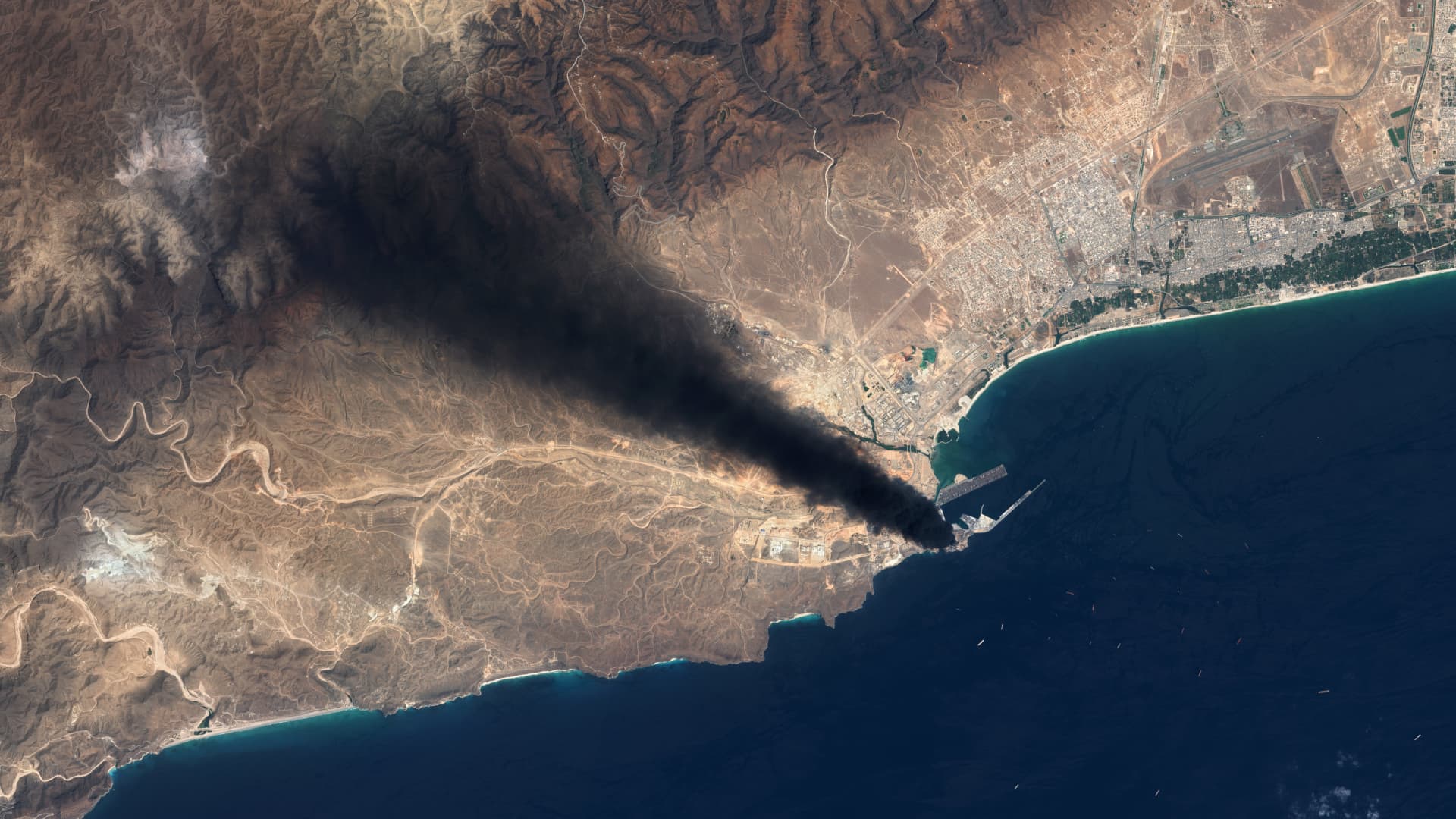
Oil Prices Surge Amid Ongoing Iran Conflict
- Oil Price Increase: Oil prices rose as U.S. President Trump indicated that the ceasefire with Iran is on life support, with Brent crude futures up 0.30% to $104.51 per barrel, reflecting market sensitivity to Middle Eastern tensions.
- Increased Market Volatility: Since the onset of the U.S. and Israeli-led war against Iran on February 28, both WTI and Brent crude prices have surged over 40%, indicating investor uncertainty and potential risks regarding future oil price movements.
- Fragile Ceasefire Agreement: Trump described the ceasefire as 'unbelievably weak' and dismissed Iran's counterproposal as 'garbage', suggesting that the conflict may continue, which could further impact the global oil market.
- Negotiation Implications: Dragonfly's Chief Intelligence Officer noted that Trump may ask Chinese President Xi Jinping to pressure Iran to accept U.S. terms during upcoming talks, which could have additional ramifications for oil prices.
See More

W&T Offshore Reports Strong Q1 2026 Earnings with Positive Outlook
- Strong Production Performance: W&T Offshore achieved an average daily production of 36,200 barrels of oil equivalent in Q1 2026, demonstrating ongoing improvements in operational efficiency that are expected to enhance its competitive position in the market.
- Financial Health: The company reported adjusted EBITDA of $55 million and free cash flow of $21 million, indicating robust cash generation capabilities that will support future investments and expansion efforts.
- Capital Expenditure Control: Capital expenditures for Q1 2026 were only $7 million, with full-year expectations set between $20 million and $25 million, reflecting a capital-light strategy that provides greater financial flexibility for the company.
- Legal and Regulatory Dynamics: The company made positive strides in litigation, with the court allowing it to file an amended lawsuit, indicating a proactive stance in managing potential risks that could support future business development.
See More
W&T Offshore Declares Quarterly Dividend of $0.01
- Quarterly Dividend Declaration: W&T Offshore has declared a quarterly dividend of $0.01 per share, consistent with previous distributions, indicating the company's ongoing ability to maintain stable cash flow despite market fluctuations.
- Dividend Yield: The forward yield of 1.05% reflects the company's capacity to provide returns to shareholders in the current economic climate, thereby enhancing investor confidence.
- Payment Schedule: The dividend is payable on May 28, with a record date of May 21 and an ex-dividend date also set for May 21, ensuring shareholders receive timely returns and promoting long-term holding intentions.
- Future Outlook: W&T Offshore plans to reduce capital expenditures by $22 million in 2026 while maintaining steady production targets, demonstrating the company's strategic flexibility in navigating market challenges and aiming to enhance overall operational efficiency.
See More
W&T Offshore Q1 Earnings Beat Expectations Despite EPS Miss
- Significant Revenue Growth: W&T Offshore reported Q1 revenue of $150.01 million, reflecting a 15.5% year-over-year increase, surpassing market expectations by $15.46 million, indicating strong performance and growth potential in the market.
- EPS Misses Expectations: Despite the robust revenue, the company's non-GAAP EPS stood at $0.00, falling short of the anticipated $0.02, highlighting ongoing challenges in profitability.
- Cost Control Initiatives: The company plans to reduce capital expenditures by $22 million in 2026, aiming to enhance overall profitability through optimized cost structures, thereby improving financial stability for the future.
- Stable Production Targets: W&T Offshore maintains its steady production targets, demonstrating resilience in the face of market fluctuations and confidence in future growth prospects.
See More
Kosmos Energy Sells Equatorial Guinea Assets to Panoro Energy
- Transaction Value and Structure: Kosmos Energy has sold its non-operating interests in Equatorial Guinea for $180 million, including the Ceiba field and Okume Complex, receiving a final cash payment of $127 million post-closing, demonstrating the company's strategic asset management and flexibility.
- Production Impact: The deal is expected to reduce Kosmos's production by nearly 5,800 barrels of oil per day in 2026, which, while impacting short-term output, allows the company to focus on higher-return core assets.
- Enhanced Financial Flexibility: The divestment will eliminate a $140 million asset retirement obligation, with proceeds used to pay down borrowings under its reserves-based lending facility, thereby improving financial flexibility and strengthening the balance sheet.
- Market Competitive Advantage: Panoro Energy will increase its stake in Block G from 14.25% to 54.625% through this acquisition, while Kosmos can concentrate on its deepwater assets, optimizing its portfolio to adapt to future market dynamics.
See More
Analysis of W&T Offshore's Dividends and Volatility
- Dividend Yield Expectation: W&T Offshore Inc's recent dividend yield stands at 0.9%, and its sustainability hinges on the company's profitability fluctuations, prompting investors to analyze its historical dividend chart for future trends.
- Historical Volatility Analysis: The annualized volatility for W&T Offshore Inc is calculated at 84% based on the last 251 trading days' closing prices, indicating significant price fluctuations that could impact investment decisions.
- Options Trading Strategy: When considering selling October covered calls at a $5 strike price, investors must weigh potential rewards against the risk of capping upside beyond $5 to ensure a reasonable risk-reward balance.
- Market Sentiment Insights: While most options may expire worthless, understanding these common options myths can help investors better assess market sentiment and refine their trading strategies.
See More
Oil Prices Surge Amid Ongoing Iran Conflict
- Oil Price Increase: Oil prices rose as U.S. President Trump indicated that the ceasefire with Iran is on life support, with Brent crude futures up 0.30% to $104.51 per barrel, reflecting market sensitivity to Middle Eastern tensions.
- Increased Market Volatility: Since the onset of the U.S. and Israeli-led war against Iran on February 28, both WTI and Brent crude prices have surged over 40%, indicating investor uncertainty and potential risks regarding future oil price movements.
- Fragile Ceasefire Agreement: Trump described the ceasefire as 'unbelievably weak' and dismissed Iran's counterproposal as 'garbage', suggesting that the conflict may continue, which could further impact the global oil market.
- Negotiation Implications: Dragonfly's Chief Intelligence Officer noted that Trump may ask Chinese President Xi Jinping to pressure Iran to accept U.S. terms during upcoming talks, which could have additional ramifications for oil prices.
See More
W&T Offshore Reports Strong Q1 2026 Earnings with Positive Outlook
- Strong Production Performance: W&T Offshore achieved an average daily production of 36,200 barrels of oil equivalent in Q1 2026, demonstrating ongoing improvements in operational efficiency that are expected to enhance its competitive position in the market.
- Financial Health: The company reported adjusted EBITDA of $55 million and free cash flow of $21 million, indicating robust cash generation capabilities that will support future investments and expansion efforts.
- Capital Expenditure Control: Capital expenditures for Q1 2026 were only $7 million, with full-year expectations set between $20 million and $25 million, reflecting a capital-light strategy that provides greater financial flexibility for the company.
- Legal and Regulatory Dynamics: The company made positive strides in litigation, with the court allowing it to file an amended lawsuit, indicating a proactive stance in managing potential risks that could support future business development.
See More
W&T Offshore Declares Quarterly Dividend of $0.01
- Quarterly Dividend Declaration: W&T Offshore has declared a quarterly dividend of $0.01 per share, consistent with previous distributions, indicating the company's ongoing ability to maintain stable cash flow despite market fluctuations.
- Dividend Yield: The forward yield of 1.05% reflects the company's capacity to provide returns to shareholders in the current economic climate, thereby enhancing investor confidence.
- Payment Schedule: The dividend is payable on May 28, with a record date of May 21 and an ex-dividend date also set for May 21, ensuring shareholders receive timely returns and promoting long-term holding intentions.
- Future Outlook: W&T Offshore plans to reduce capital expenditures by $22 million in 2026 while maintaining steady production targets, demonstrating the company's strategic flexibility in navigating market challenges and aiming to enhance overall operational efficiency.
See More
W&T Offshore Q1 Earnings Beat Expectations Despite EPS Miss
- Significant Revenue Growth: W&T Offshore reported Q1 revenue of $150.01 million, reflecting a 15.5% year-over-year increase, surpassing market expectations by $15.46 million, indicating strong performance and growth potential in the market.
- EPS Misses Expectations: Despite the robust revenue, the company's non-GAAP EPS stood at $0.00, falling short of the anticipated $0.02, highlighting ongoing challenges in profitability.
- Cost Control Initiatives: The company plans to reduce capital expenditures by $22 million in 2026, aiming to enhance overall profitability through optimized cost structures, thereby improving financial stability for the future.
- Stable Production Targets: W&T Offshore maintains its steady production targets, demonstrating resilience in the face of market fluctuations and confidence in future growth prospects.
See More