

Corn and Wheat Set to Rise as the Commodities Market Evolves.

Renewed Strength in Soft Commodities: Soft commodities are showing signs of recovery after a period of low activity.
Stabilization of Key Grains: Key grains such as corn and wheat are beginning to stabilize, indicating a potential shift in market dynamics.
Investor Behavior: Investors are rotating into areas of the commodity complex that have been lagging, suggesting a strategic shift in investment focus.
Market Outlook: The renewed interest in soft commodities may signal a broader trend in the commodity markets as they recover from previous lows.
Trade with 70% Backtested Accuracy
Analyst Views on DBA
About the author

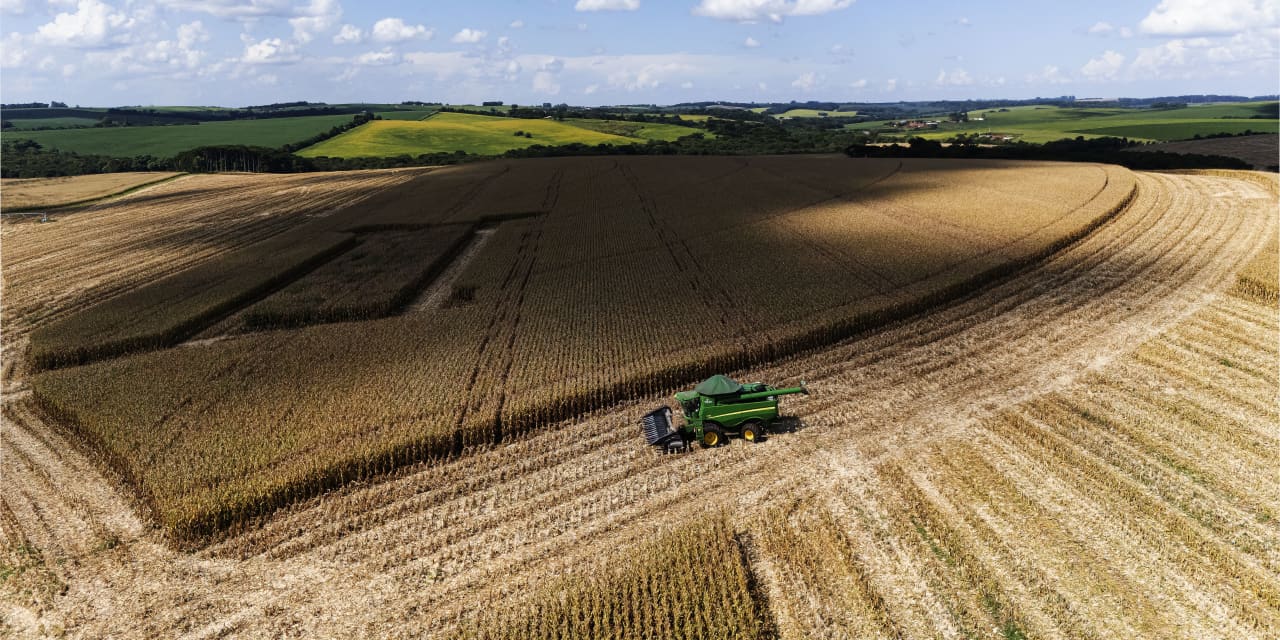
Corn and Wheat Set to Rise as the Commodities Market Evolves.


Renewed Strength in Soft Commodities: Soft commodities are showing signs of recovery after a period of low activity.
Stabilization of Key Grains: Key grains such as corn and wheat are beginning to stabilize, indicating a potential shift in market dynamics.
Investor Behavior: Investors are rotating into areas of the commodity complex that have been lagging, suggesting a strategic shift in investment focus.
Market Outlook: The renewed interest in soft commodities may signal a broader trend in the commodity markets as they recover from previous lows.

Trump and Xi's Two-Hour Conversation Sparks Rally in This Commodity - It's Not Gold or Silver


Soybean Contract Prices: U.S. soybean contracts expiring in March 2026 increased by 1.2% to $11.38 per bushel, marking their highest levels since December 2025.
China's Import Plans: President Trump announced that China is considering raising soybean imports to 20 million metric tons, up from a previously announced 12 million metric tons, following positive discussions with Chinese officials.
Trade Tensions and Future Prospects: The U.S. and China may extend their current trade truce by up to one year, as discussions are underway regarding tariff easements and export restrictions amid ongoing trade tensions.
Market Reactions: Retail sentiment for the Teucrium Soybean Fund remains bullish, with the fund gaining 6.4% this year, outperforming the Teucrium Corn Fund, which has seen a 1% decline.

SA Quant Identifies Leading Agricultural and Farm Machinery Stocks Amid Trump's Push for Price Reductions

Trump's Price Concerns: President Trump criticized the high prices of farming equipment, urging manufacturers like Deere to lower their costs, which led to a decline in stock prices for several agricultural companies.
Stock Performance: On the day of Trump's comments, stocks for Deere, Caterpillar, Tractor Supply, and Agco all experienced losses, with Deere's stock slipping about 2%.
Top Agricultural Stocks: Kubota leads the agricultural equipment sector with a Quant Rating of 3.36, followed by AGCO at 3.24, and Deere at 2.76, indicating a generally cautious outlook for these companies.
Quant Ratings Explained: Seeking Alpha's Quant system rates stocks based on performance metrics, with ratings above 3.5 considered bullish and those below 2.5 viewed as bearish, highlighting the varying market sentiments in the agricultural sector.
Sen. Thune: Government Support Necessary for Farmers as China Halts U.S. Soybean Purchases

Impact of Tariff Policies: Senate Majority Leader John Thune highlighted that American farmers are facing market access issues due to President Trump's tariff policies, leading to a need for government financial assistance as they prepare for a large harvest of corn and soybeans.
China's Shift in Soybean Purchases: China has ceased buying U.S. soybeans since May, opting instead for Brazilian and Argentine suppliers, which has resulted in significant financial losses for U.S. soybean farmers, estimated at ~$9.4 billion during the 2018 trade war.
U.S. Farmers Report Struggles Due to Tariffs, Debt, and Mental Health Challenges
Financial Strain on Farmers: U.S. farmers are facing increasing financial and emotional challenges due to trade disputes, high debt, and policy uncertainty, leading to rising bankruptcy filings and a decline in farmer sentiment.
Mental Health Crisis: There is a significant rise in demand for mental health services among farmers, with USDA-backed stress centers reporting record participation, highlighting the urgent need for continued federal funding to support these programs.
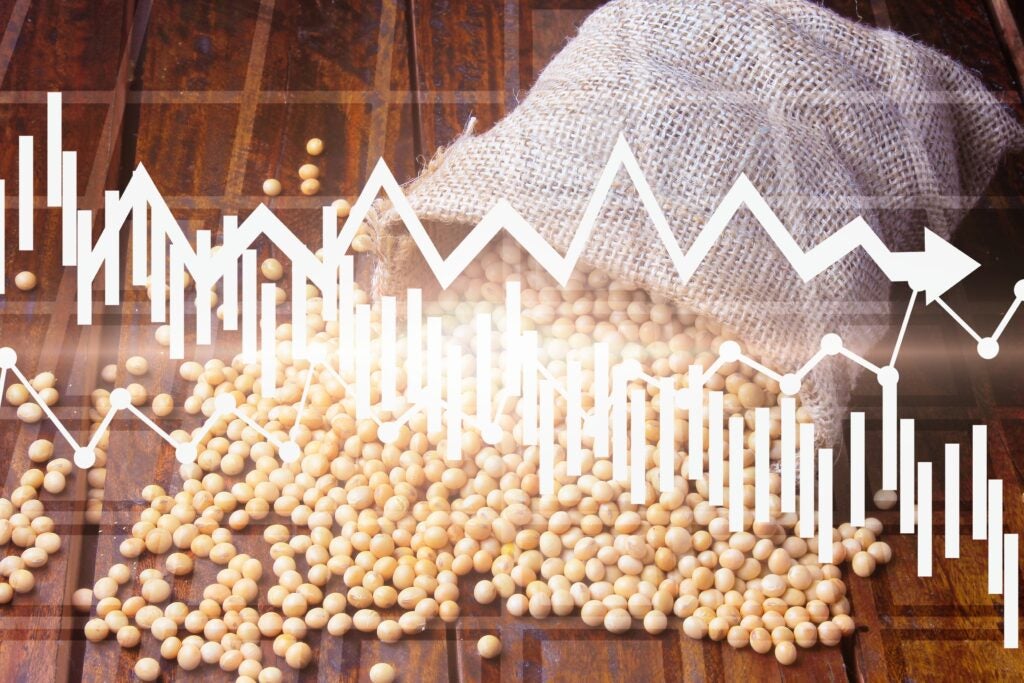
American Soybean Farmers Seek Trump’s Help Amid US-China Trade Conflict: 'Unless Something Miraculous Happens...'

China Stops Buying U.S. Soybeans: China, the largest buyer of U.S. soybeans, has halted purchases and is sourcing from Brazil instead, significantly impacting U.S. farmers who are facing a surplus and declining prices.
Economic Consequences for U.S. Farmers: U.S. soybean farmers are expected to lose around $100 per acre this year, prompting calls for financial aid from the government as they struggle to find alternative markets amidst ongoing trade tensions.
Corn and Wheat Set to Rise as the Commodities Market Evolves.
Renewed Strength in Soft Commodities: Soft commodities are showing signs of recovery after a period of low activity.
Stabilization of Key Grains: Key grains such as corn and wheat are beginning to stabilize, indicating a potential shift in market dynamics.
Investor Behavior: Investors are rotating into areas of the commodity complex that have been lagging, suggesting a strategic shift in investment focus.
Market Outlook: The renewed interest in soft commodities may signal a broader trend in the commodity markets as they recover from previous lows.
Trump and Xi's Two-Hour Conversation Sparks Rally in This Commodity - It's Not Gold or Silver
Soybean Contract Prices: U.S. soybean contracts expiring in March 2026 increased by 1.2% to $11.38 per bushel, marking their highest levels since December 2025.
China's Import Plans: President Trump announced that China is considering raising soybean imports to 20 million metric tons, up from a previously announced 12 million metric tons, following positive discussions with Chinese officials.
Trade Tensions and Future Prospects: The U.S. and China may extend their current trade truce by up to one year, as discussions are underway regarding tariff easements and export restrictions amid ongoing trade tensions.
Market Reactions: Retail sentiment for the Teucrium Soybean Fund remains bullish, with the fund gaining 6.4% this year, outperforming the Teucrium Corn Fund, which has seen a 1% decline.
SA Quant Identifies Leading Agricultural and Farm Machinery Stocks Amid Trump's Push for Price Reductions
Trump's Price Concerns: President Trump criticized the high prices of farming equipment, urging manufacturers like Deere to lower their costs, which led to a decline in stock prices for several agricultural companies.
Stock Performance: On the day of Trump's comments, stocks for Deere, Caterpillar, Tractor Supply, and Agco all experienced losses, with Deere's stock slipping about 2%.
Top Agricultural Stocks: Kubota leads the agricultural equipment sector with a Quant Rating of 3.36, followed by AGCO at 3.24, and Deere at 2.76, indicating a generally cautious outlook for these companies.
Quant Ratings Explained: Seeking Alpha's Quant system rates stocks based on performance metrics, with ratings above 3.5 considered bullish and those below 2.5 viewed as bearish, highlighting the varying market sentiments in the agricultural sector.
Sen. Thune: Government Support Necessary for Farmers as China Halts U.S. Soybean Purchases
Impact of Tariff Policies: Senate Majority Leader John Thune highlighted that American farmers are facing market access issues due to President Trump's tariff policies, leading to a need for government financial assistance as they prepare for a large harvest of corn and soybeans.
China's Shift in Soybean Purchases: China has ceased buying U.S. soybeans since May, opting instead for Brazilian and Argentine suppliers, which has resulted in significant financial losses for U.S. soybean farmers, estimated at ~$9.4 billion during the 2018 trade war.
U.S. Farmers Report Struggles Due to Tariffs, Debt, and Mental Health Challenges
Financial Strain on Farmers: U.S. farmers are facing increasing financial and emotional challenges due to trade disputes, high debt, and policy uncertainty, leading to rising bankruptcy filings and a decline in farmer sentiment.
Mental Health Crisis: There is a significant rise in demand for mental health services among farmers, with USDA-backed stress centers reporting record participation, highlighting the urgent need for continued federal funding to support these programs.
American Soybean Farmers Seek Trump’s Help Amid US-China Trade Conflict: 'Unless Something Miraculous Happens...'
China Stops Buying U.S. Soybeans: China, the largest buyer of U.S. soybeans, has halted purchases and is sourcing from Brazil instead, significantly impacting U.S. farmers who are facing a surplus and declining prices.
Economic Consequences for U.S. Farmers: U.S. soybean farmers are expected to lose around $100 per acre this year, prompting calls for financial aid from the government as they struggle to find alternative markets amidst ongoing trade tensions.





