Commodities take a hit as Trump reciprocal tariffs dampen sentiment, Brent slides over 3%

Impact of Tariffs on Commodity Markets: President Trump's reciprocal tariffs have led to significant losses across commodity markets, particularly affecting industrial metals, oil, and agricultural grains, while a weakening U.S. dollar may prevent a complete collapse in prices.
Market Reactions and Future Outlook: Oil prices dropped sharply following the tariff announcement, with Brent and WTI experiencing notable declines; meanwhile, gold prices surged due to trade tensions, and agricultural softs remain influenced by fundamental supply factors despite tariff concerns.
Trade with 70% Backtested Accuracy
Analyst Views on COPX
About the author


Copper Prices Decline After January Highs—This ETF Presents a Buy-the-Dip Chance


Market Trends: The year 2026 is anticipated to be significant for commodities, with raw materials outperforming the S&P 500 amid market rotation, while oil and gas prices have recently gained attention due to geopolitical tensions involving the U.S., Israel, and Iran.
Precious Metals Performance: Precious metals, particularly gold, silver, and platinum, reached all-time highs in January, driven by geopolitical unrest and market uncertainties, while copper also hit record levels, indicating strong demand despite recent price corrections.
Investment Opportunities: Investors are looking to gain exposure to copper through exchange-traded funds (ETFs) like the Global X Copper Miners ETF (COPX), which offers a diversified investment in the copper mining sector, projected to grow significantly in the coming years.
Market Dynamics: The copper market is tightening due to supply disruptions at major mines, while demand remains robust, driven by its essential role in various industries, including renewable energy and electronics, suggesting continued strong performance for copper-related investments.

The Copper Barbell: Strategies for Capitalizing on the Shortage While Steering Clear of Dilution Risks
Global Copper Market Trends: The global copper market is facing severe supply shocks, with spot prices stabilizing between $5.72 and $5.90 per pound, driven by chronic underinvestment in mining infrastructure and increasing demand from sectors like artificial intelligence and decarbonization.
Projected Supply Deficits: The refined copper market is projected to experience a deficit of approximately 330,000 tonnes by 2026, exacerbated by rising demand from data centers and geopolitical conflicts affecting supply chains.
Investment Strategies: Investors are advised to adopt a barbell strategy, focusing on cash-flowing producers for stability while allocating smaller amounts to advanced developers for potential high returns, particularly in the context of rising copper prices.
Risks and Opportunities: The article highlights the importance of diversifying investments through exchange-traded funds (ETFs) to mitigate risks associated with single mine failures, while also emphasizing the need for strategic growth in the copper sector to capture long-term wealth generation opportunities.

Copper Prices and Mining Stocks Plummet Due to Iran Conflict: Here's Why It's a Good Buying Opportunity.


Market Sentiment: Dr. Copper, a term used to describe copper's role as an economic indicator, is currently experiencing a downturn, suggesting a potential slowdown in economic activity.
Global Demand: The decline in copper prices may reflect weakening demand from key sectors, particularly in manufacturing and construction, which are critical for economic growth.
Supply Chain Factors: Ongoing supply chain disruptions and geopolitical tensions are contributing to the fluctuations in copper prices, impacting overall market stability.
Future Outlook: Analysts are closely monitoring copper trends as they may signal broader economic trends, with potential implications for investment strategies and market forecasts.

Study Reveals Copper Shortage Is Just the Beginning

Copper Supply Constraints: The global energy transition is facing significant supply constraints, particularly with copper, which is experiencing a structural shortage due to high demand from infrastructure needs and slow supply growth.
Long-term Deficit Projections: Analysts predict a cumulative copper deficit of around 19 million metric tons by 2050, starting from 2026, driven by mine disruptions and lengthy permitting processes.
Emerging Graphite Shortage: Graphite is expected to face a technical deficit around 2032, driven by rising demand for lithium-ion battery anodes in electric vehicles, while supply growth struggles to keep pace.
Geopolitical Influences on Metals: Investment trends are shifting towards metals with stable demand and supply risks, with a focus on copper and rare earth elements, as geopolitical factors, particularly China's dominance in refining, continue to shape market dynamics.

Copper Prices Rise as Investors Anticipate Reduced Supply; ANZ Adopts Optimistic Outlook

Copper Futures Recovery: Copper futures rose by 1.7% on the London Metal Exchange after a significant drop of 3% the previous session, as investors refocused on expectations of a tighter market in the coming year.
Supply and Demand Dynamics: The price increase is attributed to ongoing supply disruptions and strong demand, particularly in the U.S., with analysts predicting a market deficit for copper by 2026.
Market Sentiment: Despite concerns over the global economy and China's economic slowdown, demand for copper remains robust, leading to a bullish outlook from analysts.
Mixed Performance of Other Metals: Other metals showed varied performance, with aluminum increasing by 0.4%, while tin decreased by 1.1%, and lead and zinc remained relatively unchanged.
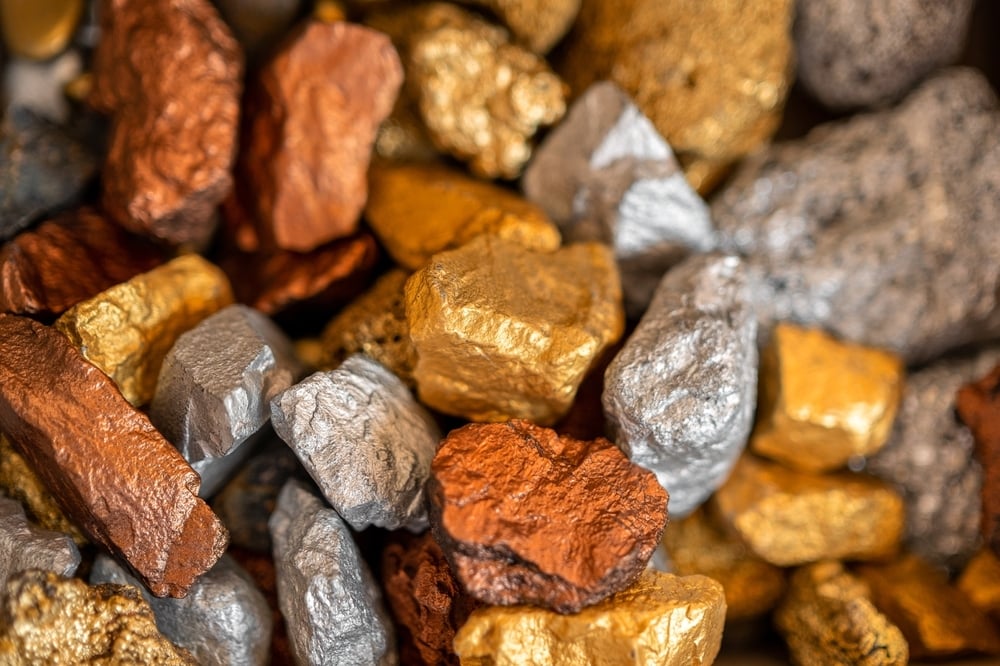
Study Indicates Tariff Relief Will Benefit Metals Industry in 2026

Market Outlook for Metals: BMI Research projects a positive but cautious outlook for the metals market in 2026, anticipating higher average prices due to tighter supply and strong demand linked to net-zero initiatives.
Impact of Tariff Easing: The firm notes that diminishing tariff uncertainty, which peaked in August 2025, will encourage investment and stabilize cost structures in the industry, although some risks remain, particularly for copper.
Mergers and Acquisitions Trends: BMI expects continued momentum in mergers and acquisitions as companies seek to secure critical minerals for clean-energy supply chains, with a focus on copper, lithium, and rare earths.
Economic Risks: Despite a generally positive outlook, BMI highlights potential risks, including a stabilizing U.S. dollar and slowing GDP growth in China, which may limit price growth for industrial metals.
Copper Prices Decline After January Highs—This ETF Presents a Buy-the-Dip Chance
Market Trends: The year 2026 is anticipated to be significant for commodities, with raw materials outperforming the S&P 500 amid market rotation, while oil and gas prices have recently gained attention due to geopolitical tensions involving the U.S., Israel, and Iran.
Precious Metals Performance: Precious metals, particularly gold, silver, and platinum, reached all-time highs in January, driven by geopolitical unrest and market uncertainties, while copper also hit record levels, indicating strong demand despite recent price corrections.
Investment Opportunities: Investors are looking to gain exposure to copper through exchange-traded funds (ETFs) like the Global X Copper Miners ETF (COPX), which offers a diversified investment in the copper mining sector, projected to grow significantly in the coming years.
Market Dynamics: The copper market is tightening due to supply disruptions at major mines, while demand remains robust, driven by its essential role in various industries, including renewable energy and electronics, suggesting continued strong performance for copper-related investments.
The Copper Barbell: Strategies for Capitalizing on the Shortage While Steering Clear of Dilution Risks
Global Copper Market Trends: The global copper market is facing severe supply shocks, with spot prices stabilizing between $5.72 and $5.90 per pound, driven by chronic underinvestment in mining infrastructure and increasing demand from sectors like artificial intelligence and decarbonization.
Projected Supply Deficits: The refined copper market is projected to experience a deficit of approximately 330,000 tonnes by 2026, exacerbated by rising demand from data centers and geopolitical conflicts affecting supply chains.
Investment Strategies: Investors are advised to adopt a barbell strategy, focusing on cash-flowing producers for stability while allocating smaller amounts to advanced developers for potential high returns, particularly in the context of rising copper prices.
Risks and Opportunities: The article highlights the importance of diversifying investments through exchange-traded funds (ETFs) to mitigate risks associated with single mine failures, while also emphasizing the need for strategic growth in the copper sector to capture long-term wealth generation opportunities.
Copper Prices and Mining Stocks Plummet Due to Iran Conflict: Here's Why It's a Good Buying Opportunity.
Market Sentiment: Dr. Copper, a term used to describe copper's role as an economic indicator, is currently experiencing a downturn, suggesting a potential slowdown in economic activity.
Global Demand: The decline in copper prices may reflect weakening demand from key sectors, particularly in manufacturing and construction, which are critical for economic growth.
Supply Chain Factors: Ongoing supply chain disruptions and geopolitical tensions are contributing to the fluctuations in copper prices, impacting overall market stability.
Future Outlook: Analysts are closely monitoring copper trends as they may signal broader economic trends, with potential implications for investment strategies and market forecasts.
Study Reveals Copper Shortage Is Just the Beginning
Copper Supply Constraints: The global energy transition is facing significant supply constraints, particularly with copper, which is experiencing a structural shortage due to high demand from infrastructure needs and slow supply growth.
Long-term Deficit Projections: Analysts predict a cumulative copper deficit of around 19 million metric tons by 2050, starting from 2026, driven by mine disruptions and lengthy permitting processes.
Emerging Graphite Shortage: Graphite is expected to face a technical deficit around 2032, driven by rising demand for lithium-ion battery anodes in electric vehicles, while supply growth struggles to keep pace.
Geopolitical Influences on Metals: Investment trends are shifting towards metals with stable demand and supply risks, with a focus on copper and rare earth elements, as geopolitical factors, particularly China's dominance in refining, continue to shape market dynamics.
Copper Prices Rise as Investors Anticipate Reduced Supply; ANZ Adopts Optimistic Outlook
Copper Futures Recovery: Copper futures rose by 1.7% on the London Metal Exchange after a significant drop of 3% the previous session, as investors refocused on expectations of a tighter market in the coming year.
Supply and Demand Dynamics: The price increase is attributed to ongoing supply disruptions and strong demand, particularly in the U.S., with analysts predicting a market deficit for copper by 2026.
Market Sentiment: Despite concerns over the global economy and China's economic slowdown, demand for copper remains robust, leading to a bullish outlook from analysts.
Mixed Performance of Other Metals: Other metals showed varied performance, with aluminum increasing by 0.4%, while tin decreased by 1.1%, and lead and zinc remained relatively unchanged.
Study Indicates Tariff Relief Will Benefit Metals Industry in 2026
Market Outlook for Metals: BMI Research projects a positive but cautious outlook for the metals market in 2026, anticipating higher average prices due to tighter supply and strong demand linked to net-zero initiatives.
Impact of Tariff Easing: The firm notes that diminishing tariff uncertainty, which peaked in August 2025, will encourage investment and stabilize cost structures in the industry, although some risks remain, particularly for copper.
Mergers and Acquisitions Trends: BMI expects continued momentum in mergers and acquisitions as companies seek to secure critical minerals for clean-energy supply chains, with a focus on copper, lithium, and rare earths.
Economic Risks: Despite a generally positive outlook, BMI highlights potential risks, including a stabilizing U.S. dollar and slowing GDP growth in China, which may limit price growth for industrial metals.