Citi Report: Consistent Travel in China During New Year Holiday; Cross-Border Travel Data Indicates Robust Performance
Tourism Statistics: During the 2026 New Year holiday, domestic tourism in China reached 142 million visitors and generated RMB84.79 billion in revenue, showing a CAGR of 2.6% and 3.1% compared to 2024.
Spending Trends: The average spending per person decreased by 1% to RMB597 compared to 2024, indicating a slight decline in individual expenditure.
Cross-Border Travel Performance: While domestic travel remained stable, cross-border travel showed strong growth, suggesting a shift in travel preferences.
Future Expectations: Citi Research anticipates a more significant performance during the upcoming Spring Festival, which will last nine days, and maintains a Buy rating for TRIP.COM-S and TONGCHENGTRAVEL stocks.
Trade with 70% Backtested Accuracy
Analyst Views on 00780

About the author


CN NAFR Engages in Discussions with Six Travel Platforms, Including TRIP.COM-S and Amap, to Advocate for Standardized Marketing Practices


Regulatory Discussions: The National Administration of Financial Regulation (NAFR), along with SAMR and PBOC, held discussions with six travel platform companies regarding their lending operations with financial institutions.
Marketing Practices Standardization: Companies are required to standardize marketing practices, avoid misleading promotional language, and clearly disclose lending institution names and credit product information.
Responsible Borrowing Advisory: The platforms must advise borrowers on responsible borrowing and ensure accessible customer complaint channels for resolving disputes.
Consumer Rights Protection: The focus is on enhancing service quality and effectively safeguarding consumers' legitimate rights and interests.
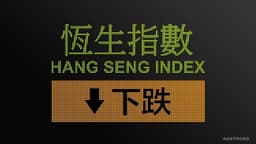
HSI Closes with a 233-Point Decline; BUD APAC Drops Over 5%; KNOWLEDGE ATLAS Soars Nearly 30%


Market Performance: The HSI closed at 27,032, down 233 points (0.9%), with significant declines in the HSCEI and HSTECH, while total market turnover reached HKD238.705 billion.
Company Earnings: BUD APAC was the worst-performing blue-chip stock, down 5.2% after reporting a 32.6% drop in net profit. Other companies like Lenovo and NetEase also saw declines despite some reporting increased profits.
Regulatory Actions: The Beijing Municipal Market Supervision Bureau engaged with 12 online ticket sales platforms, resulting in declines for companies like Trip.com and Meituan, which fell 3.9% and 4.5%, respectively.
AI Sector Growth: Following Premier Li Qiang's call for AI innovation, AI stocks like SenseTime and Knowledge Atlas saw significant gains, with Knowledge Atlas soaring 28.7% after launching a new product.

Beijing Market Regulator Engages in Discussions with 12 Online Platforms for Third-Party Train Ticket Sales

Meeting Overview: The Beijing Municipal Administration for Market Regulation held a meeting with 12 major online train ticket platforms, including TRIP.COM and Qunar, to address compliance issues in ticket sales.
Compliance Requirements: The Administration outlined four key compliance requirements for the platforms, focusing on business ethics, review of business models, rectification of misleading promotions, and ensuring clear pricing for consumers.

CLSA: TONGCHENGTRAVEL Expected to Gain Little from TRIP.COM-S Antitrust Probe; Rating Remains Hold
Agentic AI and OTAs: The narrative of agentic AI overtaking online travel agencies (OTAs) is prevalent in the US, but stricter supply chain controls in China mitigate this risk for local OTAs.
TONGCHENGTRAVEL's Future: CLSA forecasts that TONGCHENGTRAVEL's hotel management business will significantly contribute to revenue growth by 2026, maintaining a target price of $22 and a Hold rating.
Impact of Antitrust Investigation: CLSA notes that TONGCHENGTRAVEL may not benefit from the antitrust investigation of TRIP.COM-S, as a large portion of its hotel trading volume relies on TRIP.COM-S' inventory.
Market Reactions: Citi reports that agentic AI's impact on the sector is limited in the short to mid-term, maintaining Buy ratings for both Trip.com and TONGCHENGTRAVEL.

HSI Gains 12 Points, Yet Software Stocks and Dotcoms Decline; Coal and Chinese Developers Surge


Market Performance: The HSI closed slightly up at 26,847, while the HSCEI and HSTECH saw minor declines, with total market turnover dropping to $285.433 billion.
Sector Struggles: Software and dotcom sectors faced significant losses, with major companies like TENCENT and MEITU experiencing declines of 3.96% and 11.4%, respectively.
Resource Stocks Rise: Gold and silver prices rebounded, with companies like CHINAGOLDINTL and ZHAOJIN MINING seeing gains, while coal stocks like YANKUANG ENERGY surged by over 10%.
Financial Sector Movements: HSBC and AIA saw slight increases, while HKEX experienced a minor decline; Chinese property developers generally performed well, with several stocks rising between 5% and 10%.
HSI Drops 109 Points at Midday as Software and Tech Stocks Weaken; Kingdee Falls Over 14%

Market Reaction to AI Threat: The software industry faced pressure from AI models by Alphabet and Anthropic, leading to declines in US software stocks and a drop in the Hong Kong bourse, with the HSI down 0.4% in the morning session.
Significant Stock Declines: Major tech companies like Tencent, Bilibili, and Meitu experienced substantial losses, with short selling ratios indicating increased market skepticism.
Broader Tech Sector Impact: Other tech stocks, including Alibaba and JD.com, also saw declines, while semiconductor stocks like SMIC and Hua Hong Semi faced significant drops, reflecting a broader downturn in the tech sector.
Resource Stocks Performance: Gold and silver prices rebounded, and oil stocks gained due to rising refined oil prices in mainland China and geopolitical events, with companies like Sinopec and PetroChina seeing modest increases.
CN NAFR Engages in Discussions with Six Travel Platforms, Including TRIP.COM-S and Amap, to Advocate for Standardized Marketing Practices
Regulatory Discussions: The National Administration of Financial Regulation (NAFR), along with SAMR and PBOC, held discussions with six travel platform companies regarding their lending operations with financial institutions.
Marketing Practices Standardization: Companies are required to standardize marketing practices, avoid misleading promotional language, and clearly disclose lending institution names and credit product information.
Responsible Borrowing Advisory: The platforms must advise borrowers on responsible borrowing and ensure accessible customer complaint channels for resolving disputes.
Consumer Rights Protection: The focus is on enhancing service quality and effectively safeguarding consumers' legitimate rights and interests.
HSI Closes with a 233-Point Decline; BUD APAC Drops Over 5%; KNOWLEDGE ATLAS Soars Nearly 30%
Market Performance: The HSI closed at 27,032, down 233 points (0.9%), with significant declines in the HSCEI and HSTECH, while total market turnover reached HKD238.705 billion.
Company Earnings: BUD APAC was the worst-performing blue-chip stock, down 5.2% after reporting a 32.6% drop in net profit. Other companies like Lenovo and NetEase also saw declines despite some reporting increased profits.
Regulatory Actions: The Beijing Municipal Market Supervision Bureau engaged with 12 online ticket sales platforms, resulting in declines for companies like Trip.com and Meituan, which fell 3.9% and 4.5%, respectively.
AI Sector Growth: Following Premier Li Qiang's call for AI innovation, AI stocks like SenseTime and Knowledge Atlas saw significant gains, with Knowledge Atlas soaring 28.7% after launching a new product.
Beijing Market Regulator Engages in Discussions with 12 Online Platforms for Third-Party Train Ticket Sales
Meeting Overview: The Beijing Municipal Administration for Market Regulation held a meeting with 12 major online train ticket platforms, including TRIP.COM and Qunar, to address compliance issues in ticket sales.
Compliance Requirements: The Administration outlined four key compliance requirements for the platforms, focusing on business ethics, review of business models, rectification of misleading promotions, and ensuring clear pricing for consumers.
CLSA: TONGCHENGTRAVEL Expected to Gain Little from TRIP.COM-S Antitrust Probe; Rating Remains Hold
Agentic AI and OTAs: The narrative of agentic AI overtaking online travel agencies (OTAs) is prevalent in the US, but stricter supply chain controls in China mitigate this risk for local OTAs.
TONGCHENGTRAVEL's Future: CLSA forecasts that TONGCHENGTRAVEL's hotel management business will significantly contribute to revenue growth by 2026, maintaining a target price of $22 and a Hold rating.
Impact of Antitrust Investigation: CLSA notes that TONGCHENGTRAVEL may not benefit from the antitrust investigation of TRIP.COM-S, as a large portion of its hotel trading volume relies on TRIP.COM-S' inventory.
Market Reactions: Citi reports that agentic AI's impact on the sector is limited in the short to mid-term, maintaining Buy ratings for both Trip.com and TONGCHENGTRAVEL.
HSI Gains 12 Points, Yet Software Stocks and Dotcoms Decline; Coal and Chinese Developers Surge
Market Performance: The HSI closed slightly up at 26,847, while the HSCEI and HSTECH saw minor declines, with total market turnover dropping to $285.433 billion.
Sector Struggles: Software and dotcom sectors faced significant losses, with major companies like TENCENT and MEITU experiencing declines of 3.96% and 11.4%, respectively.
Resource Stocks Rise: Gold and silver prices rebounded, with companies like CHINAGOLDINTL and ZHAOJIN MINING seeing gains, while coal stocks like YANKUANG ENERGY surged by over 10%.
Financial Sector Movements: HSBC and AIA saw slight increases, while HKEX experienced a minor decline; Chinese property developers generally performed well, with several stocks rising between 5% and 10%.
HSI Drops 109 Points at Midday as Software and Tech Stocks Weaken; Kingdee Falls Over 14%
Market Reaction to AI Threat: The software industry faced pressure from AI models by Alphabet and Anthropic, leading to declines in US software stocks and a drop in the Hong Kong bourse, with the HSI down 0.4% in the morning session.
Significant Stock Declines: Major tech companies like Tencent, Bilibili, and Meitu experienced substantial losses, with short selling ratios indicating increased market skepticism.
Broader Tech Sector Impact: Other tech stocks, including Alibaba and JD.com, also saw declines, while semiconductor stocks like SMIC and Hua Hong Semi faced significant drops, reflecting a broader downturn in the tech sector.
Resource Stocks Performance: Gold and silver prices rebounded, and oil stocks gained due to rising refined oil prices in mainland China and geopolitical events, with companies like Sinopec and PetroChina seeing modest increases.