Circle Internet Stock Rises Due to Iran Situation; Instability Benefits Stablecoins.
Written by Emily J. Thompson, Senior Investment Analyst
Updated: Mar 03 2026
0mins

Source: Barron's
Impact of Middle East Conflict: The ongoing conflict in the Middle East has led to an increase in energy and defense stocks, reflecting market reactions to geopolitical tensions.
Surprising Market Performance: Circle Internet Group emerged as an unexpected beneficiary in the stock market amidst the conflict, indicating unique market dynamics at play.
Trade with 70% Backtested Accuracy
Stop guessing "Should I Buy CRCL?" and start using high-conviction signals backed by rigorous historical data.
Sign up today to access powerful investing tools and make smarter, data-driven decisions.
Analyst Views on CRCL
Wall Street analysts forecast CRCL stock price to rise
17 Analyst Rating
10 Buy
4 Hold
3 Sell
Moderate Buy
Current: 79.950

Low
65.00
Averages
143.07
High
280.00
Current: 79.950
Low
65.00
Averages
143.07
High
280.00
About CRCL
Circle Internet Group, Inc. is a global financial technology company. It operates as a platform, network, and market infrastructure for stablecoin and blockchain applications and the issuer of a United States dollar-denominated stablecoin, USDC and a euro-denominated stablecoin, EURC (collectively Circle stablecoins). It provides a stablecoin network and a range of blockchain-specific software infrastructure. Its product offerings include Stablecoins, Developer Services, Integration Services, and Tokenized Funds. Developer Services develops an array of developer-ready and enterprise-grade infrastructure services that developers can plug into their own applications. It connects and integrates products, such as USDC across blockchain networks. Its Tokenized Funds are regulated yield-bearing investments for collateral use in capital markets. It also offers liquidity services, which provides institutional minting, reserving, redemption, and foreign exchange services for Circle stablecoins.
About the author

Emily J. Thompson
Emily J. Thompson, a Chartered Financial Analyst (CFA) with 12 years in investment research, graduated with honors from the Wharton School. Specializing in industrial and technology stocks, she provides in-depth analysis for Intellectia’s earnings and market brief reports.

US Senate Passes Anti-CBDC Bill with 85-5 Vote

- Senate Voting Outcome: The US Senate passed H.R. 6644 with an 85-5 vote, prohibiting the Federal Reserve from issuing a central bank digital currency (CBDC) directly or indirectly, which will have significant implications for the future of the digital payments landscape.
- Bill Content Overview: The anti-CBDC provisions revive key elements of Rep. Tom Emmer's Anti-CBDC Surveillance State Act, aiming to protect the market position of private stablecoins and prevent the Fed from becoming a potential competitor.
- Housing Bill Context: The bill is part of a broader housing package aimed at increasing housing supply, reducing costs for families, and incentivizing private sector investment, reflecting a strong bipartisan consensus in Congress on housing reform.
- Stablecoin Market Impact: The passage of the anti-CBDC provisions will protect private stablecoin issuers like Circle and Tether from Fed competition for at least four years, thereby solidifying their market position in the evolving digital currency ecosystem.
See More

Two-Year Review and Outlook of the Crypto Market


- Bitcoin Price Volatility: Bitcoin's price dropped from $118,603.40 in June 2024 to $63,168.88 in 2026, with its market cap decreasing from $1.29 trillion to $1.26 trillion, indicating a significant 47% decline that reflects waning market confidence in cryptocurrencies.
- Ethereum and Other Coins' Performance: Ethereum's price fell from $3,763.25 to $1,702.39, with a 55% drop in market cap, while Solana experienced a 50% decline, highlighting the substantial challenges faced by mainstream cryptocurrencies amid market volatility.
- Growth of Stablecoin Market: Tether's market cap increased by 65% over two years, and USDC's market cap more than doubled, underscoring the growing importance of stablecoins in the crypto market, particularly in an unstable economic environment.
- Emergence of New Cryptocurrencies: TRON rose from 13th place in 2024 to the top 10, while Hyperliquid launched in November 2024, indicating a sustained demand for innovative financial systems, especially in the decentralized exchange sector.
See More
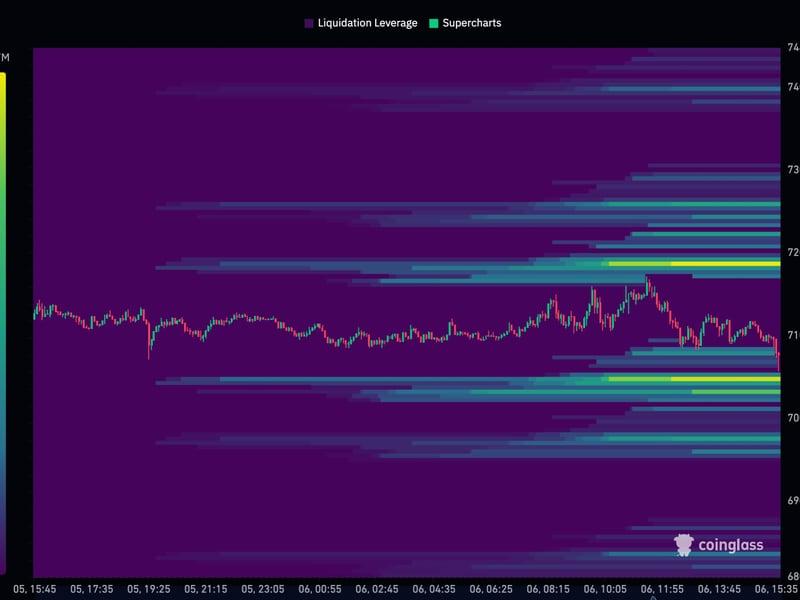
Analysis of Cryptocurrency Market Dynamics

- Market Value Changes: Among the top 10 cryptocurrencies from June 2024, eight remain in the top 10 by 2026, but most have lost over 50% of their value, with Bitcoin down 47% and Ethereum down 55%, highlighting the extreme volatility and investment risks in the market.
- Rise of Stablecoins: Tether and USDC saw their market caps grow by 65% and 128%, respectively, indicating that in an unstable market environment, stablecoins have gained significant market share due to their utility and stability, serving as a safe haven for investors.
- New Entrants: TRON and Hyperliquid have emerged as new top 10 cryptocurrencies in 2026, rising from 13th and newly established positions, reflecting an increasing demand for practical financial tools, particularly in decentralized trading and smart contract applications.
- Investor Lessons: Despite significant price drops for many cryptocurrencies, Bitcoin and Ethereum maintain their dominant market positions, suggesting that in the crypto market, durability and utility are more important than hype, prompting investors to carefully select assets with real-world applications.
See More

Moody's Expands Credit Ratings to Tokenized Bonds on Solana

- Expansion of Credit Ratings: Moody's has expanded its credit rating services to include tokenized bonds and fixed-income securities, directly integrating these ratings onto Solana's blockchain, which is expected to enhance investor confidence in tokenized assets and boost Solana's market appeal.
- Increased Trading Efficiency: By converting fixed-income securities into digital tokens, Moody's integration allows investors to trade 24/7 without intermediaries, significantly reducing transaction costs and simplifying the investment process, which is likely to attract more investors.
- Competitive Market Advantage: While Ethereum remains the market leader, Solana's Layer-1 blockchain offers significantly faster speeds, and Moody's support is set to further solidify Solana's competitive position in tokenized asset trading, especially with the upcoming Alpenglow upgrade.
- Future Growth Potential: Moody's backing not only strengthens Solana's prospects as a high-speed highway for blockchain transactions but also indicates its increasing importance among financial institutions, suggesting that despite this year's crypto market volatility, Solana could still have a bright future.
See More

Moody's Integrates Credit Ratings with Solana Blockchain

- Credit Rating Integration: Moody's integration of its credit ratings directly onto Solana's blockchain signifies increased confidence in tokenized assets, which is expected to enhance investor trust and usage frequency on the Solana platform.
- Trading Efficiency Boost: By tokenizing fixed-income securities, Moody's enables these assets to be traded instantly on the blockchain, reducing transaction costs and eliminating the need for intermediaries, allowing investors to trade more swiftly.
- Enhanced Market Competitiveness: While Ethereum remains the market leader, Solana's Layer-1 blockchain is significantly faster, and Moody's support may attract more financial institutions to tokenize assets on Solana, further strengthening its market position.
- Optimistic Future Outlook: Moody's integration not only serves as a vote of confidence for Solana but also indicates potential future collaborations with other blockchains like Ethereum, suggesting ongoing expansion potential for Solana in the blockchain transaction space.
See More

Federal Reserve Proposes Customer ID Requirements for Stablecoin Issuers
- Regulatory Proposal: The Federal Reserve announced on Thursday a proposal requiring certain payment stablecoin issuers to establish customer identification programs similar to those mandated for banks and credit unions, aimed at enhancing financial transparency and compliance.
- Implementation of GENIUS Act: This proposal is one of the measures taken to implement the GENIUS Act, which aims to provide a framework for stablecoin regulation and ensure compliance with anti-money laundering laws.
- Limited Applicability: The proposal applies only to a subset of payment stablecoin issuers, directing permitted payment stablecoin issuers to be treated as financial institutions under the Bank Secrecy Act, thereby strengthening identity verification and account holder identification.
- Market Reaction: Circle Internet (CRCL), the issuer of the USDC stablecoin, saw its stock fall by 2.2% in Thursday morning trading, reflecting market concerns over the potential compliance costs and operational impacts of the new regulations.
See More
US Senate Passes Anti-CBDC Bill with 85-5 Vote
- Senate Voting Outcome: The US Senate passed H.R. 6644 with an 85-5 vote, prohibiting the Federal Reserve from issuing a central bank digital currency (CBDC) directly or indirectly, which will have significant implications for the future of the digital payments landscape.
- Bill Content Overview: The anti-CBDC provisions revive key elements of Rep. Tom Emmer's Anti-CBDC Surveillance State Act, aiming to protect the market position of private stablecoins and prevent the Fed from becoming a potential competitor.
- Housing Bill Context: The bill is part of a broader housing package aimed at increasing housing supply, reducing costs for families, and incentivizing private sector investment, reflecting a strong bipartisan consensus in Congress on housing reform.
- Stablecoin Market Impact: The passage of the anti-CBDC provisions will protect private stablecoin issuers like Circle and Tether from Fed competition for at least four years, thereby solidifying their market position in the evolving digital currency ecosystem.
See More
Two-Year Review and Outlook of the Crypto Market
- Bitcoin Price Volatility: Bitcoin's price dropped from $118,603.40 in June 2024 to $63,168.88 in 2026, with its market cap decreasing from $1.29 trillion to $1.26 trillion, indicating a significant 47% decline that reflects waning market confidence in cryptocurrencies.
- Ethereum and Other Coins' Performance: Ethereum's price fell from $3,763.25 to $1,702.39, with a 55% drop in market cap, while Solana experienced a 50% decline, highlighting the substantial challenges faced by mainstream cryptocurrencies amid market volatility.
- Growth of Stablecoin Market: Tether's market cap increased by 65% over two years, and USDC's market cap more than doubled, underscoring the growing importance of stablecoins in the crypto market, particularly in an unstable economic environment.
- Emergence of New Cryptocurrencies: TRON rose from 13th place in 2024 to the top 10, while Hyperliquid launched in November 2024, indicating a sustained demand for innovative financial systems, especially in the decentralized exchange sector.
See More
Analysis of Cryptocurrency Market Dynamics
- Market Value Changes: Among the top 10 cryptocurrencies from June 2024, eight remain in the top 10 by 2026, but most have lost over 50% of their value, with Bitcoin down 47% and Ethereum down 55%, highlighting the extreme volatility and investment risks in the market.
- Rise of Stablecoins: Tether and USDC saw their market caps grow by 65% and 128%, respectively, indicating that in an unstable market environment, stablecoins have gained significant market share due to their utility and stability, serving as a safe haven for investors.
- New Entrants: TRON and Hyperliquid have emerged as new top 10 cryptocurrencies in 2026, rising from 13th and newly established positions, reflecting an increasing demand for practical financial tools, particularly in decentralized trading and smart contract applications.
- Investor Lessons: Despite significant price drops for many cryptocurrencies, Bitcoin and Ethereum maintain their dominant market positions, suggesting that in the crypto market, durability and utility are more important than hype, prompting investors to carefully select assets with real-world applications.
See More
Moody's Expands Credit Ratings to Tokenized Bonds on Solana
- Expansion of Credit Ratings: Moody's has expanded its credit rating services to include tokenized bonds and fixed-income securities, directly integrating these ratings onto Solana's blockchain, which is expected to enhance investor confidence in tokenized assets and boost Solana's market appeal.
- Increased Trading Efficiency: By converting fixed-income securities into digital tokens, Moody's integration allows investors to trade 24/7 without intermediaries, significantly reducing transaction costs and simplifying the investment process, which is likely to attract more investors.
- Competitive Market Advantage: While Ethereum remains the market leader, Solana's Layer-1 blockchain offers significantly faster speeds, and Moody's support is set to further solidify Solana's competitive position in tokenized asset trading, especially with the upcoming Alpenglow upgrade.
- Future Growth Potential: Moody's backing not only strengthens Solana's prospects as a high-speed highway for blockchain transactions but also indicates its increasing importance among financial institutions, suggesting that despite this year's crypto market volatility, Solana could still have a bright future.
See More
Moody's Integrates Credit Ratings with Solana Blockchain
- Credit Rating Integration: Moody's integration of its credit ratings directly onto Solana's blockchain signifies increased confidence in tokenized assets, which is expected to enhance investor trust and usage frequency on the Solana platform.
- Trading Efficiency Boost: By tokenizing fixed-income securities, Moody's enables these assets to be traded instantly on the blockchain, reducing transaction costs and eliminating the need for intermediaries, allowing investors to trade more swiftly.
- Enhanced Market Competitiveness: While Ethereum remains the market leader, Solana's Layer-1 blockchain is significantly faster, and Moody's support may attract more financial institutions to tokenize assets on Solana, further strengthening its market position.
- Optimistic Future Outlook: Moody's integration not only serves as a vote of confidence for Solana but also indicates potential future collaborations with other blockchains like Ethereum, suggesting ongoing expansion potential for Solana in the blockchain transaction space.
See More
Federal Reserve Proposes Customer ID Requirements for Stablecoin Issuers
- Regulatory Proposal: The Federal Reserve announced on Thursday a proposal requiring certain payment stablecoin issuers to establish customer identification programs similar to those mandated for banks and credit unions, aimed at enhancing financial transparency and compliance.
- Implementation of GENIUS Act: This proposal is one of the measures taken to implement the GENIUS Act, which aims to provide a framework for stablecoin regulation and ensure compliance with anti-money laundering laws.
- Limited Applicability: The proposal applies only to a subset of payment stablecoin issuers, directing permitted payment stablecoin issuers to be treated as financial institutions under the Bank Secrecy Act, thereby strengthening identity verification and account holder identification.
- Market Reaction: Circle Internet (CRCL), the issuer of the USDC stablecoin, saw its stock fall by 2.2% in Thursday morning trading, reflecting market concerns over the potential compliance costs and operational impacts of the new regulations.
See More