Analysts See 19% Gains Ahead For FHLC

Fidelity MSCI Health Care Index ETF Analysis: The Fidelity MSCI Health Care Index ETF (FHLC) has an implied analyst target price of $76.32, indicating an 18.99% upside from its current trading price of $64.14.
Notable Holdings with Upside Potential: Key underlying holdings such as uniQure N.V., Viridian Therapeutics Inc., and Cogent Biosciences Inc. show significant potential for growth, with expected price increases of 148.28%, 124.96%, and 69.73% respectively based on analyst targets.
Trade with 70% Backtested Accuracy
Analyst Views on VRDN

About VRDN
About the author

HighVista Strategies Reduces Stake in Viridian Therapeutics
- Stake Reduction Details: HighVista Strategies reported a sale of 238,243 shares of Viridian Therapeutics in its SEC filing dated May 15, 2026, with an estimated trade value of $7.08 million, indicating a cautious outlook on the company's future prospects.
- Impact of Price Fluctuations: Following the sale, the quarter-end value of Viridian's position declined by $8.97 million, reflecting market volatility and uncertainty that could affect investor confidence in the stock.
- Company Performance Overview: As of May 14, 2026, Viridian's shares were priced at $17.43, representing a 35% increase over the past year, outperforming the S&P 500's 25% gain, showcasing its competitive edge in the biotechnology sector.
- FDA Decision Outlook: With an FDA decision on the lead therapy veligrotug looming on June 30, investors may be locking in gains while also eyeing potential market opportunities in treating thyroid eye disease, which could significantly impact the company's future trajectory.
HighVista Strategies Cuts Stake in Viridian Therapeutics by $7 Million
- Stake Reduction Details: HighVista Strategies reported a sale of 238,243 shares of Viridian Therapeutics in its SEC filing dated May 15, 2026, representing an estimated $7.08 million trade, indicating a cautious outlook on the company's future performance.
- Impact of Stock Price Fluctuations: Despite Viridian Therapeutics' stock price rising 35% over the past year, the value of its position declined by $8.97 million at quarter-end, reflecting market concerns regarding the upcoming FDA decision.
- Company Financial Overview: Viridian's latest financial report indicates a revenue of $70.85 million and a net loss of $342.6 million over the trailing twelve months, highlighting the financial pressures faced during its development phase, which may affect investor confidence.
- Market Outlook and Challenges: With an FDA decision looming on June 30 for its lead therapy, Viridian's market performance may be impacted, especially after its Phase 3 clinical data fell short of expectations, prompting investors to carefully assess risks and opportunities.

Viridian Therapeutics Raises $350M Through Upsized Public Offerings
- Upsized Offerings: Viridian Therapeutics successfully priced concurrent public offerings totaling $350 million, including $225 million of 1.75% convertible senior notes due 2032, indicating strong market demand for its securities.
- Debt Repayment Strategy: The company plans to allocate approximately $334.7 million in net proceeds to repay outstanding debt under its agreement with Hercules Capital, which will enhance its financial stability and reduce risk exposure.
- Market Expansion Initiatives: Part of the funds will support market expansion studies for its thyroid eye disease franchise, aiming to increase market share and strengthen competitive positioning in this therapeutic area.
- Pipeline Advancement: Viridian intends to use the financing to advance earlier-stage pipeline programs, which not only diversifies its product offerings but also lays the groundwork for potential future revenue growth.
Viridian Therapeutics Completes $225 Million Financing
- Upsized Financing: Viridian Therapeutics announced an upsized public offering of $225 million in convertible senior notes and common stock, with estimated net proceeds of approximately $334.7 million, significantly bolstering the company's financial position to support R&D and market expansion.
- Convertible Notes Details: The notes carry an interest rate of 1.75% and mature in 2032, with an initial conversion price of about $24.65 per share, representing a 45% conversion premium, providing attractive terms for investors while offering flexibility for future financing.
- Clear Use of Proceeds: Viridian intends to utilize the proceeds to repay outstanding debt with Hercules Capital, fund market expansion studies for its thyroid eye disease (TED) franchise, and advance its early pipeline, demonstrating a strategic focus on future growth opportunities.
- Strong Underwriter Lineup: With Jefferies, Leerink Partners, and Goldman Sachs as joint book-running managers, the offering enhances market confidence, indicating investor optimism about Viridian's prospects, which could drive the company's stock price higher.
Viridian Therapeutics Reveals Pricing for Increased Concurrent Public Offerings of 1.75% Convertible Senior Notes Due 2032 and Common Stock, Targeting Total Gross Proceeds of $350 Million
Announcement of Public Offerings: Viridian Therapeutics has announced the pricing of its upsized concurrent public offerings.
Details of Offerings: The offerings include 1.75% convertible senior notes due in 2032 and common stock, with aggregate gross proceeds expected to be $350 million.
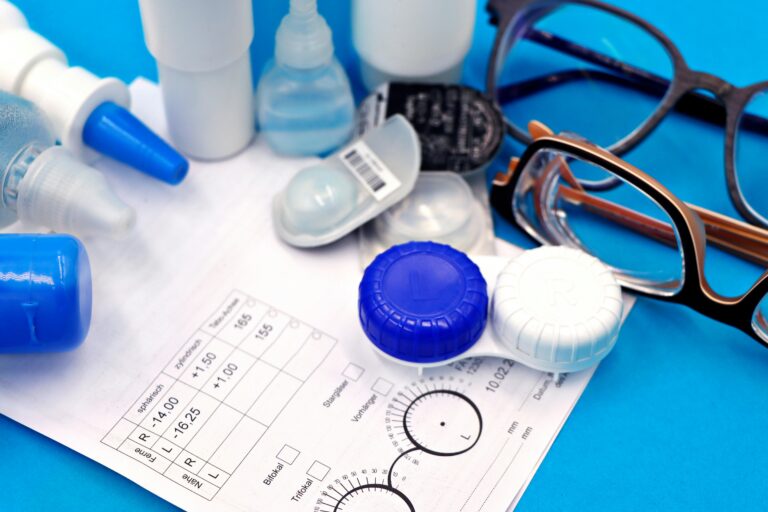
Viridian Therapeutics Stock Soars 33.36% Amid Treatment Launch
- Stock Surge: Viridian Therapeutics saw its stock price soar by 33.36% on Tuesday, closing at $18.75 per share, as investor sentiment was buoyed by the upcoming commercialization of its eye disease treatment, indicating strong market anticipation for its product.
- Launch Preparedness: The company announced its readiness for the launch of veligrotug, having assembled a field team including sales personnel and engaged with physicians, payers, and key opinion leaders, demonstrating proactive efforts in market promotion.
- Positive Clinical Data: CEO Steve Mahoney stated that with positive topline data from REVEAL-1 and REVEAL-2, the treatment has the potential to be the simplest and most convenient option for thyroid eye disease, further boosting investor confidence.
- Financial Performance Boost: Despite a 30% year-over-year increase in net loss to $92 million in the first quarter, total revenues surged by 96% to $141 million, highlighting strong growth potential driven by product demand.
HighVista Strategies Reduces Stake in Viridian Therapeutics
- Stake Reduction Details: HighVista Strategies reported a sale of 238,243 shares of Viridian Therapeutics in its SEC filing dated May 15, 2026, with an estimated trade value of $7.08 million, indicating a cautious outlook on the company's future prospects.
- Impact of Price Fluctuations: Following the sale, the quarter-end value of Viridian's position declined by $8.97 million, reflecting market volatility and uncertainty that could affect investor confidence in the stock.
- Company Performance Overview: As of May 14, 2026, Viridian's shares were priced at $17.43, representing a 35% increase over the past year, outperforming the S&P 500's 25% gain, showcasing its competitive edge in the biotechnology sector.
- FDA Decision Outlook: With an FDA decision on the lead therapy veligrotug looming on June 30, investors may be locking in gains while also eyeing potential market opportunities in treating thyroid eye disease, which could significantly impact the company's future trajectory.
HighVista Strategies Cuts Stake in Viridian Therapeutics by $7 Million
- Stake Reduction Details: HighVista Strategies reported a sale of 238,243 shares of Viridian Therapeutics in its SEC filing dated May 15, 2026, representing an estimated $7.08 million trade, indicating a cautious outlook on the company's future performance.
- Impact of Stock Price Fluctuations: Despite Viridian Therapeutics' stock price rising 35% over the past year, the value of its position declined by $8.97 million at quarter-end, reflecting market concerns regarding the upcoming FDA decision.
- Company Financial Overview: Viridian's latest financial report indicates a revenue of $70.85 million and a net loss of $342.6 million over the trailing twelve months, highlighting the financial pressures faced during its development phase, which may affect investor confidence.
- Market Outlook and Challenges: With an FDA decision looming on June 30 for its lead therapy, Viridian's market performance may be impacted, especially after its Phase 3 clinical data fell short of expectations, prompting investors to carefully assess risks and opportunities.
Viridian Therapeutics Raises $350M Through Upsized Public Offerings
- Upsized Offerings: Viridian Therapeutics successfully priced concurrent public offerings totaling $350 million, including $225 million of 1.75% convertible senior notes due 2032, indicating strong market demand for its securities.
- Debt Repayment Strategy: The company plans to allocate approximately $334.7 million in net proceeds to repay outstanding debt under its agreement with Hercules Capital, which will enhance its financial stability and reduce risk exposure.
- Market Expansion Initiatives: Part of the funds will support market expansion studies for its thyroid eye disease franchise, aiming to increase market share and strengthen competitive positioning in this therapeutic area.
- Pipeline Advancement: Viridian intends to use the financing to advance earlier-stage pipeline programs, which not only diversifies its product offerings but also lays the groundwork for potential future revenue growth.
Viridian Therapeutics Completes $225 Million Financing
- Upsized Financing: Viridian Therapeutics announced an upsized public offering of $225 million in convertible senior notes and common stock, with estimated net proceeds of approximately $334.7 million, significantly bolstering the company's financial position to support R&D and market expansion.
- Convertible Notes Details: The notes carry an interest rate of 1.75% and mature in 2032, with an initial conversion price of about $24.65 per share, representing a 45% conversion premium, providing attractive terms for investors while offering flexibility for future financing.
- Clear Use of Proceeds: Viridian intends to utilize the proceeds to repay outstanding debt with Hercules Capital, fund market expansion studies for its thyroid eye disease (TED) franchise, and advance its early pipeline, demonstrating a strategic focus on future growth opportunities.
- Strong Underwriter Lineup: With Jefferies, Leerink Partners, and Goldman Sachs as joint book-running managers, the offering enhances market confidence, indicating investor optimism about Viridian's prospects, which could drive the company's stock price higher.
Viridian Therapeutics Reveals Pricing for Increased Concurrent Public Offerings of 1.75% Convertible Senior Notes Due 2032 and Common Stock, Targeting Total Gross Proceeds of $350 Million
Announcement of Public Offerings: Viridian Therapeutics has announced the pricing of its upsized concurrent public offerings.
Details of Offerings: The offerings include 1.75% convertible senior notes due in 2032 and common stock, with aggregate gross proceeds expected to be $350 million.
Viridian Therapeutics Stock Soars 33.36% Amid Treatment Launch
- Stock Surge: Viridian Therapeutics saw its stock price soar by 33.36% on Tuesday, closing at $18.75 per share, as investor sentiment was buoyed by the upcoming commercialization of its eye disease treatment, indicating strong market anticipation for its product.
- Launch Preparedness: The company announced its readiness for the launch of veligrotug, having assembled a field team including sales personnel and engaged with physicians, payers, and key opinion leaders, demonstrating proactive efforts in market promotion.
- Positive Clinical Data: CEO Steve Mahoney stated that with positive topline data from REVEAL-1 and REVEAL-2, the treatment has the potential to be the simplest and most convenient option for thyroid eye disease, further boosting investor confidence.
- Financial Performance Boost: Despite a 30% year-over-year increase in net loss to $92 million in the first quarter, total revenues surged by 96% to $141 million, highlighting strong growth potential driven by product demand.