Analysts Recommend Low-Beta, High-Yield Stocks Amid Market Volatility
Written by Emily J. Thompson, Senior Investment Analyst
Updated: Mar 04 2026
0mins


Source: NASDAQ.COM
- Market Volatility Factors: The U.S. stock market has shown mixed performance in 2026, primarily influenced by concerns over AI investment sustainability, Trump's tariffs, and geopolitical conflicts in the Middle East, which have heightened the appeal of low-beta stocks for investors seeking stability.
- Hershey's Performance: Hershey (HSY) is projected to achieve revenue and earnings growth rates of 4.8% and 29.3% for 2026, respectively, with the Zacks consensus estimate for earnings improving by 16.7% over the past 30 days, indicating strong performance and innovation in the snack market.
- BHP Group Dynamics: BHP (BHP) reported a 1% decline in iron ore output but a 4% increase in copper production in Q1 2026, with projected iron ore production between 258-269 million tons, reflecting stability in the global mining market and confidence in future growth.
- Atmos Energy Outlook: Atmos Energy (ATO) expects revenue and earnings growth rates of 18.8% and 9% for 2026, respectively, and has enhanced profitability and shareholder value through strategic acquisitions and new customer additions, showcasing strong potential amid rising natural gas demand.
Trade with 70% Backtested Accuracy
Stop guessing "Should I Buy ETR?" and start using high-conviction signals backed by rigorous historical data.
Sign up today to access powerful investing tools and make smarter, data-driven decisions.
Analyst Views on ETR
Wall Street analysts forecast ETR stock price to fall
15 Analyst Rating
11 Buy
4 Hold
0 Sell
Moderate Buy
Current: 110.860

Low
86.00
Averages
103.87
High
115.00
Current: 110.860
Low
86.00
Averages
103.87
High
115.00
About ETR
Entergy Corporation is an integrated energy company engaged primarily in electric power production and retail distribution operations. The Company operates primarily through a single segment, Utility. The Utility segment includes the generation, transmission, distribution, and sale of electric power in portions of Arkansas, Mississippi, Texas, and Louisiana, including the City of New Orleans. The Utility segment includes five retail electric utility subsidiaries: Entergy Arkansas, LLC, Entergy Louisiana, LLC, Entergy Mississippi, LLC, Entergy New Orleans, LLC, and Entergy Texas, Inc. These companies generate, transmit, distribute, and sell electric power to retail and wholesale customers in Arkansas, Louisiana, Mississippi, and Texas. The Company owns and operates power plants with approximately 25,000 MW of electric generating capacity. It delivers electricity to approximately three million utility customers in Arkansas, Louisiana, Mississippi, and Texas.
About the author

Emily J. Thompson
Emily J. Thompson, a Chartered Financial Analyst (CFA) with 12 years in investment research, graduated with honors from the Wharton School. Specializing in industrial and technology stocks, she provides in-depth analysis for Intellectia’s earnings and market brief reports.

Entergy Texas Declares Quarterly Dividend Payment
- Quarterly Dividend Declaration: Entergy Texas's board has declared a quarterly dividend of $0.3359375 per share, payable on July 15, 2026, to shareholders of record as of July 2, 2026, reflecting the company's commitment to shareholder returns.
- Customer Base Overview: Entergy Texas serves approximately 538,000 customers across 27 counties, connected to the Midcontinent Independent System Operator grid, ensuring reliable and efficient power transmission, which enhances the company's competitive position in the regional market.
- Sustainability Investments: The company is focused on future growth by investing in a more resilient and cleaner energy system, including modern natural gas, nuclear, and renewable energy generation, aimed at reducing customer costs while enhancing energy supply reliability.
- Community Economic Contribution: As a nationally recognized leader in sustainability and corporate citizenship, Entergy delivers over $100 million in economic benefits annually to the communities it serves through philanthropy, volunteerism, and advocacy, further solidifying its image in social responsibility.
See More
Entergy Texas Declares Quarterly Dividend Payment
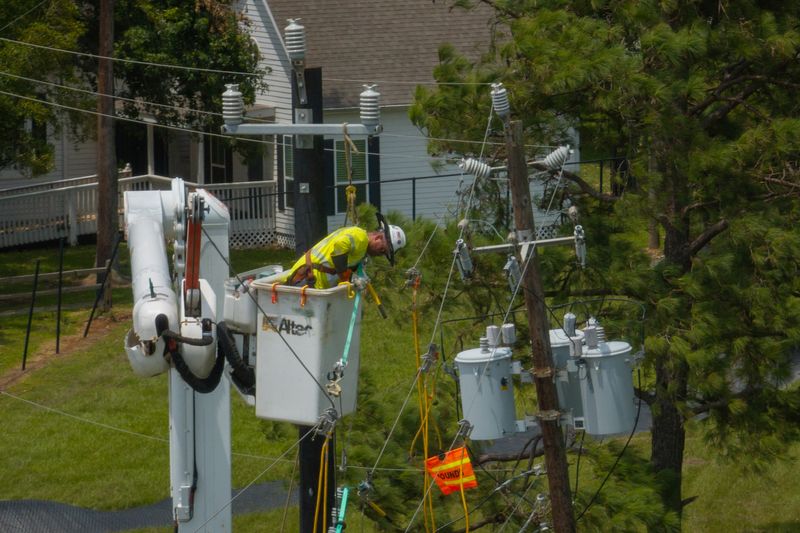
- Quarterly Dividend Announcement: Entergy Texas's board has declared a quarterly dividend of $0.3359375 per share, payable on July 15, 2026, to shareholders of record as of July 2, 2026, reflecting the company's commitment to shareholder returns.
- Broad Customer Base: Entergy Texas serves approximately 538,000 customers across 27 counties, connected to the Midcontinent Independent System Operator grid, ensuring stability and reliability in power supply across the central United States.
- Sustainability Investments: The company is focused on future growth by investing in a more resilient and cleaner energy system, including modern natural gas, nuclear, and renewable energy generation, aimed at reducing costs for customers while enhancing energy reliability.
- Community Economic Contributions: As a nationally recognized leader in sustainability and corporate citizenship, Entergy delivers over $100 million in economic benefits annually to the communities it serves through philanthropy, volunteerism, and advocacy, reinforcing its commitment to social responsibility.
See More

Market Dynamics and Investment Strategy Analysis


- Market Opening Outlook: Following President Trump's remarks about Iran's delay in peace negotiations, stocks are expected to open lower, with rising oil prices; although the May consumer price index met expectations, the market's anticipation of a Fed interest rate hike indicates investor caution regarding future economic conditions.
- SpaceX IPO Activity: As investors liquidate stock positions to buy into the SpaceX IPO, this trend is expected to intensify ahead of Friday's trading start, with the need for rebalancing in the Nasdaq 100 index making large-cap companies significant contributors, reflecting strong market interest in emerging tech firms.
- Enterprise Model Launch: Anthropic unveiled its high-powered enterprise model, Claude Fable 5, based on Mythos, promising a measured release approach due to its effectiveness in identifying security flaws, showcasing the company's innovative potential in the AI sector.
- Analyst Rating Changes: Evercore ISI upgraded Entergy from hold to buy, raising the price target from $115 to $121, as analysts expressed confidence in the management's ability to attract significant demand, reflecting an optimistic outlook for the electric power industry.
See More

Latest Wall Street Ratings Overview

- Tesla's Self-Driving Tech: Piper Sandler reiterates Tesla as overweight, highlighting progress in its full self-driving software despite ongoing market skepticism, reflecting competitive pressures in the autonomous driving sector.
- Hyliion Stock Rating: Needham initiates coverage of Hyliion Holdings with a Buy rating and a $9 target, indicating strong performance in power solutions and showcasing the company's market potential and growth momentum.
- Healthcare Market Opportunity: Barclays upgrades Oscar Health from equal weight to overweight, believing the company's single-line exposure to the Individual ACA market provides direct leverage for potential multi-year re-rating, signaling recovery in margins.
- Nvidia Stock Attractiveness: Rosenblatt reiterates Nvidia as a Buy, emphasizing its leadership in AI computing and strong growth visibility, with shares currently trading at a ~35% discount to peers, indicating significant investment value.
See More
Entergy CEO: Data Centers Can Benefit Communities
- Community Responsibility: Entergy CEO Drew Marsh emphasized that data centers should strive to be good neighbors, indicating the company's commitment to fostering positive relationships with communities and preventing residential customers from bearing the brunt of surging power demands.
- Fair Cost Sharing: Entergy's “Fair Share Plus” framework mandates data center operators to cover the costs of servicing their facilities while also contributing to expenses typically shared by utility customers, ensuring residents are not adversely affected.
- Long-term Savings: This framework is expected to generate approximately $7 billion in savings for existing customers over the 15 to 20-year contract period, reflecting the company's strategic focus on balancing data center demands with residential interests.
- Infrastructure Investment: Marsh noted that data centers are required to pay for all incremental infrastructure costs and a portion of fixed costs, including overhead and storm-related expenses, thereby alleviating the financial burden on existing customers while supporting future power demand growth.
See More
Entergy CEO: Data Centers Can Benefit Local Communities
- Community Benefit Framework: Entergy CEO Drew Marsh stated that the rapid development of data centers can provide benefits to residential communities rather than being a burden, reflecting the company's commitment to community responsibility.
- Cost Savings Commitment: Through the 'Fair Share Plus' framework, data center operators will cover infrastructure and other costs, expected to generate approximately $7 billion in savings for existing customers, enhancing their economic benefits.
- Infrastructure Cost Coverage: Marsh emphasized that data centers are required to pay not only for the infrastructure they use but also for fixed costs, such as overhead and storm costs, thereby alleviating the financial burden on existing customers.
- Long-Term Contract Assurance: This framework is projected to yield significant savings over the 15 to 20-year contract period, indicating Entergy's strategic decision to promote sustainable development and community collaboration.
See More
Entergy Texas Declares Quarterly Dividend Payment
- Quarterly Dividend Declaration: Entergy Texas's board has declared a quarterly dividend of $0.3359375 per share, payable on July 15, 2026, to shareholders of record as of July 2, 2026, reflecting the company's commitment to shareholder returns.
- Customer Base Overview: Entergy Texas serves approximately 538,000 customers across 27 counties, connected to the Midcontinent Independent System Operator grid, ensuring reliable and efficient power transmission, which enhances the company's competitive position in the regional market.
- Sustainability Investments: The company is focused on future growth by investing in a more resilient and cleaner energy system, including modern natural gas, nuclear, and renewable energy generation, aimed at reducing customer costs while enhancing energy supply reliability.
- Community Economic Contribution: As a nationally recognized leader in sustainability and corporate citizenship, Entergy delivers over $100 million in economic benefits annually to the communities it serves through philanthropy, volunteerism, and advocacy, further solidifying its image in social responsibility.
See More
Entergy Texas Declares Quarterly Dividend Payment
- Quarterly Dividend Announcement: Entergy Texas's board has declared a quarterly dividend of $0.3359375 per share, payable on July 15, 2026, to shareholders of record as of July 2, 2026, reflecting the company's commitment to shareholder returns.
- Broad Customer Base: Entergy Texas serves approximately 538,000 customers across 27 counties, connected to the Midcontinent Independent System Operator grid, ensuring stability and reliability in power supply across the central United States.
- Sustainability Investments: The company is focused on future growth by investing in a more resilient and cleaner energy system, including modern natural gas, nuclear, and renewable energy generation, aimed at reducing costs for customers while enhancing energy reliability.
- Community Economic Contributions: As a nationally recognized leader in sustainability and corporate citizenship, Entergy delivers over $100 million in economic benefits annually to the communities it serves through philanthropy, volunteerism, and advocacy, reinforcing its commitment to social responsibility.
See More
Market Dynamics and Investment Strategy Analysis
- Market Opening Outlook: Following President Trump's remarks about Iran's delay in peace negotiations, stocks are expected to open lower, with rising oil prices; although the May consumer price index met expectations, the market's anticipation of a Fed interest rate hike indicates investor caution regarding future economic conditions.
- SpaceX IPO Activity: As investors liquidate stock positions to buy into the SpaceX IPO, this trend is expected to intensify ahead of Friday's trading start, with the need for rebalancing in the Nasdaq 100 index making large-cap companies significant contributors, reflecting strong market interest in emerging tech firms.
- Enterprise Model Launch: Anthropic unveiled its high-powered enterprise model, Claude Fable 5, based on Mythos, promising a measured release approach due to its effectiveness in identifying security flaws, showcasing the company's innovative potential in the AI sector.
- Analyst Rating Changes: Evercore ISI upgraded Entergy from hold to buy, raising the price target from $115 to $121, as analysts expressed confidence in the management's ability to attract significant demand, reflecting an optimistic outlook for the electric power industry.
See More
Latest Wall Street Ratings Overview
- Tesla's Self-Driving Tech: Piper Sandler reiterates Tesla as overweight, highlighting progress in its full self-driving software despite ongoing market skepticism, reflecting competitive pressures in the autonomous driving sector.
- Hyliion Stock Rating: Needham initiates coverage of Hyliion Holdings with a Buy rating and a $9 target, indicating strong performance in power solutions and showcasing the company's market potential and growth momentum.
- Healthcare Market Opportunity: Barclays upgrades Oscar Health from equal weight to overweight, believing the company's single-line exposure to the Individual ACA market provides direct leverage for potential multi-year re-rating, signaling recovery in margins.
- Nvidia Stock Attractiveness: Rosenblatt reiterates Nvidia as a Buy, emphasizing its leadership in AI computing and strong growth visibility, with shares currently trading at a ~35% discount to peers, indicating significant investment value.
See More
Entergy CEO: Data Centers Can Benefit Communities
- Community Responsibility: Entergy CEO Drew Marsh emphasized that data centers should strive to be good neighbors, indicating the company's commitment to fostering positive relationships with communities and preventing residential customers from bearing the brunt of surging power demands.
- Fair Cost Sharing: Entergy's “Fair Share Plus” framework mandates data center operators to cover the costs of servicing their facilities while also contributing to expenses typically shared by utility customers, ensuring residents are not adversely affected.
- Long-term Savings: This framework is expected to generate approximately $7 billion in savings for existing customers over the 15 to 20-year contract period, reflecting the company's strategic focus on balancing data center demands with residential interests.
- Infrastructure Investment: Marsh noted that data centers are required to pay for all incremental infrastructure costs and a portion of fixed costs, including overhead and storm-related expenses, thereby alleviating the financial burden on existing customers while supporting future power demand growth.
See More
Entergy CEO: Data Centers Can Benefit Local Communities
- Community Benefit Framework: Entergy CEO Drew Marsh stated that the rapid development of data centers can provide benefits to residential communities rather than being a burden, reflecting the company's commitment to community responsibility.
- Cost Savings Commitment: Through the 'Fair Share Plus' framework, data center operators will cover infrastructure and other costs, expected to generate approximately $7 billion in savings for existing customers, enhancing their economic benefits.
- Infrastructure Cost Coverage: Marsh emphasized that data centers are required to pay not only for the infrastructure they use but also for fixed costs, such as overhead and storm costs, thereby alleviating the financial burden on existing customers.
- Long-Term Contract Assurance: This framework is projected to yield significant savings over the 15 to 20-year contract period, indicating Entergy's strategic decision to promote sustainable development and community collaboration.
See More