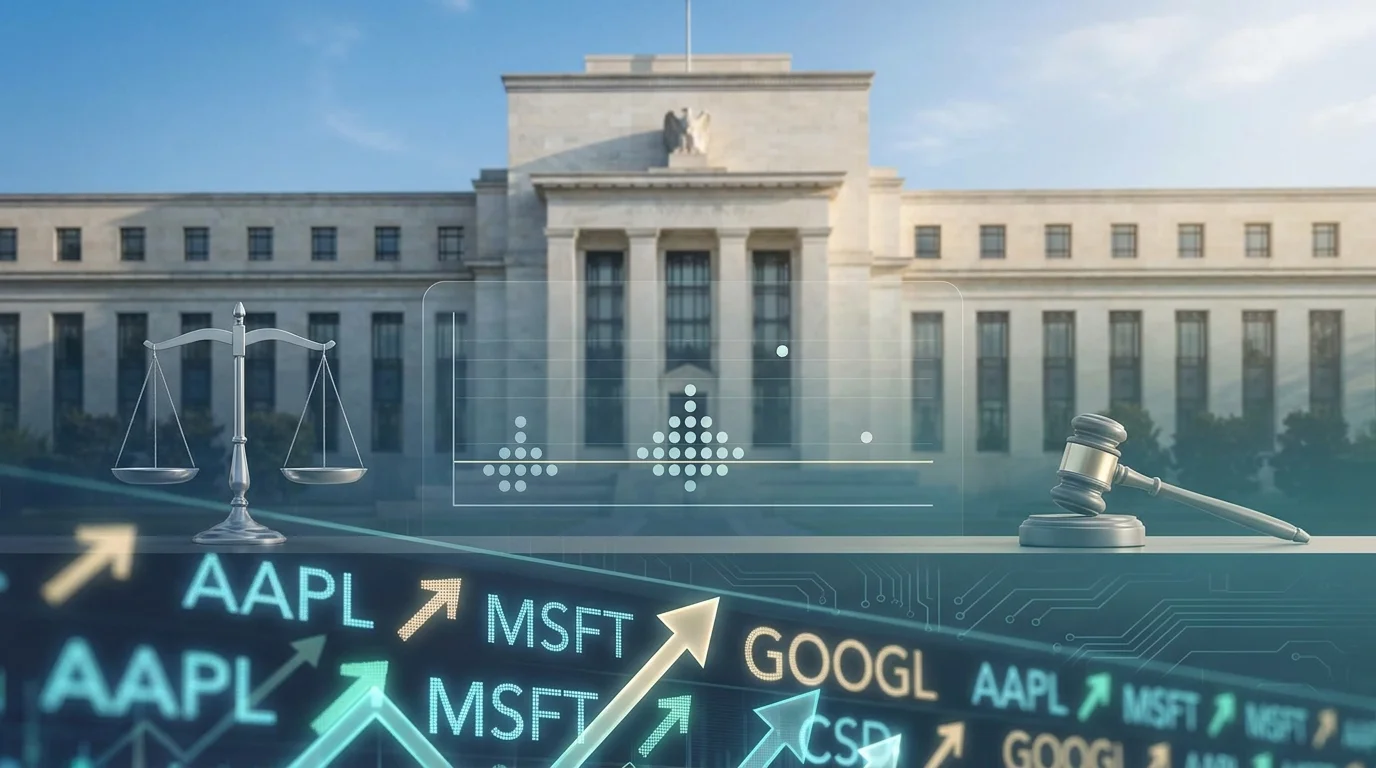

Key Takeaway
The tokenized Treasury market has crossed a historic milestone, reaching $15 billion in assets under management as institutional investors increasingly seek on-chain exposure to traditional fixed-income instruments. This explosive growth, driven by soaring demand from stablecoin issuers, DeFi protocols, and institutional treasuries, represents a fundamental shift in how global capital markets operate. BlackRock's recent SEC filings for two new tokenized funds signal that the world's largest asset manager is doubling down on blockchain-based finance, transforming what began as experimental technology into a core market strategy.
The convergence of regulatory clarity through the GENIUS Act and technological maturation is creating a perfect storm for real-world asset (RWA) tokenization. For investors, this represents both an opportunity to participate in the digitization of traditional finance and a warning sign that capital allocation strategies must adapt to a world where yield-bearing instruments exist seamlessly across both traditional and blockchain rails.
Ready to identify the next wave of tokenization winners? Intellectia's AI Stock Picker analyzes thousands of data points to surface opportunities in the rapidly evolving digital asset landscape.
The $15 Billion Milestone: Tokenized Treasuries Go Mainstream
The tokenized Treasury market has achieved a watershed moment, surpassing $15 billion in total value locked as investors flock to blockchain-based government debt instruments. This explosive growth represents a nearly tenfold increase from just two years ago, when the entire market barely exceeded $1 billion. The acceleration reflects a profound institutional shift toward on-chain finance, driven by the unique advantages that blockchain infrastructure offers for managing yield-bearing dollar instruments.
Several factors have converged to fuel this remarkable expansion. Rising interest rates over the past year have made Treasury yields attractive again, with short-term T-bills offering returns not seen in over a decade. Simultaneously, the infrastructure for tokenized assets has matured considerably, with regulated platforms like Securitize, Ondo Finance, and Superstate providing compliant pathways for institutional capital to access on-chain yields. The result is a vibrant ecosystem where traditional fixed-income products trade alongside crypto-native assets.
BlackRock has emerged as the undisputed leader in this space. The firm's BUIDL fund (BlackRock USD Institutional Digital Liquidity Fund), launched in March 2024, has grown to become the largest tokenized Treasury fund globally with approximately $2.45 billion in assets under management. This success has demonstrated that institutional demand for on-chain, yield-bearing dollar instruments is not just theoretical but substantial and growing.
The composition of demand reveals telling insights about market evolution. Stablecoin issuers represent a significant portion of inflows, as they seek to generate yield on the massive reserves backing their tokens. DeFi protocols have also become major participants, using tokenized Treasuries as collateral and liquidity backstops for their smart contract systems. Additionally, corporate treasuries from both crypto-native companies and traditional enterprises are increasingly allocating capital to these instruments as part of cash management strategies.
BlackRock's Strategic Expansion: Filing for New Tokenized Funds
On May 8, 2026, BlackRock made waves across financial markets by filing with the U.S. Securities and Exchange Commission for two new tokenized funds. This move, coming just weeks after BUIDL's remarkable success, confirms that tokenization has transitioned from experimental pilot projects to a core component of the asset manager's strategic roadmap. The filings signal BlackRock's intent to capture dominant market share in what it clearly views as the future of fixed-income investing.
The first proposed fund appears designed as a stablecoin reserve vehicle, targeting the $200+ billion stablecoin market that currently earns minimal yield on underlying reserves. By offering a regulated, yield-generating Treasury product accessible on blockchain rails, BlackRock could capture significant flows from stablecoin issuers looking to optimize their treasury operations. This positioning would make BlackRock an essential infrastructure provider for the digital payments ecosystem.
The second filing reportedly targets a broader on-chain money market strategy, potentially with a $6.9 billion initial capacity. This would dwarf existing tokenized Treasury products and establish BlackRock as the category king in institutional-grade blockchain yield products. The scale of this ambition demonstrates Larry Fink's conviction that tokenization represents "the next generation for markets" – a view he has articulated consistently over the past year.
Analysts are taking notice of BlackRock's aggressive expansion. The firm's Ethereum-based tokenization infrastructure, developed in partnership with Securitize, provides significant technical advantages including 24/7 trading, instant settlement, and programmable compliance. These capabilities address longstanding pain points in traditional fixed-income markets, where settlement can take days and trading hours are limited. BlackRock's technological edge positions it to capture market share not just from crypto competitors but from traditional money market providers as well.

Want to screen for stocks benefiting from the tokenization mega-trend? Intellectia's AI Screener helps you filter thousands of equities to find exposure to the digital asset revolution.
The GENIUS Act: Regulatory Clarity Catalyzes Growth
The regulatory landscape for tokenized assets has been transformed by the passage of the GENIUS Act (Guidance for Electronic Networks and Interconnected Usable Systems), landmark legislation enacted in 2026 that establishes the first comprehensive federal framework for stablecoins and payment tokens. This regulatory clarity has removed a major overhang that previously constrained institutional participation in tokenized Treasury markets.
The GENIUS Act officially regulates "Payment Stablecoins" and creates clear pathways for issuers to operate within the U.S. financial system. Scheduled to take full effect on January 18, 2027 (or 120 days after final implementing regulations are issued), the legislation provides an approximately 18-month compliance window. This timeline has accelerated planning cycles for financial institutions that had previously taken a wait-and-see approach to blockchain-based products.
Key provisions of the GENIUS Act directly benefit the tokenized Treasury market. The legislation clarifies that properly structured stablecoins backed by Treasury reserves qualify for favorable regulatory treatment, incentivizing issuers to hold high-quality liquid assets. Additionally, the Act establishes consumer protection standards that should increase mainstream confidence in blockchain-based financial products.
The SEC and CFTC have also issued joint guidance establishing a five-category token taxonomy, providing much-needed clarity on which digital assets fall under securities versus commodities jurisdiction. This framework helps tokenized Treasury providers navigate complex regulatory requirements and design products that comply with existing securities laws while leveraging blockchain efficiencies.
However, the regulatory landscape remains dynamic. Senator Elizabeth Warren has raised concerns about potential loopholes in the GENIUS Act that could allow Big Tech firms to re-enter the stablecoin space with minimal oversight. Additionally, the Treasury and FDIC are still developing implementing rules that will determine how the legislation applies in practice. Investors should monitor these developments closely as they will shape the competitive dynamics of the tokenized Treasury market.
Investment Implications: Opportunities and Risks
The explosive growth of tokenized Treasuries creates compelling investment opportunities across multiple dimensions. For equity investors, companies providing tokenization infrastructure present significant upside as the market expands. BlackRock's dominance positions it as a primary beneficiary, but specialized platforms like Securitize, Ondo Finance, and Superstate also offer exposure to the RWA mega-trend through both public and private market vehicles.
Traditional financial institutions are not standing still. Banks and asset managers that move quickly to develop tokenization capabilities stand to capture market share, while laggards risk disintermediation. The technology enables new business models including fractional ownership of previously illiquid assets, programmable compliance that reduces operational costs, and 24/7 global trading that creates new revenue streams.
For fixed-income investors, tokenized Treasuries offer several advantages over traditional money market funds. Settlement occurs in minutes rather than days, reducing counterparty risk and freeing up capital for other uses. The programmable nature of blockchain-based instruments enables automated yield harvesting, collateral management, and risk controls that were previously impossible. These efficiency gains should translate to better net returns for investors over time.
However, risks remain that prudent investors must consider. Smart contract vulnerabilities represent a persistent threat, as evidenced by numerous DeFi exploits over the past year. Regulatory uncertainty persists despite the GENIUS Act's passage, with implementing rules still pending and potential for future legislative changes. Additionally, liquidity in tokenized Treasury markets, while improving, remains thinner than traditional fixed-income markets, potentially creating challenges during periods of market stress.
The Competitive Landscape: Who's Winning the Tokenization Race
Beyond BlackRock, several players are vying for position in the rapidly growing tokenized Treasury market. Franklin Templeton's OnChain U.S. Government Money Fund (FOBXX) was an early pioneer and maintains significant market share with approximately $700 million in AUM. The firm's experience managing tokenized funds predates the current wave of interest, providing institutional credibility and operational expertise.
Crypto-native platforms are also competing aggressively. Ondo Finance has emerged as a leader in the DeFi segment, with its tokenized Treasury products integrated into major lending protocols and stablecoin systems. The platform's focus on composability – the ability for tokenized assets to interact seamlessly with other smart contracts – appeals to crypto-native investors seeking yield optimization strategies.
Traditional fintech companies are entering the fray as well. Robinhood, Circle, and other major platforms have announced or launched tokenized Treasury offerings, recognizing that their large user bases represent a ready market for yield-bearing digital assets. These platforms' existing regulatory relationships and distribution capabilities make them formidable competitors to pure-play crypto providers.
The competitive dynamics are intensifying as the market grows. Fee compression is inevitable as more providers enter the space, particularly for plain-vanilla Treasury products where differentiation is limited. Winners will likely be those that can offer unique value-adds such as superior user experience, integration with broader financial services, or access to exclusive deal flow in the emerging tokenized private credit market.
Conclusion: The Future of Finance is On-Chain
The tokenized Treasury market's rapid ascent to $15 billion represents more than just a new way to access government debt – it signals a fundamental restructuring of how financial markets will operate in the coming decades. BlackRock's aggressive expansion, regulatory clarity from the GENIUS Act, and accelerating institutional adoption point to a future where traditional and blockchain-based finance converge seamlessly.
For investors, the implications are profound. Capital allocation strategies must account for a world where yield-bearing instruments exist across both traditional and on-chain rails. The efficiency gains from blockchain infrastructure – instant settlement, 24/7 trading, programmable compliance – will increasingly drive capital flows toward tokenized alternatives. Those who understand and position for this transition early stand to benefit disproportionately.
Ready to navigate the rapidly evolving digital asset landscape? Sign up for Intellectia today and access AI-powered tools that help you identify opportunities, analyze trends, and build portfolios positioned for the future of finance. Our platform combines cutting-edge artificial intelligence with comprehensive market data to give you the edge you need in an increasingly complex investment environment.
The question is no longer whether tokenization will transform financial markets, but how quickly and who will capture the value created. BlackRock's actions suggest the incumbents are not going quietly – they intend to lead. For the rest of us, the challenge is to understand this new landscape and position accordingly. The starting gun has been fired; the race is on.