

Key Takeaway
The 2026 Strait of Hormuz crisis has delivered one of the most dramatic market reversals in recent memory. After weeks of geopolitical tension that threatened to disrupt 25% of the world's seaborne oil supply, Iran's announcement to reopen the critical waterway triggered an 11% plunge in oil prices and propelled the S&P 500 to new all-time highs. This stunning development demonstrates the market's remarkable resilience and highlights why investors should focus on quality energy companies with fortress balance sheets rather than trying to time volatile commodity prices.
The broader implications extend far beyond immediate price movements. The crisis has revealed important truths about market psychology, the integration of global energy markets, and the opportunities available to disciplined long-term investors. As tensions ease and the Strait returns to normal operations, smart investors are reassessing their energy sector allocations and positioning for what comes next in this rapidly evolving landscape.
Understanding these dynamics is crucial for anyone building or maintaining an investment portfolio in 2026. The events of the past week offer valuable lessons about risk management, sector rotation, and the importance of maintaining perspective during periods of heightened volatility.
The Strait of Hormuz: A Critical Artery of Global Trade
The Strait of Hormuz represents one of the most strategically vital waterways on the planet, serving as the primary maritime chokepoint for Persian Gulf oil exports. Approximately 20 million barrels of crude oil transit through this narrow channel every single day, accounting for roughly 25% of all seaborne oil shipments worldwide. This concentration of global energy flows through a passage only 21 miles wide at its narrowest point makes the Strait uniquely important to both energy markets and international security.
The geographic significance of the Strait cannot be overstated. Any disruption to this corridor immediately threatens global supply chains and has the potential to trigger dramatic price spikes across energy markets. This vulnerability has made the Strait a focal point of regional tensions for decades, with Iran periodically threatening to block passage as leverage in diplomatic negotiations.
When conflict erupted between Iran, the United States, and Israel in early 2026, markets immediately priced in the risk of a prolonged Strait closure. The uncertainty surrounding this critical bottleneck created substantial volatility, with oil prices swinging wildly as traders attempted to assess the probability and duration of any potential disruption. These fears were not unfounded, as even a temporary closure would have forced major consuming nations to draw down strategic reserves and scramble for alternative supply sources.
The market's initial reaction to the crisis reflected genuine concern about supply security. However, as diplomatic channels remained open and military operations proved more limited than initially feared, sentiment began to shift. This evolution in market perception illustrates how quickly assumptions can change when new information emerges, particularly in situations involving complex geopolitical calculations.
Oil Prices Plunge 11%: The Market's Dramatic Reversal
The announcement that Iran would reopen the Strait of Hormuz to commercial tankers triggered one of the most significant single-day declines in oil prices in recent years. Benchmark crude futures plummeted approximately 11%, erasing weeks of risk premium that had built up during the peak of tensions. This dramatic reversal highlights how quickly sentiment can shift when geopolitical uncertainties resolve, even partially.
The magnitude of the price decline reflected more than just the reopening announcement itself. Markets had been trading with substantial fear premiums built into crude prices, anticipating potential supply disruptions that could have removed millions of barrels per day from global markets. When those fears proved overblown, the adjustment was both swift and severe. Prices fell back to levels last seen in the early days of the conflict, effectively resetting the market's risk assessment.
This price action serves as an important reminder for energy investors about the inherent volatility of commodity markets. Geopolitical risk can drive substantial price swings in either direction, often disconnected from underlying supply and demand fundamentals. Traders who had positioned for prolonged supply disruptions found themselves on the wrong side of one of the year's most significant market moves.
For consumers and businesses, the decline in oil prices offers welcome relief from inflationary pressures that had been building throughout the crisis period. Lower energy costs translate directly into reduced transportation expenses, cheaper manufacturing inputs, and improved profit margins for energy-intensive industries. These benefits should begin flowing through to broader economic data in the coming weeks and months.

Ready to identify the best energy stocks before the next market move? intellectia.ai's AI-powered stock screener analyzes thousands of data points to surface high-quality investment opportunities in real-time. Whether you're tracking oil majors or emerging energy plays, our intelligent screening tools help you stay ahead of market trends.
S&P 500 Defies Geopolitical Fears with Record Highs
Perhaps the most surprising development during this period has been the stock market's remarkable resilience in the face of significant geopolitical uncertainty. The S&P 500 not only weathered the storm but actually climbed to new all-time highs, demonstrating impressive underlying strength that few analysts had anticipated when conflict first erupted.
The index's 1.2% surge to record levels on the day of the reopening announcement capped a remarkable three-week rally that saw the benchmark achieve its third consecutive record high. This winning streak represents the longest sustained advance since 1992, a period spanning more than three decades of market history. The Nasdaq Composite joined the celebration, also reaching fresh record highs as technology stocks led the charge higher.
Several factors contributed to this counterintuitive market behavior. First, investors had already begun pricing in a relatively quick resolution to the conflict, with markets trading as though the war was essentially over even before the official announcement. This positioning reflected confidence in diplomatic channels and military capabilities that would prevent a prolonged disruption to critical energy infrastructure.
Second, the underlying health of the U.S. economy provided a solid foundation for equity markets. Strong corporate earnings, resilient consumer spending, and improving labor market conditions gave investors reason to look beyond temporary geopolitical disruptions. The Federal Reserve's measured approach to monetary policy also supported risk assets by reducing uncertainty about future interest rate paths.
The market's ability to shrug off significant geopolitical risk has important implications for portfolio construction. It suggests that diversification across sectors and asset classes remains effective even during periods of elevated headline risk, and that attempting to time markets based on geopolitical events often proves counterproductive.
Energy Sector Winners: Battle-Tested Stocks for Volatile Times
The crisis has highlighted the importance of investing in energy companies with strong balance sheets and diversified operations capable of weathering commodity price volatility. Several major oil and gas producers have demonstrated their resilience during this turbulent period, positioning themselves to benefit as market conditions normalize.
ExxonMobil stands out as a prime example of a battle-tested energy major with the financial strength to navigate volatile markets. The company's vertically integrated operations span the entire energy value chain, from upstream exploration and production through downstream refining and chemicals manufacturing. This diversification provides natural hedges against price swings in any single segment of the business.
Exxon's fortress balance sheet and commitment to capital discipline have enabled it to maintain dividend payments through multiple commodity cycles while continuing to invest in growth projects. The company's low-cost resource base, particularly in the Permian Basin and Guyana, generates strong cash flows even during periods of lower prices. These competitive advantages become even more valuable when market volatility increases.
Chevron offers similar attributes, with a globally diversified asset portfolio and financial strength that few competitors can match. The company's focus on high-return projects and operational efficiency has produced industry-leading returns on capital employed, even as energy transition pressures mount. Chevron's disciplined approach to capital allocation ensures that shareholder returns remain a top priority.
EOG Resources represents another compelling option for investors seeking exposure to high-quality oil and gas assets. As one of the most efficient producers in the Permian Basin and other key shale plays, EOG has consistently delivered strong returns while maintaining balance sheet strength. The company's focus on premium drilling locations with high marginal returns positions it well across various commodity price scenarios.
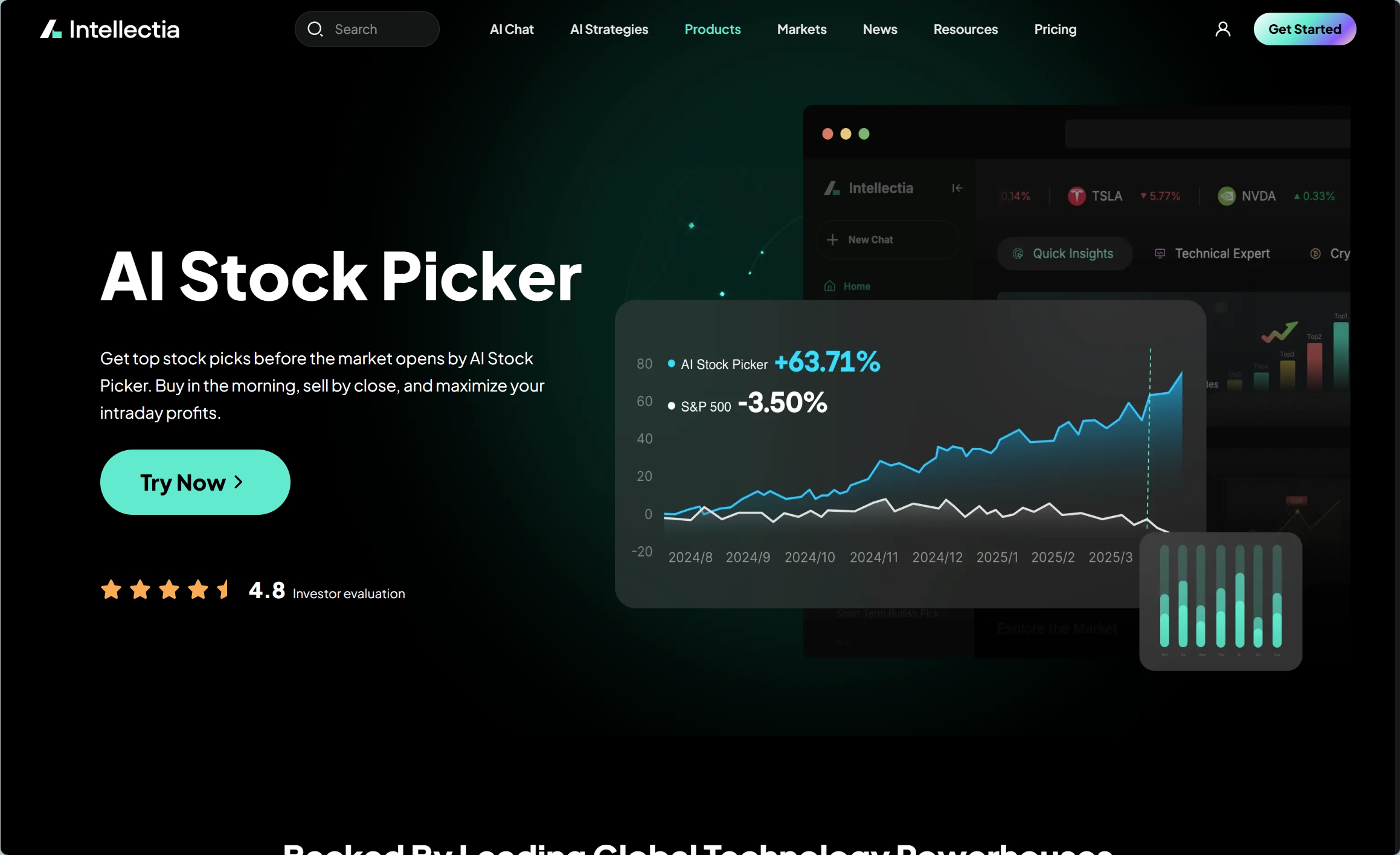
Discover top-rated energy stocks with AI precision. Sign up for intellectia.ai today and access our AI stock picker that identifies high-conviction opportunities across the energy sector. Our algorithms continuously analyze financial metrics, analyst ratings, and market sentiment to surface the best investment ideas before they hit mainstream radar.
Investment Implications: What Should Investors Do Now?
The resolution of the Strait of Hormuz crisis offers valuable lessons for investors navigating an increasingly complex global landscape. While geopolitical events create short-term volatility, maintaining a long-term perspective and focusing on quality remains the most reliable path to investment success.
For energy investors specifically, the crisis underscores the importance of selecting companies with strong balance sheets and low-cost production profiles. Firms like ExxonMobil, Chevron, and EOG Resources demonstrated their resilience during a period of extreme uncertainty, validating the investment thesis for owning quality operators in the sector. These companies' ability to generate free cash flow across commodity price cycles provides the foundation for sustained dividend payments and share buybacks.
The sharp decline in oil prices also creates potential entry points for investors who have been waiting for better valuations in the energy sector. While timing commodity prices remains notoriously difficult, buying shares of well-managed companies during periods of price weakness has historically generated attractive long-term returns. Investors should consider dollar-cost averaging into positions rather than attempting to catch the exact bottom.
Diversification remains critical, even within the energy sector. Rather than concentrating positions in a single company or subsector, investors should consider spreading exposure across integrated majors, independent producers, and midstream operators. This approach reduces company-specific risk while maintaining participation in the sector's potential upside.
Broader portfolio implications also warrant consideration. The market's ability to reach new highs despite significant geopolitical risk demonstrates the importance of staying invested rather than attempting to time market entries and exits. Investors who maintained equity exposure through the crisis have been rewarded, while those who moved to cash likely missed a portion of the subsequent rally.
The Road Ahead: Monitoring Key Risks and Opportunities
While the immediate crisis has passed, investors should remain vigilant about ongoing risks in the Middle East and broader energy markets. The underlying tensions between Iran, Israel, and the United States have not been fully resolved, and the potential for future conflicts remains elevated. Any escalation could quickly reverse the recent decline in oil prices and create fresh volatility across financial markets.
Monitoring diplomatic developments and military posture in the region will remain essential for energy investors. While markets have demonstrated their ability to look through temporary disruptions, a more serious and prolonged conflict would likely have more significant and lasting impacts on global energy flows and prices. Investors should maintain awareness of these risks without allowing them to drive tactical investment decisions.
The energy transition also continues to reshape long-term demand dynamics for fossil fuels. While oil and natural gas will remain critical components of the global energy mix for decades to come, the gradual shift toward renewable sources and electrification will influence growth trajectories across the sector. Companies investing in low-carbon technologies while maintaining strong traditional energy businesses may be best positioned for this evolving landscape.
Economic data will also play a crucial role in shaping market sentiment in the coming weeks. Inflation readings, employment reports, and manufacturing surveys will provide important signals about the health of the global economy and the likely path of monetary policy. Strong economic fundamentals support energy demand, while signs of slowing growth could pressure commodity prices and energy company shares.
Conclusion
The 2026 Strait of Hormuz crisis has delivered a masterclass in market resilience and the importance of maintaining perspective during periods of heightened uncertainty. Oil prices may have swung wildly, and geopolitical tensions may have dominated headlines, but disciplined investors who focused on quality companies and stayed the course have been rewarded with new market highs.
The lessons from this episode are clear. First, attempting to predict short-term commodity price movements based on geopolitical events is extraordinarily difficult and often counterproductive. Second, well-managed energy companies with strong balance sheets can navigate volatile periods while continuing to generate value for shareholders. Third, market timing based on headline risk typically destroys value rather than creating it.
As we look ahead, the investment landscape remains complex but filled with opportunity. Quality energy companies trading at attractive valuations offer compelling long-term return potential, while the broader market's strength suggests underlying economic health that should support corporate earnings growth. Rather than attempting to predict the next crisis or market swing, investors should focus on building diversified portfolios of high-quality businesses capable of thriving across various market environments.
Ready to take your investing to the next level? Get started with intellectia.ai and unlock the power of AI-driven investment analysis. Our platform provides real-time insights, intelligent screening tools, and personalized recommendations to help you build a portfolio designed for long-term success. Whether you're analyzing energy stocks or exploring opportunities across the market, intellectia.ai gives you the edge you need to invest with confidence.