

Key Takeaway
The stock market in May 2026 presents a fascinating paradox that has left many investors scratching their heads. Despite mounting concerns over Federal Reserve interest rate hikes, ongoing military conflict in the Middle East, and Treasury yields reaching levels not seen since 2007, major U.S. indexes continue to push into record territory. The Dow Jones Industrial Average recently breached the 50,000 mark for the first time, while the S&P 500 has extended its winning streak to eight consecutive weeks—the longest such run since December 2023.
This remarkable resilience speaks to the underlying strength of corporate America and the transformative power of artificial intelligence driving tech sector growth. However, the divergence between market performance and macroeconomic risks has created an environment where volatility can strike with little warning. Investors who understand the forces at play—from shifting Fed policy expectations to geopolitical energy disruptions—will be better positioned to navigate the uncertain waters ahead. Tools like the AI Stock Screener can help identify opportunities amid the chaos by analyzing real-time market data and sentiment shifts.

The Fed's Dramatic Pivot: From Cuts to Hikes
A Stunning Reversal in Monetary Policy Expectations
Perhaps the most significant driver of market volatility in May 2026 has been the Federal Reserve's dramatic shift in policy direction. Just months ago, markets were confidently pricing in multiple rate cuts for 2026, with many analysts expecting the Fed funds rate to decline by 50-75 basis points by year-end. Fast forward to today, and the narrative has completely flipped. According to the CME FedWatch Tool, the probability of a Fed rate hike has surged from a mere 1% just one month ago to over 45% currently, with some money markets now pricing in a 60% chance of rate increases before the year closes.
This reversal stems from persistent inflation data that has consistently exceeded expectations. The Fed's own minutes from the April FOMC meeting revealed that officials are increasingly concerned about inflation remaining above their 2% target, with some members openly suggesting that rate hikes would become appropriate if price pressures continue to build. Governor Waller, in recent comments, emphasized that he wants to hold rates steady for now, but the mere mention of potential hikes has sent shockwaves through fixed-income markets.
Bond Markets Flash Warning Signals
The fixed-income market has been quick to price in this new reality. The 30-year U.S. Treasury yield has climbed to its highest level since 2007, creating ripple effects across the entire financial system. Meanwhile, the 2-year note yield, which typically moves in lockstep with interest rate expectations, has risen to approximately 3.8%, reflecting the market's conviction that the Fed's next move will be upward rather than downward.
These rising yields create a challenging environment for equities, as higher risk-free rates increase the discount rate applied to future corporate earnings. Yet despite these headwinds, stocks have continued their ascent, suggesting that investors believe corporate profits can outpace the drag from higher borrowing costs. The iShares 20+ Year Treasury Bond ETF (TLT) has felt significant pressure as yields have climbed, making it an important barometer for fixed-income sentiment.
Middle East Conflict: The Oil Factor
Strait of Hormuz Crisis Intensifies
While monetary policy has captured headlines, the ongoing military conflict involving Iran has emerged as perhaps the most significant geopolitical risk to global markets. Since February 2026, military operations in the Persian Gulf have escalated dramatically, with Iran declaring the Strait of Hormuz effectively closed to most traffic starting March 4, 2026. This strategic chokepoint handles approximately 20% of global oil supplies and significant volumes of liquefied natural gas, making its closure one of the most consequential supply disruptions in decades.
The immediate impact on energy markets has been severe. Brent crude oil prices surged 10-13% in early March, reaching $80-82 per barrel, and have since climbed even higher. The World Bank now forecasts Brent crude to average $86 per barrel for the full year 2026, a dramatic increase from the $69 average seen in 2025. Some analysts warn that without a resolution to reopen the Strait, oil could remain above $100 per barrel with U.S. gasoline prices potentially reaching $5 per gallon by June.
Energy Sector Investment Implications
For investors, the energy crisis presents both risks and opportunities. While higher oil prices act as a tax on consumers and can suppress economic growth, they also drive significant profits for energy producers. The Energy Select Sector SPDR Fund (XLE) has benefited from this dynamic, with many components posting strong earnings growth even as broader market valuations have expanded. Companies with significant exposure to domestic shale production may be particularly well-positioned, as they can capitalize on elevated prices without the transportation disruptions affecting Middle Eastern supplies.
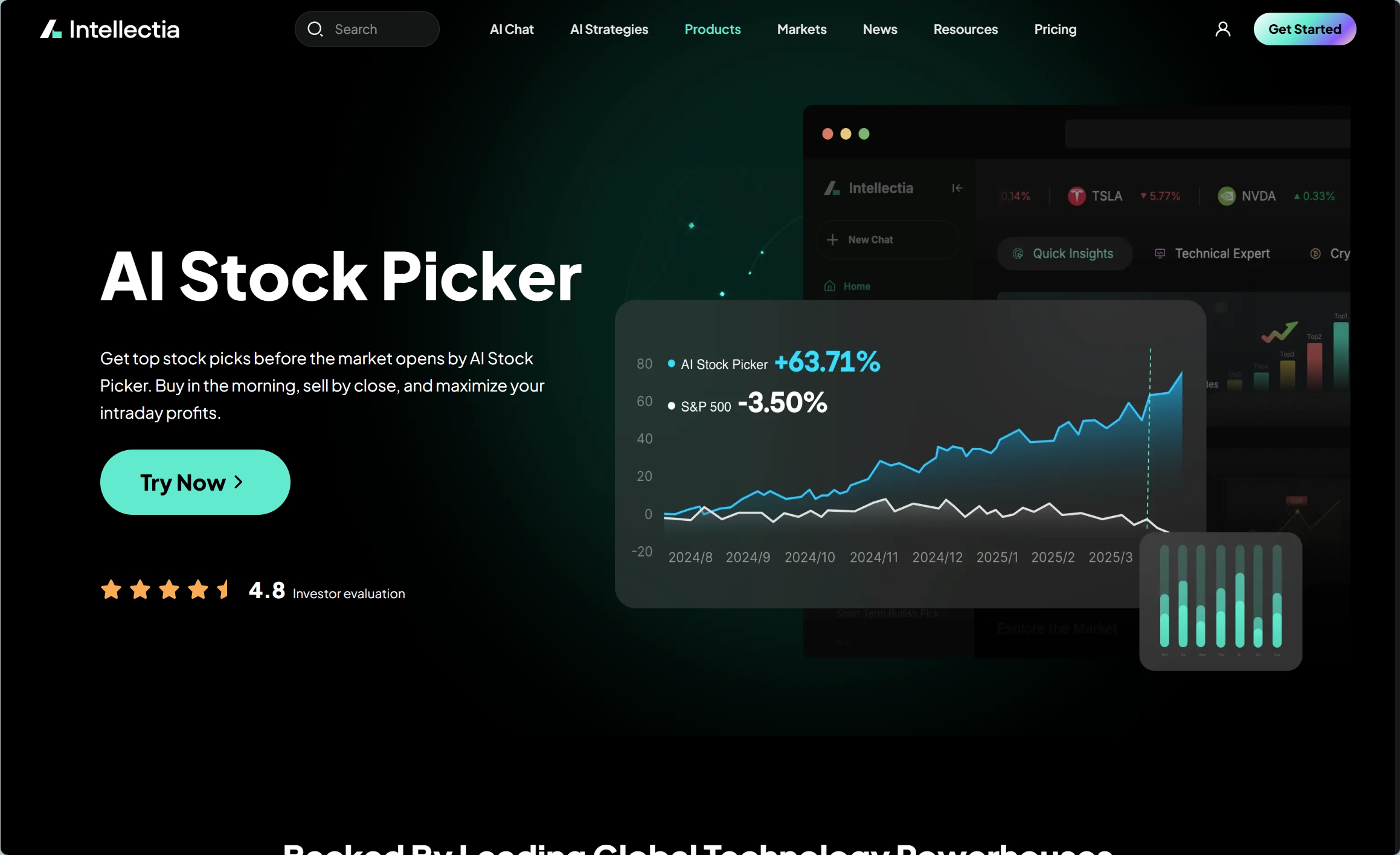
Investors seeking to navigate these volatile energy markets can leverage the AI Stock Picker to identify energy companies with strong fundamentals and attractive entry points. The tool's machine learning algorithms analyze thousands of data points to surface opportunities that might be missed by traditional analysis.
Record-Breaking Equity Performance
Dow Jones Breaches 50,000
Against this backdrop of rising rates and geopolitical tension, the stock market's performance has been nothing short of extraordinary. The Dow Jones Industrial Average recently closed above 50,000 for the first time in history, marking a 4.6% year-to-date gain that has defied conventional wisdom about rate-sensitive markets. The index added nearly 300 points in a single session recently, driven by optimism over potential Middle East peace talks and continued strength in corporate earnings.
The S&P 500 has been equally impressive, extending its winning streak to eight consecutive weeks—the longest since late 2023. This sustained upward momentum suggests that institutional investors are looking beyond near-term volatility to focus on long-term growth prospects, particularly in the technology sector where AI-driven innovation continues to accelerate.
Technology Sector Leads the Charge
Much of the market's strength can be attributed to the technology sector, where companies like Nvidia continue to demonstrate explosive growth despite challenging macro conditions. While Nvidia's recent earnings failed to ignite the immediate post-earnings rally that some traders expected, the company's fundamental position in the AI revolution remains unchallenged. The broader semiconductor space has benefited from this trend, with demand for AI accelerators and data center infrastructure showing no signs of slowing.
The Invesco QQQ Trust (QQQ), which tracks the Nasdaq-100 Index, has been a primary beneficiary of this technology rally. Despite concerns about valuation multiples in a higher-rate environment, investors continue to pile into growth stocks, betting that the structural shift toward AI and cloud computing will generate returns that justify premium valuations.
Understanding the Disconnect
Why Markets Are Defying Expectations
The apparent disconnect between record-high equity prices and deteriorating macro conditions has puzzled many market observers. Several factors help explain this resilience. First, corporate earnings have remained robust, with many companies successfully passing higher costs through to consumers while maintaining profit margins. Second, the labor market continues to show strength, supporting consumer spending even as inflation remains elevated.
Perhaps most importantly, investors appear to be treating current geopolitical and monetary risks as temporary rather than structural. The belief that the Middle East conflict will eventually resolve and that the Fed can engineer a soft landing has allowed risk appetite to remain elevated. This optimism is reflected in equity valuations, which remain near historically high levels despite the uncertain environment.
The Case for Caution
However, veteran market participants warn that this disconnect cannot persist indefinitely. The combination of rising bond yields, elevated oil prices, and potential Fed tightening creates a trifecta of headwinds that could eventually overwhelm equity markets. Historical precedents suggest that when Treasury yields rise above certain thresholds, the relative attractiveness of fixed income can trigger rotation out of stocks.
Furthermore, the concentration of market gains in a handful of mega-cap technology stocks has created vulnerabilities. If these leaders falter—whether due to regulatory pressure, competition, or simply mean reversion—the broader indexes could face significant downside pressure. Investors should consider using tools like intellectia.ai's platform to monitor portfolio risk and identify potential hedging strategies.
Sector Performance Analysis
Winners in a Volatile Environment
Certain sectors have demonstrated particular resilience in the current environment. Energy stocks, as previously mentioned, have benefited directly from higher oil prices. Financials have also performed well, as rising interest rates improve net interest margins for banks and other lenders. The Financial Select Sector SPDR Fund (XLF) has outperformed the broader market, with major money center banks posting strong quarterly results.
Defense contractors have seen increased interest as military spending rises in response to global conflicts. Companies with significant government contracts and exposure to cybersecurity have attracted investor attention as geopolitical tensions remain elevated.
Struggling Sectors
Conversely, sectors sensitive to interest rates have faced headwinds. Real estate investment trusts (REITs) and utilities, which typically trade based on dividend yields relative to fixed-income alternatives, have underperformed as Treasury yields have climbed. Consumer discretionary stocks have also shown weakness as higher gasoline prices and persistent inflation squeeze household budgets.
Small-cap stocks have lagged their large-cap counterparts, likely due to their greater sensitivity to domestic economic conditions and higher borrowing costs. The Russell 2000 Index has struggled to keep pace with the major large-cap benchmarks, suggesting that investors are favoring the relative safety of established market leaders during uncertain times.
Investment Strategies for Volatile Markets
Building Resilience in Your Portfolio
In an environment characterized by elevated volatility and crosscurrents, portfolio construction becomes increasingly important. Diversification across asset classes, sectors, and geographies can help mitigate the impact of sudden market swings. Investors should consider maintaining exposure to both growth and value styles, as leadership can shift rapidly based on macro developments.
Quality factors—such as strong balance sheets, consistent cash flows, and competitive moats—take on added importance during uncertain periods. Companies with pricing power can better navigate inflationary pressures, while those with low debt levels are less vulnerable to rising interest rates. Investors can use AI-powered screening tools to identify companies that meet these quality criteria.
Active vs. Passive Approaches
The current environment may favor active management, as the dispersion between winners and losers has increased significantly. Skilled stock pickers who can identify companies with durable competitive advantages and attractive valuations may outperform passive index strategies. However, for most investors, a core-satellite approach—combining low-cost index funds with targeted active positions—offers a pragmatic balance.
Looking Ahead: Key Catalysts to Watch
Upcoming Events That Could Move Markets
Several upcoming developments could determine whether the current market rally continues or gives way to increased volatility. Progress—or lack thereof—in U.S.-Iran negotiations will be closely monitored, with any signs of a breakthrough potentially triggering significant moves in both equity and energy markets. President Trump has suggested that a ceasefire agreement is in final negotiations, though similar comments have been made before without resolution.
Federal Reserve communications will also be critical. Speeches by Fed officials, particularly Chair Powell, will be parsed for clues about the central bank's reaction function regarding inflation data. The market's current expectation of potential rate hikes could shift quickly based on these communications, with implications for both stocks and bonds.
Economic Data Releases
Key economic indicators, including monthly inflation reports, employment data, and consumer sentiment surveys, will continue to shape market expectations. The University of Michigan's consumer sentiment readings have shown sensitivity to gasoline prices, making energy market developments particularly relevant to the economic outlook. Any signs of consumer stress could weigh on corporate earnings expectations and stock prices.
Conclusion
The stock market in May 2026 exemplifies the complex interplay between macroeconomic forces, geopolitical events, and investor psychology. While record highs in major indexes suggest optimism, the undercurrents of Fed policy uncertainty, Middle East tensions, and elevated valuations create an environment where volatility can emerge suddenly and intensely.
For investors, the key is to remain disciplined and avoid making emotional decisions based on short-term market movements. Maintaining a well-diversified portfolio aligned with long-term financial goals is more important than attempting to time market swings. However, staying informed about the factors driving volatility—and having the right tools to analyze them—can provide a meaningful edge.
Whether you're a seasoned investor or just getting started, signing up for intellectia.ai can give you access to AI-powered insights that help navigate complex market environments. Our platform combines advanced machine learning with comprehensive market data to identify opportunities and risks that traditional analysis might miss.
As we move through the remainder of 2026, the ability to adapt to changing conditions while maintaining a long-term perspective will likely separate successful investors from those who struggle. The current environment rewards those who stay informed, remain flexible, and use the best available tools to make data-driven decisions.