
Key Takeaway
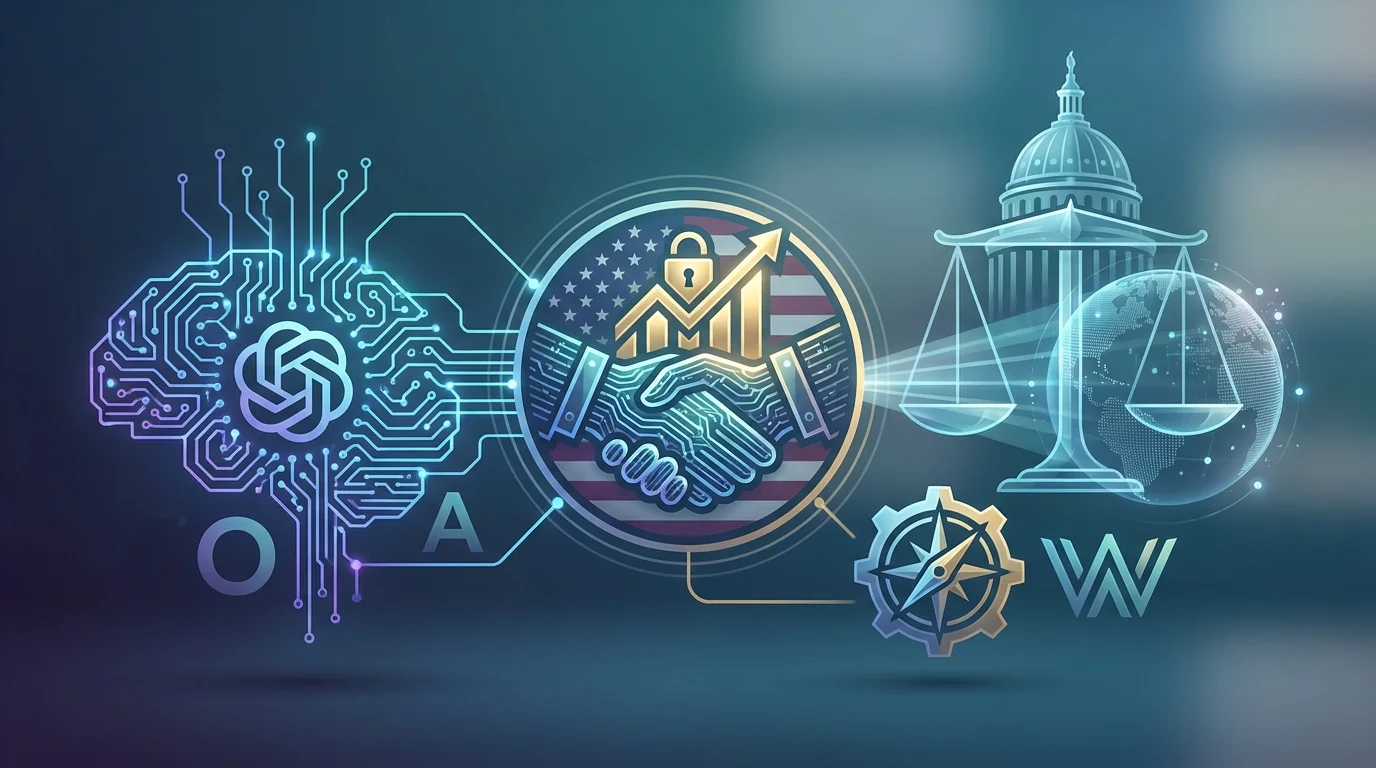
The U.S. Securities and Exchange Commission is preparing to release a landmark regulatory framework that will permit the trading of tokenized stocks and ETFs on cryptocurrency platforms, marking one of the most significant developments in financial market infrastructure in decades. This initiative, reported by Bloomberg and confirmed through multiple regulatory filings, represents a dramatic shift in the SEC's approach to digital assets under the Trump administration's leadership.
The proposed system would enable tokenized versions of traditional securities—backed by assets already held within the Depository Trust & Clearing Corporation's infrastructure—to trade on blockchain-based platforms. This development comes as DTCC announces plans to begin limited production trades of tokenized securities in July 2026, with broader commercial rollout expected by October. For investors, this signals the beginning of a new era where traditional finance and blockchain technology converge, potentially transforming how securities are issued, traded, and settled.
The implications extend far beyond technical innovation. BlackRock's tokenized Treasury fund BUIDL has already surpassed $2 billion in assets across multiple blockchain networks, while the total tokenized real-world asset market has reached approximately $33.8 billion. These figures demonstrate institutional demand for onchain financial products and provide context for why the SEC is moving now to establish clear regulatory frameworks.
Want to stay ahead of the tokenization trend? Discover how Intellectia's AI Screener identifies blockchain-exposed stocks and crypto-adjacent investment opportunities before they hit mainstream radar. Our AI-powered analysis tracks regulatory developments and their market impact in real-time.
Understanding the SEC's Tokenized Stock Framework
What Are Tokenized Stocks?
Tokenized stocks represent traditional equity securities issued and traded on blockchain networks. Unlike conventional shares held through brokerage accounts and clearinghouses, tokenized stocks exist as digital tokens on distributed ledgers, offering potential advantages in settlement speed, transparency, and accessibility. The SEC's new framework specifically addresses how these digital representations can coexist with existing securities infrastructure.
Under the proposed system, tokenized stocks would be backed 1:1 by traditional securities held within DTCC's established custody infrastructure. This hybrid approach aims to preserve the legal protections and regulatory oversight of traditional markets while leveraging blockchain technology's operational efficiencies. Investors would gain exposure to familiar assets like Apple, Microsoft, or S&P 500 ETFs through blockchain-based platforms without sacrificing the safeguards of regulated securities markets.
The Regulatory Evolution
The SEC's move toward embracing tokenized stocks represents a significant departure from previous years' enforcement-heavy approach. Under former Chairman Gary Gensler, the Commission pursued aggressive litigation against crypto platforms and maintained skepticism toward digital asset innovation. The current framework signals recognition that blockchain technology has evolved from speculative experimentation to institutional-grade infrastructure worthy of thoughtful regulation.
This evolution has been facilitated by several concurrent developments. The Clarity Act, currently moving through Congress, aims to establish clear jurisdictional boundaries between the SEC and Commodity Futures Trading Commission regarding digital assets. Meanwhile, the SEC has already approved initiatives from NYSE and Nasdaq for tokenized trading platforms, demonstrating regulatory openness to innovation when proper safeguards are in place.
Coinbase, as the leading U.S. cryptocurrency exchange, stands to benefit significantly from expanded tokenized securities trading. The company's stock has shown resilience amid regulatory uncertainty, and clearer frameworks could unlock new revenue streams from securities trading services.
DTCC's Blockchain Timeline: July 2026 Launch
The Infrastructure Backbone
The Depository Trust & Clearing Corporation's planned July 2026 launch of tokenized asset settlement represents the critical infrastructure component enabling the SEC's framework. As the central clearinghouse handling the vast majority of U.S. securities transactions, DTCC's involvement provides institutional legitimacy and operational scale that pure blockchain startups cannot match.
DTCC's tokenization service will allow market participants to convert traditional securities into blockchain-compatible tokens while maintaining the existing legal and regulatory framework. This approach addresses one of the primary challenges facing tokenized assets: ensuring that digital tokens carry the same rights, protections, and regulatory status as their traditional counterparts. The limited production phase beginning in July will test systems with select participants before the broader October rollout.
The technical architecture leverages DTCC's existing custody infrastructure while adding blockchain settlement layers. This design choice reflects lessons learned from previous blockchain experiments that attempted to replace rather than augment traditional finance. By building on established systems, DTCC aims to minimize disruption while capturing efficiency gains from distributed ledger technology.
Commercial Expansion Timeline
Following the July 2026 limited production launch, DTCC plans a phased commercial expansion throughout the remainder of the year. The October target for broader rollout suggests confidence in the technical systems and regulatory clarity needed for widespread adoption. Market participants should expect gradual onboarding of broker-dealers, asset managers, and eventually retail platforms throughout late 2026 and into 2027.
This timeline aligns with broader regulatory developments, including the Clarity Act's expected passage and the SEC's framework implementation. Coordinated timing between infrastructure providers and regulators reduces uncertainty for market participants planning tokenization strategies. For investors, the phased approach provides opportunities to observe early adoption patterns before committing capital to tokenized products.
Wall Street's Tokenization Race: BlackRock and Beyond
BlackRock's $2 Billion BUIDL Fund
BlackRock's tokenized Treasury fund, BUIDL, launched on Ethereum via Securitize in early 2024, has emerged as the flagship institutional product demonstrating demand for onchain financial instruments. With assets exceeding $2 billion across multiple blockchain networks including Ethereum and Solana, BUIDL provides compelling evidence that institutional investors want regulated, yield-bearing products accessible through digital infrastructure.
The fund's success has influenced the broader tokenized asset market. Anchorage Digital reportedly holds approximately 81% of BUIDL's supply on the Solana network, demonstrating that institutional-grade custody solutions exist for alternative blockchains beyond Ethereum. This multi-chain presence addresses concerns about blockchain scalability and provides options for investors with different technical preferences.
BlackRock's commitment to tokenization extends beyond BUIDL. The company has backed a $1 billion crypto liquidity network through Grove Basin, aimed at reducing settlement friction for tokenized funds. This infrastructure investment signals long-term commitment to onchain finance and recognition that tokenization requires ecosystem development beyond individual products.
BlackRock's stock performance reflects investor optimism about the company's blockchain initiatives. As the world's largest asset manager, BlackRock's tokenization efforts carry significant weight in shaping industry standards and regulatory expectations.
Franklin Templeton and Traditional Finance
Franklin Templeton has emerged as another major traditional asset manager embracing blockchain technology. The company's Benji Technology Platform provides infrastructure for tokenized investment products, and recent partnerships with DigiFT and Kraken demonstrate commitment to distribution across both traditional and crypto-native channels.
These developments from established financial institutions contrast sharply with the speculative cryptocurrency projects that dominated headlines in previous cycles. Tokenized Treasury products from BlackRock, Franklin Templeton, and similar firms offer regulated, familiar investment vehicles that happen to use blockchain technology rather than experimental crypto assets. This distinction matters for institutional adoption and regulatory acceptance.
The $33.8 billion tokenized real-world asset market includes not just Treasury products but also tokenized stocks, commodities, and alternative assets. Ondo Finance has expanded its tokenized market capitalization by over $2 billion within a single month, adding more than 200 tokenized stocks and ETFs to Solana through its Ondo Global Markets platform. These growth rates suggest that tokenization is transitioning from proof-of-concept to scalable business model.
Looking for exposure to the tokenization megatrend? Intellectia's AI Stock Picker analyzes thousands of stocks to identify companies best positioned to benefit from blockchain adoption in traditional finance. From exchanges to custody providers, our AI identifies winners in the evolving landscape.
Investment Implications and Market Opportunities
Direct Beneficiaries
Several categories of companies stand to benefit directly from the SEC's tokenized stock framework. Cryptocurrency exchanges like Coinbase that have invested in regulatory compliance and institutional infrastructure are well-positioned to capture securities trading volume migrating to blockchain platforms. These platforms already serve crypto-native investors who may prefer tokenized securities over traditional brokerage accounts.
Coinbase's financial metrics reflect the company's evolution from pure cryptocurrency exchange to diversified financial services platform. Revenue diversification into staking, custody, and now potentially securities trading reduces dependence on volatile cryptocurrency trading volumes.
Blockchain infrastructure providers represent another beneficiary category. Companies building the technical layers enabling institutional tokenization—from smart contract platforms to custody solutions—should see increased demand as traditional assets migrate onchain. Ethereum, Solana, and other Layer-1 networks competing for institutional adoption will likely experience heightened competition to serve as settlement layers for tokenized securities.
Traditional financial infrastructure companies also face strategic decisions. Those that adapt to support tokenized assets, like DTCC's proactive blockchain initiatives, may capture new revenue streams from settlement and custody services. Others that resist digital transformation risk disintermediation as value chains restructure around blockchain efficiencies.
Risks and Considerations
Despite the promising developments, investors should recognize risks accompanying the tokenization transition. Regulatory uncertainty persists even with the SEC's framework announcement, as detailed implementation rules remain to be finalized. The Clarity Act's passage could significantly impact jurisdictional boundaries between regulators, creating potential compliance challenges for multi-asset platforms.
Technical risks inherent to blockchain technology—smart contract vulnerabilities, network congestion, and custody complexities—apply to tokenized securities just as they do to native crypto assets. While institutional-grade solutions have matured considerably, the novelty of large-scale securities tokenization means unforeseen technical challenges may emerge during the July-October rollout period.
Market structure risks also warrant attention. Tokenized securities could fragment liquidity between traditional and blockchain venues, potentially creating arbitrage opportunities but also pricing inefficiencies. The interaction between 24/7 blockchain markets and traditional trading hours introduces complexity for price discovery and risk management that market participants must address.
The Global Context: Competing Jurisdictions
Europe's MiCA Framework
The SEC's tokenized stock framework arrives as Europe implements its Markets in Crypto-Assets regulation, creating interesting competitive dynamics between jurisdictions. MiCA provides comprehensive licensing requirements for crypto service providers across the European Union, potentially offering regulatory clarity that attracts tokenization business away from the United States.
However, the SEC's framework specifically addresses securities tokenization—a segment where U.S. markets maintain significant advantages in depth, liquidity, and institutional participation. European efforts to challenge dollar dominance in tokenized assets, such as Dutch company Qivalis adding 25 new lenders to its platform, face the structural advantages of U.S. capital markets.
The regulatory competition may ultimately benefit market participants by establishing multiple viable jurisdictions for tokenization activities. Companies can choose regulatory environments best suited to their specific products and customer bases, potentially accelerating innovation through regulatory arbitrage while maintaining appropriate investor protections.
Asian Market Developments
Asian financial centers are also positioning for tokenization opportunities. Singapore's Monetary Authority has licensed platforms like DigiFT that facilitate tokenized securities trading, creating a regulated hub for Asian market participants. Hong Kong's recent regulatory developments aim to balance innovation with investor protection, potentially serving as a gateway for Chinese capital seeking tokenized asset exposure.
Japan's progressive regulatory approach to cryptocurrency and blockchain technology provides another model for integrating digital assets into traditional finance. The country's recognition of Bitcoin as legal payment method and its licensing framework for crypto exchanges demonstrate long-term commitment to blockchain innovation that could extend to securities tokenization.
Conclusion
The SEC's forthcoming tokenized stock framework represents a watershed moment for both traditional finance and blockchain technology. By enabling tokenized versions of established securities to trade on blockchain platforms while maintaining DTCC custody and regulatory oversight, the Commission is bridging the gap between legacy financial infrastructure and digital asset innovation.
For investors, this development offers multiple avenues for participation. Direct investment in cryptocurrency exchanges and blockchain infrastructure providers provides exposure to the platforms enabling tokenization. Traditional asset managers like BlackRock and Franklin Templeton offer more familiar vehicles with tokenization upside. Even broad market indices may benefit as tokenization improves market efficiency and accessibility.
The July 2026 DTCC launch and October commercial expansion provide concrete milestones for tracking adoption progress. Investors should monitor which platforms gain early traction, how traditional broker-dealers respond to competition from blockchain venues, and whether tokenized securities achieve meaningful liquidity relative to traditional markets.
Ready to capitalize on the tokenization revolution? Sign up for Intellectia today and access our suite of AI-powered tools designed to identify opportunities in emerging financial infrastructure. From real-time regulatory tracking to sentiment analysis of blockchain adoption trends, Intellectia gives you the edge in navigating markets undergoing fundamental transformation.
The convergence of traditional securities markets with blockchain technology is no longer theoretical—it is happening now, with regulatory support, institutional participation, and technical infrastructure aligned for mainstream adoption. The only question remaining is which investors will recognize and act on this transformation before it becomes conventional wisdom.