
Key Takeaway
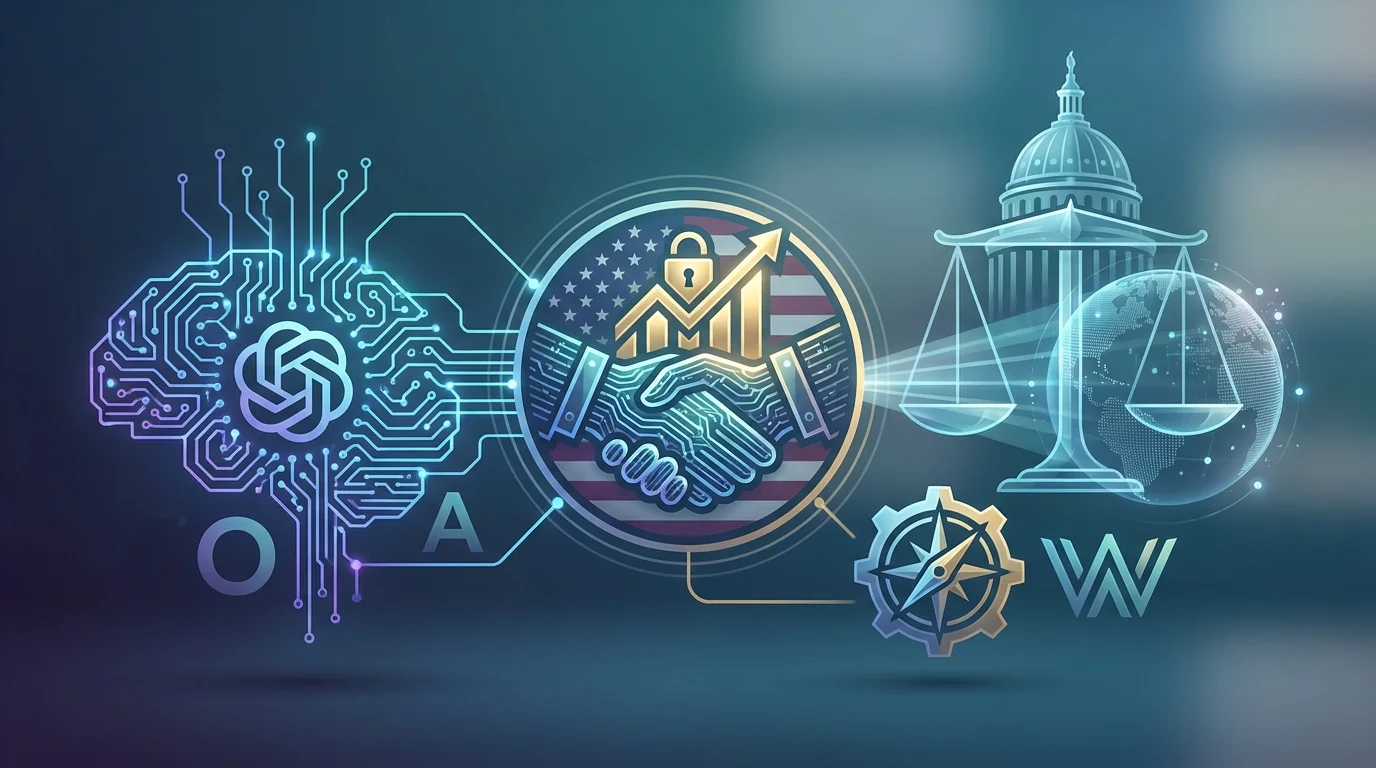
OpenAI has made a groundbreaking proposal to donate a 5% equity stake in the company to the United States government, a move valued at approximately $42.6 billion based on the company's current $852 billion valuation. CEO Sam Altman has framed this unprecedented gesture as a mechanism to establish a "Public Wealth Fund" that would allow American citizens to share in the financial upside of artificial intelligence's transformative potential. This proposal represents a significant shift in how technology companies approach their relationship with government and society, potentially setting a new precedent for public-private partnerships in the AI era.
The implications of this proposal extend far beyond the immediate financial value. By offering the government a direct ownership stake, OpenAI is effectively acknowledging that artificial intelligence represents a public good with societal implications that transcend traditional corporate boundaries. This move comes at a critical moment when policymakers worldwide are grappling with how to regulate AI while fostering innovation, and it could fundamentally reshape the conversation about who benefits from and controls the most powerful technologies of the 21st century.
The Unprecedented Nature of OpenAI's Proposal
The technology industry has witnessed numerous milestones over the past several decades, but few have carried the symbolic and practical weight of OpenAI's recent proposal. When a private company valued at over $850 billion voluntarily offers to transfer ownership to the government, it signals a fundamental rethinking of the social contract between technology creators and the societies they serve. This is not merely a philanthropic gesture or a tax payment; it is a structural change that would make the US government a permanent stakeholder in one of the most consequential technology companies in history.
Sam Altman's framing of this as a "Public Wealth Fund" is particularly significant because it draws on a growing global movement toward sovereign wealth funds and public ownership models. Countries like Norway have demonstrated that public ownership of commercial assets can generate substantial returns for citizens while maintaining corporate independence and operational efficiency. If implemented successfully, OpenAI's proposal could serve as a template for how other AI companies and technology giants might align their interests with public welfare.
However, the unprecedented nature of this proposal also raises important questions about implementation. How would the government manage this stake? Would it be housed within an existing agency or require the creation of a new entity? What voting rights would accompany the equity, and how would the government balance its regulatory responsibilities with its ownership interests? These questions do not have easy answers, and the success of this initiative will depend heavily on the details of its execution.
Understanding the $42.6 Billion Valuation and Its Implications
The proposed 5% stake carries a valuation of approximately $42.6 billion, a figure that places the US government among the largest shareholders in OpenAI if the deal proceeds. This valuation reflects OpenAI's current estimated worth of $852 billion, a staggering figure that has been driven by the company's leadership in generative AI technologies, its partnership with Microsoft, and the widespread adoption of products like ChatGPT across consumer and enterprise markets.
To put this valuation in perspective, $42.6 billion exceeds the market capitalization of many established Fortune 500 companies and represents more than the annual GDP of numerous countries. For the US government, this would represent a significant addition to its balance sheet and potentially provide a new revenue stream that could be directed toward public services, infrastructure, or deficit reduction. The financial implications are substantial, but they must be weighed against the broader questions of governance and public interest.
The valuation also highlights the extraordinary wealth creation that has occurred in the AI sector over the past few years. OpenAI's rise from a research organization to one of the world's most valuable private companies has been meteoric, and this proposal acknowledges that such wealth generation cannot be entirely privatized if AI is to fulfill its promise of benefiting humanity broadly. By offering the government a stake, OpenAI is implicitly recognizing that public investment in research, education, and infrastructure has contributed to the ecosystem that enabled its success.
The Public Wealth Fund Concept: A New Model for AI Governance
The idea of a Public Wealth Fund for AI represents a novel approach to addressing one of the most pressing challenges of our time: ensuring that the benefits of transformative technologies are widely shared rather than concentrated among a small group of shareholders and employees. Traditional approaches to technology regulation have focused on antitrust enforcement, privacy protections, and safety standards, but they have rarely addressed the fundamental question of ownership and economic distribution.
Sam Altman's proposal suggests a different paradigm, one in which the public gains a direct financial interest in the success of AI companies. This model has the potential to align incentives in ways that purely regulatory approaches cannot. When the government owns a stake in OpenAI, it has a vested interest in the company's long-term success while also maintaining its responsibility to protect public welfare. This dual role could create a more collaborative relationship between regulators and the AI industry, replacing the adversarial dynamics that often characterize technology policy debates.
The Public Wealth Fund concept also resonates with broader economic trends, including growing concerns about wealth inequality and the displacement of workers by automation. As AI systems become more capable, they are likely to disrupt labor markets in ways that could exacerbate existing inequalities. A Public Wealth Fund could provide a mechanism for distributing some of the economic gains from AI to all citizens, potentially through dividends, public services, or direct payments. This approach echoes the ideas of thinkers who have proposed universal basic income or sovereign wealth funds as responses to technological unemployment.
Political and Regulatory Implications
The timing of OpenAI's proposal is particularly noteworthy given the intensifying political scrutiny of AI technologies. Regulators in the United States, European Union, and other jurisdictions are actively developing frameworks for AI governance, with debates centering on issues ranging from safety standards to intellectual property rights. By offering the government an ownership stake, OpenAI may be seeking to position itself as a partner in these regulatory efforts rather than merely a subject of them.
The proposal also intersects with ongoing debates about the concentration of power in the technology sector. Critics have long argued that a handful of large technology companies wield disproportionate influence over the economy and society, and some policymakers have called for breaking up these companies or imposing stricter regulations. OpenAI's offer of an equity stake could be interpreted as a preemptive move to address these concerns by democratizing ownership, at least partially, and demonstrating a commitment to public accountability.
However, the political implications are not entirely straightforward. Some observers may view this proposal with skepticism, questioning whether it represents a genuine effort to serve the public interest or a strategic maneuver to curry favor with policymakers and deflect more stringent regulation. The success of the proposal will depend in part on whether it is perceived as a sincere attempt to align corporate interests with public welfare or as a public relations exercise designed to neutralize criticism.
Market Reaction and Industry Response
The announcement of OpenAI's proposal has generated significant attention in financial markets and within the technology industry. Investors are grappling with the implications of government ownership for OpenAI's valuation, governance, and strategic direction. While some view the proposal as a positive development that could reduce regulatory risk and enhance the company's social license to operate, others worry that government involvement could slow decision-making and introduce political considerations into business operations.
The broader AI industry is also watching closely to see how this proposal unfolds. If the US government accepts OpenAI's offer and the arrangement proves successful, other AI companies may face pressure to make similar concessions. This could trigger a wave of public-private partnerships in the AI sector, fundamentally changing the ownership structures and governance models of the industry's leading players. Conversely, if the proposal is rejected or fails to deliver on its promises, it could reinforce skepticism about the viability of public ownership models in the technology sector.
The market reaction has been mixed, reflecting the uncertainty surrounding the proposal's implementation and long-term implications. Some analysts have raised concerns about the potential for government interference in OpenAI's operations, while others have praised the company for taking a proactive approach to addressing public concerns about AI's societal impact. The ultimate market verdict will depend on how the details of the arrangement are structured and whether it achieves its stated goals of aligning corporate and public interests.
Global Implications: Setting a New Standard for AI Governance
OpenAI's proposal to the US government has significant implications for AI governance worldwide. As one of the leading AI companies globally, OpenAI's actions often set precedents that influence industry norms and regulatory approaches in other jurisdictions. If this proposal is implemented successfully, it could inspire similar initiatives in other countries, potentially leading to a new global standard for public involvement in AI development and ownership.
Countries around the world are currently experimenting with different models for AI governance. The European Union has taken a regulatory approach focused on risk-based frameworks and strict compliance requirements, while China has emphasized state control and strategic development of AI capabilities. OpenAI's proposal offers a third path, one that combines private sector innovation with public ownership and accountability. This model could prove particularly attractive to countries seeking to harness the benefits of AI while maintaining democratic oversight and ensuring broad distribution of economic gains.
The global implications also extend to the competitive dynamics of the AI industry. If the US government becomes a significant shareholder in OpenAI, it could raise questions about fair competition and whether OpenAI receives preferential treatment in government contracts or regulatory decisions. Other countries may respond by increasing their own support for domestic AI companies, potentially accelerating the fragmentation of the global AI landscape along national lines.
Challenges and Risks: What Could Go Wrong?
While OpenAI's proposal is innovative and potentially transformative, it is not without significant challenges and risks. One of the most immediate concerns is the potential for conflicts of interest. If the US government owns a stake in OpenAI, how will it balance its ownership interests with its regulatory responsibilities? Could the government be tempted to favor OpenAI over competitors in procurement decisions or regulatory enforcement? These questions will need to be addressed through careful governance structures and transparency mechanisms.
Another challenge is the potential for political interference in OpenAI's operations. Government ownership could expose the company to pressure from politicians seeking to influence its products, research priorities, or business decisions. This risk is particularly acute given the polarized nature of contemporary politics and the sensitivity of AI technologies to issues like content moderation, bias, and safety. OpenAI will need robust safeguards to protect its independence and ensure that government ownership does not compromise its mission or operational effectiveness.
There are also practical questions about valuation and liquidity. OpenAI is currently a private company, and its shares are not traded on public markets. If the government accepts an equity stake, how will that stake be valued for accounting purposes? Will the government have the ability to sell its shares, and if so, under what conditions? These technical details may seem mundane, but they could have significant implications for both OpenAI and the government's financial position.
The Broader Context: AI and the Future of Capitalism
OpenAI's proposal must be understood within the broader context of evolving attitudes toward capitalism, technology, and public welfare. Over the past decade, there has been growing criticism of the technology industry's impact on society, with concerns ranging from privacy violations and misinformation to wealth inequality and market concentration. These criticisms have fueled political movements calling for greater regulation of technology companies and more equitable distribution of the wealth they generate.
The proposal also reflects a broader rethinking of the role of corporations in society. The concept of stakeholder capitalism, which holds that companies have responsibilities to all stakeholders including employees, customers, and communities, has gained traction in recent years. OpenAI's offer of an equity stake to the government can be seen as an extension of this philosophy, recognizing that the public has a legitimate interest in the success of companies that develop transformative technologies with far-reaching societal implications.
Looking ahead, the success or failure of this initiative could have lasting implications for how we structure the ownership and governance of AI technologies. If the Public Wealth Fund model proves effective, it could become a template for managing other transformative technologies, from biotechnology to clean energy. Conversely, if the arrangement fails to deliver on its promises or creates new problems, it could reinforce skepticism about public involvement in technology development and strengthen the case for purely private or purely public approaches.
Conclusion
OpenAI's proposal to donate a 5% equity stake to the US government represents a bold experiment in aligning corporate interests with public welfare. Valued at approximately $42.6 billion, this offer could establish a new model for how society governs and benefits from transformative technologies. If successful, the Public Wealth Fund concept could demonstrate that it is possible to combine the innovation and efficiency of private enterprise with the accountability and broad-based benefits of public ownership.
However, the proposal also raises significant questions about implementation, governance, and the potential for unintended consequences. The success of this initiative will depend on careful attention to the details of how the equity stake is structured, how conflicts of interest are managed, and how the benefits of ownership are distributed to the public. As policymakers, investors, and citizens evaluate this proposal, they should approach it with both openness to innovation and vigilance about the risks.
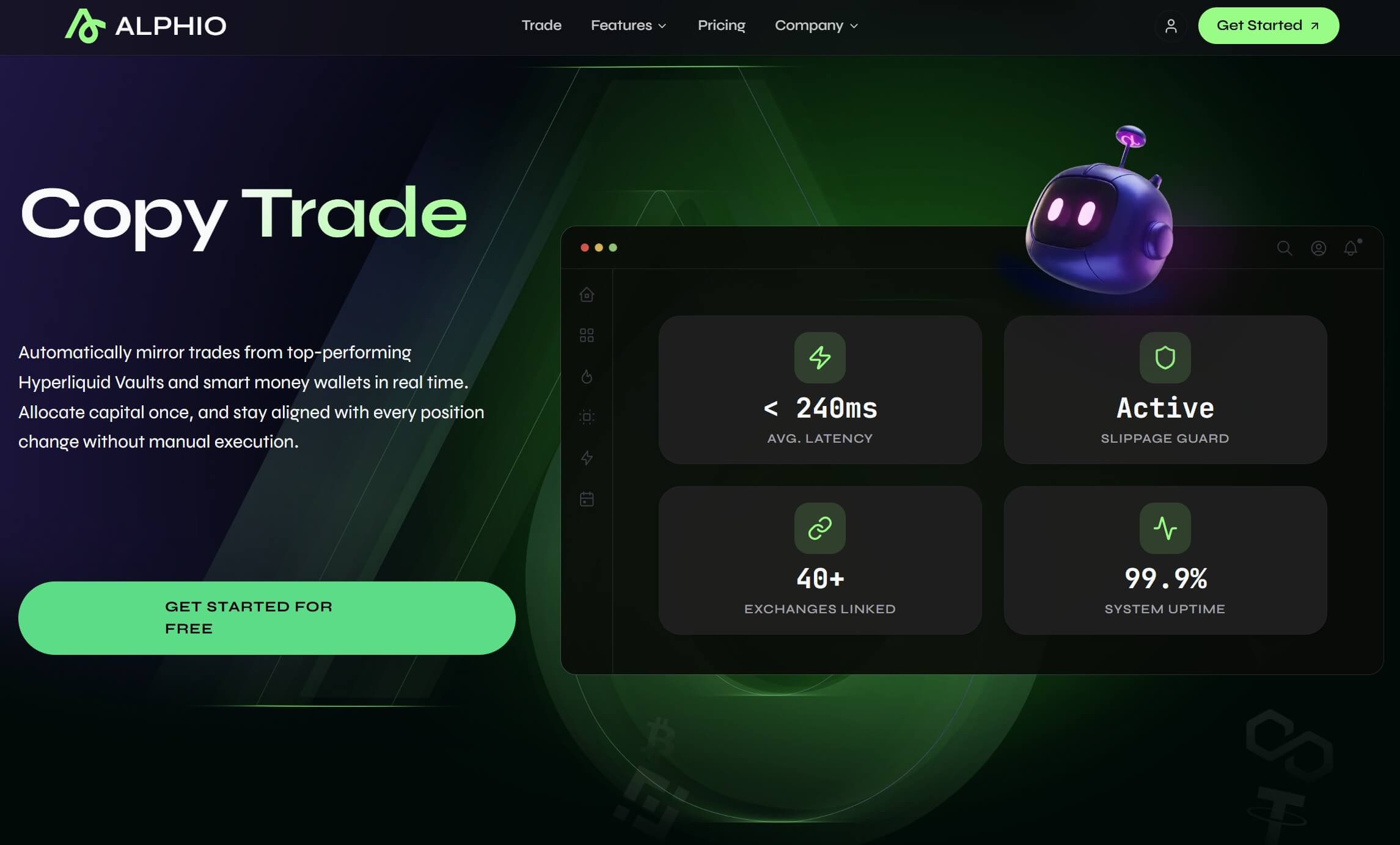
For investors seeking to stay ahead of developments in AI governance and public-private partnerships, tools like Alphio AI's copy trading feature can help you mirror successful traders and smart money wallets who are positioning for the next phase of AI industry evolution.
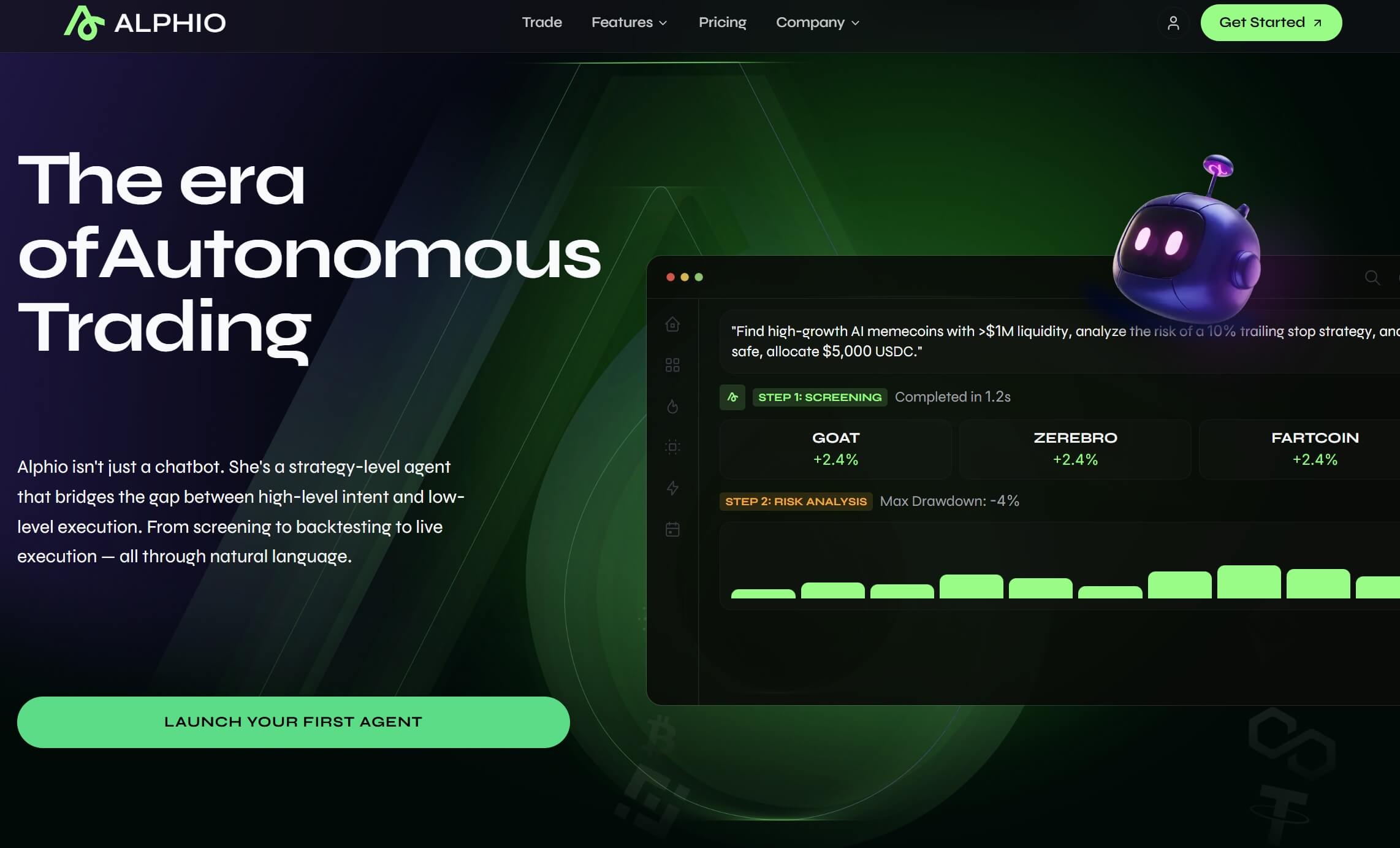
Additionally, consider exploring Alphio's agentic trading capabilities to automate your portfolio management with AI-powered strategies that can adapt to rapidly changing market conditions and regulatory landscapes.
The coming months will reveal whether OpenAI's proposal marks the beginning of a new era in AI governance or proves to be an interesting but ultimately unsuccessful experiment. Regardless of the outcome, the proposal has already succeeded in sparking a vital conversation about who owns the future and how the benefits of artificial intelligence should be shared. As AI continues to transform every aspect of our economy and society, these are questions that we cannot afford to ignore.