Will Energy's Momentum Persist? Insights from the Charts on Three Stocks.
Written by Emily J. Thompson, Senior Investment Analyst
Updated: Nov 17 2025
0mins


Source: Barron's
- Market Trends: There has been a consistent rotation into defensive sectors of the market, particularly healthcare and energy.
- Performance Metrics: These sectors have ranked as the top performers in the S&P 500 over the past week, month, and three months.
Trade with 70% Backtested Accuracy
Stop guessing "Should I Buy BTU?" and start using high-conviction signals backed by rigorous historical data.
Sign up today to access powerful investing tools and make smarter, data-driven decisions.
Analyst Views on BTU
Wall Street analysts forecast BTU stock price to fall over the next 12 months. According to Wall Street analysts, the average 1-year price target for BTU is 31.67 USD with a low forecast of 29.00 USD and a high forecast of 34.00 USD. However, analyst price targets are subjective and often lag stock prices, so investors should focus on the objective reasons behind analyst rating changes, which better reflect the company's fundamentals.
3 Analyst Rating
2 Buy
1 Hold
0 Sell
Moderate Buy
Current: 36.770

Low
29.00
Averages
31.67
High
34.00
Current: 36.770
Low
29.00
Averages
31.67
High
34.00
About BTU
Peabody Energy Corporation is a coal producer, providing essential products for the production of reliable energy and steel. The Company owns interests in coal mining operations located in the United States and Australia, including interests in Middlemount Coal Pty Ltd. The Company engages in the direct and brokered trading of coal and freight-related contracts. Its segments include Seaborne Thermal, Seaborne Metallurgical, Powder River Basin, Other U.S. Thermal, and Corporate and Other. The Seaborne Thermal operations consist of mines in New South Wales, Australia. The mines in that segment utilize both surface and underground extraction processes to mine low-sulfur, high Btu thermal coal. The Seaborne Metallurgical operations consist of mines in Queensland, Australia, one in New South Wales, Australia and one in Alabama, the United States. The Company owns the southern portion of the Wards Well tenement.
About the author

Emily J. Thompson
Emily J. Thompson, a Chartered Financial Analyst (CFA) with 12 years in investment research, graduated with honors from the Wharton School. Specializing in industrial and technology stocks, she provides in-depth analysis for Intellectia’s earnings and market brief reports.
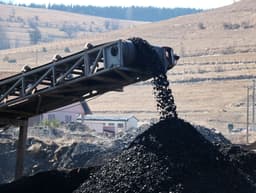
Peabody Energy Restarts Longwall Production at Centurion Mine

- Production Restart: Peabody Energy has restarted longwall production at its Centurion coking coal mine in Australia after an eight-year hiatus, marking a strategic return to the coal market with plans to produce 3.5 million tons of coking coal in 2026 and ramping up to 4.7 million tons annually by 2028.
- Historical Context: The Centurion mine, previously known as the North Goonyella mine, halted production in September 2018 due to a fire, and its restart is expected to significantly enhance the company's coal production capacity, addressing the growing market demand while reflecting confidence in coal as a vital U.S. energy asset.
- CEO Statement: Peabody's CEO James Grech emphasized during the earnings call that coal remains America's most valuable energy asset, with more energy in U.S. coal than any other nation has in a single energy source, surpassing Saudi Arabia's oil and Russia's natural gas, highlighting coal's critical role in future energy security.
- Market Outlook: The restart of the Centurion mine not only strengthens Peabody's competitive position in the market but also ensures future energy supply security, further solidifying its standing in the global coal industry.
See More

Trump Signs Executive Order for Coal Purchases

- Coal Procurement Directive: President Trump signed an executive order directing the Department of Defense to purchase electricity from coal-fired power plants, aiming to support the struggling coal industry and enhance national energy security through military procurement of significant coal supplies.
- Funding for Upgrades: The Energy Department will allocate $175 million to upgrade six coal plants across Kentucky, North Carolina, Ohio, Virginia, and West Virginia, aiming to improve operational efficiency and environmental compliance of these facilities.
- Closure Delay Announcement: The Tennessee Valley Authority announced plans to delay the closure of two older coal-fired plants in Tennessee, indicating government support for the coal industry, which may impact the future energy landscape.
- Industry Outlook Analysis: While coal generation rose approximately 13% year-over-year, the International Energy Agency projects that U.S. coal consumption will decline by 6% annually through 2030, reflecting a gradual shift towards renewable energy and natural gas alternatives.
See More
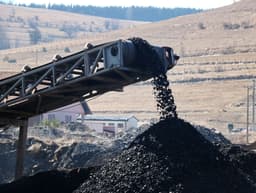
Trump Signs Executive Order to Revitalize Coal Industry
- Government Procurement Commitment: Trump signed an executive order committing the federal government to long-term electricity purchase agreements with coal plants to support U.S. military operations, which is expected to enhance market demand and stability for the coal industry.
- Funding for Upgrades: The Department of Energy will provide $175 million to upgrade six coal plants in Kentucky, North Carolina, Ohio, Virginia, and West Virginia, which is anticipated to improve production efficiency and environmental standards at these facilities.
- Positive Market Reaction: Following Trump's signing of the order, Peabody Energy's stock rose 4.5% in after-hours trading, indicating optimistic market sentiment towards the revitalization of the coal industry, while other coal-related companies also saw stock price increases, reflecting investor confidence in policy support.
- Environmental Controversy Intensifies: Despite Trump's efforts to revitalize the coal industry, environmental groups criticized the move as placing a financial burden on taxpayers for high-pollution power plants, potentially leading to increased energy costs in the future and raising social risks associated with policy implementation.
See More

Trump Orders Defense Department to Purchase Coal Power
- Coal Procurement Order: President Trump signed an executive order directing the Defense Department to secure long-term power purchase agreements with coal plants for military installations, which is expected to significantly boost market demand and stability for the coal industry.
- Industry Revival Plan: This order aims to revitalize the coal sector amid fierce competition from natural gas and renewable energy, with Trump reiterating the importance of coal to U.S. national and economic security.
- Positive Market Reaction: Following the announcement of the procurement plan, Peabody Energy's shares rose by 4% in after-hours trading, reflecting market optimism regarding the recovery of the coal industry.
- Funding Support Measures: Trump also directed the Department of Energy to provide funds to keep coal plants operational in West Virginia, Ohio, North Carolina, and Kentucky, further solidifying coal's position in the U.S. energy landscape.
See More
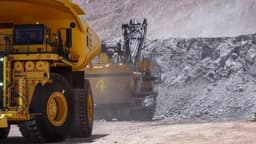
Trump to Unveil Plans Supporting Coal Power Plants
- Government Funding Support: Trump plans to sustain U.S. coal-fired power plants through an executive order utilizing government funding and Pentagon contracts, aiming to enhance domestic reliance on fossil fuels and drive energy independence.
- Electricity Procurement Agreements: Trump directs the Defense Secretary to enter agreements with coal plants to purchase electricity for military operations, a move that not only ensures stable energy supply for the military but may also boost overall demand in the coal industry.
- Upgrade Investment Plan: The Department of Energy will provide $175 million for upgrades at six coal-fired plants in Kentucky, North Carolina, Ohio, Virginia, and West Virginia, which is expected to enhance the efficiency and environmental standards of these facilities, promoting sustainable development in the coal sector.
- Industry Promotion Event: The White House will hold an event on Wednesday to promote coal-powered energy, with coal executives, miners, and energy industry leaders attending, which not only demonstrates government support for the coal industry but may also enhance industry confidence and encourage investment.
See More
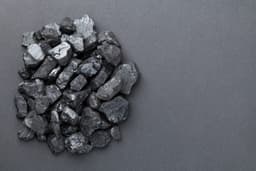
Coal Power's Role in U.S. Energy Mix Expected to Extend
- Surging Electricity Demand: Rapid growth in artificial intelligence and data centers is expected to drive U.S. electricity consumption to 106 GW by 2035, a significant increase from 35 GW in 2024, highlighting the urgent need for reliable power supply.
- Increased Coal Utilization: Peabody Energy noted that existing coal plants operated at only 42% capacity in 2024, well below historical highs of 72%, and extending the life of these plants could boost U.S. electricity supply by up to 10%.
- Strategic Asset Value: CEO James Grech emphasized that coal represents America's largest energy asset, being abundant and sustainable, and argued that it would be irresponsible to disregard this unique resource for long-term energy security.
- Global Trend Comparison: In Australia, the closure of the largest coal-fired power station, Eraring, has been postponed from 2027 to 2029, reflecting ongoing global demand for coal, despite long-term forecasts indicating a gradual decline in coal usage.
See More
Peabody Energy Restarts Longwall Production at Centurion Mine
- Production Restart: Peabody Energy has restarted longwall production at its Centurion coking coal mine in Australia after an eight-year hiatus, marking a strategic return to the coal market with plans to produce 3.5 million tons of coking coal in 2026 and ramping up to 4.7 million tons annually by 2028.
- Historical Context: The Centurion mine, previously known as the North Goonyella mine, halted production in September 2018 due to a fire, and its restart is expected to significantly enhance the company's coal production capacity, addressing the growing market demand while reflecting confidence in coal as a vital U.S. energy asset.
- CEO Statement: Peabody's CEO James Grech emphasized during the earnings call that coal remains America's most valuable energy asset, with more energy in U.S. coal than any other nation has in a single energy source, surpassing Saudi Arabia's oil and Russia's natural gas, highlighting coal's critical role in future energy security.
- Market Outlook: The restart of the Centurion mine not only strengthens Peabody's competitive position in the market but also ensures future energy supply security, further solidifying its standing in the global coal industry.
See More
Trump Signs Executive Order for Coal Purchases
- Coal Procurement Directive: President Trump signed an executive order directing the Department of Defense to purchase electricity from coal-fired power plants, aiming to support the struggling coal industry and enhance national energy security through military procurement of significant coal supplies.
- Funding for Upgrades: The Energy Department will allocate $175 million to upgrade six coal plants across Kentucky, North Carolina, Ohio, Virginia, and West Virginia, aiming to improve operational efficiency and environmental compliance of these facilities.
- Closure Delay Announcement: The Tennessee Valley Authority announced plans to delay the closure of two older coal-fired plants in Tennessee, indicating government support for the coal industry, which may impact the future energy landscape.
- Industry Outlook Analysis: While coal generation rose approximately 13% year-over-year, the International Energy Agency projects that U.S. coal consumption will decline by 6% annually through 2030, reflecting a gradual shift towards renewable energy and natural gas alternatives.
See More
Trump Signs Executive Order to Revitalize Coal Industry
- Government Procurement Commitment: Trump signed an executive order committing the federal government to long-term electricity purchase agreements with coal plants to support U.S. military operations, which is expected to enhance market demand and stability for the coal industry.
- Funding for Upgrades: The Department of Energy will provide $175 million to upgrade six coal plants in Kentucky, North Carolina, Ohio, Virginia, and West Virginia, which is anticipated to improve production efficiency and environmental standards at these facilities.
- Positive Market Reaction: Following Trump's signing of the order, Peabody Energy's stock rose 4.5% in after-hours trading, indicating optimistic market sentiment towards the revitalization of the coal industry, while other coal-related companies also saw stock price increases, reflecting investor confidence in policy support.
- Environmental Controversy Intensifies: Despite Trump's efforts to revitalize the coal industry, environmental groups criticized the move as placing a financial burden on taxpayers for high-pollution power plants, potentially leading to increased energy costs in the future and raising social risks associated with policy implementation.
See More
Trump Orders Defense Department to Purchase Coal Power
- Coal Procurement Order: President Trump signed an executive order directing the Defense Department to secure long-term power purchase agreements with coal plants for military installations, which is expected to significantly boost market demand and stability for the coal industry.
- Industry Revival Plan: This order aims to revitalize the coal sector amid fierce competition from natural gas and renewable energy, with Trump reiterating the importance of coal to U.S. national and economic security.
- Positive Market Reaction: Following the announcement of the procurement plan, Peabody Energy's shares rose by 4% in after-hours trading, reflecting market optimism regarding the recovery of the coal industry.
- Funding Support Measures: Trump also directed the Department of Energy to provide funds to keep coal plants operational in West Virginia, Ohio, North Carolina, and Kentucky, further solidifying coal's position in the U.S. energy landscape.
See More
Trump to Unveil Plans Supporting Coal Power Plants
- Government Funding Support: Trump plans to sustain U.S. coal-fired power plants through an executive order utilizing government funding and Pentagon contracts, aiming to enhance domestic reliance on fossil fuels and drive energy independence.
- Electricity Procurement Agreements: Trump directs the Defense Secretary to enter agreements with coal plants to purchase electricity for military operations, a move that not only ensures stable energy supply for the military but may also boost overall demand in the coal industry.
- Upgrade Investment Plan: The Department of Energy will provide $175 million for upgrades at six coal-fired plants in Kentucky, North Carolina, Ohio, Virginia, and West Virginia, which is expected to enhance the efficiency and environmental standards of these facilities, promoting sustainable development in the coal sector.
- Industry Promotion Event: The White House will hold an event on Wednesday to promote coal-powered energy, with coal executives, miners, and energy industry leaders attending, which not only demonstrates government support for the coal industry but may also enhance industry confidence and encourage investment.
See More
Coal Power's Role in U.S. Energy Mix Expected to Extend
- Surging Electricity Demand: Rapid growth in artificial intelligence and data centers is expected to drive U.S. electricity consumption to 106 GW by 2035, a significant increase from 35 GW in 2024, highlighting the urgent need for reliable power supply.
- Increased Coal Utilization: Peabody Energy noted that existing coal plants operated at only 42% capacity in 2024, well below historical highs of 72%, and extending the life of these plants could boost U.S. electricity supply by up to 10%.
- Strategic Asset Value: CEO James Grech emphasized that coal represents America's largest energy asset, being abundant and sustainable, and argued that it would be irresponsible to disregard this unique resource for long-term energy security.
- Global Trend Comparison: In Australia, the closure of the largest coal-fired power station, Eraring, has been postponed from 2027 to 2029, reflecting ongoing global demand for coal, despite long-term forecasts indicating a gradual decline in coal usage.
See More