Venture Global Lowers FY25 EBITDA Guidance to $6.4B-$6.8B
Venture Global previously forecast FY25 adjusted EBITDA view $6.4B-$6.8B. The company cited "unusual factors impacting those measures during the quarter ended December 31, 2025" for the guidance reduction. For the quarter ended December 31, 2025, Venture Global exported 128 cargos from its LNG facilities. Venture Global sales totaled 478.3 TBtu of LNG at an implied weighted average fixed liquefaction fee of $5.15 per MMBtu during the quarter. During the quarter, both the volume and pricing of cargos exported were impacted by changes in Henry Hub prices and International LNG prices as well as limited vessel availability in the Atlantic basin. During this time of shipping constraints, we were able to pull forward scheduled maintenance late in the quarter. In addition, by being able to utilize our shipping fleet of owned and chartered vessels, the company and its subsidiaries were able to mitigate some of the impact from tight shipping markets. Forward pricing for such factors in February and March of 2026 have improved from year end levels. For the quarter ended December 31, 2025, Venture Global exported 38 cargos from its Calcasieu Pass facility. Venture Global third-party sales of LNG sourced from the Calcasieu Pass facility totaled 140.1 TBtu at an implied weighted average fixed liquefaction fee of $2.01 per MMBtu inclusive of adjustments for estimated arbitration reserves, during the quarter. For the quarter ended December 31, 2025, Venture Global exported 90 cargos from its Plaquemines facility. Venture Global third-party sales of LNG sourced from the Plaquemines facility totaled 338.2 TBtu at an implied weighted average fixed liquefaction fee of $6.02 per MMBtu, during the quarter. Shares of Venture Global are down 1.66% to $7.11 in late morning trading.
Trade with 70% Backtested Accuracy
Analyst Views on VG

About VG
About the author


Venture Global Shares Surge 24.3% Following Strong Earnings and Supply Deals

- Strong Quarterly Performance: Venture Global's stock surged 24.3% this week, driven by a robust first-quarter earnings report released on Tuesday, which raised EBITDA guidance from $5.2 billion to $5.8 billion to a new range of $8.2 billion to $8.5 billion, reflecting the company's growth potential in a high-demand environment.
- Long-Term Contract Signings: The company secured five-year LNG supply agreements with TotalEnergies for 0.85 million tonnes per annum and with Vitol, increasing supply from 1.5 million tonnes to 1.7 million tonnes, ensuring revenue stability and enhancing market competitiveness.
- Favorable Market Conditions: The International Energy Agency noted that the closure of the Strait of Hormuz has impacted global LNG trade, benefiting Venture Global as its uncontracted LNG streams see price increases, further enhancing the company's profitability and market position.
- Capacity Expansion Plans: The company aims to ramp up annual production capacity to over 100 million tonnes by 2030, with CEO Michael Sabel indicating that the need to repair LNG infrastructure in Qatar and increased investment risks position Venture Global favorably to seize future market opportunities.

Venture Global Shares Surge 24.3% Following Strong Earnings and Supply Deals

- Strong Earnings: Venture Global's shares surged 24.3% this week, driven by an impressive first-quarter earnings report released on Tuesday, indicating robust profitability that is expected to fuel future investments and expansions.
- Long-Term Contracts Signed: The company secured five-year LNG supply agreements with TotalEnergies for 0.85 million tonnes per annum and with Vitol, increasing supply from 1.5 million tonnes to 1.7 million tonnes, ensuring stable revenue streams.
- Improved Market Conditions: The closure of the Strait of Hormuz has led to rising global LNG prices, benefiting Venture Global's uncontracted LNG flows, which is likely to enhance the company's market competitiveness and profitability.
- EBITDA Guidance Raised: Management raised the 2023 EBITDA forecast from $5.2 billion to $5.8 billion to a new range of $8.2 billion to $8.5 billion, reflecting confidence in future growth and providing funding assurance for capacity expansion.
Venture Global Stock Fluctuation Analysis
- Stock Movement: Venture Global (VG) experienced a 1.7% decline in Wednesday's trading, following a more than 14% surge due to strong Q1 results and full-year guidance, indicating significant market interest in its performance.
- Rating Upgrade: Citi upgraded Venture Global (VG) from Neutral to Buy with a price target raised from $12 to $17, suggesting the company offers higher investment potential in the LNG market due to its relatively open capacity position.
- Market Positioning: Venture Global (VG) disclosed spot pricing positions of 23%, 47%, and 52% for 2027, 2028, and 2029 respectively, indicating a leading position among peers, with analysts noting that the curve has appreciated significantly since it was previously viewed as a burden.
- Long-term Contract Strategy: Analysts expect Venture Global (VG) to continue signing five-year supply agreements at approximately $5/MMBtu margins, which not only reduces spot risk but also locks in healthy margins that are double those of long-term contracts, further supporting the company's expansion plans.
Wall Street's Latest Ratings Overview


- Nvidia's Positive Outlook: Oppenheimer reiterates Nvidia as an outperform, projecting CY26 free cash flow to approach $200 billion, and if half is allocated for dividends, the yield could reach nearly 2.5%, which would bolster investor confidence and drive stock price appreciation.
- Apple's Strong Ecosystem: Daiwa raises Apple's price target from $310 to $325, emphasizing its vast ecosystem as a core strength, while acknowledging potential memory management challenges in 2H CY26, the long-term outlook remains favorable for this core holding.
- Positive Outlook for Housing Platform: UBS upgrades KE Holdings to buy from neutral, citing significant upside due to its agency business in tier 1 cities, particularly as the market recovery is led by the secondary market, positioning the company for strong performance.
- Wendy's Potential Privatization: Argus upgrades Wendy's to buy from neutral, driven by news of a potential move to take the restaurant chain private, with Trian Fund Management owning about 40% of the stock, indicating strong market confidence in this strategic shift.
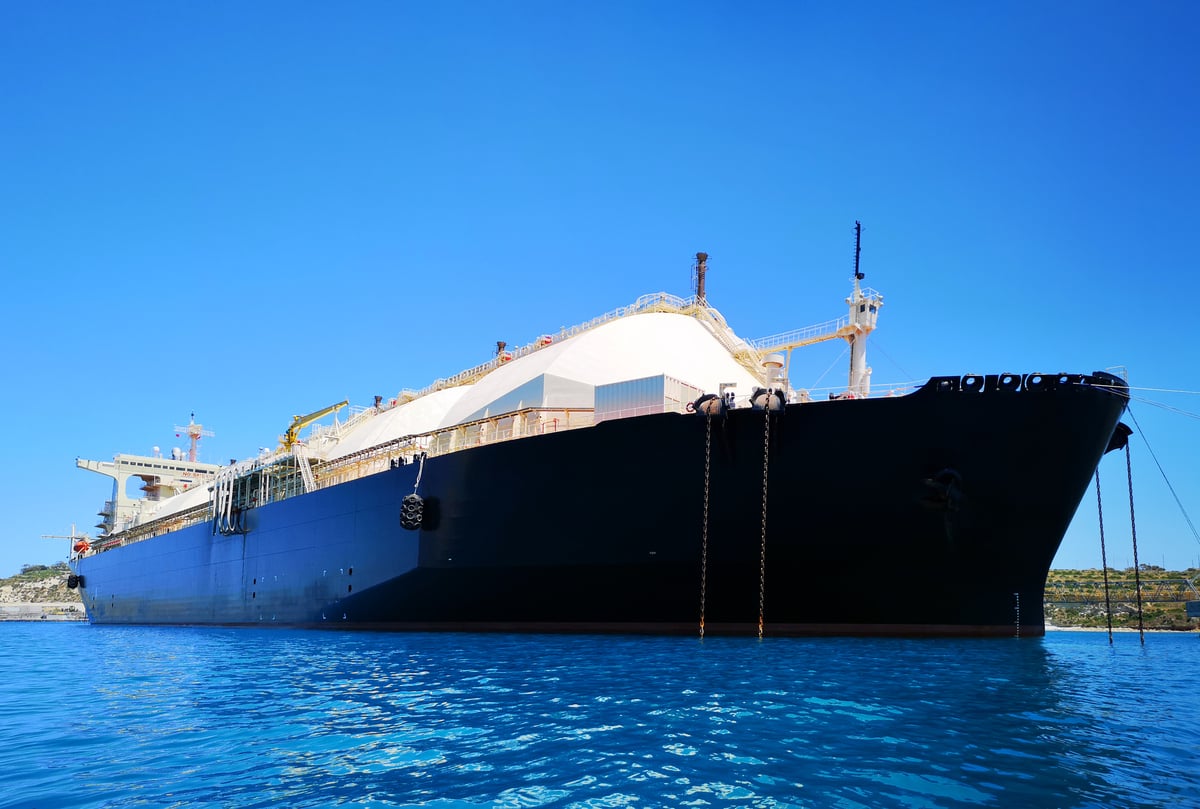
Venture Global Raises Full-Year Earnings Forecast Amid LNG Supply Crisis
- Significant Revenue Growth: Venture Global's first-quarter revenue surged 59% year-over-year to $4.6 billion, reflecting the company's strong performance in the global LNG market, particularly amid the supply crisis in the Middle East, showcasing its adaptability and enhanced profitability.
- Export Volume Increase: The company exported 130 cargos and sold 481 trillion British thermal units (TBtu) of LNG in the first quarter, representing gains of 106% and 111%, respectively, which not only bolstered its market share but also reinforced its critical role in the global energy supply chain.
- Net Income Growth: Venture Global's net income rose 23% to $488 million, indicating a sustained increase in profitability amid current market conditions, demonstrating its ability to navigate market volatility and achieve sustainable growth.
- Revised Earnings Guidance: The company raised its adjusted EBITDA forecast for 2026 to $8.2 billion to $8.5 billion, significantly higher than the previous target of $5.2 billion to $5.8 billion, reflecting management's optimistic outlook on future market demand and strategic foresight.

Venture Global Q1 2026 Earnings Call Highlights
- Significant Revenue Growth: Venture Global reported a top line of $4.6 billion for Q1 2026, reflecting a substantial increase driven by higher sales volumes of 481 TBtu compared to 228 TBtu in Q1 2025, despite a $1.4 billion impact from lower LNG sales prices, demonstrating resilience amid market volatility.
- Increased Contract Coverage: The contracted position for 2026 has markedly improved to 84% from 69% reported in Q4 2025, indicating strong progress in securing long- and medium-term contracts, which is expected to provide robust support for future revenues.
- Upgraded EBITDA Guidance: The company raised its 2026 EBITDA guidance to a range of $8.2 billion to $8.5 billion from the previous $5.2 billion to $5.8 billion, reflecting optimistic expectations for future market demand and reasonable assumptions regarding liquefaction fees.
- Active Financing Activities: Venture Global has raised over $11 billion in 2026 for development and refinancing, including $1.75 billion in the Term Loan B market, showcasing proactive measures in capital structure optimization and market confidence.
Venture Global Shares Surge 24.3% Following Strong Earnings and Supply Deals
- Strong Quarterly Performance: Venture Global's stock surged 24.3% this week, driven by a robust first-quarter earnings report released on Tuesday, which raised EBITDA guidance from $5.2 billion to $5.8 billion to a new range of $8.2 billion to $8.5 billion, reflecting the company's growth potential in a high-demand environment.
- Long-Term Contract Signings: The company secured five-year LNG supply agreements with TotalEnergies for 0.85 million tonnes per annum and with Vitol, increasing supply from 1.5 million tonnes to 1.7 million tonnes, ensuring revenue stability and enhancing market competitiveness.
- Favorable Market Conditions: The International Energy Agency noted that the closure of the Strait of Hormuz has impacted global LNG trade, benefiting Venture Global as its uncontracted LNG streams see price increases, further enhancing the company's profitability and market position.
- Capacity Expansion Plans: The company aims to ramp up annual production capacity to over 100 million tonnes by 2030, with CEO Michael Sabel indicating that the need to repair LNG infrastructure in Qatar and increased investment risks position Venture Global favorably to seize future market opportunities.
Venture Global Shares Surge 24.3% Following Strong Earnings and Supply Deals
- Strong Earnings: Venture Global's shares surged 24.3% this week, driven by an impressive first-quarter earnings report released on Tuesday, indicating robust profitability that is expected to fuel future investments and expansions.
- Long-Term Contracts Signed: The company secured five-year LNG supply agreements with TotalEnergies for 0.85 million tonnes per annum and with Vitol, increasing supply from 1.5 million tonnes to 1.7 million tonnes, ensuring stable revenue streams.
- Improved Market Conditions: The closure of the Strait of Hormuz has led to rising global LNG prices, benefiting Venture Global's uncontracted LNG flows, which is likely to enhance the company's market competitiveness and profitability.
- EBITDA Guidance Raised: Management raised the 2023 EBITDA forecast from $5.2 billion to $5.8 billion to a new range of $8.2 billion to $8.5 billion, reflecting confidence in future growth and providing funding assurance for capacity expansion.
Venture Global Stock Fluctuation Analysis
- Stock Movement: Venture Global (VG) experienced a 1.7% decline in Wednesday's trading, following a more than 14% surge due to strong Q1 results and full-year guidance, indicating significant market interest in its performance.
- Rating Upgrade: Citi upgraded Venture Global (VG) from Neutral to Buy with a price target raised from $12 to $17, suggesting the company offers higher investment potential in the LNG market due to its relatively open capacity position.
- Market Positioning: Venture Global (VG) disclosed spot pricing positions of 23%, 47%, and 52% for 2027, 2028, and 2029 respectively, indicating a leading position among peers, with analysts noting that the curve has appreciated significantly since it was previously viewed as a burden.
- Long-term Contract Strategy: Analysts expect Venture Global (VG) to continue signing five-year supply agreements at approximately $5/MMBtu margins, which not only reduces spot risk but also locks in healthy margins that are double those of long-term contracts, further supporting the company's expansion plans.
Wall Street's Latest Ratings Overview
- Nvidia's Positive Outlook: Oppenheimer reiterates Nvidia as an outperform, projecting CY26 free cash flow to approach $200 billion, and if half is allocated for dividends, the yield could reach nearly 2.5%, which would bolster investor confidence and drive stock price appreciation.
- Apple's Strong Ecosystem: Daiwa raises Apple's price target from $310 to $325, emphasizing its vast ecosystem as a core strength, while acknowledging potential memory management challenges in 2H CY26, the long-term outlook remains favorable for this core holding.
- Positive Outlook for Housing Platform: UBS upgrades KE Holdings to buy from neutral, citing significant upside due to its agency business in tier 1 cities, particularly as the market recovery is led by the secondary market, positioning the company for strong performance.
- Wendy's Potential Privatization: Argus upgrades Wendy's to buy from neutral, driven by news of a potential move to take the restaurant chain private, with Trian Fund Management owning about 40% of the stock, indicating strong market confidence in this strategic shift.
Venture Global Raises Full-Year Earnings Forecast Amid LNG Supply Crisis
- Significant Revenue Growth: Venture Global's first-quarter revenue surged 59% year-over-year to $4.6 billion, reflecting the company's strong performance in the global LNG market, particularly amid the supply crisis in the Middle East, showcasing its adaptability and enhanced profitability.
- Export Volume Increase: The company exported 130 cargos and sold 481 trillion British thermal units (TBtu) of LNG in the first quarter, representing gains of 106% and 111%, respectively, which not only bolstered its market share but also reinforced its critical role in the global energy supply chain.
- Net Income Growth: Venture Global's net income rose 23% to $488 million, indicating a sustained increase in profitability amid current market conditions, demonstrating its ability to navigate market volatility and achieve sustainable growth.
- Revised Earnings Guidance: The company raised its adjusted EBITDA forecast for 2026 to $8.2 billion to $8.5 billion, significantly higher than the previous target of $5.2 billion to $5.8 billion, reflecting management's optimistic outlook on future market demand and strategic foresight.
Venture Global Q1 2026 Earnings Call Highlights
- Significant Revenue Growth: Venture Global reported a top line of $4.6 billion for Q1 2026, reflecting a substantial increase driven by higher sales volumes of 481 TBtu compared to 228 TBtu in Q1 2025, despite a $1.4 billion impact from lower LNG sales prices, demonstrating resilience amid market volatility.
- Increased Contract Coverage: The contracted position for 2026 has markedly improved to 84% from 69% reported in Q4 2025, indicating strong progress in securing long- and medium-term contracts, which is expected to provide robust support for future revenues.
- Upgraded EBITDA Guidance: The company raised its 2026 EBITDA guidance to a range of $8.2 billion to $8.5 billion from the previous $5.2 billion to $5.8 billion, reflecting optimistic expectations for future market demand and reasonable assumptions regarding liquefaction fees.
- Active Financing Activities: Venture Global has raised over $11 billion in 2026 for development and refinancing, including $1.75 billion in the Term Loan B market, showcasing proactive measures in capital structure optimization and market confidence.