US Beef Industry Faces New Challenges from Screwworm Outbreak
- Parasite Threat: The resurgence of New World screwworm in Mexican states bordering Texas poses a significant risk to the already tight U.S. beef supply, potentially driving prices higher amid long-term drought and tariff pressures.
- Economic Loss Estimates: Economists project that an outbreak affecting millions of Texas cattle could result in hundreds of millions of dollars in producer income losses and generate up to $1.8 billion in broader economic losses in Texas, severely impacting agriculture and the beef supply chain.
- Price Forecast Adjustments: Prior to the parasite's emergence, Evercore ISI indicated that steak and hamburger prices would remain elevated, with CattleFax projecting a 15% increase in hamburger prices in the first half of 2026 and a 5% to 15% rise in steak prices.
- Market Pressure Intensification: U.S. beef producers are already grappling with shrinking herds and rising prices, and any disease-related animal losses or border closures would further tighten supplies, leading to increased margin pressure and demand issues.
Trade with 70% Backtested Accuracy
Analyst Views on TSN

About TSN
About the author


US Beef Industry Faces New Challenges from Screwworm Outbreak

- Parasite Threat: The resurgence of New World screwworm in Mexican states bordering Texas poses a significant risk to the already tight U.S. beef supply, potentially driving prices higher amid long-term drought and tariff pressures.
- Economic Loss Estimates: Economists project that an outbreak affecting millions of Texas cattle could result in hundreds of millions of dollars in producer income losses and generate up to $1.8 billion in broader economic losses in Texas, severely impacting agriculture and the beef supply chain.
- Price Forecast Adjustments: Prior to the parasite's emergence, Evercore ISI indicated that steak and hamburger prices would remain elevated, with CattleFax projecting a 15% increase in hamburger prices in the first half of 2026 and a 5% to 15% rise in steak prices.
- Market Pressure Intensification: U.S. beef producers are already grappling with shrinking herds and rising prices, and any disease-related animal losses or border closures would further tighten supplies, leading to increased margin pressure and demand issues.
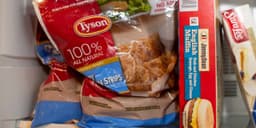
Tyson Foods Declares $0.51 Quarterly Dividend, Yield at 3.14%
- Quarterly Dividend Announcement: Tyson Foods has declared a quarterly dividend of $0.51 per share, consistent with previous payouts, indicating the company's ongoing ability to maintain stable cash flow, which is likely to attract more income-focused investors.
- Dividend Yield: The forward yield of 3.14% reflects the company's attractiveness in the current market environment, potentially increasing investor interest in its stock.
- Dividend Payment Timeline: The dividend is payable on June 15, with a record date of June 1 and an ex-dividend date also set for June 1, ensuring shareholders receive their earnings in a timely manner.
- Future Outlook: Tyson Foods has set an adjusted operating income target of $2.1 billion to $2.3 billion for 2026, indicating a positive growth outlook despite market challenges, which may bolster investor confidence in the company's strategic direction.
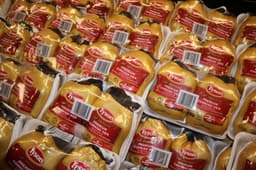
Tyson Foods Declares Quarterly Dividend
- Quarterly Dividend Announcement: On February 4, 2026, Tyson Foods' Board of Directors declared a quarterly dividend of $0.51 per share for Class A common stock and $0.459 for Class B, reflecting the company's robust cash flow and profitability, which enhances investor confidence.
- Payment Schedule: The dividends will be payable on June 15, 2026, to shareholders of record as of June 1, 2026, ensuring predictable returns for investors and further solidifying the company's relationship with its shareholders.
- Company Background: Founded in 1935, Tyson Foods has grown into a leading global protein food company with approximately 133,000 team members, showcasing its significant influence and market position in the food industry.
- Brand Portfolio Strength: With a diverse range of well-known brands such as Tyson, Jimmy Dean, and Hillshire Farm, the company's extensive product lineup not only meets varied consumer demands but also provides strong support for future growth.

Yum Brands Exceeds Q4 Sales Estimates Driven by Taco Bell and KFC


- Sales Growth Highlight: Yum Brands reported a 3% increase in worldwide same-store sales for Q4, surpassing analysts' expectations of 2.74%, indicating strong consumer demand for its affordable meal options.
- Taco Bell's Strong Performance: Taco Bell's same-store sales in the U.S. rose by 7%, exceeding the 6.5% forecast, primarily driven by the popularity of combo meals priced between $5 and $11.99, contributing approximately 36% to Yum's operating profits.
- KFC International Expansion: KFC's worldwide same-store sales grew by 3%, beating expectations, reflecting Yum's successful strategy of opening new stores in key growth markets, further solidifying its position in the international fast-food sector.
- Pizza Hut Chain Challenges: Yum is exploring strategic options for its Pizza Hut chain, which has seen sales decline for nine consecutive quarters, with a 5% drop in U.S. sales for the full year, highlighting the tough landscape in the competitive fast-food industry.
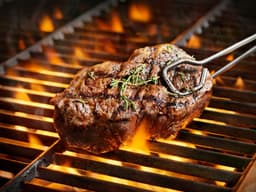
New U.S. Dietary Guidelines Favor Tyson Foods
- Updated Dietary Guidelines: The U.S. Department of Health and Human Services released new dietary guidelines emphasizing whole foods and protein, recommending 1.2 to 1.6 grams of protein per kilogram of body weight daily, significantly higher than the previous 0.8 grams, indicating a long-term positive outlook for meat consumption.
- Chicken Business Growth: While the beef segment faces challenges due to a historically small cattle herd and rising prices, Tyson Foods' chicken volumes rose 3.7% year-over-year in Q1 2026, reflecting strong consumer demand, with poultry expected to account for 50% of per-capita meat consumption in the U.S. by 2030.
- Impact on School Lunch Programs: The National School Lunch Program, which must adhere to the new guidelines and feeds nearly 30 million children daily, is likely to further boost demand for chicken and healthier food options, creating a long-term positive impact for Tyson Foods.
- Reduction of Processed Ingredients: Tyson Foods has already removed all petroleum-based synthetic dyes by early 2025 and plans to eliminate high fructose corn syrup and other additives by the end of 2025, aligning with the new guidelines and enhancing brand image while meeting consumer demand for healthier food options.
Why Tyson Foods Appears Attractive for Income Investors at This Time
Stock Performance: Tyson Foods (NYSE: TSN) is experiencing a breakout from its trading range, indicating potential for significant gains driven by improvements in operational quality and global protein demand.
Growth Projections: The company is expected to achieve an 8.5% compound annual growth rate (CAGR) over the next three to five years, supported by rising protein prices and a robust dividend outlook.
Market Position: Despite trading at lower earnings multiples compared to peers, Tyson Foods maintains a reliable dividend yield above the average market benchmark, suggesting a strong investment opportunity.
Recent Financial Results: In Q1 of fiscal year 2026, Tyson reported a net revenue increase of over 5% year-over-year, with growth driven primarily by pricing in key segments like pork and prepared foods, despite some weaknesses in beef and international business.
US Beef Industry Faces New Challenges from Screwworm Outbreak
- Parasite Threat: The resurgence of New World screwworm in Mexican states bordering Texas poses a significant risk to the already tight U.S. beef supply, potentially driving prices higher amid long-term drought and tariff pressures.
- Economic Loss Estimates: Economists project that an outbreak affecting millions of Texas cattle could result in hundreds of millions of dollars in producer income losses and generate up to $1.8 billion in broader economic losses in Texas, severely impacting agriculture and the beef supply chain.
- Price Forecast Adjustments: Prior to the parasite's emergence, Evercore ISI indicated that steak and hamburger prices would remain elevated, with CattleFax projecting a 15% increase in hamburger prices in the first half of 2026 and a 5% to 15% rise in steak prices.
- Market Pressure Intensification: U.S. beef producers are already grappling with shrinking herds and rising prices, and any disease-related animal losses or border closures would further tighten supplies, leading to increased margin pressure and demand issues.
Tyson Foods Declares $0.51 Quarterly Dividend, Yield at 3.14%
- Quarterly Dividend Announcement: Tyson Foods has declared a quarterly dividend of $0.51 per share, consistent with previous payouts, indicating the company's ongoing ability to maintain stable cash flow, which is likely to attract more income-focused investors.
- Dividend Yield: The forward yield of 3.14% reflects the company's attractiveness in the current market environment, potentially increasing investor interest in its stock.
- Dividend Payment Timeline: The dividend is payable on June 15, with a record date of June 1 and an ex-dividend date also set for June 1, ensuring shareholders receive their earnings in a timely manner.
- Future Outlook: Tyson Foods has set an adjusted operating income target of $2.1 billion to $2.3 billion for 2026, indicating a positive growth outlook despite market challenges, which may bolster investor confidence in the company's strategic direction.
Tyson Foods Declares Quarterly Dividend
- Quarterly Dividend Announcement: On February 4, 2026, Tyson Foods' Board of Directors declared a quarterly dividend of $0.51 per share for Class A common stock and $0.459 for Class B, reflecting the company's robust cash flow and profitability, which enhances investor confidence.
- Payment Schedule: The dividends will be payable on June 15, 2026, to shareholders of record as of June 1, 2026, ensuring predictable returns for investors and further solidifying the company's relationship with its shareholders.
- Company Background: Founded in 1935, Tyson Foods has grown into a leading global protein food company with approximately 133,000 team members, showcasing its significant influence and market position in the food industry.
- Brand Portfolio Strength: With a diverse range of well-known brands such as Tyson, Jimmy Dean, and Hillshire Farm, the company's extensive product lineup not only meets varied consumer demands but also provides strong support for future growth.
Yum Brands Exceeds Q4 Sales Estimates Driven by Taco Bell and KFC
- Sales Growth Highlight: Yum Brands reported a 3% increase in worldwide same-store sales for Q4, surpassing analysts' expectations of 2.74%, indicating strong consumer demand for its affordable meal options.
- Taco Bell's Strong Performance: Taco Bell's same-store sales in the U.S. rose by 7%, exceeding the 6.5% forecast, primarily driven by the popularity of combo meals priced between $5 and $11.99, contributing approximately 36% to Yum's operating profits.
- KFC International Expansion: KFC's worldwide same-store sales grew by 3%, beating expectations, reflecting Yum's successful strategy of opening new stores in key growth markets, further solidifying its position in the international fast-food sector.
- Pizza Hut Chain Challenges: Yum is exploring strategic options for its Pizza Hut chain, which has seen sales decline for nine consecutive quarters, with a 5% drop in U.S. sales for the full year, highlighting the tough landscape in the competitive fast-food industry.
New U.S. Dietary Guidelines Favor Tyson Foods
- Updated Dietary Guidelines: The U.S. Department of Health and Human Services released new dietary guidelines emphasizing whole foods and protein, recommending 1.2 to 1.6 grams of protein per kilogram of body weight daily, significantly higher than the previous 0.8 grams, indicating a long-term positive outlook for meat consumption.
- Chicken Business Growth: While the beef segment faces challenges due to a historically small cattle herd and rising prices, Tyson Foods' chicken volumes rose 3.7% year-over-year in Q1 2026, reflecting strong consumer demand, with poultry expected to account for 50% of per-capita meat consumption in the U.S. by 2030.
- Impact on School Lunch Programs: The National School Lunch Program, which must adhere to the new guidelines and feeds nearly 30 million children daily, is likely to further boost demand for chicken and healthier food options, creating a long-term positive impact for Tyson Foods.
- Reduction of Processed Ingredients: Tyson Foods has already removed all petroleum-based synthetic dyes by early 2025 and plans to eliminate high fructose corn syrup and other additives by the end of 2025, aligning with the new guidelines and enhancing brand image while meeting consumer demand for healthier food options.
Why Tyson Foods Appears Attractive for Income Investors at This Time
Stock Performance: Tyson Foods (NYSE: TSN) is experiencing a breakout from its trading range, indicating potential for significant gains driven by improvements in operational quality and global protein demand.
Growth Projections: The company is expected to achieve an 8.5% compound annual growth rate (CAGR) over the next three to five years, supported by rising protein prices and a robust dividend outlook.
Market Position: Despite trading at lower earnings multiples compared to peers, Tyson Foods maintains a reliable dividend yield above the average market benchmark, suggesting a strong investment opportunity.
Recent Financial Results: In Q1 of fiscal year 2026, Tyson reported a net revenue increase of over 5% year-over-year, with growth driven primarily by pricing in key segments like pork and prepared foods, despite some weaknesses in beef and international business.