Tyson Foods Q1 2026 Earnings Call Highlights
Written by Emily J. Thompson, Senior Investment Analyst
Updated: Feb 02 2026
0mins
Should l Buy TSN?
Source: seekingalpha
- Significant Sales Growth: Tyson Foods reported Q1 sales of $14.3 billion, a 6.2% year-over-year increase, demonstrating strong performance across beef, chicken, and prepared foods, reflecting sustained market demand.
- Enhanced Operational Transparency: The company shifted its reporting from adjusted operating income to segment operating income, allowing investors to better assess the effectiveness of business decisions, thereby increasing management accountability and transparency.
- Strong Brand Performance: Retail branded products saw a 2.5% volume increase, with Tyson fresh chicken and Hillshire lunchmeats growing by 10.7% and 10.4% respectively, showcasing the company's competitive edge and robust consumer demand in the branded market.
- Optimistic Future Outlook: Management anticipates full-year sales growth of 2% to 4% and sets adjusted operating income expectations between $2.1 billion and $2.3 billion, indicating confidence in future market conditions despite challenges in the beef segment.
Trade with 70% Backtested Accuracy
Stop guessing "Should I Buy TSN?" and start using high-conviction signals backed by rigorous historical data.
Sign up today to access powerful investing tools and make smarter, data-driven decisions.
Analyst Views on TSN
Wall Street analysts forecast TSN stock price to rise
6 Analyst Rating
2 Buy
4 Hold
0 Sell
Moderate Buy
Current: 64.300

Low
58.00
Averages
65.20
High
75.00
Current: 64.300
Low
58.00
Averages
65.20
High
75.00
About TSN
Tyson Foods, Inc. is a food company. The Company has a portfolio of products and brands, including Tyson, Jimmy Dean, Hillshire Farm, Ball Park, Wright, State Fair, Aidells and ibp. Its segments include Beef, Pork, Chicken, and Prepared Foods. The Beef segment includes operations related to processing live-fed cattle and fabricating dressed beef carcasses into primal and sub-primal meat cuts and case-ready products. The Pork segment includes operations related to processing live market hogs and fabricating pork carcasses into primal and sub-primal cuts and case-ready products. The Chicken segment includes its domestic operations related to raising and processing live chickens into, and purchasing raw materials for fresh, frozen and value-added chicken products and sales of specialty products. The Prepared Foods segment includes operations related to manufacturing and marketing frozen and refrigerated food products and logistics operations to move products through the supply chain.
About the author

Emily J. Thompson
Emily J. Thompson, a Chartered Financial Analyst (CFA) with 12 years in investment research, graduated with honors from the Wharton School. Specializing in industrial and technology stocks, she provides in-depth analysis for Intellectia’s earnings and market brief reports.
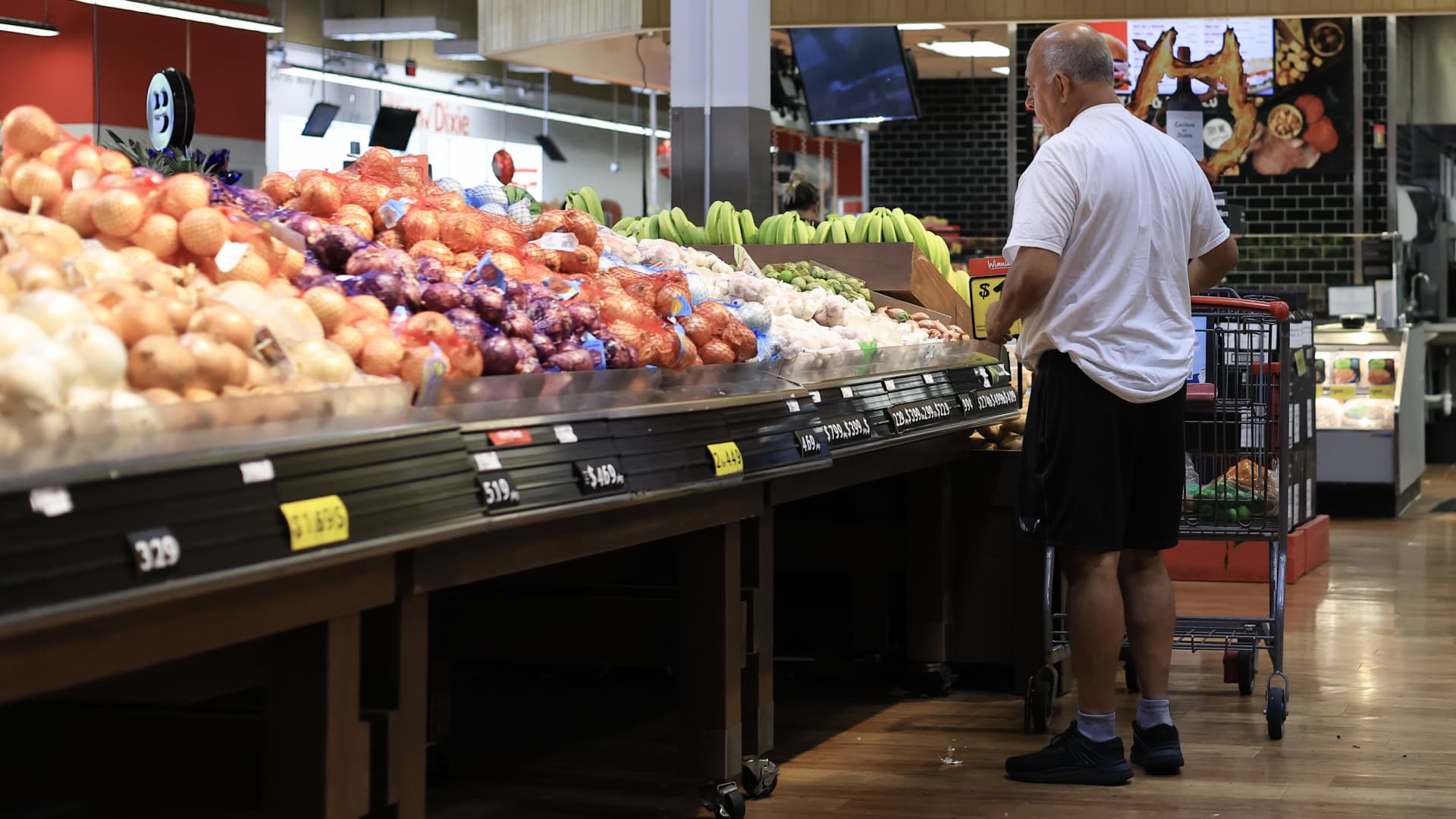
Iran War Triggers Surge in U.S. Food Prices Ahead of Elections


- Food Price Surge: The Iran war has led to soaring oil prices, which are expected to significantly increase food prices in the U.S., impacting voter perceptions ahead of the midterm elections, particularly as the Trump administration faces economic pressures.
- Voter Reaction: Democrats are capitalizing on rising food prices by blaming Trump's war decisions, believing this will affect voter support for Republicans, especially as economic burdens increase.
- Supply Chain Challenges: The costs of food production and transportation are rising due to increased oil and fertilizer prices, with new crops planted this season likely to see higher market prices at harvest time in the fall, exacerbating consumer economic pressures.
- Rising Plastic Costs: The price of plastics needed for food packaging is increasing due to tight natural gas supplies, leading to higher transportation and storage costs for fresh produce, which may drive consumer prices up further in the coming months.
See More

US Stocks Plunge Amid Soaring Oil Prices


- Market Weakness: The S&P 500 index fell by 1.74%, the Dow Jones Industrial Average dropped by 1.01%, and the Nasdaq 100 hit a 6.5-month low, reflecting investor concerns about future economic prospects amid rising oil prices.
- Surging Oil Prices: WTI crude oil prices surged over 4% due to reports of potential military action against Iran by the Pentagon, which heightened inflation expectations and increased pressure on the stock market.
- Strong Labor Market Data: Initial jobless claims rose by 5,000 to 210,000, in line with expectations, while continuing claims fell by 32,000 to a 1.75-year low of 1.819 million, indicating labor market strength that could influence Federal Reserve policy.
- International Economic Impact: The OECD raised its G-20 inflation forecast for 2026 to 4.0%, reflecting the potential global economic impact of the Iran war, with increasing market concerns about escalating tensions in the Middle East that could disrupt global supply chains.
See More
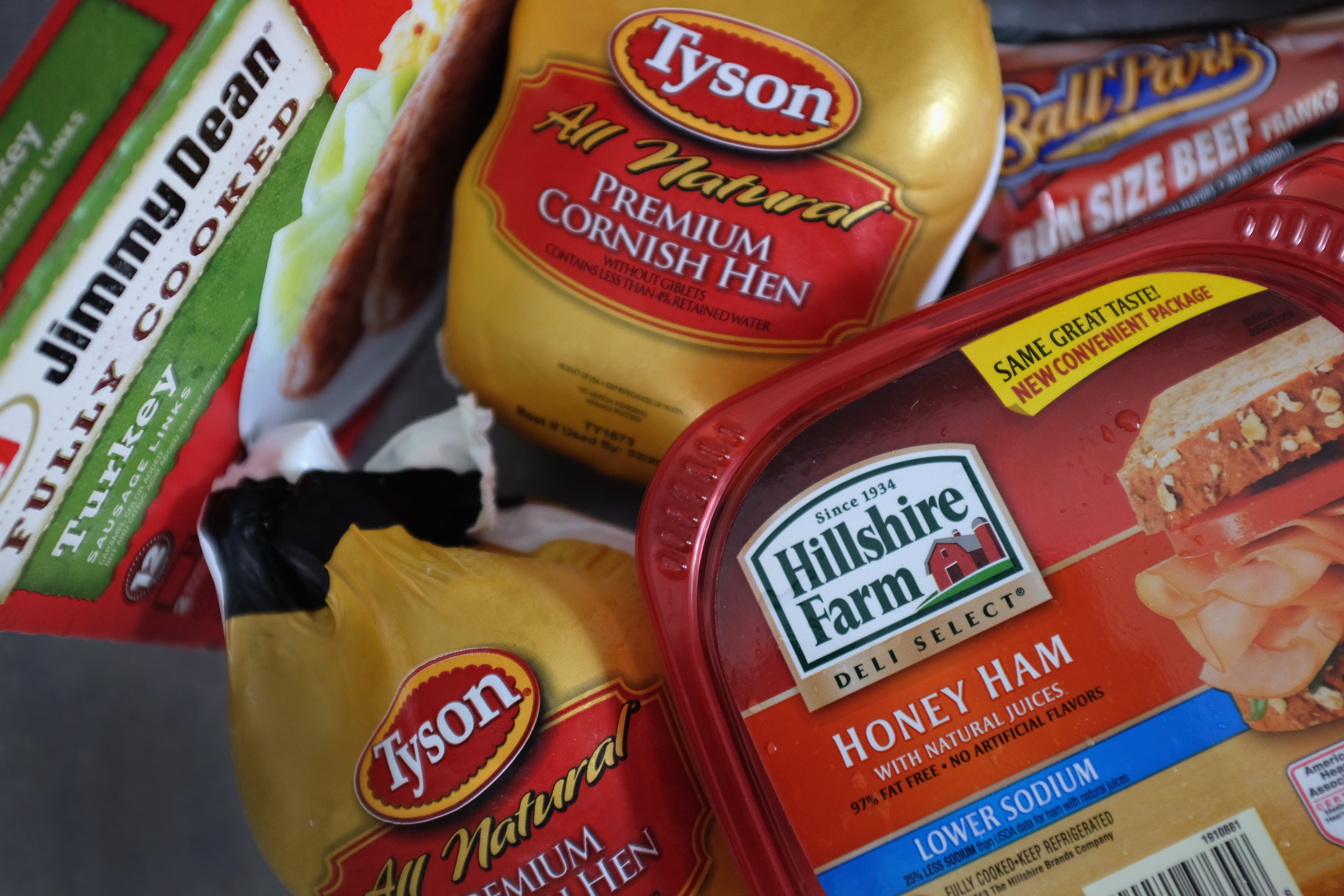
Mizuho Initiates Outperform Rating on Tyson Foods

- Rating Upgrade: Mizuho initiated coverage of Tyson Foods (TSN) with an Outperform rating, reflecting a positive risk/reward outlook into fiscal year 2027, primarily driven by the company's efficiency improvements and strong demand for protein.
- Resilient Market Demand: Despite record-high meat prices, U.S. meat demand remains robust, with consumers shifting towards nutrient-dense options, a trend that Mizuho's analyst expects to persist in the new landscape of GLP-1s and personalized health data.
- Strong Brand Performance: Negative headlines surrounding prepared foods have not hindered Tyson-branded retail products, which are outperforming the food and beverage sector by approximately 400 basis points, indicating strong momentum from innovation, distribution, and brand-building efforts.
- Investment in Operational Optimization: Tyson's significant reinvestment in network optimizations, including robotics, supply chain efficiencies, and enhanced analytics, is expected to underwrite stronger execution and greater operating leverage, with Mizuho setting a price target of $72, suggesting a 17% upside.
See More

US Stocks Under Pressure Amid Soaring Oil Prices
- Oil Price Surge Pressures Markets: Amid escalating uncertainty regarding Iran, WTI crude oil prices rose over 3%, contributing to a 0.64% drop in the S&P 500, a 0.16% decline in the Dow Jones, and a 1.05% fall in the Nasdaq 100, indicating market sensitivity to geopolitical risks.
- Strong Labor Market Data: Initial jobless claims in the US rose by 5,000 to 210,000, aligning with expectations, while continuing claims fell by 32,000 to a 1.75-year low of 1.819 million, suggesting a robust labor market that could influence a hawkish stance from the Fed.
- OECD Raises Inflation Forecast: The OECD increased its G-20 inflation forecast for 2026 from 2.8% to 4.0%, reflecting the potential economic impact of the Iran conflict, which may heighten investor concerns about future economic growth.
- Chip Makers Under Pressure: A new compression technique proposed by Google researchers, which could reduce memory requirements for AI workloads, has led to declines of over 5% in several chip manufacturers' stocks, further exacerbating overall market weakness.
See More

Market Volatility and Investment Strategy Analysis

- Market Volatility Impact: The S&P 500 fell nearly 1% on Thursday due to uncertainty over ceasefire talks with Iran, erasing gains from the previous session and highlighting the market's sensitivity to geopolitical risks.
- Oil Price Surge: U.S. oil prices rose 4% amid the ongoing conflict, reflecting the inverse relationship between oil prices and stock market performance, prompting investors to approach market fluctuations with caution.
- Wells Fargo Investment Opportunity: Jefferies initiated coverage on Wells Fargo with a buy rating, noting that the removal of its asset cap allows for faster growth in its balance sheet and interest income, with Jim Cramer suggesting to buy more shares if the price drops below $80.
- TJX Stock Potential: Bernstein analysts highlighted TJX as a strong performer during economic uncertainty, stating that despite its premium valuation, a significant price drop could present a buying opportunity, making it a stock to watch.
See More

Surging Oil Prices Trigger Market Volatility

- Oil Price Surge: WTI crude oil prices rose over 4% today as the Pentagon develops military options against Iran, raising concerns about future supply disruptions and contributing to a 0.50% decline in the S&P 500 Index.
- Labor Market Stability: Initial jobless claims in the U.S. rose by 5,000 to 210,000, aligning with expectations, while continuing claims fell by 32,000 to a 1.75-year low of 1.819 million, indicating resilience in the labor market despite cautious economic outlooks.
- OECD Inflation Forecast Raised: The OECD increased its G-20 inflation forecast for 2026 from 2.8% to 4.0%, reflecting the potential economic impacts of the war in Iran, which may lead investors to reassess market risks.
- Escalating Tensions in the Middle East: Saudi Arabia's agreement to allow U.S. military access to King Fahd Air Base signals increased regional pressure on Iran, potentially leading to broader military conflict that could further disrupt global oil and gas supply chains.
See More
Iran War Triggers Surge in U.S. Food Prices Ahead of Elections
- Food Price Surge: The Iran war has led to soaring oil prices, which are expected to significantly increase food prices in the U.S., impacting voter perceptions ahead of the midterm elections, particularly as the Trump administration faces economic pressures.
- Voter Reaction: Democrats are capitalizing on rising food prices by blaming Trump's war decisions, believing this will affect voter support for Republicans, especially as economic burdens increase.
- Supply Chain Challenges: The costs of food production and transportation are rising due to increased oil and fertilizer prices, with new crops planted this season likely to see higher market prices at harvest time in the fall, exacerbating consumer economic pressures.
- Rising Plastic Costs: The price of plastics needed for food packaging is increasing due to tight natural gas supplies, leading to higher transportation and storage costs for fresh produce, which may drive consumer prices up further in the coming months.
See More
US Stocks Plunge Amid Soaring Oil Prices
- Market Weakness: The S&P 500 index fell by 1.74%, the Dow Jones Industrial Average dropped by 1.01%, and the Nasdaq 100 hit a 6.5-month low, reflecting investor concerns about future economic prospects amid rising oil prices.
- Surging Oil Prices: WTI crude oil prices surged over 4% due to reports of potential military action against Iran by the Pentagon, which heightened inflation expectations and increased pressure on the stock market.
- Strong Labor Market Data: Initial jobless claims rose by 5,000 to 210,000, in line with expectations, while continuing claims fell by 32,000 to a 1.75-year low of 1.819 million, indicating labor market strength that could influence Federal Reserve policy.
- International Economic Impact: The OECD raised its G-20 inflation forecast for 2026 to 4.0%, reflecting the potential global economic impact of the Iran war, with increasing market concerns about escalating tensions in the Middle East that could disrupt global supply chains.
See More
Mizuho Initiates Outperform Rating on Tyson Foods
- Rating Upgrade: Mizuho initiated coverage of Tyson Foods (TSN) with an Outperform rating, reflecting a positive risk/reward outlook into fiscal year 2027, primarily driven by the company's efficiency improvements and strong demand for protein.
- Resilient Market Demand: Despite record-high meat prices, U.S. meat demand remains robust, with consumers shifting towards nutrient-dense options, a trend that Mizuho's analyst expects to persist in the new landscape of GLP-1s and personalized health data.
- Strong Brand Performance: Negative headlines surrounding prepared foods have not hindered Tyson-branded retail products, which are outperforming the food and beverage sector by approximately 400 basis points, indicating strong momentum from innovation, distribution, and brand-building efforts.
- Investment in Operational Optimization: Tyson's significant reinvestment in network optimizations, including robotics, supply chain efficiencies, and enhanced analytics, is expected to underwrite stronger execution and greater operating leverage, with Mizuho setting a price target of $72, suggesting a 17% upside.
See More
US Stocks Under Pressure Amid Soaring Oil Prices
- Oil Price Surge Pressures Markets: Amid escalating uncertainty regarding Iran, WTI crude oil prices rose over 3%, contributing to a 0.64% drop in the S&P 500, a 0.16% decline in the Dow Jones, and a 1.05% fall in the Nasdaq 100, indicating market sensitivity to geopolitical risks.
- Strong Labor Market Data: Initial jobless claims in the US rose by 5,000 to 210,000, aligning with expectations, while continuing claims fell by 32,000 to a 1.75-year low of 1.819 million, suggesting a robust labor market that could influence a hawkish stance from the Fed.
- OECD Raises Inflation Forecast: The OECD increased its G-20 inflation forecast for 2026 from 2.8% to 4.0%, reflecting the potential economic impact of the Iran conflict, which may heighten investor concerns about future economic growth.
- Chip Makers Under Pressure: A new compression technique proposed by Google researchers, which could reduce memory requirements for AI workloads, has led to declines of over 5% in several chip manufacturers' stocks, further exacerbating overall market weakness.
See More
Market Volatility and Investment Strategy Analysis
- Market Volatility Impact: The S&P 500 fell nearly 1% on Thursday due to uncertainty over ceasefire talks with Iran, erasing gains from the previous session and highlighting the market's sensitivity to geopolitical risks.
- Oil Price Surge: U.S. oil prices rose 4% amid the ongoing conflict, reflecting the inverse relationship between oil prices and stock market performance, prompting investors to approach market fluctuations with caution.
- Wells Fargo Investment Opportunity: Jefferies initiated coverage on Wells Fargo with a buy rating, noting that the removal of its asset cap allows for faster growth in its balance sheet and interest income, with Jim Cramer suggesting to buy more shares if the price drops below $80.
- TJX Stock Potential: Bernstein analysts highlighted TJX as a strong performer during economic uncertainty, stating that despite its premium valuation, a significant price drop could present a buying opportunity, making it a stock to watch.
See More
Surging Oil Prices Trigger Market Volatility
- Oil Price Surge: WTI crude oil prices rose over 4% today as the Pentagon develops military options against Iran, raising concerns about future supply disruptions and contributing to a 0.50% decline in the S&P 500 Index.
- Labor Market Stability: Initial jobless claims in the U.S. rose by 5,000 to 210,000, aligning with expectations, while continuing claims fell by 32,000 to a 1.75-year low of 1.819 million, indicating resilience in the labor market despite cautious economic outlooks.
- OECD Inflation Forecast Raised: The OECD increased its G-20 inflation forecast for 2026 from 2.8% to 4.0%, reflecting the potential economic impacts of the war in Iran, which may lead investors to reassess market risks.
- Escalating Tensions in the Middle East: Saudi Arabia's agreement to allow U.S. military access to King Fahd Air Base signals increased regional pressure on Iran, potentially leading to broader military conflict that could further disrupt global oil and gas supply chains.
See More