Turning Point USA Launches Child Savings Matching Program
Written by Emily J. Thompson, Senior Investment Analyst
Updated: Jan 30 2026
0mins

Source: Benzinga
- Child Savings Matching: Turning Point USA announced a dollar-for-dollar match for the federal government's new 'Trump Account' deposits, providing $1,000 for each eligible employee's newborn, reflecting a commitment to supporting young families.
- Legacy of Family Values: CEO Erika Kirk emphasized the late co-founder Charlie Kirk's focus on family, stating that this initiative aims to continue his legacy of support for families, enhancing employee loyalty and sense of belonging.
- Long-Term Investment Opportunity: Trump Accounts serve as long-term investment vehicles, allowing parents to open accounts for children under 18, with the federal government depositing $1,000 for each eligible newborn from 2025 to 2028, promoting future financial security for children.
- Corporate Participation Expands: Starting July 5, families and employers can contribute up to $5,000 per child annually, with employer contributions capped at $2,500, indicating a growing trend of corporate involvement in supporting child savings initiatives.
Trade with 70% Backtested Accuracy
Stop guessing "Should I Buy BAC?" and start using high-conviction signals backed by rigorous historical data.
Sign up today to access powerful investing tools and make smarter, data-driven decisions.
Analyst Views on BAC
Wall Street analysts forecast BAC stock price to rise
19 Analyst Rating
15 Buy
4 Hold
0 Sell
Strong Buy
Current: 49.270

Low
55.00
Averages
61.64
High
71.00
Current: 49.270
Low
55.00
Averages
61.64
High
71.00
About BAC
Bank of America Corporation is a bank holding company and a financial holding company. Its segments include Consumer Banking, Global Wealth & Investment Management (GWIM), Global Banking and Global Markets. Consumer Banking segment offers a range of credit, banking and investment products and services to consumers and small businesses. The GWIM includes two businesses: Merrill Wealth Management, which provides tailored solutions to meet clients' needs through a full set of investment management, brokerage, banking and retirement products and Bank of America Private Bank, which provides comprehensive wealth management solutions. Global Banking segment provides a range of lending-related products and services, integrated working capital management and treasury solutions, and underwriting and advisory services. Global Markets segment offers sales and trading services and research services to institutional clients across fixed-income, credit, currency, commodity, and equity businesses.
About the author

Emily J. Thompson
Emily J. Thompson, a Chartered Financial Analyst (CFA) with 12 years in investment research, graduated with honors from the Wharton School. Specializing in industrial and technology stocks, she provides in-depth analysis for Intellectia’s earnings and market brief reports.
Stock Market Rallies on Optimism Over Iran War Resolution


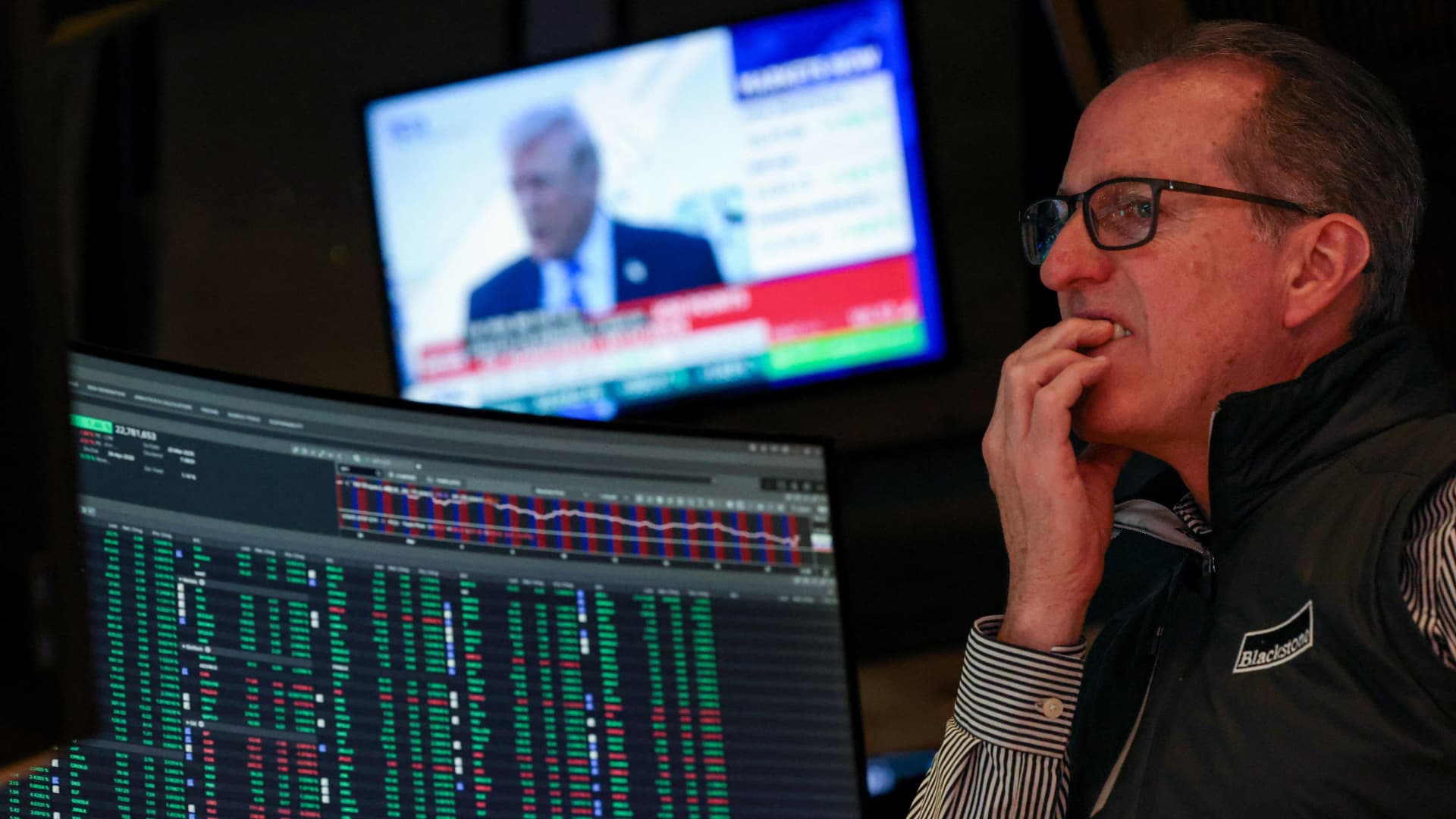
- Market Rebound: The S&P 500 and Nasdaq Composite rose 3.4% and 4.4% respectively during the holiday-shortened trading week, breaking a five-week losing streak, reflecting optimism about a potential resolution to the Iran war.
- Oil Price Volatility: Despite an 11.4% surge in oil prices on Thursday, the stock market still rallied, indicating a new understanding of the inverse relationship between oil prices and stocks, which may signal increased investor confidence for the future.
- Strong Employment Data: The U.S. March jobs report revealed an addition of 178,000 jobs, significantly surpassing the Dow Jones estimate of 59,000, suggesting a healthy labor market that could alleviate concerns about stagflation driven by rising oil prices.
- IPO Surge: SpaceX confidentially filed for an IPO, potentially valued at $1.75 trillion, while OpenAI and other startups are also considering going public, which could bring new capital inflows and investment opportunities to the market.
See More

Boeing Faces Safety and Production Challenges

- Safety Concerns: Boeing's safety issues, stemming from high-profile 737 MAX crashes and FAA-imposed production caps, have raised investor concerns about its safety record, leading to significant cash burn and financial instability.
- Production Recovery: New CEO Kelly Ortberg has ramped up 737 MAX production to 42 units per month, with plans to increase to 47 by mid-year, indicating positive efforts in restoring production capacity.
- Increased Financial Pressure: CFO Jesus Malave confirmed that the integration of Spirit has delayed the return to positive margins in the commercial airplanes segment until 2027, with this year expected to see negative margins around 7.5% to 8%.
- Delivery Delay Risks: Certification delays for the 737 MAX-7 and MAX-10 pushed to 2026, along with lighter-than-expected deliveries of the 787, highlight ongoing pressures in Boeing's production scheduling and quality control.
See More

Boeing Faces Ongoing Safety and Certification Challenges
- Safety and Certification Issues: Boeing continues to face ongoing safety and certification challenges with its 737 MAX series, leading to investor concerns about its safety record, particularly after high-profile crashes, which have significantly impacted the company's cash flow.
- Management Changes and Integration: The appointment of new CEO Kelly Ortberg has brought operational improvements, with Boeing currently producing 42 737 MAX aircraft per month and planning to ramp up to 47 by mid-year, indicating positive adjustments in production capacity.
- Profitability Delays and Market Reaction: Despite the new production line opening in Everett, the integration delays with Spirit mean that profitability in the commercial airplanes segment is expected to be delayed until 2026-2027, leading investors to adopt a cautiously optimistic outlook.
- FAA Regulatory Pressure: Ongoing pressure from the FAA due to production restrictions and quality control issues means that investors are looking for progress on 737 MAX and 787 certifications by 2026 before feeling confident in investing in the stock.
See More

Nuclear Energy Market Resurgence and Investment Opportunities

- Growing Nuclear Demand: According to Bank of America research, U.S. electrical demand is projected to grow at an annual rate of 2.5% over the next decade, five times faster than the previous decade, highlighting the increasing importance of nuclear energy as a clean energy source.
- NuScale's Technological Progress: NuScale Power is developing small modular reactor technology, with each module generating 77 megawatts of electricity and capable of being deployed in clusters of up to 12 for a total output of 924 megawatts, although commercial deployment will take several years.
- BWX's Market Position: BWX Technologies serves as the sole provider of nuclear fuel for the U.S. Navy, with government contract revenue reaching $2.35 billion in 2025, accounting for 73.4% of total revenue, underscoring its critical role in national security.
- Investment Outlook Comparison: While NuScale Power shows potential in nuclear technology, BWX Technologies is viewed as a better investment due to its 50% backlog growth to $7.3 billion, indicating stronger long-term revenue visibility.
See More

Nuclear Energy Resurgence: Investment Outlook for NuScale and BWX
- Growing Power Demand: According to Bank of America research, U.S. electrical demand is projected to grow at an annual rate of 2.5% over the next decade, five times faster than the previous decade, which has drawn attention to nuclear stocks, particularly NuScale and BWX Technologies.
- NuScale's Technological Innovation: NuScale Power's modular reactor technology produces 77 megawatts of electricity per module, with the potential to combine up to 12 modules for a total output of 924 megawatts; while its commercialization is slow, the technology could revolutionize nuclear energy deployment.
- BWX's Government Partnerships: BWX Technologies is the sole supplier of nuclear fuel for the U.S. Navy, with its government business contributing $2.35 billion to its revenue in 2025, highlighting its critical role in national security and providing a stable long-term revenue stream.
- Investment Outlook Comparison: While NuScale has innovative potential in nuclear technology, BWX is seen as the better investment currently due to a 50% increase in backlog to $7.3 billion, indicating strong market demand and visibility into future earnings.
See More
Bank of America Settles $72.5M Lawsuit with Epstein Victims
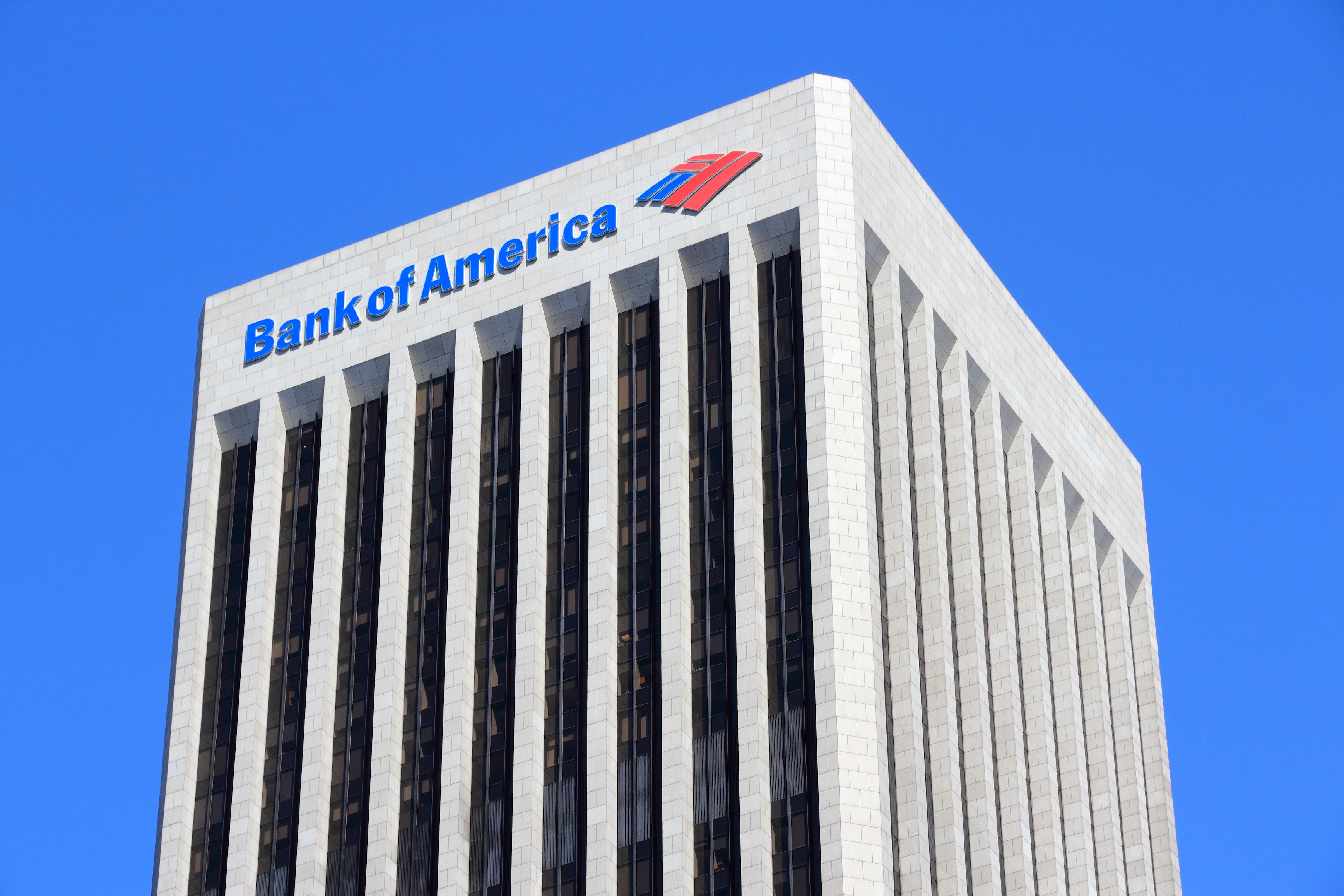
- Settlement Amount Confirmed: Bank of America has agreed to pay $72.5 million to settle a class action lawsuit alleging its facilitation of Jeffrey Epstein's sex trafficking operation, despite denying any wrongdoing, which will provide financial compensation to many victims and reflects the bank's compromise on legal liability.
- Preliminary Approval Granted: U.S. District Judge Jed Rakoff has given preliminary approval to the settlement agreement, indicating the court's recognition of the terms, with a final hearing scheduled for August 27, allowing victims the opportunity to object, which could further influence the execution of the settlement.
- Complex Litigation Background: The case stems from two lawsuits filed in October 2025 against Bank of America and BNY, accusing both banks of failing to report suspicious activities related to the convicted sex offender, although claims against BNY were dismissed in January, highlighting the complexities of legal risks involved.
- Potential Market Impact: Despite the substantial settlement amount, the market's reaction to Bank of America may be influenced by its overall financial health, prompting investors to monitor future legal risks and their long-term implications on the bank's reputation.
See More
Stock Market Rallies on Optimism Over Iran War Resolution
- Market Rebound: The S&P 500 and Nasdaq Composite rose 3.4% and 4.4% respectively during the holiday-shortened trading week, breaking a five-week losing streak, reflecting optimism about a potential resolution to the Iran war.
- Oil Price Volatility: Despite an 11.4% surge in oil prices on Thursday, the stock market still rallied, indicating a new understanding of the inverse relationship between oil prices and stocks, which may signal increased investor confidence for the future.
- Strong Employment Data: The U.S. March jobs report revealed an addition of 178,000 jobs, significantly surpassing the Dow Jones estimate of 59,000, suggesting a healthy labor market that could alleviate concerns about stagflation driven by rising oil prices.
- IPO Surge: SpaceX confidentially filed for an IPO, potentially valued at $1.75 trillion, while OpenAI and other startups are also considering going public, which could bring new capital inflows and investment opportunities to the market.
See More
Boeing Faces Safety and Production Challenges
- Safety Concerns: Boeing's safety issues, stemming from high-profile 737 MAX crashes and FAA-imposed production caps, have raised investor concerns about its safety record, leading to significant cash burn and financial instability.
- Production Recovery: New CEO Kelly Ortberg has ramped up 737 MAX production to 42 units per month, with plans to increase to 47 by mid-year, indicating positive efforts in restoring production capacity.
- Increased Financial Pressure: CFO Jesus Malave confirmed that the integration of Spirit has delayed the return to positive margins in the commercial airplanes segment until 2027, with this year expected to see negative margins around 7.5% to 8%.
- Delivery Delay Risks: Certification delays for the 737 MAX-7 and MAX-10 pushed to 2026, along with lighter-than-expected deliveries of the 787, highlight ongoing pressures in Boeing's production scheduling and quality control.
See More
Boeing Faces Ongoing Safety and Certification Challenges
- Safety and Certification Issues: Boeing continues to face ongoing safety and certification challenges with its 737 MAX series, leading to investor concerns about its safety record, particularly after high-profile crashes, which have significantly impacted the company's cash flow.
- Management Changes and Integration: The appointment of new CEO Kelly Ortberg has brought operational improvements, with Boeing currently producing 42 737 MAX aircraft per month and planning to ramp up to 47 by mid-year, indicating positive adjustments in production capacity.
- Profitability Delays and Market Reaction: Despite the new production line opening in Everett, the integration delays with Spirit mean that profitability in the commercial airplanes segment is expected to be delayed until 2026-2027, leading investors to adopt a cautiously optimistic outlook.
- FAA Regulatory Pressure: Ongoing pressure from the FAA due to production restrictions and quality control issues means that investors are looking for progress on 737 MAX and 787 certifications by 2026 before feeling confident in investing in the stock.
See More
Nuclear Energy Market Resurgence and Investment Opportunities
- Growing Nuclear Demand: According to Bank of America research, U.S. electrical demand is projected to grow at an annual rate of 2.5% over the next decade, five times faster than the previous decade, highlighting the increasing importance of nuclear energy as a clean energy source.
- NuScale's Technological Progress: NuScale Power is developing small modular reactor technology, with each module generating 77 megawatts of electricity and capable of being deployed in clusters of up to 12 for a total output of 924 megawatts, although commercial deployment will take several years.
- BWX's Market Position: BWX Technologies serves as the sole provider of nuclear fuel for the U.S. Navy, with government contract revenue reaching $2.35 billion in 2025, accounting for 73.4% of total revenue, underscoring its critical role in national security.
- Investment Outlook Comparison: While NuScale Power shows potential in nuclear technology, BWX Technologies is viewed as a better investment due to its 50% backlog growth to $7.3 billion, indicating stronger long-term revenue visibility.
See More
Nuclear Energy Resurgence: Investment Outlook for NuScale and BWX
- Growing Power Demand: According to Bank of America research, U.S. electrical demand is projected to grow at an annual rate of 2.5% over the next decade, five times faster than the previous decade, which has drawn attention to nuclear stocks, particularly NuScale and BWX Technologies.
- NuScale's Technological Innovation: NuScale Power's modular reactor technology produces 77 megawatts of electricity per module, with the potential to combine up to 12 modules for a total output of 924 megawatts; while its commercialization is slow, the technology could revolutionize nuclear energy deployment.
- BWX's Government Partnerships: BWX Technologies is the sole supplier of nuclear fuel for the U.S. Navy, with its government business contributing $2.35 billion to its revenue in 2025, highlighting its critical role in national security and providing a stable long-term revenue stream.
- Investment Outlook Comparison: While NuScale has innovative potential in nuclear technology, BWX is seen as the better investment currently due to a 50% increase in backlog to $7.3 billion, indicating strong market demand and visibility into future earnings.
See More
Bank of America Settles $72.5M Lawsuit with Epstein Victims
- Settlement Amount Confirmed: Bank of America has agreed to pay $72.5 million to settle a class action lawsuit alleging its facilitation of Jeffrey Epstein's sex trafficking operation, despite denying any wrongdoing, which will provide financial compensation to many victims and reflects the bank's compromise on legal liability.
- Preliminary Approval Granted: U.S. District Judge Jed Rakoff has given preliminary approval to the settlement agreement, indicating the court's recognition of the terms, with a final hearing scheduled for August 27, allowing victims the opportunity to object, which could further influence the execution of the settlement.
- Complex Litigation Background: The case stems from two lawsuits filed in October 2025 against Bank of America and BNY, accusing both banks of failing to report suspicious activities related to the convicted sex offender, although claims against BNY were dismissed in January, highlighting the complexities of legal risks involved.
- Potential Market Impact: Despite the substantial settlement amount, the market's reaction to Bank of America may be influenced by its overall financial health, prompting investors to monitor future legal risks and their long-term implications on the bank's reputation.
See More