Tesla's Cybercab Production Update: Initial Slowdown but Future Speed Promised by Musk
Written by Emily J. Thompson, Senior Investment Analyst
Updated: Jan 21 2026
0mins

Should l Buy GOOG?
Source: Benzinga
- Production Speed Expectations: Musk indicated that initial production of the Cybercab will be very slow, with each unit taking over 10 seconds to produce, but as new processes are refined, production speeds are expected to significantly increase, potentially reaching very fast levels.
- Self-Driving Technology Commitment: Musk revealed that Tesla vehicles equipped with the AI4 chip will be able to run Unsupervised Full Self-Driving without needing additional upgrades, greatly enhancing Tesla's competitiveness in the autonomous driving market.
- Capital Efficiency Advantage: Analysts noted that Tesla is seven times more capital efficient than Waymo, with future plans allowing car owners to rent their personal vehicles to the Robotaxi fleet, providing strong support for Tesla's Robotaxi business.
- Market Reaction: Despite Tesla's stock price dropping 4.18% to $419.25 at market close on Tuesday, it rebounded slightly by 0.21% in after-hours trading, reflecting market anticipation for the upcoming Cybercab and Optimus robot.
Trade with 70% Backtested Accuracy
Stop guessing "Should I Buy GOOG?" and start using high-conviction signals backed by rigorous historical data.
Sign up today to access powerful investing tools and make smarter, data-driven decisions.
Analyst Views on GOOG
Wall Street analysts forecast GOOG stock price to rise
15 Analyst Rating
14 Buy
1 Hold
0 Sell
Strong Buy
Current: 294.900

Low
255.00
Averages
336.08
High
400.00
Current: 294.900
Low
255.00
Averages
336.08
High
400.00
About GOOG
Alphabet Inc. is a holding company. The Company's segments include Google Services, Google Cloud, and Other Bets. The Google Services segment includes products and services such as ads, Android, Chrome, devices, Google Maps, Google Play, Search, and YouTube. The Google Cloud segment includes infrastructure and platform services, collaboration tools, and other services for enterprise customers. Its Other Bets segment is engaged in the sale of healthcare-related services and Internet services. Its Google Cloud provides enterprise-ready cloud services, including Google Cloud Platform and Google Workspace. Google Cloud Platform provides access to solutions such as artificial intelligence (AI) offerings, including its AI infrastructure, Vertex AI platform, and Gemini for Google Cloud; cybersecurity, and data and analytics. Google Workspace includes cloud-based communication and collaboration tools for enterprises, such as Calendar, Gmail, Docs, Drive, and Meet.
About the author

Emily J. Thompson
Emily J. Thompson, a Chartered Financial Analyst (CFA) with 12 years in investment research, graduated with honors from the Wharton School. Specializing in industrial and technology stocks, she provides in-depth analysis for Intellectia’s earnings and market brief reports.
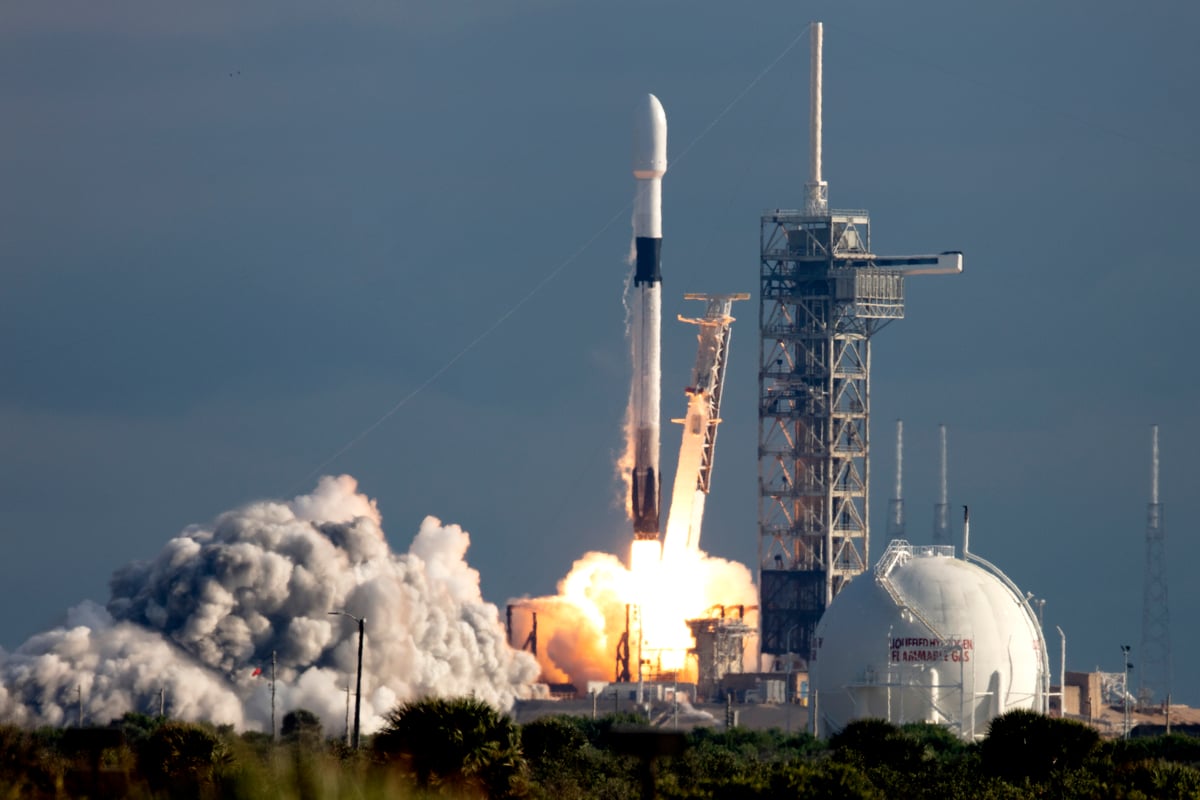
SpaceX Targets $1.75 Trillion Valuation for Historic IPO


- Massive IPO Potential: SpaceX is targeting a valuation of up to $1.75 trillion for its IPO, which, if successful, would surpass Saudi Aramco's record $1.7 trillion debut in 2019, highlighting its strong appeal in the capital markets.
- Significant Launch Advantages: By utilizing reusable Falcon rockets, SpaceX has drastically reduced the cost of reaching orbit, creating operational efficiencies that not only attract more contract demand but also fund innovation, establishing a virtuous cycle.
- Starlink Revenue Growth: Starlink serves as SpaceX's primary revenue driver, providing high-speed internet access, particularly in underdeveloped regions, through a predictable high-margin subscription model that helps offset R&D and infrastructure costs.
- Investment Risks to Consider: While SpaceX's prospects are enticing, it faces regulatory scrutiny and the potential for execution and governance risks due to founder Elon Musk's divided attention across multiple ventures, necessitating careful evaluation of its future profitability viability.
See More

SpaceX Targets $1.75 Trillion IPO Valuation
- IPO Valuation Target: SpaceX is reportedly seeking an IPO valuation of up to $1.75 trillion, a figure that could surpass Saudi Aramco's record $1.7 trillion debut in 2019, highlighting its immense potential in the space economy.
- Business Model Advantage: The company's reusable rockets significantly reduce the cost of reaching orbit, enabling periodic launches that attract more contract demand and drive innovation, creating a virtuous cycle that enhances its competitive position in the market.
- Starlink Revenue Growth: Starlink serves as SpaceX's primary cash flow source, providing high-speed internet access, particularly in underdeveloped regions, with a subscription model that generates high-margin revenue to offset R&D and infrastructure costs.
- Risks and Challenges: While SpaceX offers unique investment opportunities in the space economy, its future is heavily reliant on founder Elon Musk's decisions, and regulatory scrutiny along with execution risks could impact its business performance, necessitating cautious evaluation by investors.
See More

Future Outlook for Vanguard's Classic Fund


- Investment Style Shift: Founded in 1929, Vanguard's Wellington Fund embodies founder Jack Bogle's principles of maintaining a balanced mix of stocks and bonds while keeping costs low, which may seem outdated in today's trend of prediction markets and cryptocurrencies.
- Long-Term Stability: Despite changing market trends, the Vanguard Wellington Fund has maintained a strong reputation among investors due to its robust investment strategy, demonstrating resilience and adaptability in volatile markets over the years.
- Competitive Market Pressure: In the face of soaring investments in artificial intelligence and emerging market products, the Vanguard Wellington Fund faces competitive pressures that could impact its ability to attract new investors.
- Optimistic Future Outlook: Despite these challenges, the Vanguard Wellington Fund is likely to continue leveraging its strengths to attract investors seeking stability and long-term returns, particularly in uncertain market conditions.
See More

Investment Opportunities Amid Market Decline


- Apple's Stock Decline: Apple's shares have dropped 8% this year, yet it remains one of the world's dominant tech companies, presenting a fantastic buying opportunity for investors, especially amid a broader market downturn.
- Coca-Cola's Dividend Appeal: Coca-Cola's stock fell 7.3% this month, raising its dividend yield to 2.7%, making it an attractive option for blue-chip investors, particularly during market declines where lower prices lead to higher yields.
- Overall Market Performance: The S&P 500 has declined over 6% this year, providing investors with opportunities to increase their positions in blue-chip stocks, as many stocks are down not due to fundamental issues but rather market sentiment.
- Apple's AI Collaboration: Apple is accelerating its AI development by partnering with Google's Gemini program, which is expected to introduce competitive AI features into its products, thereby enhancing its competitiveness in the tech market.
See More

Investment Opportunities in Blue Chips Amid Market Decline
- Apple Stock Opportunity: Despite an 8% decline in its stock this year, Apple (NASDAQ: AAPL) maintains a 20% share of the global smartphone market and a dominant 69% in the U.S., reflecting its strong market position and growth potential, with Q1 revenue reaching $142.8 billion, up 16% year-over-year.
- Coca-Cola's Dividend Appeal: Coca-Cola (NYSE: KO) has seen a 7.3% drop in stock price over the past month, currently yielding 2.7% in dividends, and has raised its dividend for 64 consecutive years, showcasing its stable profitability and strong brand influence, with a net margin of 27.4%.
- Market Environment Impact: The S&P 500 has dropped over 6% this year due to factors like the Middle East conflict, providing investors with an opportunity to buy blue-chip stocks at a discount, particularly companies like Apple and Coca-Cola, which remain fundamentally strong despite market pressures.
- Investment Strategy Recommendation: In the current market environment, consider increasing holdings in Apple and Coca-Cola to capitalize on low-price opportunities created by market volatility, especially given Apple's net profit margin of 27% and Coca-Cola's free cash flow of $7.4 billion, indicating resilience amid economic uncertainty.
See More

Alphabet's Smaller Segments Thrive, Boosting Investor Enthusiasm
- Small Segment Growth: Alphabet's smaller business units are thriving, driving overall investor enthusiasm and reflecting the company's success in diversifying its revenue streams.
- Stock Performance: As of the afternoon of March 29, 2026, Alphabet's stock prices were up 0.15% for GOOG and 0.57% for GOOGL, indicating market confidence in the company's future growth.
- Investor Confidence: The success of the smaller segments not only boosts investor confidence in Alphabet but may also attract more attention from investors regarding the company's long-term growth potential.
- Positive Market Reaction: With the robust performance of its smaller segments, the market maintains an optimistic view of Alphabet's overall performance, suggesting the company may achieve higher revenue growth in the future.
See More
SpaceX Targets $1.75 Trillion Valuation for Historic IPO
- Massive IPO Potential: SpaceX is targeting a valuation of up to $1.75 trillion for its IPO, which, if successful, would surpass Saudi Aramco's record $1.7 trillion debut in 2019, highlighting its strong appeal in the capital markets.
- Significant Launch Advantages: By utilizing reusable Falcon rockets, SpaceX has drastically reduced the cost of reaching orbit, creating operational efficiencies that not only attract more contract demand but also fund innovation, establishing a virtuous cycle.
- Starlink Revenue Growth: Starlink serves as SpaceX's primary revenue driver, providing high-speed internet access, particularly in underdeveloped regions, through a predictable high-margin subscription model that helps offset R&D and infrastructure costs.
- Investment Risks to Consider: While SpaceX's prospects are enticing, it faces regulatory scrutiny and the potential for execution and governance risks due to founder Elon Musk's divided attention across multiple ventures, necessitating careful evaluation of its future profitability viability.
See More
SpaceX Targets $1.75 Trillion IPO Valuation
- IPO Valuation Target: SpaceX is reportedly seeking an IPO valuation of up to $1.75 trillion, a figure that could surpass Saudi Aramco's record $1.7 trillion debut in 2019, highlighting its immense potential in the space economy.
- Business Model Advantage: The company's reusable rockets significantly reduce the cost of reaching orbit, enabling periodic launches that attract more contract demand and drive innovation, creating a virtuous cycle that enhances its competitive position in the market.
- Starlink Revenue Growth: Starlink serves as SpaceX's primary cash flow source, providing high-speed internet access, particularly in underdeveloped regions, with a subscription model that generates high-margin revenue to offset R&D and infrastructure costs.
- Risks and Challenges: While SpaceX offers unique investment opportunities in the space economy, its future is heavily reliant on founder Elon Musk's decisions, and regulatory scrutiny along with execution risks could impact its business performance, necessitating cautious evaluation by investors.
See More
Future Outlook for Vanguard's Classic Fund
- Investment Style Shift: Founded in 1929, Vanguard's Wellington Fund embodies founder Jack Bogle's principles of maintaining a balanced mix of stocks and bonds while keeping costs low, which may seem outdated in today's trend of prediction markets and cryptocurrencies.
- Long-Term Stability: Despite changing market trends, the Vanguard Wellington Fund has maintained a strong reputation among investors due to its robust investment strategy, demonstrating resilience and adaptability in volatile markets over the years.
- Competitive Market Pressure: In the face of soaring investments in artificial intelligence and emerging market products, the Vanguard Wellington Fund faces competitive pressures that could impact its ability to attract new investors.
- Optimistic Future Outlook: Despite these challenges, the Vanguard Wellington Fund is likely to continue leveraging its strengths to attract investors seeking stability and long-term returns, particularly in uncertain market conditions.
See More
Investment Opportunities Amid Market Decline
- Apple's Stock Decline: Apple's shares have dropped 8% this year, yet it remains one of the world's dominant tech companies, presenting a fantastic buying opportunity for investors, especially amid a broader market downturn.
- Coca-Cola's Dividend Appeal: Coca-Cola's stock fell 7.3% this month, raising its dividend yield to 2.7%, making it an attractive option for blue-chip investors, particularly during market declines where lower prices lead to higher yields.
- Overall Market Performance: The S&P 500 has declined over 6% this year, providing investors with opportunities to increase their positions in blue-chip stocks, as many stocks are down not due to fundamental issues but rather market sentiment.
- Apple's AI Collaboration: Apple is accelerating its AI development by partnering with Google's Gemini program, which is expected to introduce competitive AI features into its products, thereby enhancing its competitiveness in the tech market.
See More
Investment Opportunities in Blue Chips Amid Market Decline
- Apple Stock Opportunity: Despite an 8% decline in its stock this year, Apple (NASDAQ: AAPL) maintains a 20% share of the global smartphone market and a dominant 69% in the U.S., reflecting its strong market position and growth potential, with Q1 revenue reaching $142.8 billion, up 16% year-over-year.
- Coca-Cola's Dividend Appeal: Coca-Cola (NYSE: KO) has seen a 7.3% drop in stock price over the past month, currently yielding 2.7% in dividends, and has raised its dividend for 64 consecutive years, showcasing its stable profitability and strong brand influence, with a net margin of 27.4%.
- Market Environment Impact: The S&P 500 has dropped over 6% this year due to factors like the Middle East conflict, providing investors with an opportunity to buy blue-chip stocks at a discount, particularly companies like Apple and Coca-Cola, which remain fundamentally strong despite market pressures.
- Investment Strategy Recommendation: In the current market environment, consider increasing holdings in Apple and Coca-Cola to capitalize on low-price opportunities created by market volatility, especially given Apple's net profit margin of 27% and Coca-Cola's free cash flow of $7.4 billion, indicating resilience amid economic uncertainty.
See More
Alphabet's Smaller Segments Thrive, Boosting Investor Enthusiasm
- Small Segment Growth: Alphabet's smaller business units are thriving, driving overall investor enthusiasm and reflecting the company's success in diversifying its revenue streams.
- Stock Performance: As of the afternoon of March 29, 2026, Alphabet's stock prices were up 0.15% for GOOG and 0.57% for GOOGL, indicating market confidence in the company's future growth.
- Investor Confidence: The success of the smaller segments not only boosts investor confidence in Alphabet but may also attract more attention from investors regarding the company's long-term growth potential.
- Positive Market Reaction: With the robust performance of its smaller segments, the market maintains an optimistic view of Alphabet's overall performance, suggesting the company may achieve higher revenue growth in the future.
See More