

Tesla's 2025 Transition to AI Marks Critical Year
Written by Emily J. Thompson, Senior Investment Analyst
Updated: Jan 28 2026
0mins
Source: stocktwits
- Critical Transition Year: Tesla has identified 2025 as a pivotal year for its shift from an EV manufacturer to physical AI, with plans to launch a dedicated robotaxi without a steering wheel or pedals in 2026, marking a significant advancement in autonomous driving.
- Earnings Beat Expectations: Tesla reported Q4 earnings per share of $0.50, which, while lower than the $0.73 from the same quarter in 2024, exceeded Wall Street's expectation of $0.44, demonstrating resilience in revenue and profitability, which contributed to a more than 3% rise in after-hours stock price.
- Investment in xAI: The company announced a $2 billion investment to acquire shares in CEO Elon Musk's AI startup xAI, enhancing potential collaboration in AI development and possibly providing support for Tesla's future technological advancements.
- Production Line Expansion: Tesla plans to ramp up six new production lines in 2026 across vehicles, robots, energy storage, and battery manufacturing, aimed at boosting production capacity and supporting the infrastructure needed for clean energy and autonomous robots, thereby solidifying its market position.
Trade with 70% Backtested Accuracy
Stop guessing "Should I Buy TSLA?" and start using high-conviction signals backed by rigorous historical data.
Sign up today to access powerful investing tools and make smarter, data-driven decisions.
Analyst Views on TSLA
Wall Street analysts forecast TSLA stock price to rise
30 Analyst Rating
12 Buy
11 Hold
7 Sell
Hold
Current: 391.000

Low
25.28
Averages
401.93
High
600.00
Current: 391.000
Low
25.28
Averages
401.93
High
600.00
About TSLA
Tesla, Inc. designs, develops, manufactures, sells and leases high-performance fully electric vehicles and energy generation and storage systems, and offers services related to its products. Its segments include automotive, and energy generation and storage. The automotive segment includes the design, development, manufacturing, sales and leasing of high-performance fully electric vehicles, and sales of automotive regulatory credits. It also includes sales of used vehicles, non-warranty maintenance services and collisions, part sales, paid supercharging, insurance services revenue and retail merchandise sales. The energy generation and storage segment include the design, manufacture, installation, sales and leasing of solar energy generation and energy storage products and related services and sales of solar energy systems incentives. Its consumer vehicles include the Model 3, Y, S, X and Cybertruck. Its lithium-ion battery energy storage products include Powerwall and Megapack.
About the author

Emily J. Thompson
Emily J. Thompson, a Chartered Financial Analyst (CFA) with 12 years in investment research, graduated with honors from the Wharton School. Specializing in industrial and technology stocks, she provides in-depth analysis for Intellectia’s earnings and market brief reports.
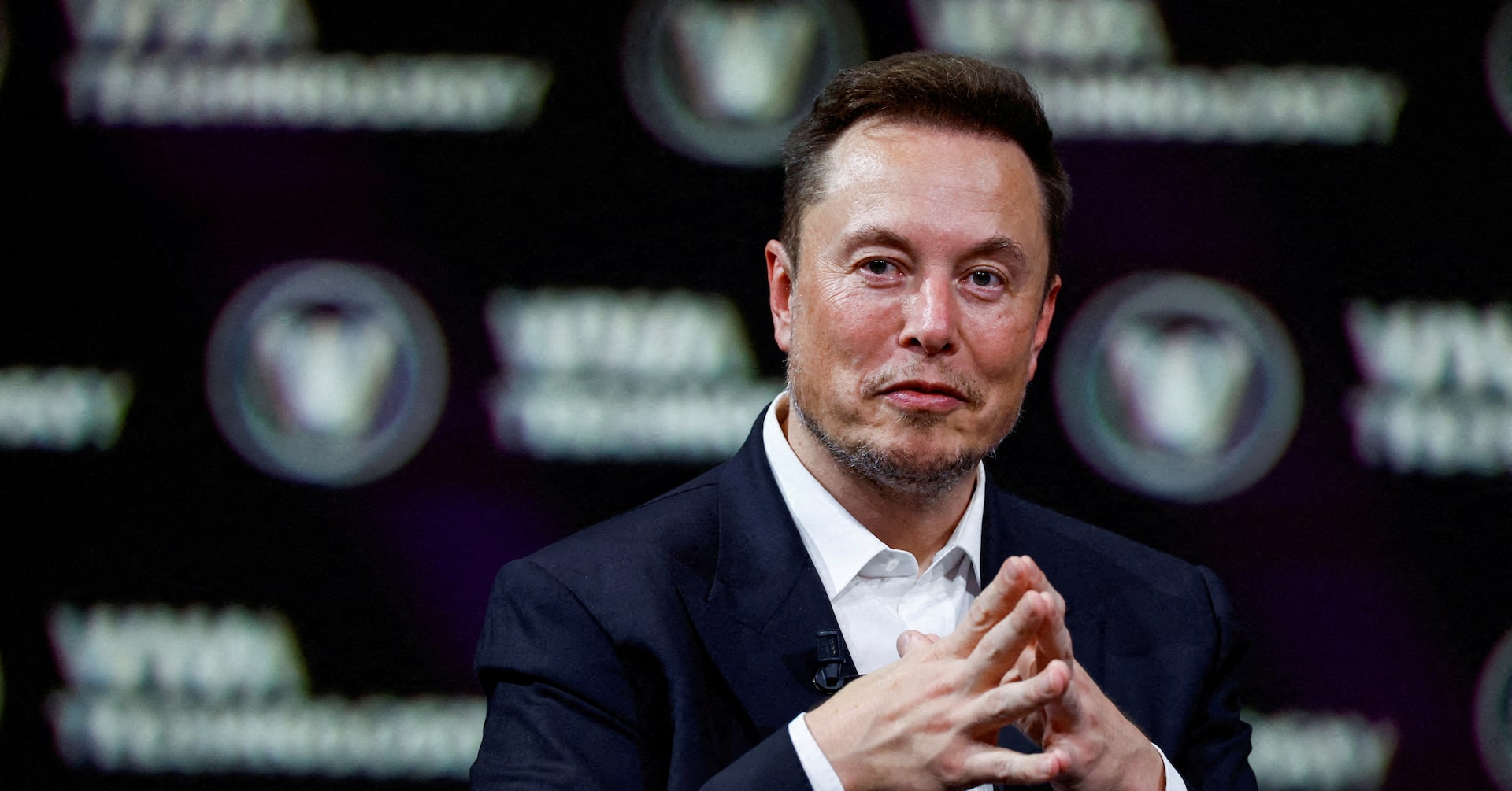
Tesla Launches Unsupervised Robotaxi Service in Austin

- Robotaxi Service Launch: Tesla's launch of its unsupervised robotaxi service in Austin represents a significant step towards fully autonomous operations, which is expected to enhance future revenue potential and solidify its leadership in the electric vehicle market.
- Sales Recovery in China: According to the China Passenger Car Association, Tesla's retail sales surged 22.5% in May to 47,281 vehicles, breaking a two-month streak of declining sales, indicating a recovery in market demand.
- Stock Price Volatility and Market Reaction: Following the announcement, Tesla's shares rose by 5.5%, although they later cooled to $409.76, still reflecting a 4.8% increase from the previous close, indicating a positive market reaction but not a fundamental shift in perception.
- Analyst Rating Adjustment: JPMorgan upgraded Tesla's rating from Underweight to Neutral, raising the price target by 228% to $475, yet analysts remain cautious about the company's future profitability, noting the lack of genuinely new vehicle launches that could justify its current valuation.
See More

Speculation Grows on SpaceX-Tesla Merger Amid IPO Filing Changes
- Acquisition Speculation: SpaceX's amended S-1 filing suggests the company may be considering significant acquisitions, particularly a merger with Tesla, with market participants betting on an announcement by December, indicating strong investor interest in this potential deal.
- Market Prediction Data: According to Kalshi, the probability of a SpaceX-Tesla merger occurring before March 2027 is 51%, while Polymarket estimates a 41% chance of an announcement by December, reflecting a growing confidence in the merger that could impact future stock performance.
- Synergy Potential: A merger would blend Tesla's expertise in terrestrial AI with SpaceX's orbital capabilities, particularly Starlink satellites and potential space-based data centers, potentially creating a $3.3 trillion entity that advances Musk's vision for an AI ecosystem.
- Regulatory Challenges and Risks: Despite rising market expectations for the merger, the deal would face intense scrutiny from regulatory authorities and require shareholder approval, prompting investors to approach the potential transaction with caution regarding its feasibility and risks.
See More
SpaceX IPO Insights: Massive AI Market Potential

- Market Size Estimate: SpaceX claims in its IPO prospectus that its quantifiable total addressable market (TAM) is $28.5 trillion, with only 1% related to rocket launches, indicating that the rocket business potential is merely $370 billion, highlighting the need for growth in other segments.
- AI Business Outlook: The AI compute market is estimated at $26.5 trillion, despite the division generating only $3.2 billion in revenue last year with negative net profits, showcasing its significant growth potential in the early stages, which could drive the company's IPO valuation.
- Capital Expenditure Strategy: A substantial portion of the company's capital expenditures will continue to support its AI initiatives, and SpaceX has also made a $60 billion acquisition offer for Cursor, indicating a strong commitment to AI investment, even though the acquisition is not yet finalized.
- Analyst Optimism: Morgan Stanley predicts that SpaceX's revenues could reach $3.4 trillion by 2040, largely driven by rapid growth in its AI division, while Goldman Sachs forecasts AI revenue to surge to $322 billion by 2030, although both firms are underwriters for the SpaceX IPO, necessitating cautious interpretation of their bullish outlook.
See More

SpaceX IPO Set to Become Largest in History


- Market Debut: SpaceX is set to go public on June 12, marking the largest initial public offering (IPO) in history, which is expected to attract significant investor interest and further drive capital inflow into the space industry.
- Nasdaq Rule Change: The Nasdaq has altered its inclusion criteria for the Nasdaq-100 index, allowing newly listed companies to join within 15 trading days if they rank in the top 40 by market value in their first week, expediting SpaceX's entry into the index.
- Investor Impact: Once SpaceX is added to the Nasdaq-100 index, investors in the Invesco Nasdaq-100 ETF will automatically gain exposure to SpaceX, with its allocation expected to be less than 1%, yet it will still significantly influence the ETF's market performance.
- Valuation Assessment: Although SpaceX boasts a market cap of $1.77 trillion, its free-float market cap is projected to be around $75 billion due to a relatively small number of publicly available shares, and after Nasdaq's 3x multiplier adjustment, its index weight is expected to reach approximately $225 billion.
See More
SpaceX IPO Insights: Massive Market Potential Ahead
- Market Size Estimate: SpaceX claims a total addressable market (TAM) of $28.5 trillion, with only 1% related to rocket launches, highlighting both the potential and risks of its diversified business model.
- AI Business Outlook: The company anticipates that the AI compute market will become the next trillion-dollar opportunity, valued at $26.5 trillion; however, its AI division generated only $3.2 billion in revenue last year and remains in an early stage, reflecting a high-risk, high-reward scenario.
- IPO Valuation Challenges: SpaceX's IPO target valuation of $1.77 trillion heavily relies on its unprofitable AI business, with analysts cautiously optimistic about future revenue growth, suggesting significant potential despite current losses.
- Capital Expenditure and Acquisition Plans: The company plans to allocate most of its capital expenditures to the AI sector and has made a $60 billion acquisition offer for Cursor, demonstrating its commitment to AI and future growth strategies.
See More

Nasdaq Fast-Tracks SpaceX IPO into Nasdaq-100
- Rule Change: Nasdaq has altered its rules to fast-track large IPOs into the Nasdaq-100 index, now requiring only a top 40 valuation in the first week to qualify, significantly lowering the entry barrier and potentially attracting more high-value companies.
- SpaceX Market Impact: SpaceX is set to debut on June 12 as the largest IPO in history with a valuation of $1.77 trillion; however, its free-float market cap may only be around $75 billion, but with Nasdaq's 3x multiplier, its index weight is expected to be approximately $225 billion.
- Investor Implications: Once SpaceX is added to the Nasdaq-100, investors in the Invesco Nasdaq-100 ETF (QQQM) will automatically gain exposure, although SpaceX is expected to account for less than 1% of the fund, which could affect the overall performance of the portfolio.
- Competitor Response: S&P Dow Jones Indices considered a similar fast-track rule but backed down due to significant backlash, indicating Nasdaq's more aggressive strategy in attracting emerging tech companies, which may further solidify its market position.
See More
Tesla Launches Unsupervised Robotaxi Service in Austin
- Robotaxi Service Launch: Tesla's launch of its unsupervised robotaxi service in Austin represents a significant step towards fully autonomous operations, which is expected to enhance future revenue potential and solidify its leadership in the electric vehicle market.
- Sales Recovery in China: According to the China Passenger Car Association, Tesla's retail sales surged 22.5% in May to 47,281 vehicles, breaking a two-month streak of declining sales, indicating a recovery in market demand.
- Stock Price Volatility and Market Reaction: Following the announcement, Tesla's shares rose by 5.5%, although they later cooled to $409.76, still reflecting a 4.8% increase from the previous close, indicating a positive market reaction but not a fundamental shift in perception.
- Analyst Rating Adjustment: JPMorgan upgraded Tesla's rating from Underweight to Neutral, raising the price target by 228% to $475, yet analysts remain cautious about the company's future profitability, noting the lack of genuinely new vehicle launches that could justify its current valuation.
See More
Speculation Grows on SpaceX-Tesla Merger Amid IPO Filing Changes
- Acquisition Speculation: SpaceX's amended S-1 filing suggests the company may be considering significant acquisitions, particularly a merger with Tesla, with market participants betting on an announcement by December, indicating strong investor interest in this potential deal.
- Market Prediction Data: According to Kalshi, the probability of a SpaceX-Tesla merger occurring before March 2027 is 51%, while Polymarket estimates a 41% chance of an announcement by December, reflecting a growing confidence in the merger that could impact future stock performance.
- Synergy Potential: A merger would blend Tesla's expertise in terrestrial AI with SpaceX's orbital capabilities, particularly Starlink satellites and potential space-based data centers, potentially creating a $3.3 trillion entity that advances Musk's vision for an AI ecosystem.
- Regulatory Challenges and Risks: Despite rising market expectations for the merger, the deal would face intense scrutiny from regulatory authorities and require shareholder approval, prompting investors to approach the potential transaction with caution regarding its feasibility and risks.
See More
SpaceX IPO Insights: Massive AI Market Potential
- Market Size Estimate: SpaceX claims in its IPO prospectus that its quantifiable total addressable market (TAM) is $28.5 trillion, with only 1% related to rocket launches, indicating that the rocket business potential is merely $370 billion, highlighting the need for growth in other segments.
- AI Business Outlook: The AI compute market is estimated at $26.5 trillion, despite the division generating only $3.2 billion in revenue last year with negative net profits, showcasing its significant growth potential in the early stages, which could drive the company's IPO valuation.
- Capital Expenditure Strategy: A substantial portion of the company's capital expenditures will continue to support its AI initiatives, and SpaceX has also made a $60 billion acquisition offer for Cursor, indicating a strong commitment to AI investment, even though the acquisition is not yet finalized.
- Analyst Optimism: Morgan Stanley predicts that SpaceX's revenues could reach $3.4 trillion by 2040, largely driven by rapid growth in its AI division, while Goldman Sachs forecasts AI revenue to surge to $322 billion by 2030, although both firms are underwriters for the SpaceX IPO, necessitating cautious interpretation of their bullish outlook.
See More
SpaceX IPO Set to Become Largest in History
- Market Debut: SpaceX is set to go public on June 12, marking the largest initial public offering (IPO) in history, which is expected to attract significant investor interest and further drive capital inflow into the space industry.
- Nasdaq Rule Change: The Nasdaq has altered its inclusion criteria for the Nasdaq-100 index, allowing newly listed companies to join within 15 trading days if they rank in the top 40 by market value in their first week, expediting SpaceX's entry into the index.
- Investor Impact: Once SpaceX is added to the Nasdaq-100 index, investors in the Invesco Nasdaq-100 ETF will automatically gain exposure to SpaceX, with its allocation expected to be less than 1%, yet it will still significantly influence the ETF's market performance.
- Valuation Assessment: Although SpaceX boasts a market cap of $1.77 trillion, its free-float market cap is projected to be around $75 billion due to a relatively small number of publicly available shares, and after Nasdaq's 3x multiplier adjustment, its index weight is expected to reach approximately $225 billion.
See More
SpaceX IPO Insights: Massive Market Potential Ahead
- Market Size Estimate: SpaceX claims a total addressable market (TAM) of $28.5 trillion, with only 1% related to rocket launches, highlighting both the potential and risks of its diversified business model.
- AI Business Outlook: The company anticipates that the AI compute market will become the next trillion-dollar opportunity, valued at $26.5 trillion; however, its AI division generated only $3.2 billion in revenue last year and remains in an early stage, reflecting a high-risk, high-reward scenario.
- IPO Valuation Challenges: SpaceX's IPO target valuation of $1.77 trillion heavily relies on its unprofitable AI business, with analysts cautiously optimistic about future revenue growth, suggesting significant potential despite current losses.
- Capital Expenditure and Acquisition Plans: The company plans to allocate most of its capital expenditures to the AI sector and has made a $60 billion acquisition offer for Cursor, demonstrating its commitment to AI and future growth strategies.
See More
Nasdaq Fast-Tracks SpaceX IPO into Nasdaq-100
- Rule Change: Nasdaq has altered its rules to fast-track large IPOs into the Nasdaq-100 index, now requiring only a top 40 valuation in the first week to qualify, significantly lowering the entry barrier and potentially attracting more high-value companies.
- SpaceX Market Impact: SpaceX is set to debut on June 12 as the largest IPO in history with a valuation of $1.77 trillion; however, its free-float market cap may only be around $75 billion, but with Nasdaq's 3x multiplier, its index weight is expected to be approximately $225 billion.
- Investor Implications: Once SpaceX is added to the Nasdaq-100, investors in the Invesco Nasdaq-100 ETF (QQQM) will automatically gain exposure, although SpaceX is expected to account for less than 1% of the fund, which could affect the overall performance of the portfolio.
- Competitor Response: S&P Dow Jones Indices considered a similar fast-track rule but backed down due to significant backlash, indicating Nasdaq's more aggressive strategy in attracting emerging tech companies, which may further solidify its market position.
See More





