Tariffs, Producer Prices, And Small-Cap ETFs: A Pressure Test For Margins


Producer Price Index (PPI) Surge: The July PPI increased by 0.9% month-over-month, the largest rise since June 2022, driven by tariff impacts, with annual headline PPI rising from 2.4% to 3.3%, and core PPI from 2.6% to 3.7%. This poses challenges for small-cap ETFs like the iShares Russell 2000 ETF (IWM), which struggle to pass on costs due to narrower margins compared to large-cap companies.
Investment Strategies Amid High PPI: Investors may consider large-cap ETFs such as SPDR S&P 500 ETF Trust (SPY) for stability during high PPI periods, while also looking at quality/value-focused small-cap ETFs like iShares S&P Small-Cap 600 Value ETF (IJS) and Invesco S&P SmallCap 600 Pure Value ETF (RZV) to mitigate cost pressures. Sector hedges like Energy Select Sector SPDR Fund (XLE) can also be beneficial when commodity prices drive inflation.
Trade with 70% Backtested Accuracy
Analyst Views on XLI
About the author


"Vertiv and Six Additional Stocks Worth Investing In Amid Market Turmoil"


- Industrial Stocks Performance: Industrial stocks, previously seen as a rising star, have recently struggled in the market.
- Impact of Oil Prices: Soaring oil prices have contributed significantly to the downturn in industrial stocks.
- Inflation Concerns: Fears of inflation are adding to the challenges faced by the industrial sector.
- Market Sentiment: A general malaise in the markets is exacerbated by ongoing conflicts in the Middle East.

"Searching the Rubble for 7 Industrial Stocks Worth Investing In"


- Industrial Stocks Performance: Industrial stocks, previously seen as a rising star, have recently struggled due to various economic pressures.
- Impact of Oil Prices: Soaring oil prices have contributed significantly to the downturn in industrial stocks.
- Inflation Concerns: Fears of inflation are adding to the challenges faced by the industrial sector.
- Market Sentiment: A general malaise in the markets, exacerbated by ongoing conflicts in the Middle East, is affecting investor confidence.
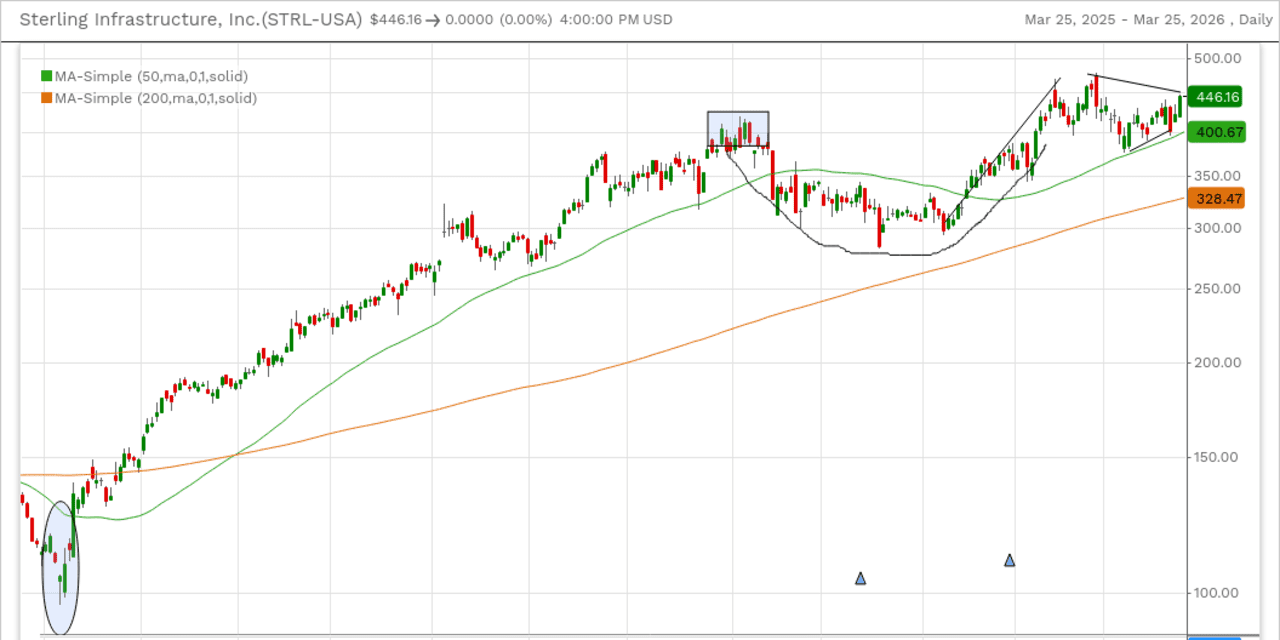
A Look Back at Previous Stock Selections: Sterling Infrastructure, Corpay, Deere

Importance of Revisiting Stock Picks: Reviewing former stock picks helps investors measure effectiveness and refine their strategies and discipline.
Identifying Patterns and Assumptions: By analyzing past calls, investors can recognize successful patterns and identify incorrect assumptions that may have influenced decisions.
Improving Decision-Making: Regular evaluations of past investments enhance future decision-making processes by learning from previous outcomes.
Reinforcing Accountability: This practice ensures that investment ideas are assessed based on their market performance, not just the initial investment thesis.
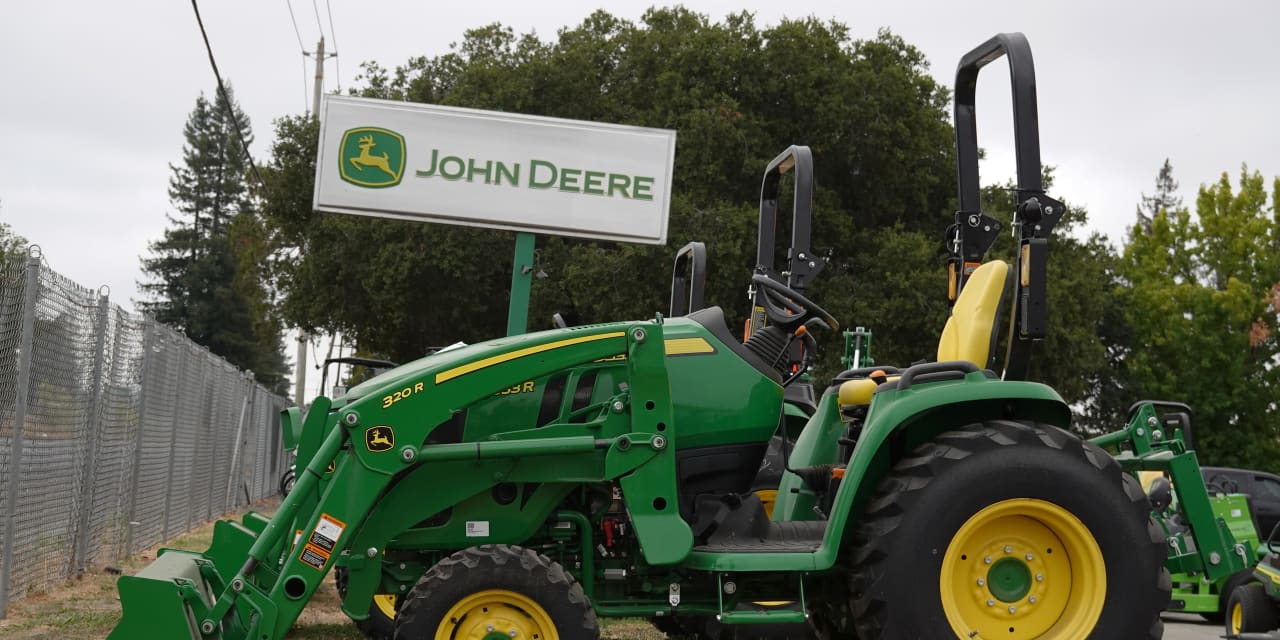
Steer Clear of Deere and Other Costly Industrial Stocks: Here Are 3 Alternatives to Consider.


- Physical Goods Surge: Companies producing physical goods are experiencing significant growth this year.
- AI-Disruptible Services Lag: In contrast, shares of service and software providers that are vulnerable to AI disruption are not performing as well.
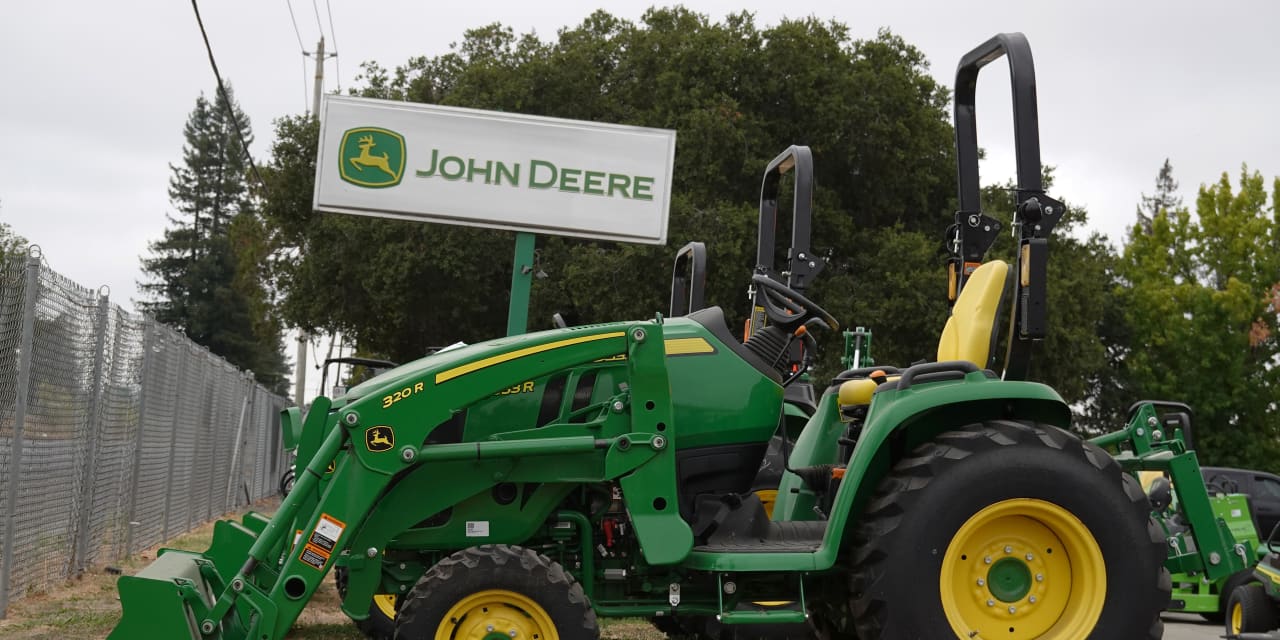
Analysts Recommend Avoiding Deere and Other Industrial Stocks, Favoring Federal Signal and Others as Buys.


- Physical Goods Surge: This year has seen a significant increase in the production and sales of physical goods.
- AI-Disruptible Services Lag: Companies focused on AI-disruptible services and software are not keeping pace with those producing tangible products.

PMI Increases in February, Signifying Second Consecutive Month of Growth in U.S. Manufacturing

- U.S. Manufacturing Growth: The U.S. manufacturing sector reported a second consecutive month of growth, providing positive news for investors.
- Investor Sentiment: This growth in manufacturing is likely to boost investor confidence in the economy.
"Vertiv and Six Additional Stocks Worth Investing In Amid Market Turmoil"
- Industrial Stocks Performance: Industrial stocks, previously seen as a rising star, have recently struggled in the market.
- Impact of Oil Prices: Soaring oil prices have contributed significantly to the downturn in industrial stocks.
- Inflation Concerns: Fears of inflation are adding to the challenges faced by the industrial sector.
- Market Sentiment: A general malaise in the markets is exacerbated by ongoing conflicts in the Middle East.
"Searching the Rubble for 7 Industrial Stocks Worth Investing In"
- Industrial Stocks Performance: Industrial stocks, previously seen as a rising star, have recently struggled due to various economic pressures.
- Impact of Oil Prices: Soaring oil prices have contributed significantly to the downturn in industrial stocks.
- Inflation Concerns: Fears of inflation are adding to the challenges faced by the industrial sector.
- Market Sentiment: A general malaise in the markets, exacerbated by ongoing conflicts in the Middle East, is affecting investor confidence.
A Look Back at Previous Stock Selections: Sterling Infrastructure, Corpay, Deere
Importance of Revisiting Stock Picks: Reviewing former stock picks helps investors measure effectiveness and refine their strategies and discipline.
Identifying Patterns and Assumptions: By analyzing past calls, investors can recognize successful patterns and identify incorrect assumptions that may have influenced decisions.
Improving Decision-Making: Regular evaluations of past investments enhance future decision-making processes by learning from previous outcomes.
Reinforcing Accountability: This practice ensures that investment ideas are assessed based on their market performance, not just the initial investment thesis.
Steer Clear of Deere and Other Costly Industrial Stocks: Here Are 3 Alternatives to Consider.
- Physical Goods Surge: Companies producing physical goods are experiencing significant growth this year.
- AI-Disruptible Services Lag: In contrast, shares of service and software providers that are vulnerable to AI disruption are not performing as well.
Analysts Recommend Avoiding Deere and Other Industrial Stocks, Favoring Federal Signal and Others as Buys.
- Physical Goods Surge: This year has seen a significant increase in the production and sales of physical goods.
- AI-Disruptible Services Lag: Companies focused on AI-disruptible services and software are not keeping pace with those producing tangible products.
PMI Increases in February, Signifying Second Consecutive Month of Growth in U.S. Manufacturing
- U.S. Manufacturing Growth: The U.S. manufacturing sector reported a second consecutive month of growth, providing positive news for investors.
- Investor Sentiment: This growth in manufacturing is likely to boost investor confidence in the economy.