Robinhood's Transformation into a Full-Stack Financial Platform
Written by Emily J. Thompson, Senior Investment Analyst
Updated: Feb 17 2026
0mins
Should l Buy HOOD?
Source: Fool
- Profitability Milestone: In 2025, Robinhood achieved profitability, indicating its sustainability as a diversified business, prompting investors to focus on its future direction, particularly beyond commission-free trading.
- Platform Depth Expansion: By expanding subscription services, enhancing its Gold Card, increasing cryptocurrency capabilities, and introducing tokenized stock trading in Europe, Robinhood is transitioning from a transaction facilitator to an owner of financial relationships, thereby enhancing its ability to generate long-term shareholder wealth.
- Customer Lifetime Value: Robinhood's user base is relatively young, and over the next 20 years, these users will accumulate assets and manage wealth; retaining them could lead to significant growth in customer lifetime value, transforming into a long-term revenue source.
- Strategic Innovation Exploration: Robinhood's exploration of tokenized equities in Europe, while currently niche, signals its focus on financial infrastructure innovation, and if tokenized assets become mainstream, the company will have relevant operational experience to capitalize on emerging opportunities.
Trade with 70% Backtested Accuracy
Stop guessing "Should I Buy HOOD?" and start using high-conviction signals backed by rigorous historical data.
Sign up today to access powerful investing tools and make smarter, data-driven decisions.
Analyst Views on HOOD
Wall Street analysts forecast HOOD stock price to rise
20 Analyst Rating
16 Buy
4 Hold
0 Sell
Strong Buy
Current: 70.110

Low
130.00
Averages
156.24
High
181.00
Current: 70.110
Low
130.00
Averages
156.24
High
181.00
About HOOD
Robinhood Markets, Inc. is creating a financial services platform for everyone, regardless of their wealth, income, or background. It uses technology to provide access to the financial system. Its offerings include Brokerage, Robinhood Crypto, Custody, Robinhood Wallet, Robinhood Gold, and Robinhood Gold Card. Its Brokerage services include investing, options trading, fractional trading, recurring investment, access to investing on margin, fully paid securities lending, cash sweep, instant withdrawals, Robinhood retirement, 24-hour market, joint investing accounts, and event contracts. It also offers a variety of ways for its customers to grow their financial knowledge, including Robinhood Learn, In-App Education, Newsfeeds, Sherwood Snacks, and Crypto Learn and Earn. Its self-clearing system, order routing system, data platform, and other back-end infrastructure deliver the capabilities that allow its customers to focus on investing, saving and spending.
About the author

Emily J. Thompson
Emily J. Thompson, a Chartered Financial Analyst (CFA) with 12 years in investment research, graduated with honors from the Wharton School. Specializing in industrial and technology stocks, she provides in-depth analysis for Intellectia’s earnings and market brief reports.

Robinhood's Prediction Markets Show Growth Potential

- Crypto Revenue Decline: Robinhood's cryptocurrency revenue fell by 38% year-over-year to $221 million in Q4, highlighting the volatility and unpredictability of this segment, which could adversely affect overall financial performance.
- Rapid Growth in Prediction Markets: The establishment of Rothera, an independent derivatives exchange in partnership with Susquehanna International Group, is expected to launch in mid-2026, with prediction markets becoming Robinhood's fastest-growing revenue segment, potentially providing a more stable income source.
- Engagement Opportunities: By allowing users to speculate on outcomes across sports, politics, and culture through event contracts, Robinhood is likely to attract ongoing user engagement, especially during major events like elections and sports tournaments, enhancing the sustainability of this business.
- Regulatory Risk Considerations: Despite the significant potential of prediction markets, they face regulatory scrutiny, with lawmakers considering additional restrictions; Robinhood must navigate these challenges carefully to secure future growth opportunities.
See More

Analysis of Robinhood's Prediction Market Strategy
- Crypto Business Volatility: Robinhood's cryptocurrency trading revenue fell by 38% year-over-year in Q4 to $221 million, highlighting the unpredictable nature of this segment, which could adversely affect overall revenue stability.
- Growth Potential in Prediction Markets: The company is establishing Rothera, an independent derivatives exchange in partnership with Susquehanna International Group, expected to launch in mid-2026, with prediction markets becoming Robinhood's fastest-growing revenue segment, potentially offering a more reliable income source.
- Market Participation Opportunities: Robinhood enables users to speculate on outcomes across sports, politics, and culture, and with numerous major events occurring annually, scaling this business could lead to relatively stable growth.
- Regulatory Risk Considerations: Despite the significant potential of prediction markets, they face regulatory scrutiny, as some lawmakers are considering imposing additional restrictions; unfavorable regulatory conditions could pose substantial challenges for Robinhood's future development.
See More
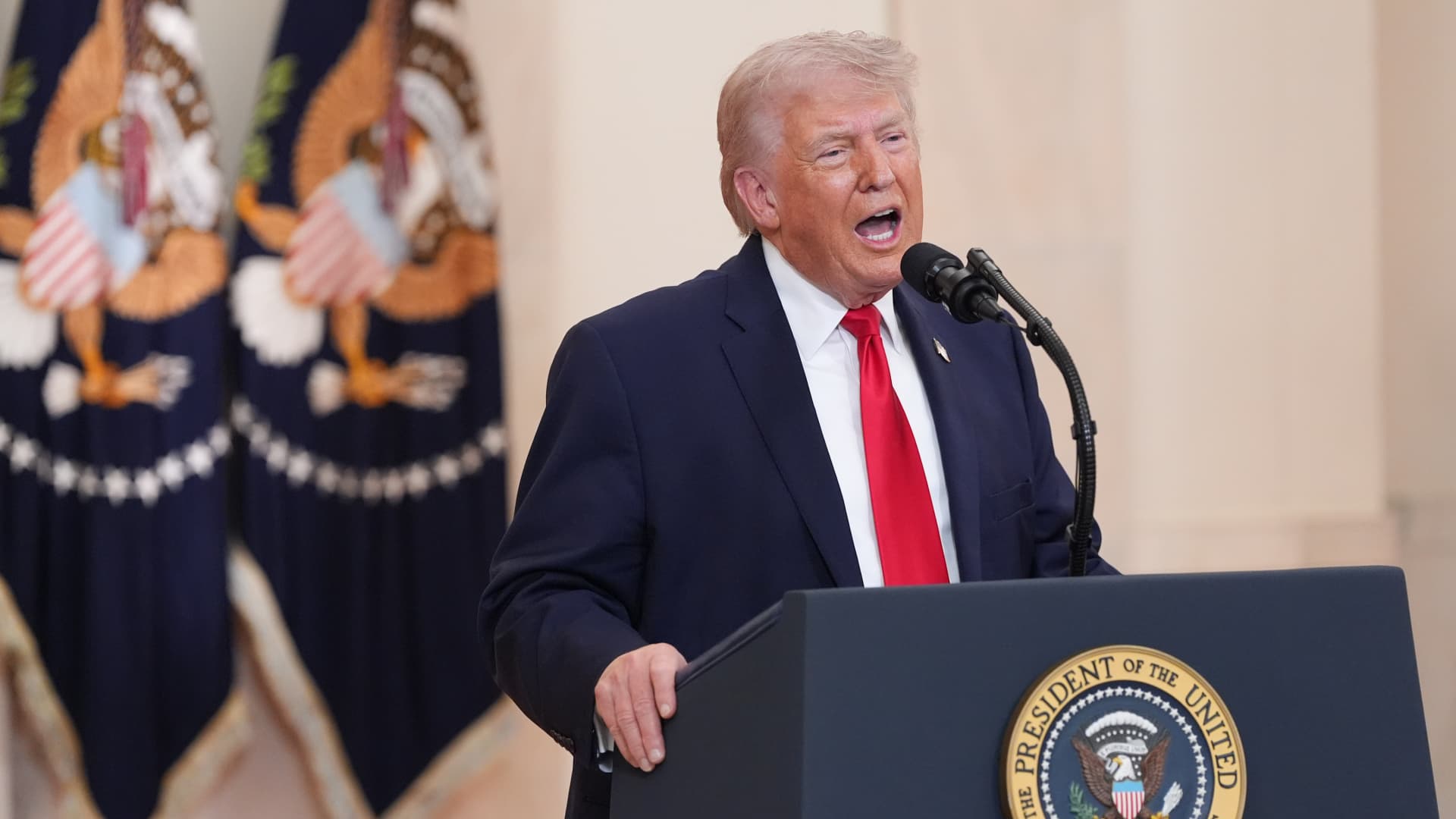
Market Watch: Oil Price Surge and Stock Market Turmoil


- Oil Price Surge Impact: Following President Trump's address on the Iran war, which raised escalation concerns, U.S. crude benchmark WTI surged 9% to $109 a barrel, putting downward pressure on the stock market and negatively affecting investor sentiment.
- Bank of America Upgrades Vale: Bank of America upgraded Vale from hold to buy, suggesting that now is an attractive entry point for investors in the iron ore producer, despite Vale's stock dropping nearly 7% since the Iran conflict began, while iron ore prices have risen about 8%.
- Wix's Outlook Downgraded: UBS downgraded Wix from buy to hold, with analysts believing its 2026 outlook indicates a slowdown in core business growth from 12% last year to 8% this year, and despite efforts to integrate AI capabilities, the company remains vulnerable to disruption by AI.
- Cheniere Energy Price Target Increased: Citigroup raised Cheniere Energy's price target from $280 to $330 while reiterating its buy rating, as supply disruptions in the Middle East could benefit U.S. LNG exports long-term, with shares up about 17% since the war began.
See More

Interactive Brokers Launches Crypto Trading for EEA Investors


- Market Expansion: Interactive Brokers has launched crypto trading for individual investors in the European Economic Area through its Ireland-based unit, significantly expanding its product suite and enhancing its competitive position in a market of nearly 450 million people.
- Secure Trading Partnership: The collaboration with Zerohash ensures secure trade execution and asset custody, allowing users to seamlessly trade 11 major cryptocurrencies, including Bitcoin and Ethereum, on a single integrated platform, thereby enhancing user experience.
- Cost Efficiency Improvement: With commissions ranging from 0.12% to 0.18%, IBKR's crypto trading becomes more accessible and cost-effective, attracting more users and boosting trading activity and fee-based revenues over time.
- Platform Integration Advantage: Crypto trading is embedded across multiple key IBKR platforms, enabling clients to access digital assets through familiar tools, which improves portfolio management efficiency and transparency, helping clients better manage risk and liquidity.
See More

SpaceX IPO to Allocate 30% of Shares to Retail Investors

- Massive IPO Size: SpaceX is set to raise up to $75 billion in its upcoming IPO, reflecting strong market confidence in its growth potential and possibly pushing its valuation to $1.75 trillion.
- Retail Investor Benefits: Approximately 30% of SpaceX shares will be allocated to retail investors, a move aimed at breaking the traditional IPO model that favors institutional investors, thereby enhancing retail participation and market fairness.
- Brokerage Platform Competition: While Robinhood and SoFi sought a role in the share distribution, E*TRADE will lead the retail allocation of SpaceX shares, potentially disappointing retail investors and conflicting with Musk's pro-retail image.
- Musk's Response: Musk denied rumors of excluding Robinhood and SoFi on social media, indicating that at least some shares will be allocated to these platforms, demonstrating his commitment to retail investors.
See More

SpaceX Plans $75 Billion IPO with Retail Investor Allocation
- IPO Fundraising Scale: SpaceX is set to raise up to $75 billion in its upcoming IPO, potentially making it one of the largest IPOs in history, reflecting strong market confidence in its future growth prospects.
- Retail Investor Allocation: Approximately 30% of the IPO shares are expected to be allocated to retail investors, a relatively high percentage for a large IPO, aimed at enhancing retail investor participation and leveling the playing field.
- Platform Exclusion Controversy: While E*TRADE will lead the distribution of SpaceX shares, rumors suggest that Robinhood and SoFi may be excluded, which could lead to dissatisfaction among retail investors and impact their enthusiasm for investing in SpaceX.
- Musk's Response: Musk denied reports of excluding Robinhood and SoFi on social media, indicating that at least some shares will be allocated to these platforms, aiming to maintain a good relationship with retail investors and further solidify his brand image.
See More
Robinhood's Prediction Markets Show Growth Potential
- Crypto Revenue Decline: Robinhood's cryptocurrency revenue fell by 38% year-over-year to $221 million in Q4, highlighting the volatility and unpredictability of this segment, which could adversely affect overall financial performance.
- Rapid Growth in Prediction Markets: The establishment of Rothera, an independent derivatives exchange in partnership with Susquehanna International Group, is expected to launch in mid-2026, with prediction markets becoming Robinhood's fastest-growing revenue segment, potentially providing a more stable income source.
- Engagement Opportunities: By allowing users to speculate on outcomes across sports, politics, and culture through event contracts, Robinhood is likely to attract ongoing user engagement, especially during major events like elections and sports tournaments, enhancing the sustainability of this business.
- Regulatory Risk Considerations: Despite the significant potential of prediction markets, they face regulatory scrutiny, with lawmakers considering additional restrictions; Robinhood must navigate these challenges carefully to secure future growth opportunities.
See More
Analysis of Robinhood's Prediction Market Strategy
- Crypto Business Volatility: Robinhood's cryptocurrency trading revenue fell by 38% year-over-year in Q4 to $221 million, highlighting the unpredictable nature of this segment, which could adversely affect overall revenue stability.
- Growth Potential in Prediction Markets: The company is establishing Rothera, an independent derivatives exchange in partnership with Susquehanna International Group, expected to launch in mid-2026, with prediction markets becoming Robinhood's fastest-growing revenue segment, potentially offering a more reliable income source.
- Market Participation Opportunities: Robinhood enables users to speculate on outcomes across sports, politics, and culture, and with numerous major events occurring annually, scaling this business could lead to relatively stable growth.
- Regulatory Risk Considerations: Despite the significant potential of prediction markets, they face regulatory scrutiny, as some lawmakers are considering imposing additional restrictions; unfavorable regulatory conditions could pose substantial challenges for Robinhood's future development.
See More
Market Watch: Oil Price Surge and Stock Market Turmoil
- Oil Price Surge Impact: Following President Trump's address on the Iran war, which raised escalation concerns, U.S. crude benchmark WTI surged 9% to $109 a barrel, putting downward pressure on the stock market and negatively affecting investor sentiment.
- Bank of America Upgrades Vale: Bank of America upgraded Vale from hold to buy, suggesting that now is an attractive entry point for investors in the iron ore producer, despite Vale's stock dropping nearly 7% since the Iran conflict began, while iron ore prices have risen about 8%.
- Wix's Outlook Downgraded: UBS downgraded Wix from buy to hold, with analysts believing its 2026 outlook indicates a slowdown in core business growth from 12% last year to 8% this year, and despite efforts to integrate AI capabilities, the company remains vulnerable to disruption by AI.
- Cheniere Energy Price Target Increased: Citigroup raised Cheniere Energy's price target from $280 to $330 while reiterating its buy rating, as supply disruptions in the Middle East could benefit U.S. LNG exports long-term, with shares up about 17% since the war began.
See More
Interactive Brokers Launches Crypto Trading for EEA Investors
- Market Expansion: Interactive Brokers has launched crypto trading for individual investors in the European Economic Area through its Ireland-based unit, significantly expanding its product suite and enhancing its competitive position in a market of nearly 450 million people.
- Secure Trading Partnership: The collaboration with Zerohash ensures secure trade execution and asset custody, allowing users to seamlessly trade 11 major cryptocurrencies, including Bitcoin and Ethereum, on a single integrated platform, thereby enhancing user experience.
- Cost Efficiency Improvement: With commissions ranging from 0.12% to 0.18%, IBKR's crypto trading becomes more accessible and cost-effective, attracting more users and boosting trading activity and fee-based revenues over time.
- Platform Integration Advantage: Crypto trading is embedded across multiple key IBKR platforms, enabling clients to access digital assets through familiar tools, which improves portfolio management efficiency and transparency, helping clients better manage risk and liquidity.
See More
SpaceX IPO to Allocate 30% of Shares to Retail Investors
- Massive IPO Size: SpaceX is set to raise up to $75 billion in its upcoming IPO, reflecting strong market confidence in its growth potential and possibly pushing its valuation to $1.75 trillion.
- Retail Investor Benefits: Approximately 30% of SpaceX shares will be allocated to retail investors, a move aimed at breaking the traditional IPO model that favors institutional investors, thereby enhancing retail participation and market fairness.
- Brokerage Platform Competition: While Robinhood and SoFi sought a role in the share distribution, E*TRADE will lead the retail allocation of SpaceX shares, potentially disappointing retail investors and conflicting with Musk's pro-retail image.
- Musk's Response: Musk denied rumors of excluding Robinhood and SoFi on social media, indicating that at least some shares will be allocated to these platforms, demonstrating his commitment to retail investors.
See More
SpaceX Plans $75 Billion IPO with Retail Investor Allocation
- IPO Fundraising Scale: SpaceX is set to raise up to $75 billion in its upcoming IPO, potentially making it one of the largest IPOs in history, reflecting strong market confidence in its future growth prospects.
- Retail Investor Allocation: Approximately 30% of the IPO shares are expected to be allocated to retail investors, a relatively high percentage for a large IPO, aimed at enhancing retail investor participation and leveling the playing field.
- Platform Exclusion Controversy: While E*TRADE will lead the distribution of SpaceX shares, rumors suggest that Robinhood and SoFi may be excluded, which could lead to dissatisfaction among retail investors and impact their enthusiasm for investing in SpaceX.
- Musk's Response: Musk denied reports of excluding Robinhood and SoFi on social media, indicating that at least some shares will be allocated to these platforms, aiming to maintain a good relationship with retail investors and further solidify his brand image.
See More