Rio Tinto's $1.8 Billion Iron Ore Expansion Ramps Up In Australia: Details

Investment in Brockman Syncline Mine: Rio Tinto is investing $1.8 billion to develop the Brockman Syncline mine in Western Australia, aiming to extend the mine's life and maintain iron ore production, with first ore expected in 2027.
Acquisition of Arcadium Lithium: The company has completed a $6.7 billion buyout of Arcadium Lithium plc, which will enhance its lithium production capacity, targeting an increase from 75,000 tonnes to 150,000 tonnes by 2028.
Trade with 70% Backtested Accuracy
Analyst Views on SLX
About the author


Mexico to decide on Sheinbaum's tariff proposal for China, raising hopes for U.S. steel support


Tariff Proposal: Mexico's Congress is set to vote on President Claudia Sheinbaum's proposal to impose tariffs of up to 50% on Chinese imports to protect domestic manufacturers and ease trade tensions with the U.S.
Impact on U.S. Relations: The proposed tariffs may pave the way for tariff relief from the U.S. on Mexican steel and aluminum, indicating a potential shift in trade dynamics between the two countries.
Legislative Timeline: The bill is currently being debated by a lower-house commission, with plans for a vote in both the House and Senate before Congress's year-end recess on December 15.
Broader Trade Context: The move comes amid ongoing discussions about steel tariffs in the EU and their implications for various industries, including automotive manufacturing.

Washington Delivers Major Victory for Steelmakers: ETFs Set to Benefit

Trump's Proclamation: President Trump's recent proclamation allows coke oven facilities a two-year reprieve from strict EPA regulations, potentially boosting the U.S. steel supply chain and improving earnings for steel producers and coke-exposed miners.
Impact of Tariffs: The U.S. has imposed a 25% tariff on steel imports to reduce dependency on foreign steel, which has led to a significant decrease in imports but also increased domestic steel prices, affecting manufacturers' margins.
Market Outlook for ETFs: The easing of regulatory pressures is expected to benefit ETFs that invest in U.S. steel producers and metallurgical coke producers, providing a clearer investment landscape amid ongoing trade tensions.
Performance of Key ETFs: Notable ETFs like the State Street SPDR S&P Metals & Mining ETF (XME) and VanEck Steel ETF (SLX) have shown significant year-to-date gains, reflecting positive market conditions for the steel industry.
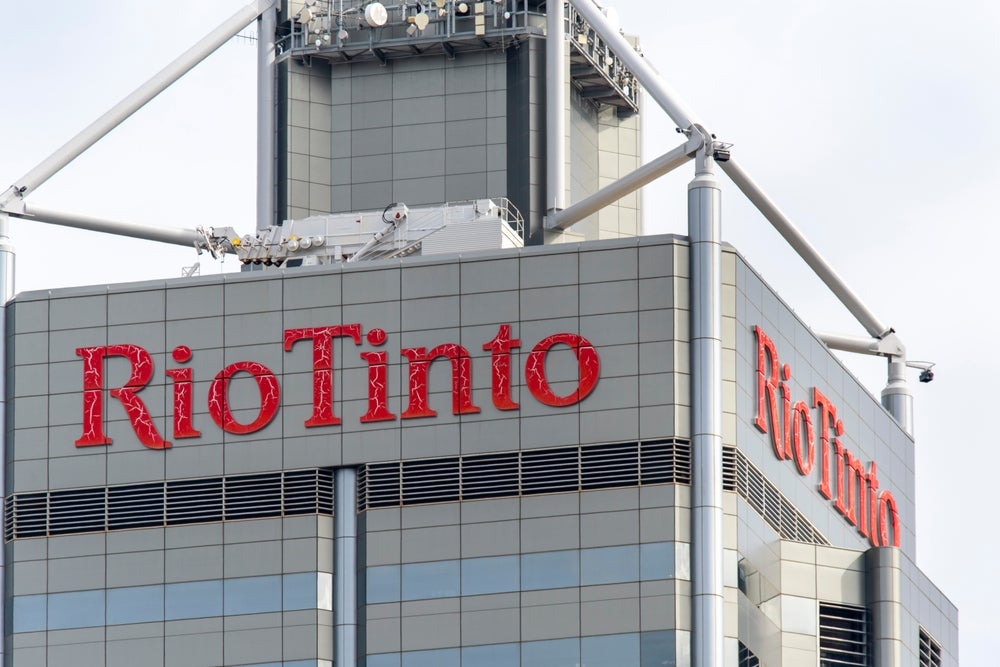
Rio Tinto Collaborates with Chinese Partner to Test Innovative Battery Trucks in Mongolia

Battery-Swap Electric Haul Trucks Trial: Rio Tinto has initiated a trial of battery-swap electric haul trucks at the Oyu Tolgoi copper mine in Mongolia, marking its first test in surface mining, which will run until 2026 to evaluate the technology's broader application.
Efficiency and Emission Reduction: The battery-swapping technology allows for quick battery replacements, significantly reducing downtime and aiming to cut emissions from haulage fleets, which are a major source of the company's Scope 1 and 2 emissions.
Management's Perspective: Rio Tinto's General Manager highlighted the trial as a key milestone in advancing low-carbon innovation through partnerships, emphasizing the importance of operational learnings in developing low-emission haulage alternatives.
Potential Asset-for-Equity Swap: Rio Tinto is reportedly considering an asset-for-equity swap with its Chinese investor, Chinalco, which could provide the company with more flexibility for share buybacks and strategic initiatives.
European auto lobby warns that EU steel quota reductions could lead to increased costs for car manufacturers.

Impact on European Automakers: The European Commission's proposed steel market protections, including reduced import quotas and increased tariffs, may raise costs for automakers, complicating their ability to manage supply shortages.
Concerns from ACEA: The European Automobile Manufacturers’ Association expressed that while some protection for the steel industry is necessary, the proposed measures are excessive and could hinder competition, especially against Chinese vehicles.
EU suggests increased steel tariffs to safeguard the industry
EU Trade Measures: The European Union has proposed new trade measures, including a 50% tariff on steel imports exceeding reduced quotas, to protect its steel industry from cheap imports, particularly from China.
Impact on UK Steel Industry: The UK's steel industry faces challenges due to the EU's new tariffs and the closure of its last virgin steel plant, although it will retain market access under an agreed quota.
Canada sets steel import limits, exempts U.S. and Mexico
New Tariff Measures: Canada has reduced the tariff-free import of steel from 100% to 50% for countries without free trade agreements, with a 50% tariff on excess imports; existing Canada-U.S.-Mexico Agreement terms remain unchanged.
Support for Domestic Steelmakers: The measures aim to protect Canadian steel producers from U.S. tariffs and promote domestic steel usage in major projects, receiving positive feedback from industry leaders.
Mexico to decide on Sheinbaum's tariff proposal for China, raising hopes for U.S. steel support
Tariff Proposal: Mexico's Congress is set to vote on President Claudia Sheinbaum's proposal to impose tariffs of up to 50% on Chinese imports to protect domestic manufacturers and ease trade tensions with the U.S.
Impact on U.S. Relations: The proposed tariffs may pave the way for tariff relief from the U.S. on Mexican steel and aluminum, indicating a potential shift in trade dynamics between the two countries.
Legislative Timeline: The bill is currently being debated by a lower-house commission, with plans for a vote in both the House and Senate before Congress's year-end recess on December 15.
Broader Trade Context: The move comes amid ongoing discussions about steel tariffs in the EU and their implications for various industries, including automotive manufacturing.
Washington Delivers Major Victory for Steelmakers: ETFs Set to Benefit
Trump's Proclamation: President Trump's recent proclamation allows coke oven facilities a two-year reprieve from strict EPA regulations, potentially boosting the U.S. steel supply chain and improving earnings for steel producers and coke-exposed miners.
Impact of Tariffs: The U.S. has imposed a 25% tariff on steel imports to reduce dependency on foreign steel, which has led to a significant decrease in imports but also increased domestic steel prices, affecting manufacturers' margins.
Market Outlook for ETFs: The easing of regulatory pressures is expected to benefit ETFs that invest in U.S. steel producers and metallurgical coke producers, providing a clearer investment landscape amid ongoing trade tensions.
Performance of Key ETFs: Notable ETFs like the State Street SPDR S&P Metals & Mining ETF (XME) and VanEck Steel ETF (SLX) have shown significant year-to-date gains, reflecting positive market conditions for the steel industry.
Rio Tinto Collaborates with Chinese Partner to Test Innovative Battery Trucks in Mongolia
Battery-Swap Electric Haul Trucks Trial: Rio Tinto has initiated a trial of battery-swap electric haul trucks at the Oyu Tolgoi copper mine in Mongolia, marking its first test in surface mining, which will run until 2026 to evaluate the technology's broader application.
Efficiency and Emission Reduction: The battery-swapping technology allows for quick battery replacements, significantly reducing downtime and aiming to cut emissions from haulage fleets, which are a major source of the company's Scope 1 and 2 emissions.
Management's Perspective: Rio Tinto's General Manager highlighted the trial as a key milestone in advancing low-carbon innovation through partnerships, emphasizing the importance of operational learnings in developing low-emission haulage alternatives.
Potential Asset-for-Equity Swap: Rio Tinto is reportedly considering an asset-for-equity swap with its Chinese investor, Chinalco, which could provide the company with more flexibility for share buybacks and strategic initiatives.
European auto lobby warns that EU steel quota reductions could lead to increased costs for car manufacturers.
Impact on European Automakers: The European Commission's proposed steel market protections, including reduced import quotas and increased tariffs, may raise costs for automakers, complicating their ability to manage supply shortages.
Concerns from ACEA: The European Automobile Manufacturers’ Association expressed that while some protection for the steel industry is necessary, the proposed measures are excessive and could hinder competition, especially against Chinese vehicles.
EU suggests increased steel tariffs to safeguard the industry
EU Trade Measures: The European Union has proposed new trade measures, including a 50% tariff on steel imports exceeding reduced quotas, to protect its steel industry from cheap imports, particularly from China.
Impact on UK Steel Industry: The UK's steel industry faces challenges due to the EU's new tariffs and the closure of its last virgin steel plant, although it will retain market access under an agreed quota.
Canada sets steel import limits, exempts U.S. and Mexico
New Tariff Measures: Canada has reduced the tariff-free import of steel from 100% to 50% for countries without free trade agreements, with a 50% tariff on excess imports; existing Canada-U.S.-Mexico Agreement terms remain unchanged.
Support for Domestic Steelmakers: The measures aim to protect Canadian steel producers from U.S. tariffs and promote domestic steel usage in major projects, receiving positive feedback from industry leaders.