Pfizer's Direct-To-Consumer Model Faces Scrutiny From US Senators (UPDATED)
Written by Emily J. Thompson, Senior Investment Analyst
Updated: Mar 13 2025
0mins
Should l Buy PFE?
Source: Benzinga
Concerns Over Financial Relationships: Senators expressed concerns about Pfizer's financial ties with UpScriptHealth regarding the PfizerForAll digital platform, suggesting it could lead to unnecessary prescriptions and higher costs for federal health care programs.
Impact of Direct-to-Consumer Advertising: The letter highlights that pharmaceutical companies spend significantly on direct-to-consumer advertising, which inflates demand for expensive drugs, often leading to increased Medicare spending on low therapeutic value medications.
Trade with 70% Backtested Accuracy
Stop guessing "Should I Buy PFE?" and start using high-conviction signals backed by rigorous historical data.
Sign up today to access powerful investing tools and make smarter, data-driven decisions.
Analyst Views on PFE
Wall Street analysts forecast PFE stock price to rise
16 Analyst Rating
5 Buy
11 Hold
0 Sell
Moderate Buy
Current: 27.190

Low
24.00
Averages
28.56
High
35.00
Current: 27.190
Low
24.00
Averages
28.56
High
35.00
About PFE
Pfizer Inc. is a research-based, global biopharmaceutical company. The Company is engaged in the discovery, development, manufacture, marketing, sale and distribution of biopharmaceutical products worldwide. Its Biopharma segment includes the Pfizer U.S. Commercial Division, and the Pfizer International Commercial Division. Its product categories include oncology, primary care and specialty care. Its oncology products include Ibrance, Xtandi, Padcev, Adcetris, Inlyta, Lorbrena, Bosulif, Tukysa, Braftovi, Mektovi, Orgovyx, Elrexfio, Tivdak and Talzenna. Its primary care products include Eliquis, Nurtec ODT/Vydura, Zavzpret, the Prevnar family, Comirnaty, Abrysvo, FSME/IMMUN-TicoVac, Nimenrix, Trumenba, and Paxlovid. Its specialty care products include Xeljanz, Enbrel (outside the United States and Canada), Inflectra, Abrilada, Cibinqo, Litfulo, Eucrisa, Velsipity, the Vyndaqel family, Genotropin, and others. Its PF-08653944 is an ultra-long-acting fully biased GLP-1 receptor agonist.
About the author

Emily J. Thompson
Emily J. Thompson, a Chartered Financial Analyst (CFA) with 12 years in investment research, graduated with honors from the Wharton School. Specializing in industrial and technology stocks, she provides in-depth analysis for Intellectia’s earnings and market brief reports.

The Importance of Pfizer's Drug Pipeline

- Vaccine Sales Fluctuation: Pfizer's COVID-19 vaccine revenue surged from $41.6 billion in 2020 to $81.2 billion in 2021, but sales plummeted to around $58 billion in 2023, highlighting the direct impact of changing vaccine demand on the company's financial health.
- Acquisition Strategy: Pfizer's acquisitions of Metsera, which focuses on weight-loss drug candidates in trials, and Seagen, aimed at bolstering its oncology business, reflect a strategic effort to fill future drug pipeline gaps and maintain market competitiveness.
- Stock Performance: Despite significant revenue growth during the COVID-19 vaccine period, Pfizer's stock price has declined by approximately 29% over the past five years, indicating market concerns regarding the company's future growth potential amid waning vaccine demand.
- Investor Caution: Analysts have noted that Pfizer did not make the current list of top stocks to buy, underscoring the need for investors to carefully assess the company's future return potential given its weaker drug pipeline.
See More
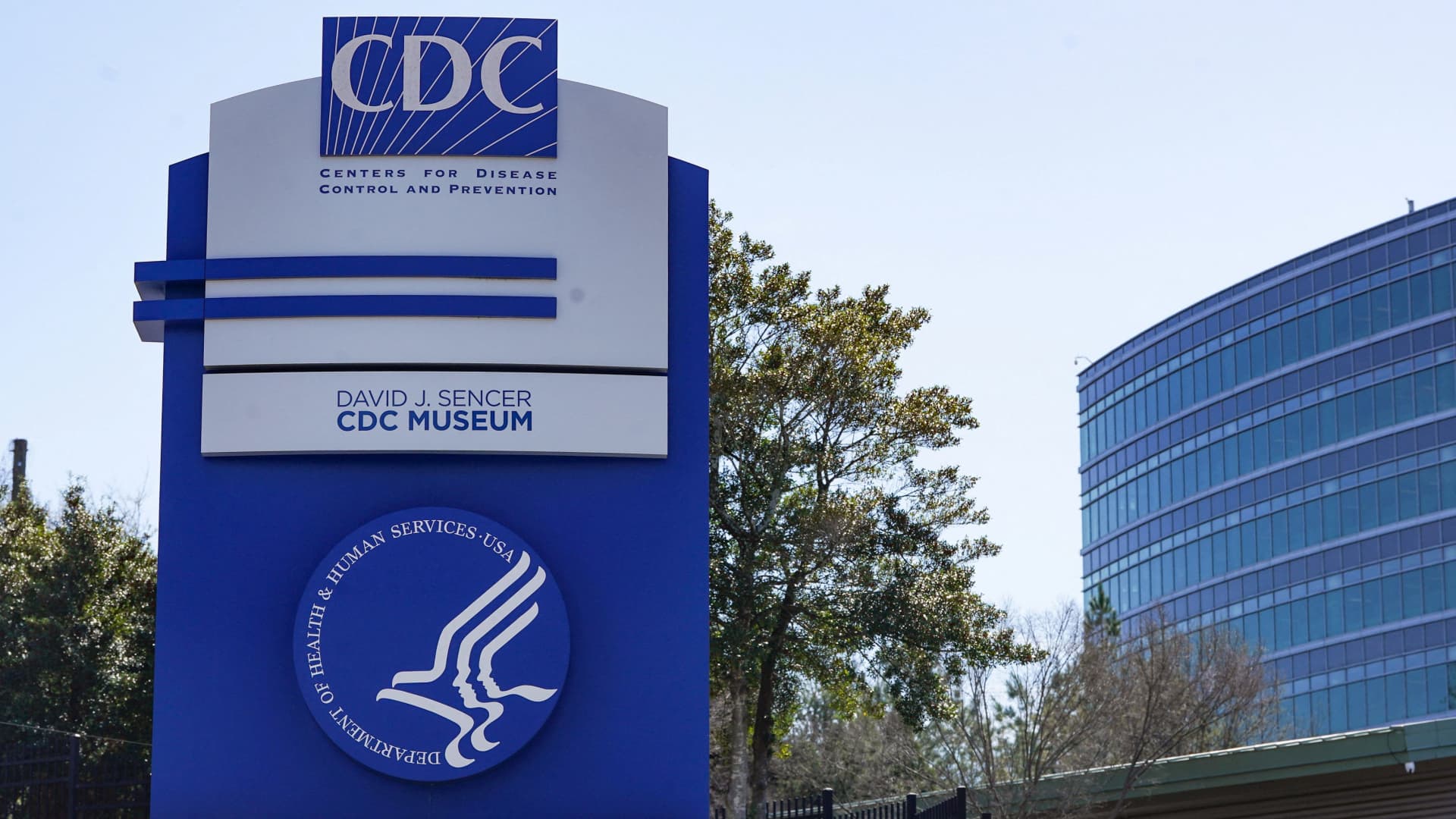
Trump Nominates New CDC Director Amid Turmoil

- Leadership Changes: Trump has nominated Erica Schwartz to serve as the CDC director, concluding a months-long search, with her confirmation pending Senate approval, which could significantly influence the agency's future direction.
- Interim Leadership Issues: Prior to Schwartz's nomination, Jay Bhattacharya served as acting director, but his term expired last month, highlighting instability within the CDC as the Vacancies Act limits interim officials to 210 days.
- Vaccine Policy Controversy: Amid leadership upheaval, declining morale, and significant staff turnover, the CDC faces major changes to U.S. vaccine policy, particularly after a judge blocked efforts to reduce the number of recommended childhood vaccinations, exacerbating public trust issues.
- Declining Public Trust: A February poll from KFF indicates a significant drop in public trust in federal health agencies during Kennedy's tenure as Secretary of Health and Human Services, which may hinder the CDC's effectiveness and implementation of future public health policies.
See More

The Importance of Pfizer's Drug Pipeline Analysis
- Vaccine Sales Fluctuation: Pfizer's COVID-19 vaccine propelled revenue from $41.6 billion in 2020 to $81.2 billion in 2021, but sales plummeted to around $58 billion in 2023, highlighting the direct impact of changing vaccine demand on the company's financials.
- Declining Stock Trend: Although Pfizer's revenue remains higher than pre-pandemic levels, its stock price has dropped approximately 29% over the past five years, reflecting market concerns about future growth potential, especially amid waning vaccine demand.
- Acquisition Strategy: Pfizer's acquisition of Metsera, which has no market drugs but weight-loss candidates in trials, and Seagen in 2023 to enhance its oncology business, demonstrates the company's proactive efforts to identify new growth drivers.
- Importance of Drug Pipeline: Pfizer's situation underscores the critical importance of a robust drug pipeline, as failure to adapt when patents expire or drug demand declines can lead to significant shareholder losses, emphasizing the necessity for ongoing innovation and R&D.
See More
White House Nominates Erica Schwartz as Next CDC Director
- Nomination of Schwartz: The White House is set to nominate Erica Schwartz, who served as deputy U.S. surgeon general under Trump, as the next CDC director, pending Trump's approval, indicating a desire for a nominee who minimizes controversy.
- CDC Leadership Vacancy: The CDC has been without permanent leadership since August when former director Susan Monarez was fired over disagreements with Trump's healthcare policies, which has impacted the agency's policy execution and public trust.
- Schwartz's Background: Schwartz holds a master's degree in public health and a law degree, and her experience as a Navy physician and chief medical officer at the U.S. Coast Guard may bring new perspectives and leadership to the CDC.
- Deputy Director Candidate: The Trump administration is also considering Sean Slovenski, a former Walmart executive, as Schwartz's deputy, further indicating the strategic reshaping of leadership within the CDC.
See More

High-Yield Stocks: Reliable Dividend Income Sources

- Telecom Stock Advantage: Verizon Communications boasts a dividend yield of 6.2%, significantly higher than the S&P 500's 1.2%, with an $8,000 investment generating approximately $500 annually, highlighting its stable financials and suitability for long-term holding.
- Logistics Giant Challenges: United Parcel Service offers a 6.4% dividend yield, and despite a 40% stock price drop over the past five years, it aims to improve margins by reducing business with Amazon, with an $8,000 investment yielding over $510 annually, showcasing its potential amid e-commerce growth.
- Pharmaceutical Industry Outlook: Pfizer's dividend yield stands at 6.3%, and although its stock has declined over 25% in five years, it has over 100 drug candidates and generated $7.8 billion in profit last year, indicating stability amid uncertainty, with an $8,000 investment yielding about $500 annually.
- Overall Income Analysis: Investing $8,000 in Verizon, UPS, and Pfizer could yield over $1,500 in total annual dividends, reflecting the significance of these high-yield stocks in a portfolio, making them ideal for income-seeking investors.
See More

Johnson & Johnson vs. Pfizer: The Future of Healthcare Stocks

- Successful Spin-off: Johnson & Johnson's spin-off of its slow-growing consumer health division into Kenvue in 2023 has led to enhanced operational efficiency, with revenue reaching $88.8 billion in 2024 and projected to grow to between $99.5 billion and $100.5 billion by 2026, indicating strong growth potential in the healthcare market.
- Pfizer's Revenue Challenges: Pfizer's total revenue plummeted from approximately $100 billion in 2022 to $59.5 billion in 2023; despite efforts to strengthen its oncology pipeline through acquisitions like Seagen and Metsera, revenue is expected to remain flat in 2026, ranging from $59.5 billion to $62.5 billion, highlighting growth risks.
- Dividend Yield Comparison: Pfizer offers a dividend yield exceeding 6%, while Johnson & Johnson's yield stands at 2.1%; although Pfizer appears undervalued with a lower forward P/E ratio, its lower future earnings expectations may signal risks, whereas Johnson & Johnson's 60+ years of consistent dividend growth suggests greater sustainability.
- Market Outlook Analysis: Amid concerns over inflation, AI bubbles, and geopolitical risks, Johnson & Johnson's broad product portfolio, steady cash flow, and reliable dividend payments position it as a focal point for investors seeking potential shareholder returns over the next decade.
See More
The Importance of Pfizer's Drug Pipeline
- Vaccine Sales Fluctuation: Pfizer's COVID-19 vaccine revenue surged from $41.6 billion in 2020 to $81.2 billion in 2021, but sales plummeted to around $58 billion in 2023, highlighting the direct impact of changing vaccine demand on the company's financial health.
- Acquisition Strategy: Pfizer's acquisitions of Metsera, which focuses on weight-loss drug candidates in trials, and Seagen, aimed at bolstering its oncology business, reflect a strategic effort to fill future drug pipeline gaps and maintain market competitiveness.
- Stock Performance: Despite significant revenue growth during the COVID-19 vaccine period, Pfizer's stock price has declined by approximately 29% over the past five years, indicating market concerns regarding the company's future growth potential amid waning vaccine demand.
- Investor Caution: Analysts have noted that Pfizer did not make the current list of top stocks to buy, underscoring the need for investors to carefully assess the company's future return potential given its weaker drug pipeline.
See More
Trump Nominates New CDC Director Amid Turmoil
- Leadership Changes: Trump has nominated Erica Schwartz to serve as the CDC director, concluding a months-long search, with her confirmation pending Senate approval, which could significantly influence the agency's future direction.
- Interim Leadership Issues: Prior to Schwartz's nomination, Jay Bhattacharya served as acting director, but his term expired last month, highlighting instability within the CDC as the Vacancies Act limits interim officials to 210 days.
- Vaccine Policy Controversy: Amid leadership upheaval, declining morale, and significant staff turnover, the CDC faces major changes to U.S. vaccine policy, particularly after a judge blocked efforts to reduce the number of recommended childhood vaccinations, exacerbating public trust issues.
- Declining Public Trust: A February poll from KFF indicates a significant drop in public trust in federal health agencies during Kennedy's tenure as Secretary of Health and Human Services, which may hinder the CDC's effectiveness and implementation of future public health policies.
See More
The Importance of Pfizer's Drug Pipeline Analysis
- Vaccine Sales Fluctuation: Pfizer's COVID-19 vaccine propelled revenue from $41.6 billion in 2020 to $81.2 billion in 2021, but sales plummeted to around $58 billion in 2023, highlighting the direct impact of changing vaccine demand on the company's financials.
- Declining Stock Trend: Although Pfizer's revenue remains higher than pre-pandemic levels, its stock price has dropped approximately 29% over the past five years, reflecting market concerns about future growth potential, especially amid waning vaccine demand.
- Acquisition Strategy: Pfizer's acquisition of Metsera, which has no market drugs but weight-loss candidates in trials, and Seagen in 2023 to enhance its oncology business, demonstrates the company's proactive efforts to identify new growth drivers.
- Importance of Drug Pipeline: Pfizer's situation underscores the critical importance of a robust drug pipeline, as failure to adapt when patents expire or drug demand declines can lead to significant shareholder losses, emphasizing the necessity for ongoing innovation and R&D.
See More
White House Nominates Erica Schwartz as Next CDC Director
- Nomination of Schwartz: The White House is set to nominate Erica Schwartz, who served as deputy U.S. surgeon general under Trump, as the next CDC director, pending Trump's approval, indicating a desire for a nominee who minimizes controversy.
- CDC Leadership Vacancy: The CDC has been without permanent leadership since August when former director Susan Monarez was fired over disagreements with Trump's healthcare policies, which has impacted the agency's policy execution and public trust.
- Schwartz's Background: Schwartz holds a master's degree in public health and a law degree, and her experience as a Navy physician and chief medical officer at the U.S. Coast Guard may bring new perspectives and leadership to the CDC.
- Deputy Director Candidate: The Trump administration is also considering Sean Slovenski, a former Walmart executive, as Schwartz's deputy, further indicating the strategic reshaping of leadership within the CDC.
See More
High-Yield Stocks: Reliable Dividend Income Sources
- Telecom Stock Advantage: Verizon Communications boasts a dividend yield of 6.2%, significantly higher than the S&P 500's 1.2%, with an $8,000 investment generating approximately $500 annually, highlighting its stable financials and suitability for long-term holding.
- Logistics Giant Challenges: United Parcel Service offers a 6.4% dividend yield, and despite a 40% stock price drop over the past five years, it aims to improve margins by reducing business with Amazon, with an $8,000 investment yielding over $510 annually, showcasing its potential amid e-commerce growth.
- Pharmaceutical Industry Outlook: Pfizer's dividend yield stands at 6.3%, and although its stock has declined over 25% in five years, it has over 100 drug candidates and generated $7.8 billion in profit last year, indicating stability amid uncertainty, with an $8,000 investment yielding about $500 annually.
- Overall Income Analysis: Investing $8,000 in Verizon, UPS, and Pfizer could yield over $1,500 in total annual dividends, reflecting the significance of these high-yield stocks in a portfolio, making them ideal for income-seeking investors.
See More
Johnson & Johnson vs. Pfizer: The Future of Healthcare Stocks
- Successful Spin-off: Johnson & Johnson's spin-off of its slow-growing consumer health division into Kenvue in 2023 has led to enhanced operational efficiency, with revenue reaching $88.8 billion in 2024 and projected to grow to between $99.5 billion and $100.5 billion by 2026, indicating strong growth potential in the healthcare market.
- Pfizer's Revenue Challenges: Pfizer's total revenue plummeted from approximately $100 billion in 2022 to $59.5 billion in 2023; despite efforts to strengthen its oncology pipeline through acquisitions like Seagen and Metsera, revenue is expected to remain flat in 2026, ranging from $59.5 billion to $62.5 billion, highlighting growth risks.
- Dividend Yield Comparison: Pfizer offers a dividend yield exceeding 6%, while Johnson & Johnson's yield stands at 2.1%; although Pfizer appears undervalued with a lower forward P/E ratio, its lower future earnings expectations may signal risks, whereas Johnson & Johnson's 60+ years of consistent dividend growth suggests greater sustainability.
- Market Outlook Analysis: Amid concerns over inflation, AI bubbles, and geopolitical risks, Johnson & Johnson's broad product portfolio, steady cash flow, and reliable dividend payments position it as a focal point for investors seeking potential shareholder returns over the next decade.
See More