Nike, Starbucks, Kraft Heinz Face Performance Challenges
Written by Emily J. Thompson, Senior Investment Analyst
Updated: Dec 29 2025
0mins

Should l Buy KHC?
Source: Fool
- Nike's Declining Performance: Nike (NKE) reported only a 1% revenue increase in Q2 FY2026, following a 10% drop in FY2025, with net income plummeting 32% to $792 million, indicating ongoing pressure from intensified competition and shifting consumer preferences.
- Starbucks' Transformation Struggles: Starbucks (SBUX) achieved a 6% year-over-year revenue growth in Q4 FY2025, yet its net income fell 85% to $133 million due to faster expense growth, reflecting the impact of high prices and service quality issues on brand reputation.
- Kraft Heinz Facing Challenges: Kraft Heinz (KHC) saw a 3% year-over-year decline in net sales in Q3 FY2025, with earnings of $615 million primarily benefiting from the absence of impairment losses, while future prospects remain uncertain and may lead to another dividend cut.
- Intensifying Industry Competition: All three companies are grappling with competitive pressures, as Nike lost an advantage with its DTC strategy, Starbucks seeks new opportunities in a saturated market, and Kraft Heinz's merger failure exacerbates its market challenges, prompting investors to carefully assess holding risks.
Trade with 70% Backtested Accuracy
Stop guessing "Should I Buy KHC?" and start using high-conviction signals backed by rigorous historical data.
Sign up today to access powerful investing tools and make smarter, data-driven decisions.
Analyst Views on KHC
Wall Street analysts forecast KHC stock price to rise
15 Analyst Rating
0 Buy
14 Hold
1 Sell
Hold
Current: 22.270

Low
24.00
Averages
25.86
High
28.00
Current: 22.270
Low
24.00
Averages
25.86
High
28.00
About KHC
The Kraft Heinz Company manufactures and markets food and beverage products around the world through its eight consumer-driven product platforms: Taste Elevation, Easy Ready Meals, Substantial Snacking, Desserts, Hydration, Cheese, Coffee, Meats, and other grocery products. The Company has two reportable segments defined by geographic region: North America and International Developed Markets. Its other segments, consisting of West and East Emerging Markets (WEEM) and Asia Emerging Markets (AEM), are combined and disclosed as Emerging Markets. It manufactures its products from a wide variety of raw materials. Its brands include Kraft, Oscar Mayer, Heinz, Philadelphia, Lunchables, Velveeta, Ore-Ida, Capri Sun, Maxwell Apartment, Kool-Aid, Jell-O, Heinz, Golden Circle, Wattie’s, Plasmon, Heinz, ABC, Master, Quero, Kraft, and Pudliszki, among others. The Company’s products are sold through its own sales organizations and through independent brokers, agents, and distributors.
About the author

Emily J. Thompson
Emily J. Thompson, a Chartered Financial Analyst (CFA) with 12 years in investment research, graduated with honors from the Wharton School. Specializing in industrial and technology stocks, she provides in-depth analysis for Intellectia’s earnings and market brief reports.
Buffett's Retirement Sparks Strategic Shift at Berkshire Hathaway
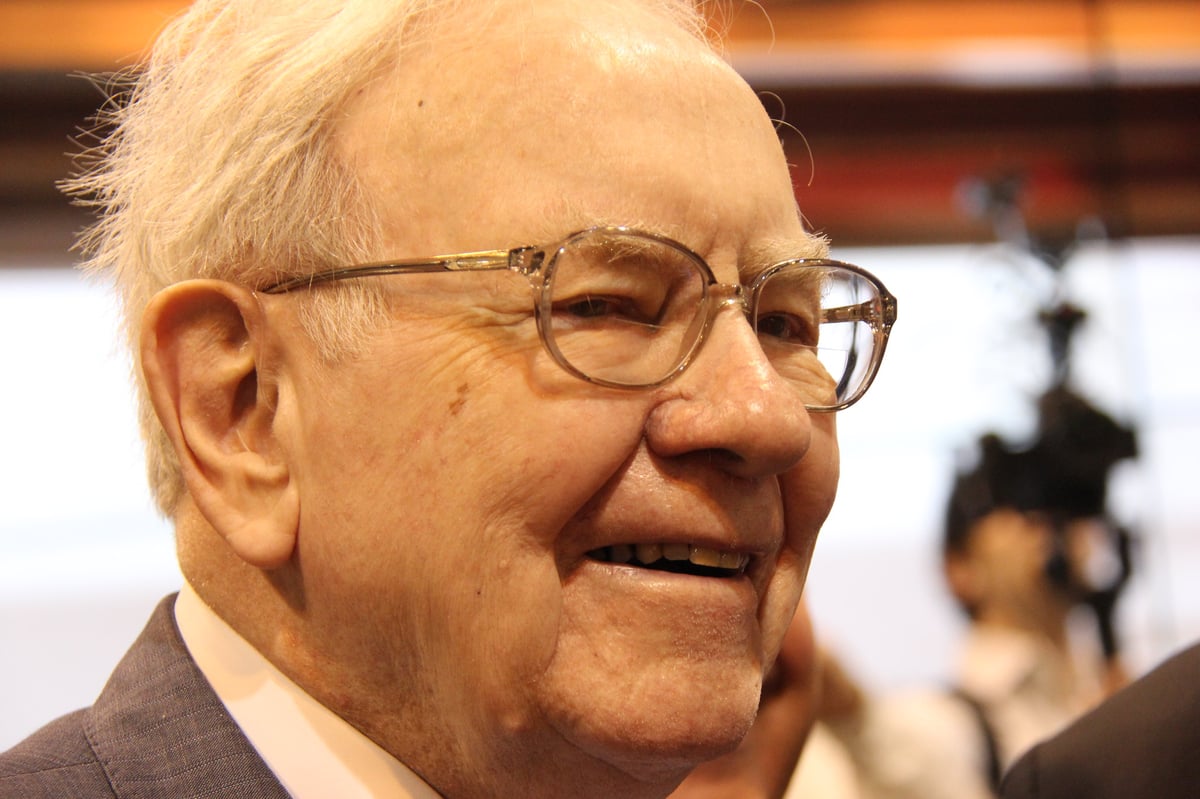
- Buffett's Investment Mistake: Warren Buffett admitted that investing in Kraft Heinz was a mistake, as the company announced significant write-downs, indicating he overpaid for the business; however, he maintained his traditional investment approach without taking more active measures amid ongoing struggles.
- Abel's Active Investment: New CEO Greg Abel made it clear he was displeased with Kraft Heinz and intended to sell the stock, quickly demonstrating a more active investment style than Buffett, indicating a shift towards more hands-on management strategies.
- Kraft Heinz's Strategic Shift: Following Abel's expression of dissatisfaction, Kraft Heinz's new CEO announced a focus on significant improvements within the existing business; while it's unclear if Abel's intentions directly influenced this decision, Berkshire's over 27% stake suggests his impact is significant.
- Berkshire's Holding Strategy: Abel indicated that Berkshire Hathaway would not sell its Kraft Heinz stake, showing a willingness to adjust strategies as market conditions change, reflecting confidence in future investments and providing a positive signal for Berkshire investors.
See More
Kraft Heinz Shares Slip After Six-Day Rally
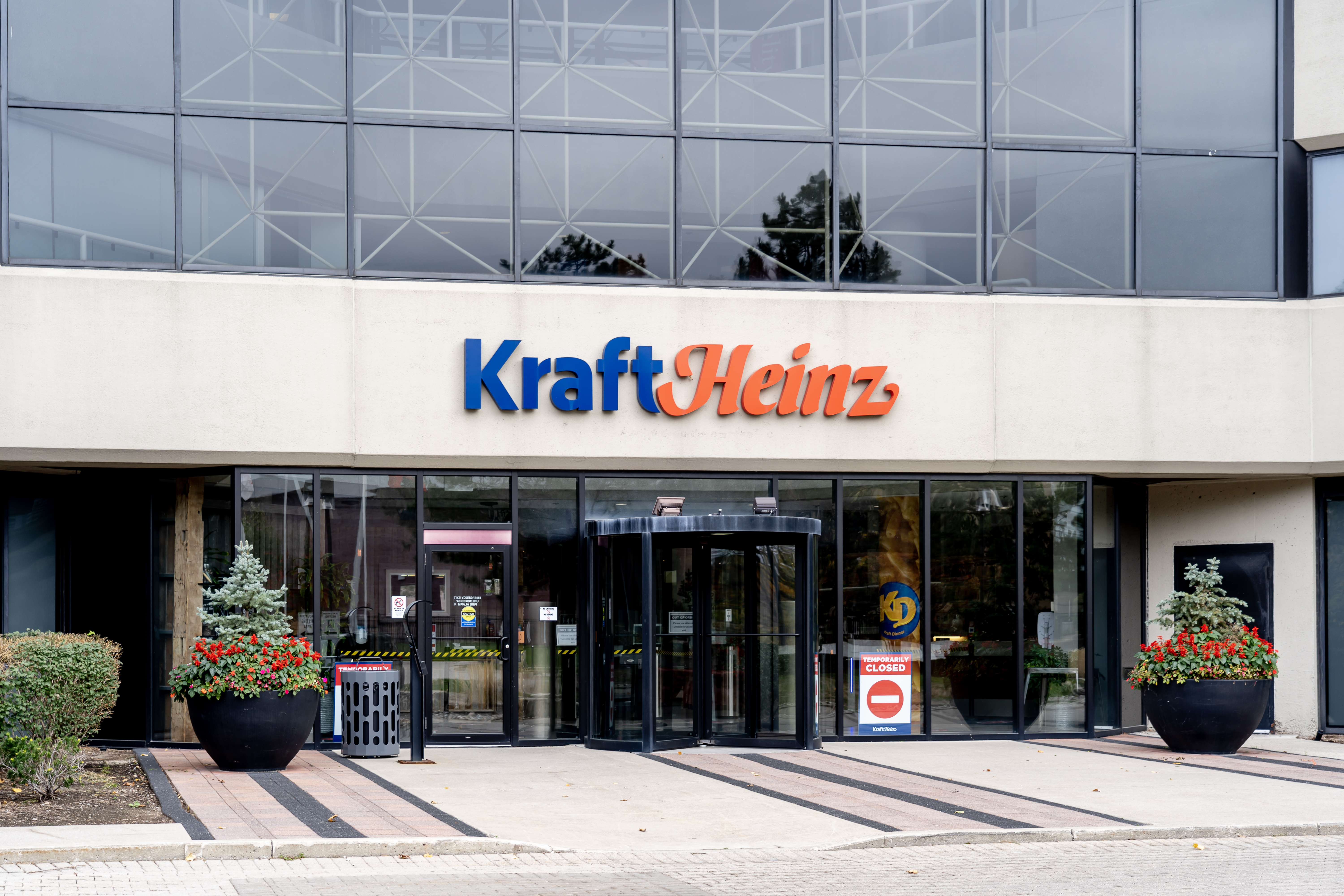
- Stock Pullback: Shares of The Kraft Heinz Company (KHC) fell 1.02% to $22.26 on Wednesday afternoon, ending a six-session rally, indicating a defensive positioning in the consumer staples sector amid market volatility.
- Market Performance Comparison: Between March 24 and March 31, KHC's stock rose approximately 5.5%, contrasting with a mere 0.43% decline in the S&P 500 during the same period, showcasing the company's relative strength in the consumer goods sector.
- Analyst Ratings: According to Seeking Alpha's QuantRating system, KHC holds a 'Hold' rating with a score of 3.06, receiving an A for valuation but an F for growth, highlighting ongoing weaknesses in its fundamentals.
- Long-Term Outlook: While KHC's low valuation and high dividend yield may attract investors, analysts caution that persistent declines in revenue and margins, along with negative total returns, signal deeper structural issues, suggesting that the market's pessimism may reflect a lack of compelling value.
See More
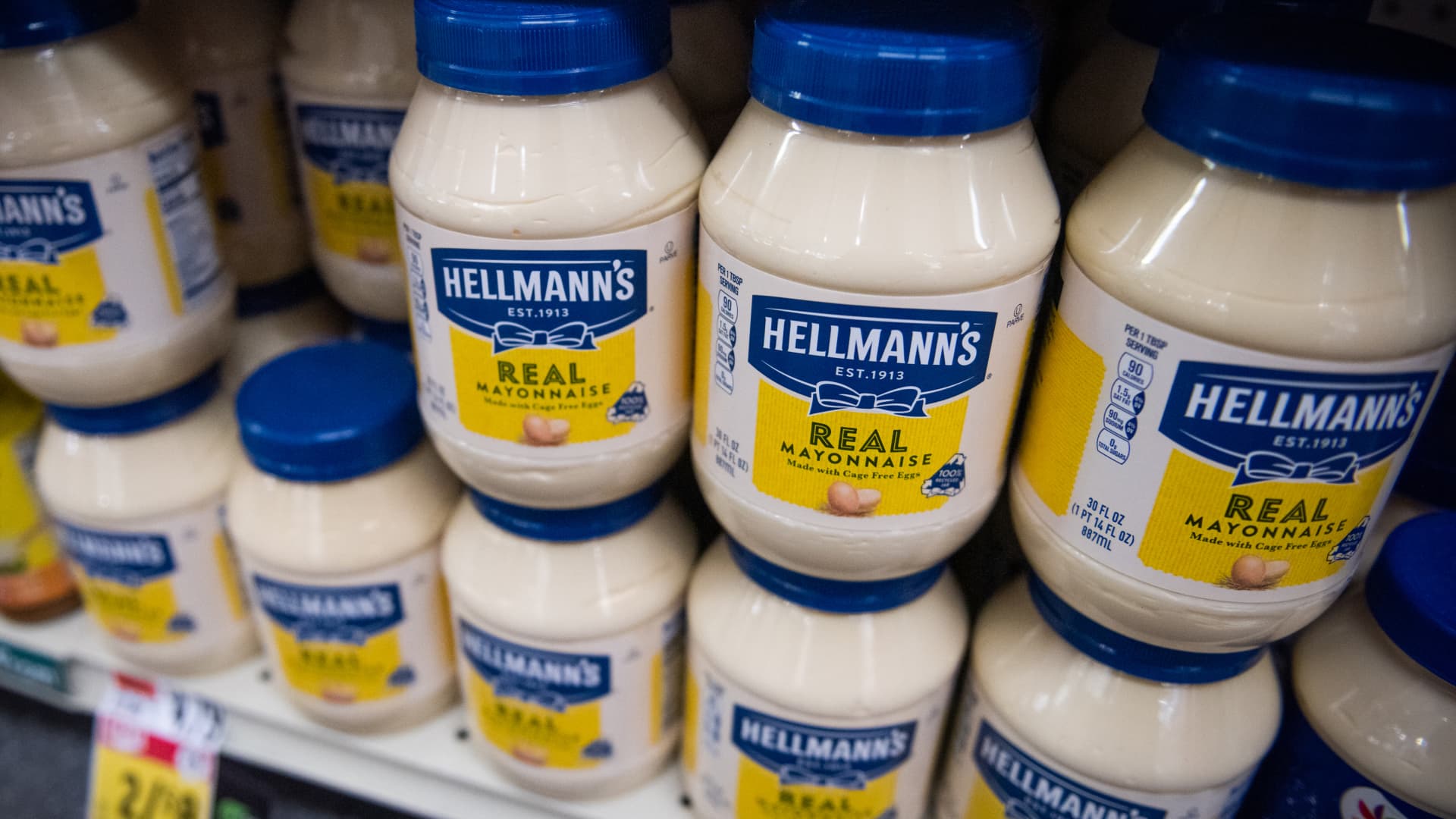
McCormick Acquires Unilever's Food Business for $45 Billion
- Massive Deal Size: McCormick is acquiring Unilever's food business for a total value of nearly $45 billion, with $15.7 billion paid in cash, which is expected to significantly boost McCormick's annual sales and further expand its market share in the condiments and spreads sector.
- Equity Structure Change: After the deal closes, Unilever shareholders will own 55.1% of the combined company while Unilever retains a 9.9% stake, a structure that will influence future governance and strategic decisions of the merged entity.
- Strategic Focus Shift: By divesting its food business, Unilever can concentrate more on its personal care segment, which is growing faster, reflecting the company's keen insight into future market trends and consumer preferences.
- Response to Industry Trends: This acquisition aligns with the broader trend in the Big Food sector, where many packaged food and beverage companies are streamlining operations through divestitures and spinoffs to address declining consumer demand, with nearly half of 2024's M&A activity in the consumer products industry expected to come from divestitures.
See More

KRAFT HEINZ: JEFFERIES LOWERS TARGET PRICE FROM $23 TO $20
- Price Reduction Announcement: Kraft Heinz has announced a cut in the target price for its stock from $23 to $20.
- Market Impact: This adjustment reflects changes in market conditions and may influence investor sentiment regarding the company's future performance.
See More
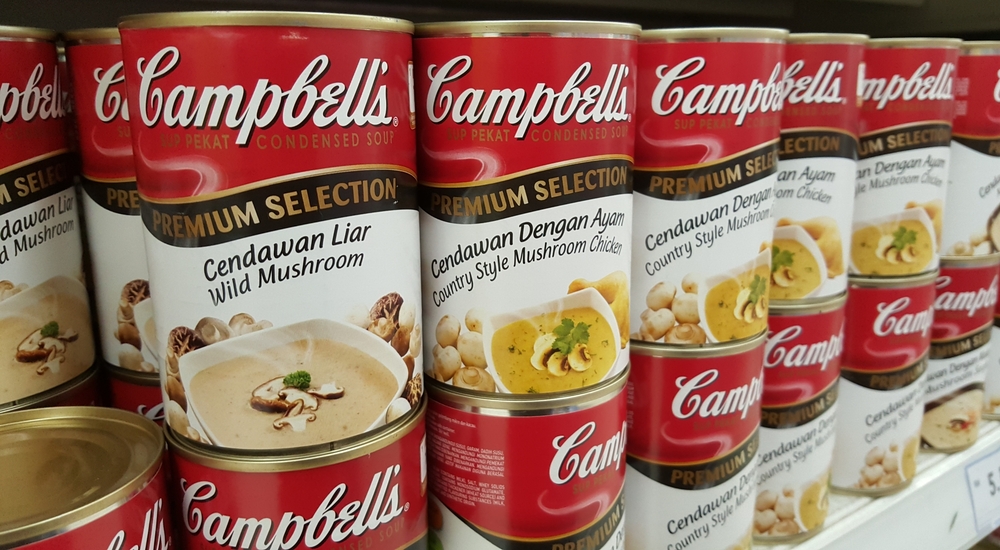
Analyzing Investment Prospects for Campbell's Company Stock
- Stock Price and Valuation: As of March 24, Campbell's shares were trading at $20.91, with a trailing P/E of 11.46 and a forward P/E of 9.01, indicating a discounted valuation despite a 5.8% dividend yield and a payout ratio below 80%.
- Brand Portfolio Strength: The company boasts a robust brand portfolio, including staple soups and well-known snack brands like Pepperidge Farm and Goldfish, and while consumer preferences are shifting towards healthier options, the demand for convenient meals and snacks remains strong, supporting the resilience of its core categories.
- Sales Growth Trend: Campbell's has achieved approximately 21% cumulative sales growth since 2021, and despite recent margin pressures, its stable cash flow and brand equity provide a foundation for future growth, suggesting that the market's pessimism regarding its long-term prospects may be overstated.
- Industry Performance Comparison: Within the packaged food sector, Campbell's has underperformed, with its stock price depreciating by about 44.90% since our last coverage due to weak snack demand and inflationary pressures, yet its compressed valuation amidst sector-wide pessimism may still present an attractive opportunity for investors.
See More
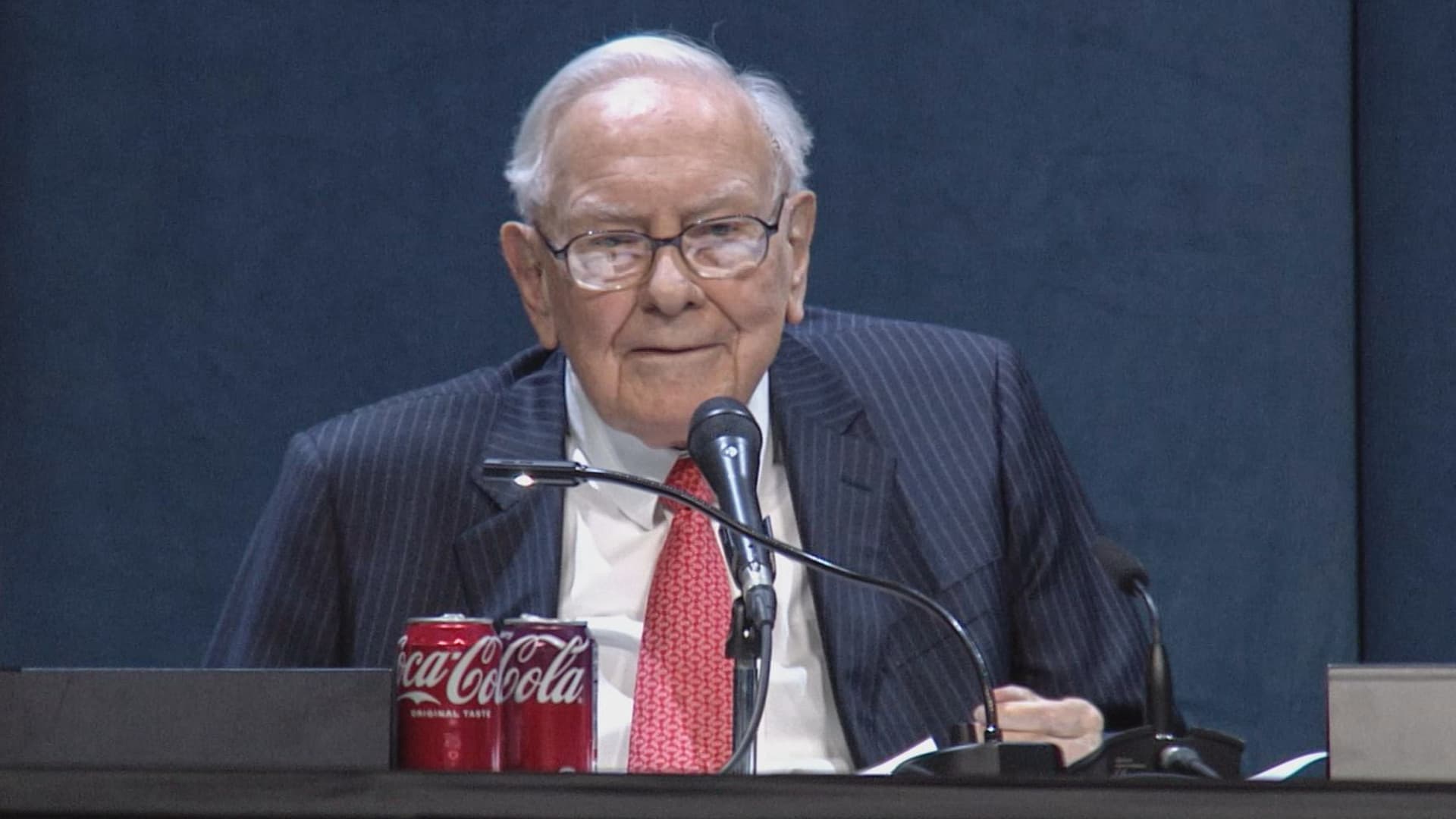
Berkshire Shares Face Longest Losing Streak in Over 7 Years
- Stock Price Decline: Berkshire Hathaway shares have experienced an eight-day losing streak, the longest since December 2018, with Class A shares down 4.7% and Class B shares down 4.9%, reflecting market concerns over rising energy prices and global uncertainties.
- Market Underperformance: During the same period, the S&P 500 index has dropped 5.2%, indicating overall market weakness, with Berkshire's year-to-date losses nearing 7%, aligning with the declining investor confidence.
- Strong Returns from Japanese Investment: Berkshire's latest investment in Japan has shown robust performance, with Tokio Marine Holdings' shares soaring over 24% following the announcement of an $1.8 billion stake, bringing its market value close to $2.3 billion, highlighting the company's potential for international expansion.
- Strategic Partnership Outlook: Tokio Marine emphasized that the collaboration with Berkshire is not merely a business alliance but a long-term strategic relationship, expected to create compelling long-term growth opportunities for both companies, further solidifying Berkshire's leadership in the insurance sector.
See More
Buffett's Retirement Sparks Strategic Shift at Berkshire Hathaway
- Buffett's Investment Mistake: Warren Buffett admitted that investing in Kraft Heinz was a mistake, as the company announced significant write-downs, indicating he overpaid for the business; however, he maintained his traditional investment approach without taking more active measures amid ongoing struggles.
- Abel's Active Investment: New CEO Greg Abel made it clear he was displeased with Kraft Heinz and intended to sell the stock, quickly demonstrating a more active investment style than Buffett, indicating a shift towards more hands-on management strategies.
- Kraft Heinz's Strategic Shift: Following Abel's expression of dissatisfaction, Kraft Heinz's new CEO announced a focus on significant improvements within the existing business; while it's unclear if Abel's intentions directly influenced this decision, Berkshire's over 27% stake suggests his impact is significant.
- Berkshire's Holding Strategy: Abel indicated that Berkshire Hathaway would not sell its Kraft Heinz stake, showing a willingness to adjust strategies as market conditions change, reflecting confidence in future investments and providing a positive signal for Berkshire investors.
See More
Kraft Heinz Shares Slip After Six-Day Rally
- Stock Pullback: Shares of The Kraft Heinz Company (KHC) fell 1.02% to $22.26 on Wednesday afternoon, ending a six-session rally, indicating a defensive positioning in the consumer staples sector amid market volatility.
- Market Performance Comparison: Between March 24 and March 31, KHC's stock rose approximately 5.5%, contrasting with a mere 0.43% decline in the S&P 500 during the same period, showcasing the company's relative strength in the consumer goods sector.
- Analyst Ratings: According to Seeking Alpha's QuantRating system, KHC holds a 'Hold' rating with a score of 3.06, receiving an A for valuation but an F for growth, highlighting ongoing weaknesses in its fundamentals.
- Long-Term Outlook: While KHC's low valuation and high dividend yield may attract investors, analysts caution that persistent declines in revenue and margins, along with negative total returns, signal deeper structural issues, suggesting that the market's pessimism may reflect a lack of compelling value.
See More
McCormick Acquires Unilever's Food Business for $45 Billion
- Massive Deal Size: McCormick is acquiring Unilever's food business for a total value of nearly $45 billion, with $15.7 billion paid in cash, which is expected to significantly boost McCormick's annual sales and further expand its market share in the condiments and spreads sector.
- Equity Structure Change: After the deal closes, Unilever shareholders will own 55.1% of the combined company while Unilever retains a 9.9% stake, a structure that will influence future governance and strategic decisions of the merged entity.
- Strategic Focus Shift: By divesting its food business, Unilever can concentrate more on its personal care segment, which is growing faster, reflecting the company's keen insight into future market trends and consumer preferences.
- Response to Industry Trends: This acquisition aligns with the broader trend in the Big Food sector, where many packaged food and beverage companies are streamlining operations through divestitures and spinoffs to address declining consumer demand, with nearly half of 2024's M&A activity in the consumer products industry expected to come from divestitures.
See More
KRAFT HEINZ: JEFFERIES LOWERS TARGET PRICE FROM $23 TO $20
- Price Reduction Announcement: Kraft Heinz has announced a cut in the target price for its stock from $23 to $20.
- Market Impact: This adjustment reflects changes in market conditions and may influence investor sentiment regarding the company's future performance.
See More
Analyzing Investment Prospects for Campbell's Company Stock
- Stock Price and Valuation: As of March 24, Campbell's shares were trading at $20.91, with a trailing P/E of 11.46 and a forward P/E of 9.01, indicating a discounted valuation despite a 5.8% dividend yield and a payout ratio below 80%.
- Brand Portfolio Strength: The company boasts a robust brand portfolio, including staple soups and well-known snack brands like Pepperidge Farm and Goldfish, and while consumer preferences are shifting towards healthier options, the demand for convenient meals and snacks remains strong, supporting the resilience of its core categories.
- Sales Growth Trend: Campbell's has achieved approximately 21% cumulative sales growth since 2021, and despite recent margin pressures, its stable cash flow and brand equity provide a foundation for future growth, suggesting that the market's pessimism regarding its long-term prospects may be overstated.
- Industry Performance Comparison: Within the packaged food sector, Campbell's has underperformed, with its stock price depreciating by about 44.90% since our last coverage due to weak snack demand and inflationary pressures, yet its compressed valuation amidst sector-wide pessimism may still present an attractive opportunity for investors.
See More
Berkshire Shares Face Longest Losing Streak in Over 7 Years
- Stock Price Decline: Berkshire Hathaway shares have experienced an eight-day losing streak, the longest since December 2018, with Class A shares down 4.7% and Class B shares down 4.9%, reflecting market concerns over rising energy prices and global uncertainties.
- Market Underperformance: During the same period, the S&P 500 index has dropped 5.2%, indicating overall market weakness, with Berkshire's year-to-date losses nearing 7%, aligning with the declining investor confidence.
- Strong Returns from Japanese Investment: Berkshire's latest investment in Japan has shown robust performance, with Tokio Marine Holdings' shares soaring over 24% following the announcement of an $1.8 billion stake, bringing its market value close to $2.3 billion, highlighting the company's potential for international expansion.
- Strategic Partnership Outlook: Tokio Marine emphasized that the collaboration with Berkshire is not merely a business alliance but a long-term strategic relationship, expected to create compelling long-term growth opportunities for both companies, further solidifying Berkshire's leadership in the insurance sector.
See More