Micron Technology Positioned to Benefit from Memory Shortage
Written by Emily J. Thompson, Senior Investment Analyst
Updated: Feb 08 2026
0mins


Source: NASDAQ.COM
- Surging Market Demand: The demand for memory due to artificial intelligence is projected to lead data centers to consume 70% of all memory chips in 2026, creating a critical shortage that presents significant market opportunities for Micron Technology.
- Factory Construction Plans: Micron is building a gigantic factory near Syracuse, New York, to meet the growing market needs, marking a strategic shift as it exits the consumer PC memory market.
- Strong Financial Performance: In fiscal year 2025, Micron achieved $37.4 billion in revenue, a 49% year-over-year increase, and recorded $13.6 billion in revenue for Q1 fiscal 2026, up 57% year-over-year, indicating robust growth momentum.
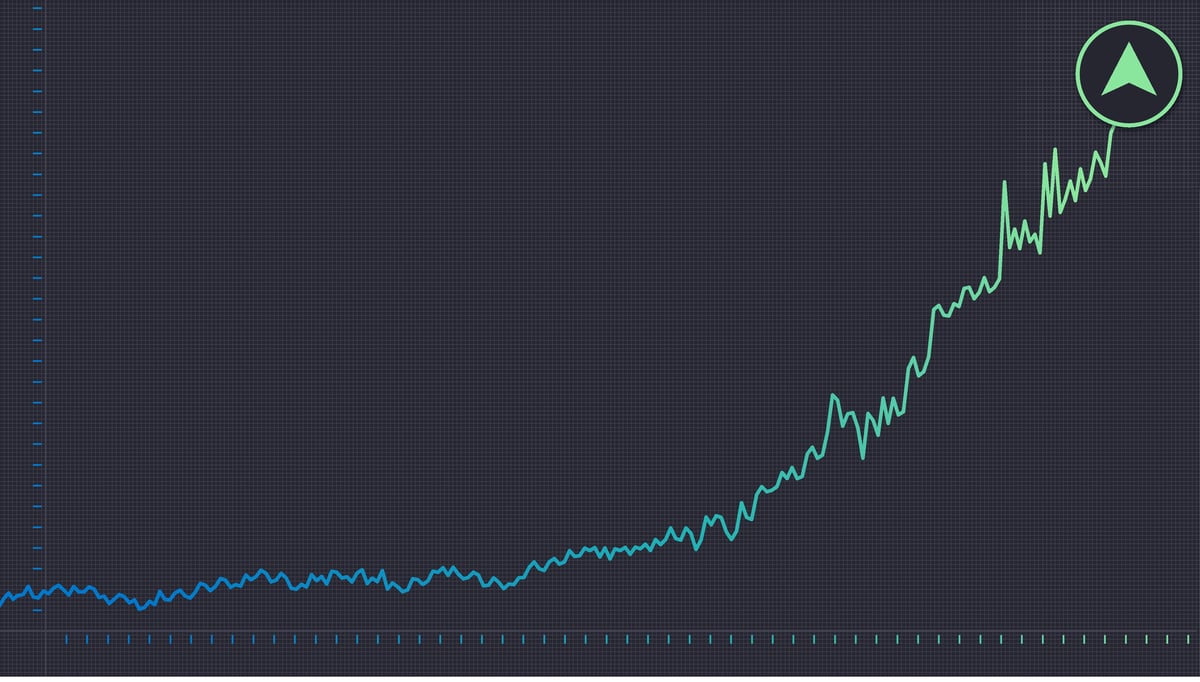
- Significant Valuation Advantage: Despite a 300% increase in share price over the past year, Micron's forward P/E ratio stands at just 10.57, significantly lower than competitors like Samsung at 12.7 and Nvidia at 24.34, highlighting its attractiveness as an AI hardware investment.
Trade with 70% Backtested Accuracy
Stop guessing "Should I Buy MU?" and start using high-conviction signals backed by rigorous historical data.
Sign up today to access powerful investing tools and make smarter, data-driven decisions.
Analyst Views on MU
Wall Street analysts forecast MU stock price to fall
26 Analyst Rating
24 Buy
2 Hold
0 Sell
Strong Buy
Current: 928.410

Low
235.00
Averages
336.12
High
500.00
Current: 928.410
Low
235.00
Averages
336.12
High
500.00
About MU
Micron Technology, Inc. provides memory and storage solutions. The Company delivers a portfolio of high-performance dynamic random-access memory (DRAM), NAND, and NOR memory and storage products through its Micron and Crucial brands. The Company's products enable advancing in artificial intelligence (AI) and compute-intensive applications. Its segments include Cloud Memory Business Unit (CMBU), Core Data Center Business Unit (CDBU), Mobile and Client Business Unit (MCBU) and Automotive and Embedded Business Unit (AEBU). CMBU is focused on memory solutions for large hyperscale cloud customers, and high bandwidth memory (HBM) for all data center customers. CDBU is focused on memory solutions for mid-tier cloud, enterprise, and OEM data center customers and storage solutions for all data center customers. MCBU is focused on memory and storage solutions for mobile and client segments. AEBU is focused on memory and storage solutions for the automotive, industrial, and consumer segments.
About the author

Emily J. Thompson
Emily J. Thompson, a Chartered Financial Analyst (CFA) with 12 years in investment research, graduated with honors from the Wharton School. Specializing in industrial and technology stocks, she provides in-depth analysis for Intellectia’s earnings and market brief reports.

Micron Technology to Hold Q3 Earnings Call

- Earnings Call Announcement: Micron Technology has announced it will hold its fiscal Q3 earnings conference call on June 24, 2026, at 2:30 PM Mountain Time, aimed at providing investors and analysts with updates on financial performance and business developments.
- Live Webcast and Replay: The call will be webcast live on Micron's Investor Relations website, with replays available for approximately one year post-call, ensuring that investors who cannot attend live can still access the information.
- Company Overview: Micron Technology is an industry leader in innovative memory and storage solutions, focusing on high-performance DRAM, NAND, and NOR memory products, driving advancements in the data economy and supporting progress in AI and compute-intensive applications.
- Technological and Market Impact: Micron's technological innovations not only enhance customer experiences but also create new opportunities across data centers and intelligent edge applications, underscoring its significant position in the rapidly evolving tech market.
See More
Micron Technology Leads AI Infrastructure Revolution
- Market Demand Shift: Micron Technology's significant growth over the past year indicates that memory chip demand is no longer constrained by traditional cyclical fluctuations, particularly as AI infrastructure demand rises, enhancing the company's position in the semiconductor industry.
- Long-Term Contract Advantage: To meet hyperscale customer demands, Micron is utilizing long-term agreements that lock in chip supply volumes and partial price protections, ensuring stable revenue streams that reduce inventory write-down risks and enhance capital expenditure planning effectiveness.
- AI-Driven Market Stability: Unlike previous cyclical volatility, the continuous demand for high-bandwidth memory in AI infrastructure provides Micron with a stable demand floor, allowing it to secure a critical position in a competitive market and further solidify its market share.
- Analyst Outlook: UBS analyst Timothy Arcuri raised Micron's price target from $535 to $1,625, indicating strong market confidence in Micron's long-term growth potential in the AI-driven memory market, suggesting that the company's profitability will continue to strengthen in the future.
See More

Micron Technology Stock Soars to $750
- Stock Performance: Micron Technology's stock has surged from approximately $90 to $750 over the past year, reflecting a remarkable increase of over 733%, showcasing its strong performance in the memory chip market and high investor confidence.
- Surging Market Demand: With artificial intelligence driving massive memory capacity needs, Micron anticipates its total addressable market for high-bandwidth memory chips to expand from $35 billion in 2025 to $100 billion by 2028, indicating significant growth potential in the coming years.
- Financial Expectations: Wall Street forecasts a 193% revenue growth for Micron in fiscal year 2026, with a 57% growth expected in fiscal year 2027, which could propel its stock price to $1,850 by the end of fiscal 2027, and potentially exceed $2,000 by the end of 2027.
- Valuation Potential: Despite Micron's current price-to-earnings ratio of 13, the market remains cautious about its valuation; however, if the demand for memory chips continues to rise, Micron could achieve a premium valuation, enhancing its investment appeal.
See More

Micron Anticipates Tripling Market Size by 2028
- Market Size Projection: Micron anticipates its total addressable market for high-bandwidth memory chips will expand from $35 billion in 2025 to $100 billion by 2028, allowing the company to capitalize on elevated memory chip prices amid significant growth.
- Demand and Supply Gap: During its latest earnings call, Micron's management indicated they can currently meet only 50% to 66% of medium-term demand, leading to soaring memory chip prices and highlighting production constraints within the industry.
- Future Growth Forecast: Wall Street expects Micron's revenue to grow by 193% for fiscal year 2026 and 57% for fiscal year 2027, providing a robust foundation for the company's future valuation.
- Valuation Potential: If Micron achieves a 20 times forward P/E ratio in fiscal 2027 and grows earnings at the same rate as revenue (57%), its stock price could reach $1,850 by the end of fiscal 2027, with a potential to exceed $2,000 by the end of 2027, indicating strong investment potential.
See More

Micron and Other Tech Firms See Price Target Increases

- Price Target Increases: Mizuho Securities raised Micron Technology's price target from $800 to $1,150, reflecting strong confidence in its future growth, particularly against the backdrop of robust AI-driven DRAM demand.
- Strong Demand: The firm anticipates that demand for dynamic random access memory will remain strong through 2027, especially as Nvidia's Vera Rubin boasts three times the LPDDR5 content compared to Grace, further propelling market growth.
- Market Potential: The total addressable market for high bandwidth memory is expected to grow by 90% between 2025 and 2028, driven by favorable content and pricing factors, indicating strong growth prospects in the coming years.
- Sustained NAND Demand: Mizuho noted that NAND demand has not slowed, with eSSD/KV Cache expected to tighten by 2027, indicating ongoing market demand for high-performance storage solutions.
See More
Key Wall Street Ratings Updates for Thursday


- Tesla Robotaxi Expansion: Morgan Stanley reiterates Tesla as equal weight, noting survey checks indicate increased hiring of 'AI Safety Operators' in northern metro areas, suggesting Tesla is gearing up for robotaxi operations expansion, which could enhance future revenues.
- National Health Properties Outlook: Citizens initiates coverage of National Health Properties as outperform, believing the REIT is enhancing organic growth by increasing exposure to Senior Housing Operating Properties, indicating confidence in the senior living market.
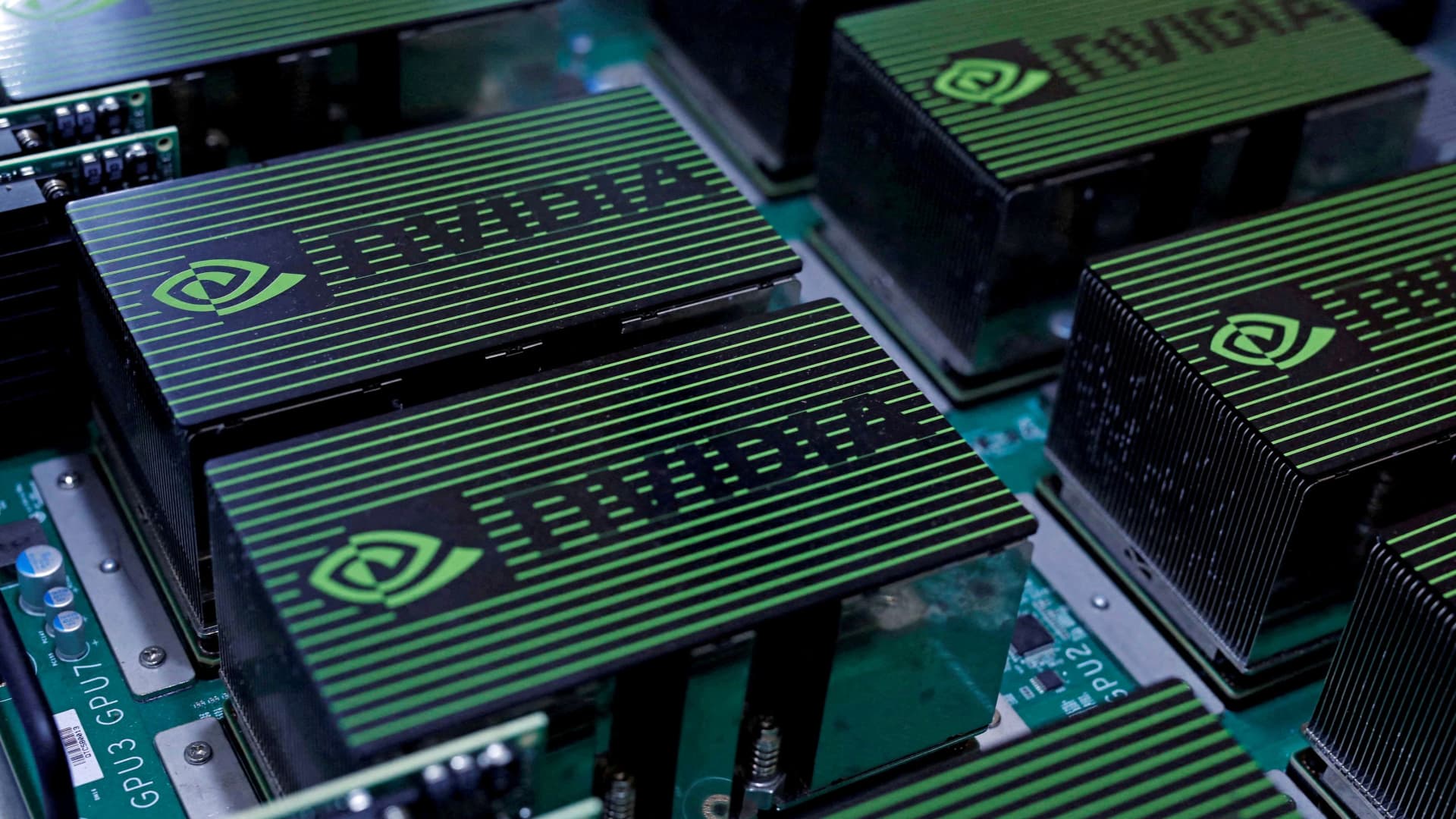
- Nvidia Data Center Potential: Bernstein reiterates Nvidia as outperform, highlighting the enormous and still early datacenter opportunity, which is expected to provide significant upside, reflecting optimism in tech stocks.
- Quanta Services Rating Upgrade: Oppenheimer upgrades Quanta Services from perform to outperform with an $800 price target, indicating strong growth potential in the coming years, particularly in adjusted EBITDA expectations.
See More
Micron Technology to Hold Q3 Earnings Call
- Earnings Call Announcement: Micron Technology has announced it will hold its fiscal Q3 earnings conference call on June 24, 2026, at 2:30 PM Mountain Time, aimed at providing investors and analysts with updates on financial performance and business developments.
- Live Webcast and Replay: The call will be webcast live on Micron's Investor Relations website, with replays available for approximately one year post-call, ensuring that investors who cannot attend live can still access the information.
- Company Overview: Micron Technology is an industry leader in innovative memory and storage solutions, focusing on high-performance DRAM, NAND, and NOR memory products, driving advancements in the data economy and supporting progress in AI and compute-intensive applications.
- Technological and Market Impact: Micron's technological innovations not only enhance customer experiences but also create new opportunities across data centers and intelligent edge applications, underscoring its significant position in the rapidly evolving tech market.
See More
Micron Technology Leads AI Infrastructure Revolution
- Market Demand Shift: Micron Technology's significant growth over the past year indicates that memory chip demand is no longer constrained by traditional cyclical fluctuations, particularly as AI infrastructure demand rises, enhancing the company's position in the semiconductor industry.
- Long-Term Contract Advantage: To meet hyperscale customer demands, Micron is utilizing long-term agreements that lock in chip supply volumes and partial price protections, ensuring stable revenue streams that reduce inventory write-down risks and enhance capital expenditure planning effectiveness.
- AI-Driven Market Stability: Unlike previous cyclical volatility, the continuous demand for high-bandwidth memory in AI infrastructure provides Micron with a stable demand floor, allowing it to secure a critical position in a competitive market and further solidify its market share.
- Analyst Outlook: UBS analyst Timothy Arcuri raised Micron's price target from $535 to $1,625, indicating strong market confidence in Micron's long-term growth potential in the AI-driven memory market, suggesting that the company's profitability will continue to strengthen in the future.
See More
Micron Technology Stock Soars to $750
- Stock Performance: Micron Technology's stock has surged from approximately $90 to $750 over the past year, reflecting a remarkable increase of over 733%, showcasing its strong performance in the memory chip market and high investor confidence.
- Surging Market Demand: With artificial intelligence driving massive memory capacity needs, Micron anticipates its total addressable market for high-bandwidth memory chips to expand from $35 billion in 2025 to $100 billion by 2028, indicating significant growth potential in the coming years.
- Financial Expectations: Wall Street forecasts a 193% revenue growth for Micron in fiscal year 2026, with a 57% growth expected in fiscal year 2027, which could propel its stock price to $1,850 by the end of fiscal 2027, and potentially exceed $2,000 by the end of 2027.
- Valuation Potential: Despite Micron's current price-to-earnings ratio of 13, the market remains cautious about its valuation; however, if the demand for memory chips continues to rise, Micron could achieve a premium valuation, enhancing its investment appeal.
See More
Micron Anticipates Tripling Market Size by 2028
- Market Size Projection: Micron anticipates its total addressable market for high-bandwidth memory chips will expand from $35 billion in 2025 to $100 billion by 2028, allowing the company to capitalize on elevated memory chip prices amid significant growth.
- Demand and Supply Gap: During its latest earnings call, Micron's management indicated they can currently meet only 50% to 66% of medium-term demand, leading to soaring memory chip prices and highlighting production constraints within the industry.
- Future Growth Forecast: Wall Street expects Micron's revenue to grow by 193% for fiscal year 2026 and 57% for fiscal year 2027, providing a robust foundation for the company's future valuation.
- Valuation Potential: If Micron achieves a 20 times forward P/E ratio in fiscal 2027 and grows earnings at the same rate as revenue (57%), its stock price could reach $1,850 by the end of fiscal 2027, with a potential to exceed $2,000 by the end of 2027, indicating strong investment potential.
See More
Micron and Other Tech Firms See Price Target Increases
- Price Target Increases: Mizuho Securities raised Micron Technology's price target from $800 to $1,150, reflecting strong confidence in its future growth, particularly against the backdrop of robust AI-driven DRAM demand.
- Strong Demand: The firm anticipates that demand for dynamic random access memory will remain strong through 2027, especially as Nvidia's Vera Rubin boasts three times the LPDDR5 content compared to Grace, further propelling market growth.
- Market Potential: The total addressable market for high bandwidth memory is expected to grow by 90% between 2025 and 2028, driven by favorable content and pricing factors, indicating strong growth prospects in the coming years.
- Sustained NAND Demand: Mizuho noted that NAND demand has not slowed, with eSSD/KV Cache expected to tighten by 2027, indicating ongoing market demand for high-performance storage solutions.
See More
Key Wall Street Ratings Updates for Thursday
- Tesla Robotaxi Expansion: Morgan Stanley reiterates Tesla as equal weight, noting survey checks indicate increased hiring of 'AI Safety Operators' in northern metro areas, suggesting Tesla is gearing up for robotaxi operations expansion, which could enhance future revenues.
- National Health Properties Outlook: Citizens initiates coverage of National Health Properties as outperform, believing the REIT is enhancing organic growth by increasing exposure to Senior Housing Operating Properties, indicating confidence in the senior living market.
- Nvidia Data Center Potential: Bernstein reiterates Nvidia as outperform, highlighting the enormous and still early datacenter opportunity, which is expected to provide significant upside, reflecting optimism in tech stocks.
- Quanta Services Rating Upgrade: Oppenheimer upgrades Quanta Services from perform to outperform with an $800 price target, indicating strong growth potential in the coming years, particularly in adjusted EBITDA expectations.
See More