

Mercury Systems Q2 Earnings Beat Estimates Despite Loss
Written by Emily J. Thompson, Senior Investment Analyst
Updated: Feb 03 2026
0mins
Should l Buy MRCY?
Source: seekingalpha
- Earnings Beat: Mercury Systems reported adjusted earnings of $0.16 per share for Q2, surpassing the consensus estimate of $0.06, although the company still posted a net loss of $15 million, indicating ongoing profitability challenges.
- Revenue Growth: The company achieved revenue of $233 million in Q2, exceeding Wall Street's expectation of $211.4 million and slightly up from $223 million a year ago, reflecting stable market demand.
- Bookings and Backlog: Q2 bookings totaled $288 million, an 18.6% year-over-year increase, resulting in a book-to-bill ratio of 1.23, with total backlog reaching a record $1.5 billion, indicating strong future revenue potential.
- Cash Flow Status: Operating cash flow was $52 million, down from the prior year, while free cash flow stood at $46 million, reflecting pressure on cash management compared to last year's unusually strong cash generation.
Trade with 70% Backtested Accuracy
Stop guessing "Should I Buy MRCY?" and start using high-conviction signals backed by rigorous historical data.
Sign up today to access powerful investing tools and make smarter, data-driven decisions.
Analyst Views on MRCY
Wall Street analysts forecast MRCY stock price to rise
6 Analyst Rating
4 Buy
1 Hold
1 Sell
Moderate Buy
Current: 74.750

Low
49.00
Averages
81.20
High
102.00
Current: 74.750
Low
49.00
Averages
81.20
High
102.00
About MRCY
Mercury Systems, Inc. is a technology company that delivers mission-critical processing to the edge where signals and data are collected to solve the most pressing aerospace and defense challenges. The Mercury Processing Platform spans the full breadth of signal processing from radio frequency (RF) front end to the human-machine interface to convert data, gathered in remote and hostile environments, into critical decisions. The Company offers products and custom solutions from silicon to system scale, including components, modules, subsystems, and systems. Its products and solutions are deployed for a variety of applications including sensor and radar processing, electronic warfare, avionics, weapons, command, control, communications, and intelligence (C4I). The Company serves United States and European defense prime contractors, the United States government, original equipment manufacturers (OEM) and commercial aerospace companies.
About the author

Emily J. Thompson
Emily J. Thompson, a Chartered Financial Analyst (CFA) with 12 years in investment research, graduated with honors from the Wharton School. Specializing in industrial and technology stocks, she provides in-depth analysis for Intellectia’s earnings and market brief reports.
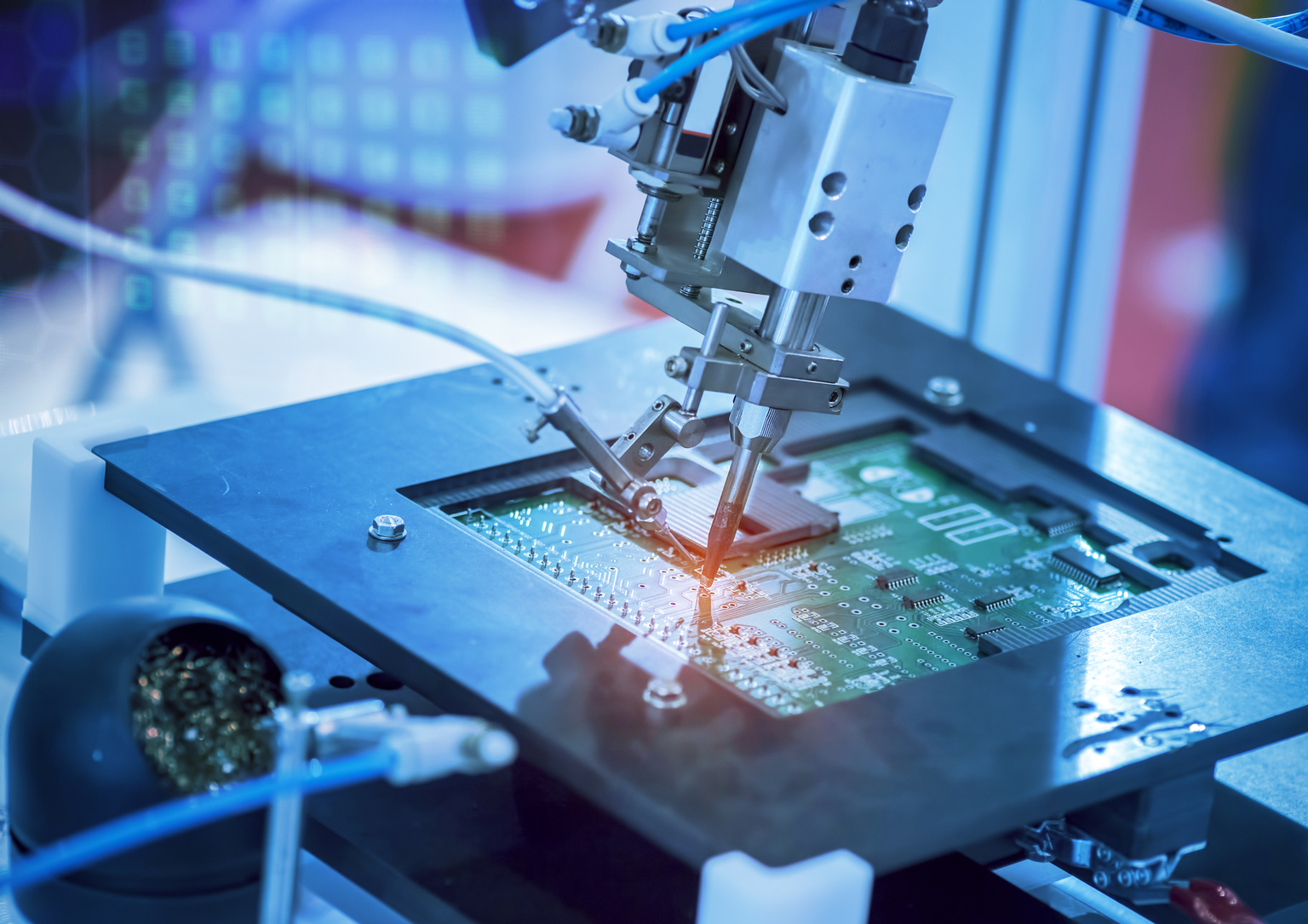
Mercury Systems Secures New Contract from L3Harris for Satellite Data Recorders

- Contract Award: Mercury Systems (MRCY) has secured a new contract with L3Harris Technologies (LHX) to provide solid-state data recorders for a key U.S. missile defense initiative, highlighting the company's critical role in the defense electronics sector.
- Project Context: This contract supports the U.S. Space Development Agency's Tranche 3 Tracking Layer, aimed at establishing a resilient space-based network capable of detecting and tracking advanced missile threats, thereby enhancing U.S. defensive capabilities.
- Technological Edge: Mercury will supply radiation-tolerant solid-state data recorders that capture and preserve mission data in harsh space environments, ensuring long-term data integrity and performance.
- Capacity Expansion: As demand for defense electronics grows, Mercury is expanding its manufacturing capacity and improving operational efficiency to meet needs across multiple domains, including space, air, land, and sea.
See More

Mercury Systems Secures Contract with L3Harris for SSDRs

- Contract Award: Mercury Systems has been awarded a contract by L3Harris to provide solid-state data recorders (SSDRs) for the U.S. Space Development Agency, enhancing its market position in defense and potentially driving future revenue growth.
- Technology Application: Mercury's radiation-tolerant SSDRs will be utilized across all four tranches of tracking layer satellites developed by L3Harris, particularly for the 18 infrared satellites in Tranche 3, thereby improving the U.S. defense capabilities against advanced missile threats.
- Manufacturing Capacity Boost: Mercury is proactively increasing its manufacturing capacity and efficiency to meet the accelerating hardware production demands across all battlefield domains in the U.S., which will help the company maintain its competitive edge in a challenging market.
- Market Impact: The signing of this contract not only showcases Mercury's innovative capabilities in critical technology areas but also positions the company to secure more orders in future defense projects, further solidifying its market share.
See More

Howard Lance's Stock Sale Overview
- Stock Sale Overview: On February 25, 2026, Howard Lance sold 4,832 shares at a weighted average price of $88.98, totaling approximately $430,000, which represented 15% of his direct holdings, indicating his confidence in the market.
- Holding Status: Post-transaction, Lance retains 27,272 shares directly and 9,250 shares indirectly through the Howard L. Lance Revocable Living Trust, reflecting a positive outlook on the company's future.
- Performance Metrics: As of March 24, 2026, Mercury Systems' stock is up 68% year-over-year, although it has decreased from over 100% earlier this year, showcasing strong market performance and competitiveness in the aerospace and defense sectors.
- Acquisition and Growth: Mercury Systems completed its acquisition of SolderMask Inc. in March, which is expected to enhance manufacturing capacity and production rates, further solidifying its industry position, while Q2 bookings increased by 18.6% year-over-year, indicating robust market demand.
See More

Howard L. Lance Sells Mercury Systems Shares
- Transaction Overview: On February 25, 2026, Howard L. Lance sold 4,832 shares of Mercury Systems in an open market transaction valued at approximately $430,000, based on a weighted average sale price of $88.98 per share, indicating his confidence in the company's current stock price.
- Impact on Holdings: This sale represented 15% of Lance's direct holdings, leaving him with 27,272 shares directly and 9,250 shares indirectly held through a revocable trust, demonstrating his ongoing commitment to the company.
- Market Performance Context: As of March 24, 2026, Mercury Systems' stock still boasts a 68% year-over-year return, despite a slight decline from over 100% earlier this year, reflecting the company's strong performance in the aerospace and defense sectors.
- Acquisition and Growth Potential: The recent acquisition of SolderMask Inc. is expected to enhance manufacturing capacity and efficiency, and with a record backlog of $1.5 billion, it underscores the company's growth potential and competitive position in the industry.
See More

13D Management Sells Entire Stake in Asbury Automotive Group


- Stake Change: 13D Management completely divested its position in Asbury Automotive Group in Q4 2025, previously holding shares worth $5.2 million, indicating a cautious outlook on the stock's future performance.
- Asset Allocation Shift: The sale eliminated Asbury's 5% allocation in 13D's assets under management, reflecting a reevaluation of its investment portfolio amidst changing market conditions.
- Market Performance: As of February 16, 2026, Asbury's stock price stood at $229.44, down 24.4% over the past year, significantly underperforming the S&P 500 by 36.2 percentage points, raising concerns about its growth prospects.
- Industry Outlook: While Asbury has shown stable growth over the past two years, rising new vehicle costs and high valuations may pressure demand and margins, prompting 13D Management to seek more attractive investment opportunities.
See More

13D Management Fully Exits Asbury Automotive Stake
- Complete Exit: In Q4 2025, 13D Management sold all 21,337 shares of Asbury Automotive Group, previously valued at $5.2 million, indicating a complete withdrawal that may reflect concerns about market prospects.
- Asset Allocation Shift: Asbury accounted for 5.0% of 13D's reportable assets in Q3, but the complete divestment in Q4 suggests a significant decline in the fund's confidence in the company.
- Market Environment Impact: Although Asbury's price-to-earnings ratio stands at 7, indicating relative cheapness, rising costs of new vehicles and a pullback in consumer spending could pressure future demand and margins, prompting 13D to seek more attractive investment opportunities.
- Investment Advisory Warning: Before considering an investment in Asbury Automotive Group, it is advisable to review the top 10 stocks recommended by The Motley Fool's analyst team, as Asbury was not included, reflecting a cautious market outlook on its future performance.
See More
Mercury Systems Secures New Contract from L3Harris for Satellite Data Recorders
- Contract Award: Mercury Systems (MRCY) has secured a new contract with L3Harris Technologies (LHX) to provide solid-state data recorders for a key U.S. missile defense initiative, highlighting the company's critical role in the defense electronics sector.
- Project Context: This contract supports the U.S. Space Development Agency's Tranche 3 Tracking Layer, aimed at establishing a resilient space-based network capable of detecting and tracking advanced missile threats, thereby enhancing U.S. defensive capabilities.
- Technological Edge: Mercury will supply radiation-tolerant solid-state data recorders that capture and preserve mission data in harsh space environments, ensuring long-term data integrity and performance.
- Capacity Expansion: As demand for defense electronics grows, Mercury is expanding its manufacturing capacity and improving operational efficiency to meet needs across multiple domains, including space, air, land, and sea.
See More
Mercury Systems Secures Contract with L3Harris for SSDRs
- Contract Award: Mercury Systems has been awarded a contract by L3Harris to provide solid-state data recorders (SSDRs) for the U.S. Space Development Agency, enhancing its market position in defense and potentially driving future revenue growth.
- Technology Application: Mercury's radiation-tolerant SSDRs will be utilized across all four tranches of tracking layer satellites developed by L3Harris, particularly for the 18 infrared satellites in Tranche 3, thereby improving the U.S. defense capabilities against advanced missile threats.
- Manufacturing Capacity Boost: Mercury is proactively increasing its manufacturing capacity and efficiency to meet the accelerating hardware production demands across all battlefield domains in the U.S., which will help the company maintain its competitive edge in a challenging market.
- Market Impact: The signing of this contract not only showcases Mercury's innovative capabilities in critical technology areas but also positions the company to secure more orders in future defense projects, further solidifying its market share.
See More
Howard Lance's Stock Sale Overview
- Stock Sale Overview: On February 25, 2026, Howard Lance sold 4,832 shares at a weighted average price of $88.98, totaling approximately $430,000, which represented 15% of his direct holdings, indicating his confidence in the market.
- Holding Status: Post-transaction, Lance retains 27,272 shares directly and 9,250 shares indirectly through the Howard L. Lance Revocable Living Trust, reflecting a positive outlook on the company's future.
- Performance Metrics: As of March 24, 2026, Mercury Systems' stock is up 68% year-over-year, although it has decreased from over 100% earlier this year, showcasing strong market performance and competitiveness in the aerospace and defense sectors.
- Acquisition and Growth: Mercury Systems completed its acquisition of SolderMask Inc. in March, which is expected to enhance manufacturing capacity and production rates, further solidifying its industry position, while Q2 bookings increased by 18.6% year-over-year, indicating robust market demand.
See More
Howard L. Lance Sells Mercury Systems Shares
- Transaction Overview: On February 25, 2026, Howard L. Lance sold 4,832 shares of Mercury Systems in an open market transaction valued at approximately $430,000, based on a weighted average sale price of $88.98 per share, indicating his confidence in the company's current stock price.
- Impact on Holdings: This sale represented 15% of Lance's direct holdings, leaving him with 27,272 shares directly and 9,250 shares indirectly held through a revocable trust, demonstrating his ongoing commitment to the company.
- Market Performance Context: As of March 24, 2026, Mercury Systems' stock still boasts a 68% year-over-year return, despite a slight decline from over 100% earlier this year, reflecting the company's strong performance in the aerospace and defense sectors.
- Acquisition and Growth Potential: The recent acquisition of SolderMask Inc. is expected to enhance manufacturing capacity and efficiency, and with a record backlog of $1.5 billion, it underscores the company's growth potential and competitive position in the industry.
See More
13D Management Sells Entire Stake in Asbury Automotive Group
- Stake Change: 13D Management completely divested its position in Asbury Automotive Group in Q4 2025, previously holding shares worth $5.2 million, indicating a cautious outlook on the stock's future performance.
- Asset Allocation Shift: The sale eliminated Asbury's 5% allocation in 13D's assets under management, reflecting a reevaluation of its investment portfolio amidst changing market conditions.
- Market Performance: As of February 16, 2026, Asbury's stock price stood at $229.44, down 24.4% over the past year, significantly underperforming the S&P 500 by 36.2 percentage points, raising concerns about its growth prospects.
- Industry Outlook: While Asbury has shown stable growth over the past two years, rising new vehicle costs and high valuations may pressure demand and margins, prompting 13D Management to seek more attractive investment opportunities.
See More
13D Management Fully Exits Asbury Automotive Stake
- Complete Exit: In Q4 2025, 13D Management sold all 21,337 shares of Asbury Automotive Group, previously valued at $5.2 million, indicating a complete withdrawal that may reflect concerns about market prospects.
- Asset Allocation Shift: Asbury accounted for 5.0% of 13D's reportable assets in Q3, but the complete divestment in Q4 suggests a significant decline in the fund's confidence in the company.
- Market Environment Impact: Although Asbury's price-to-earnings ratio stands at 7, indicating relative cheapness, rising costs of new vehicles and a pullback in consumer spending could pressure future demand and margins, prompting 13D to seek more attractive investment opportunities.
- Investment Advisory Warning: Before considering an investment in Asbury Automotive Group, it is advisable to review the top 10 stocks recommended by The Motley Fool's analyst team, as Asbury was not included, reflecting a cautious market outlook on its future performance.
See More




