March GL Plans $60 Million Investment for Oil Exploration in Greenland

- Resource Potential: U.S. government studies suggest that the Arctic could hold up to 90 billion barrels of oil and nearly 1,700 trillion cubic feet of natural gas, which, if successfully developed, could have a profound impact on the global energy market.
- Strategic Investment Plan: March GL plans to raise hundreds of millions through an upcoming SPAC merger, with drilling of the first well at Jameson Land set for 2026, budgeting $40 million for the first well and approximately $20 million for the second, demonstrating confidence in future oil and gas markets.
- Geopolitical Implications: As the U.S. seeks to reduce dependence on Russian oil, the development of Greenland's oil resources could inject new supply into U.S. and European markets, potentially altering the current energy landscape.
- Operational Challenges: Due to Greenland's harsh climate, March GL faces delays in transporting equipment, with plans to begin road construction to drilling sites only after thawing in spring, reflecting the complexities of operating in the region.
Trade with 70% Backtested Accuracy
Analyst Views on BP

About BP
About the author

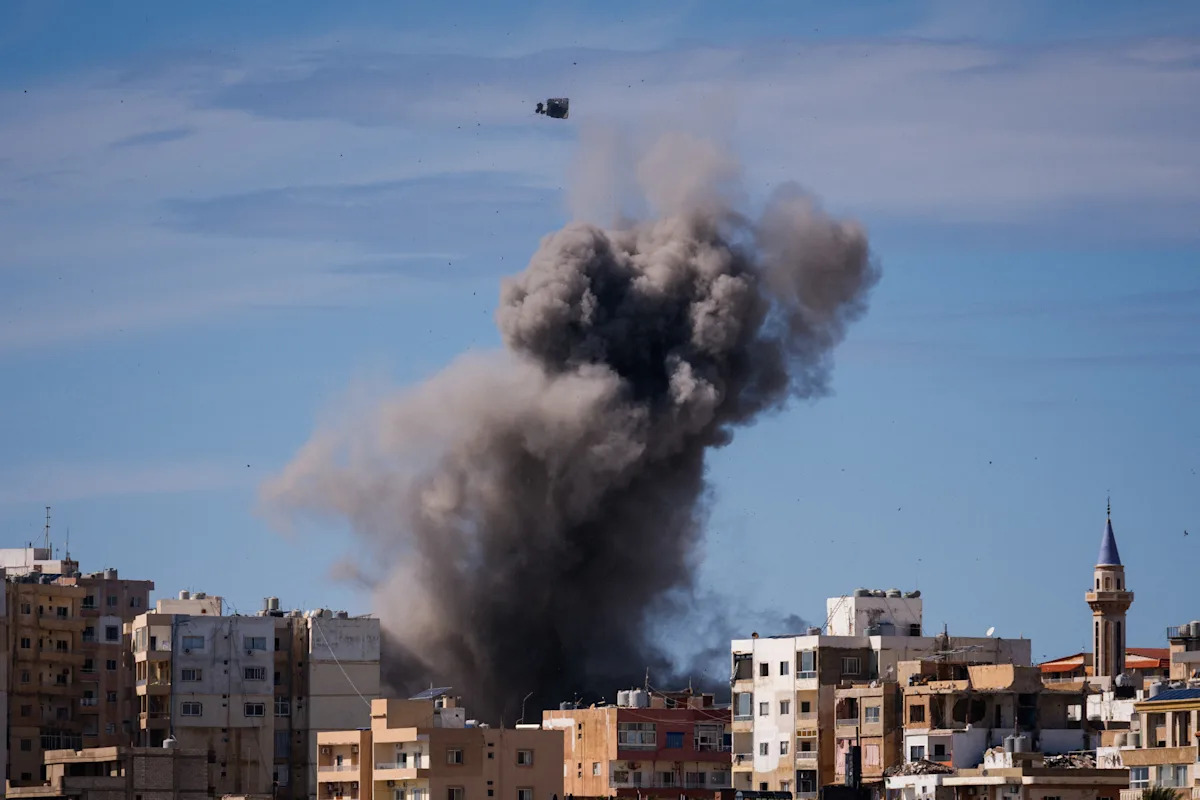
Strait of Hormuz Closure Disrupts Global Oil Market
- Surge in Oil Prices: Since the onset of the Iran war, Brent crude futures have risen approximately 40%, while West Texas Intermediate futures have increased over 30%, indicating heightened market concerns about future supply disruptions that could lead to sustained high prices.
- Historic Disruption: BP's chief economist stated that the closure of the Strait of Hormuz represents the largest disruption in oil market history, with widespread implications that could slow global economic growth, particularly against the backdrop of soaring energy prices, likely influencing policy decisions significantly.
- Supply Chain Restructuring: Analysts suggest that countries will seek to diversify their supply sources to mitigate future crisis impacts, prompting governments and companies to rethink supply chains, inventory buffers, and exposure to geopolitical risks, leading to long-term structural changes in the market.
- Economic Growth Risks: BP's analysis indicates that a 10% rise in oil prices could reduce global economic growth by 0.1% to 0.2%, while the current market's potential 30% to 40% price increase could cut global growth by 1%, posing a significant challenge to economic recovery.
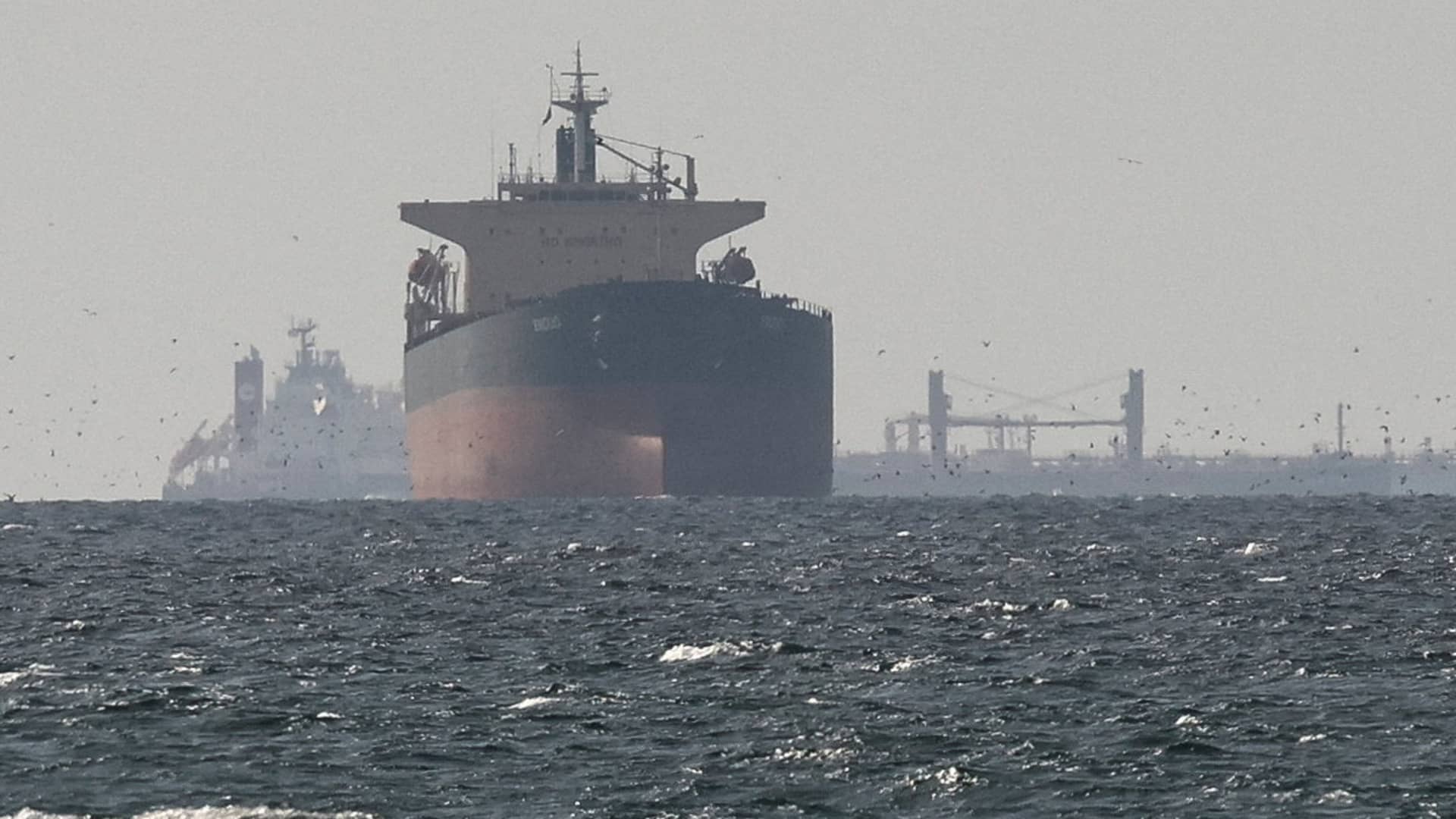
Iran Plans to Impose Tolls on Ships in Strait of Hormuz


- Toll Legislation Plan: Iran is preparing legislation to impose tolls on ships passing through the Strait of Hormuz, aiming to formalize its supervision over the waterway, which could impact the safety and costs of global oil and gas transportation.
- Shipping Traffic Standstill: Since the onset of the U.S.-Israeli conflict with Iran, shipping traffic in the Strait of Hormuz has effectively come to a standstill, leading to supply constraints and pushing oil prices to $165.65 per barrel, exacerbating instability in the global energy market.
- Uncertain Peace Negotiations: Reports indicate that Iran received a 15-point peace plan from U.S. President Trump, but Iranian media claims the proposal has been dismissed, highlighting significant barriers in negotiations to end the conflict.
- Strong Regional Response: Experts assert that Gulf Cooperation Council states, including the UAE, Saudi Arabia, and Oman, will not accept Iran's proposal to establish a toll booth in the Strait of Hormuz, which could escalate regional tensions and affect future energy exports.
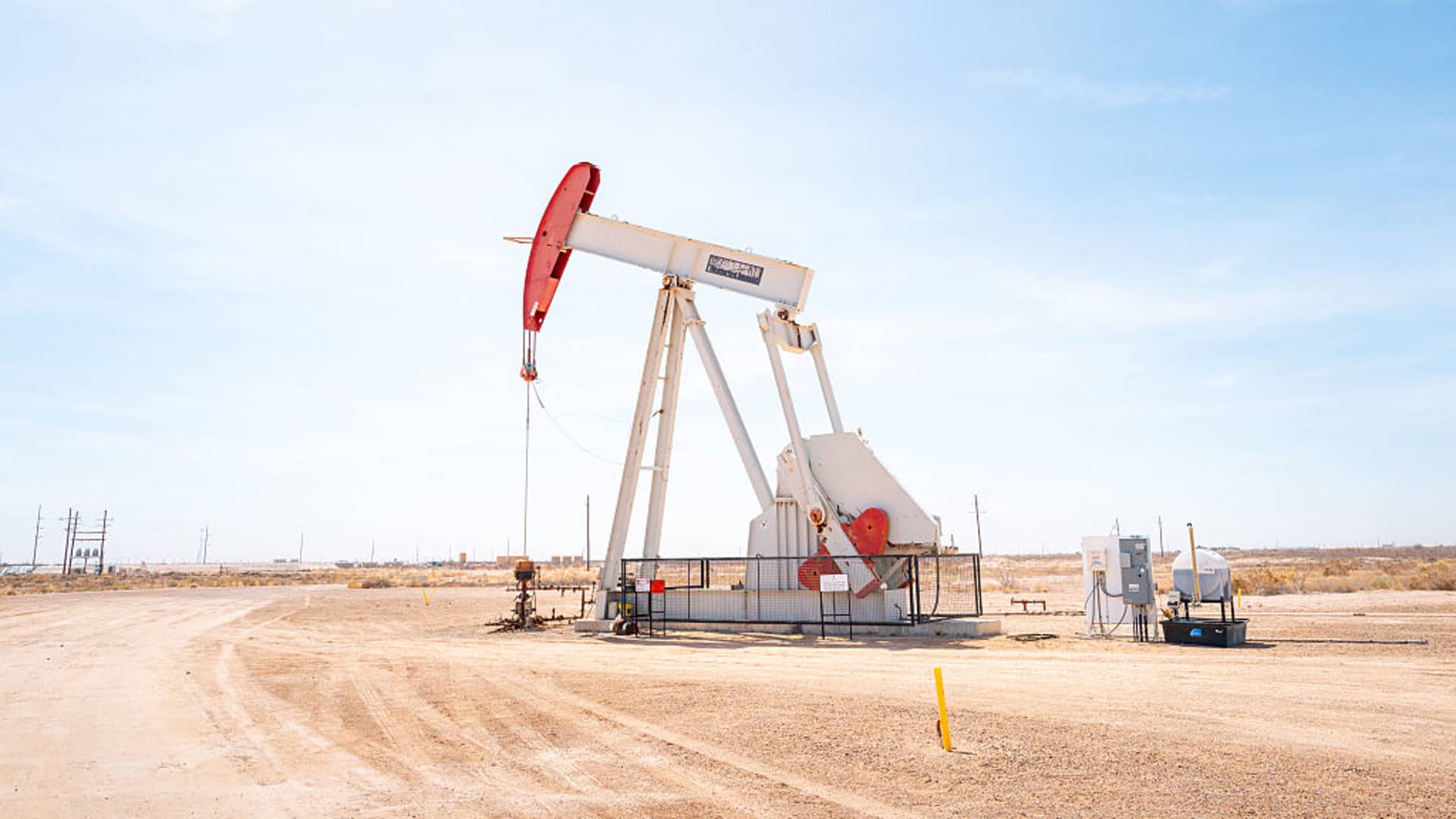
Oil Prices Rise as Iran Rejects US Negotiations
- Oil Price Increase: International benchmark Brent crude futures rose by 1.21% to $103.46 per barrel, while U.S. West Texas Intermediate futures climbed 1.35% to $91.54 per barrel, reflecting market sensitivity to geopolitical tensions.
- Iran Rejects Negotiations: Iranian Foreign Minister Abbas Araghchi stated that despite the U.S. ceasefire proposal, Iran would reject direct talks with the U.S., emphasizing that exchanges through mediators do not equate to negotiations, which may heighten market uncertainty.
- Tense U.S.-Iran Relations: Trump claimed that the U.S. and Iran are negotiating, suggesting Tehran is eager for a deal, yet Iran denied any direct negotiations, highlighting a clear divergence in accounts that could impact future oil price trends.
- Fed Policy Expectations: Analysts at TD Securities noted that despite the oil price shock, the Federal Reserve is unlikely to respond aggressively, suggesting a

IRAN STICKS TO HARDLINE POSITION—WAR WILL PERSIST, DISMISSES U.S. TIMELINE, RESPONDS COLDLY TO PROPOSAL, AND ASSERTS SOVEREIGNTY OVER THE STRAIT OF HORMUZ.


Iran's Stance on War: Iran maintains a hardline stance regarding ongoing conflicts, indicating that war will continue despite external pressures.
Rejection of U.S. Proposals: The Iranian government has rejected the U.S. timeline for negotiations and proposals related to regional security.
Response to U.S. Actions: Iran's leadership has issued a lukewarm response to U.S. proposals, signaling a lack of interest in compromise.
Demand for Sovereignty: Iran emphasizes its demand for sovereignty over the Strait of Hormuz, asserting its rights in the region amidst international tensions.
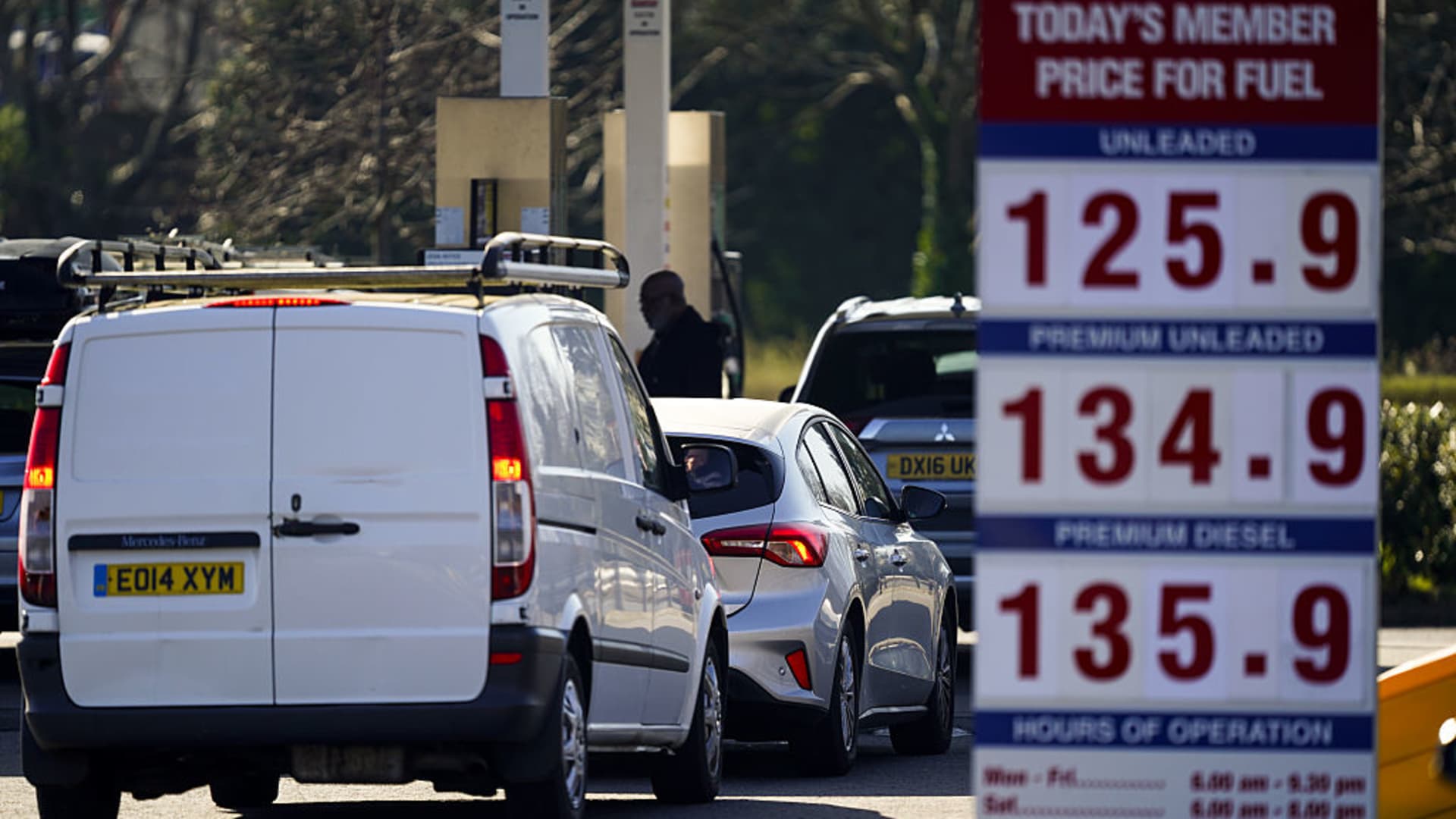
UK Inflation Holds at 3% Amid Soaring Energy Prices

- Stable Inflation Rate: The UK's inflation rate held steady at 3% in February according to the Office for National Statistics, reflecting potential economic impacts from the impending Middle East conflict despite economists' expectations of stability.
- Core Inflation Increase: Core inflation rose to 3.2% from 3.1% in January, driven primarily by rising clothing prices, although petrol costs fell prior to the conflict, indicating persistent price pressures on consumers.
- Energy Price Impact: The ongoing blockade of the Strait of Hormuz has led to soaring global energy prices, with the UK's heavy reliance on oil and gas imports exposing it to significant economic strain, and inflation is expected to rise further in the coming months.
- Central Bank Policy Dilemma: The Bank of England faces a dilemma regarding interest rate adjustments; while inflation expectations have risen, economists suggest that the likelihood of rate hikes is diminished due to a weaker labor market, potentially keeping rates at 3.75%.
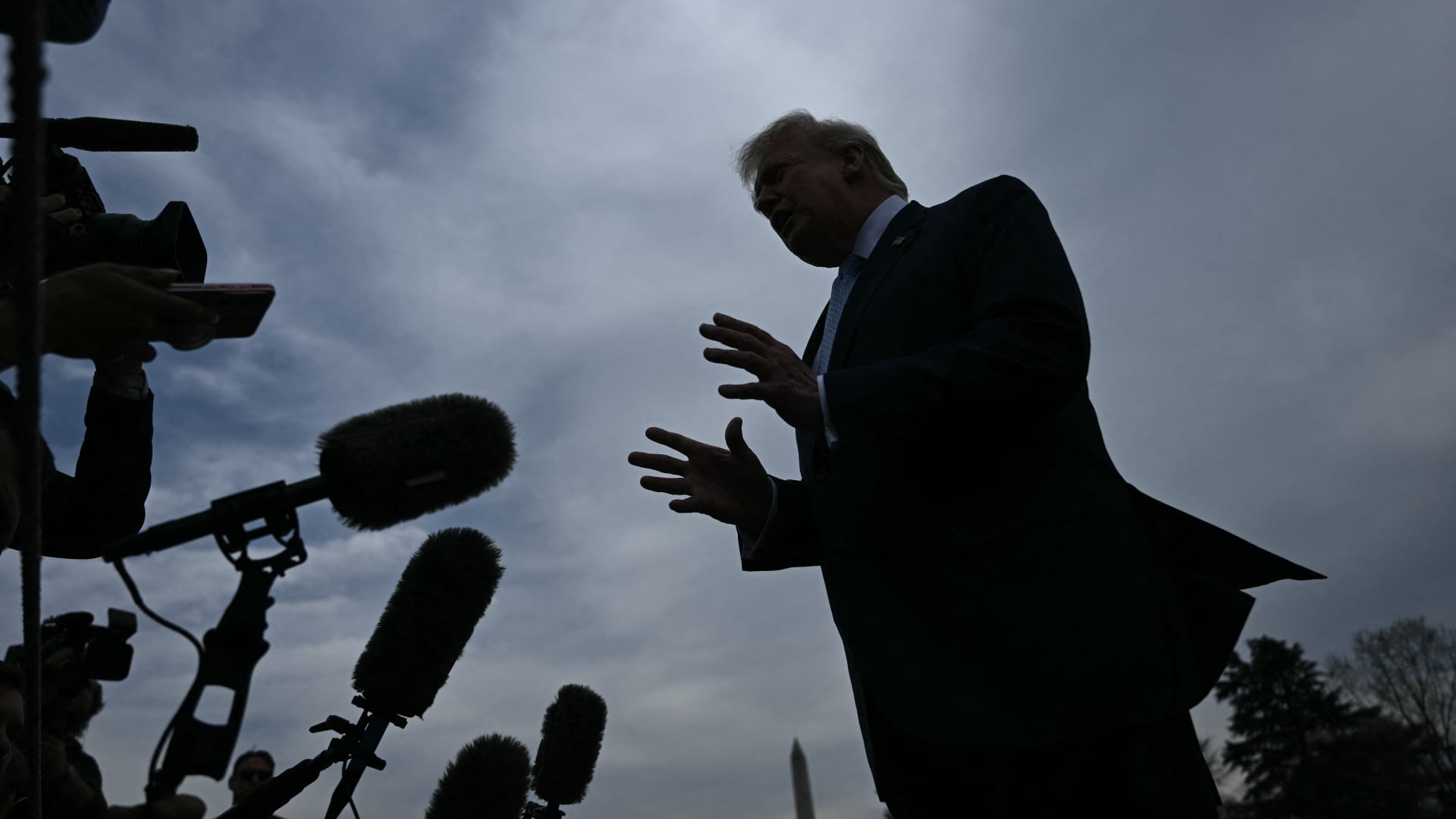
Trump's 15-Point Peace Plan Sparks Market Optimism

- Peace Plan Overview: President Trump's proposed 15-point peace plan aims to address the ongoing conflicts in Iran and the Middle East, and while details remain unclear, the market is optimistic, viewing it as a potential signal for de-escalation.
- Negotiation Dynamics: Trump reiterated that the U.S. is in negotiations with Iran, despite Tehran denying direct talks with Washington, creating a contradictory narrative that raises market concerns about future developments.
- Market Reaction: Following the announcement of Trump's peace plan, Asian stock markets surged, particularly in South Korea, while European indices are also expected to open higher, reflecting investor expectations for improved geopolitical conditions.
- Corporate Moves: Meta is granting stock options to key leaders to retain talent amid increasing pressure in the artificial intelligence sector, although CEO Mark Zuckerberg is not included in this plan, indicating potential implications for the company's long-term strategic direction.
Strait of Hormuz Closure Disrupts Global Oil Market
- Surge in Oil Prices: Since the onset of the Iran war, Brent crude futures have risen approximately 40%, while West Texas Intermediate futures have increased over 30%, indicating heightened market concerns about future supply disruptions that could lead to sustained high prices.
- Historic Disruption: BP's chief economist stated that the closure of the Strait of Hormuz represents the largest disruption in oil market history, with widespread implications that could slow global economic growth, particularly against the backdrop of soaring energy prices, likely influencing policy decisions significantly.
- Supply Chain Restructuring: Analysts suggest that countries will seek to diversify their supply sources to mitigate future crisis impacts, prompting governments and companies to rethink supply chains, inventory buffers, and exposure to geopolitical risks, leading to long-term structural changes in the market.
- Economic Growth Risks: BP's analysis indicates that a 10% rise in oil prices could reduce global economic growth by 0.1% to 0.2%, while the current market's potential 30% to 40% price increase could cut global growth by 1%, posing a significant challenge to economic recovery.
Iran Plans to Impose Tolls on Ships in Strait of Hormuz
- Toll Legislation Plan: Iran is preparing legislation to impose tolls on ships passing through the Strait of Hormuz, aiming to formalize its supervision over the waterway, which could impact the safety and costs of global oil and gas transportation.
- Shipping Traffic Standstill: Since the onset of the U.S.-Israeli conflict with Iran, shipping traffic in the Strait of Hormuz has effectively come to a standstill, leading to supply constraints and pushing oil prices to $165.65 per barrel, exacerbating instability in the global energy market.
- Uncertain Peace Negotiations: Reports indicate that Iran received a 15-point peace plan from U.S. President Trump, but Iranian media claims the proposal has been dismissed, highlighting significant barriers in negotiations to end the conflict.
- Strong Regional Response: Experts assert that Gulf Cooperation Council states, including the UAE, Saudi Arabia, and Oman, will not accept Iran's proposal to establish a toll booth in the Strait of Hormuz, which could escalate regional tensions and affect future energy exports.
Oil Prices Rise as Iran Rejects US Negotiations
- Oil Price Increase: International benchmark Brent crude futures rose by 1.21% to $103.46 per barrel, while U.S. West Texas Intermediate futures climbed 1.35% to $91.54 per barrel, reflecting market sensitivity to geopolitical tensions.
- Iran Rejects Negotiations: Iranian Foreign Minister Abbas Araghchi stated that despite the U.S. ceasefire proposal, Iran would reject direct talks with the U.S., emphasizing that exchanges through mediators do not equate to negotiations, which may heighten market uncertainty.
- Tense U.S.-Iran Relations: Trump claimed that the U.S. and Iran are negotiating, suggesting Tehran is eager for a deal, yet Iran denied any direct negotiations, highlighting a clear divergence in accounts that could impact future oil price trends.
- Fed Policy Expectations: Analysts at TD Securities noted that despite the oil price shock, the Federal Reserve is unlikely to respond aggressively, suggesting a
IRAN STICKS TO HARDLINE POSITION—WAR WILL PERSIST, DISMISSES U.S. TIMELINE, RESPONDS COLDLY TO PROPOSAL, AND ASSERTS SOVEREIGNTY OVER THE STRAIT OF HORMUZ.
Iran's Stance on War: Iran maintains a hardline stance regarding ongoing conflicts, indicating that war will continue despite external pressures.
Rejection of U.S. Proposals: The Iranian government has rejected the U.S. timeline for negotiations and proposals related to regional security.
Response to U.S. Actions: Iran's leadership has issued a lukewarm response to U.S. proposals, signaling a lack of interest in compromise.
Demand for Sovereignty: Iran emphasizes its demand for sovereignty over the Strait of Hormuz, asserting its rights in the region amidst international tensions.
UK Inflation Holds at 3% Amid Soaring Energy Prices
- Stable Inflation Rate: The UK's inflation rate held steady at 3% in February according to the Office for National Statistics, reflecting potential economic impacts from the impending Middle East conflict despite economists' expectations of stability.
- Core Inflation Increase: Core inflation rose to 3.2% from 3.1% in January, driven primarily by rising clothing prices, although petrol costs fell prior to the conflict, indicating persistent price pressures on consumers.
- Energy Price Impact: The ongoing blockade of the Strait of Hormuz has led to soaring global energy prices, with the UK's heavy reliance on oil and gas imports exposing it to significant economic strain, and inflation is expected to rise further in the coming months.
- Central Bank Policy Dilemma: The Bank of England faces a dilemma regarding interest rate adjustments; while inflation expectations have risen, economists suggest that the likelihood of rate hikes is diminished due to a weaker labor market, potentially keeping rates at 3.75%.
Trump's 15-Point Peace Plan Sparks Market Optimism
- Peace Plan Overview: President Trump's proposed 15-point peace plan aims to address the ongoing conflicts in Iran and the Middle East, and while details remain unclear, the market is optimistic, viewing it as a potential signal for de-escalation.
- Negotiation Dynamics: Trump reiterated that the U.S. is in negotiations with Iran, despite Tehran denying direct talks with Washington, creating a contradictory narrative that raises market concerns about future developments.
- Market Reaction: Following the announcement of Trump's peace plan, Asian stock markets surged, particularly in South Korea, while European indices are also expected to open higher, reflecting investor expectations for improved geopolitical conditions.
- Corporate Moves: Meta is granting stock options to key leaders to retain talent amid increasing pressure in the artificial intelligence sector, although CEO Mark Zuckerberg is not included in this plan, indicating potential implications for the company's long-term strategic direction.