Lyft's Q4 Earnings Miss Expectations, Shares Plunge
Written by Emily J. Thompson, Senior Investment Analyst
Updated: Feb 11 2026
0mins

Should l Buy LYFT?
Source: stocktwits
- Earnings Report Disappointment: Lyft's Q4 adjusted core profit rose 37% year-over-year to $154.1 million, exceeding analyst expectations of $147.72 million; however, revenue of $1.6 billion fell short of Wall Street's $1.76 billion forecast, indicating challenges in a competitive market.
- Analyst Downgrades: BofA cut Lyft's price target from $19 to $17 while maintaining an ‘Underperform’ rating, citing a Q4 rides miss and a lowered Q1 EBITDA outlook, which underscores an increasingly competitive environment.
- Severe Market Reaction: Lyft's shares plummeted 16% following the earnings report, reflecting investor concerns about the company's future growth prospects, particularly under pressure from competitors like Uber, which is growing faster in the rideshare market.
- Uncertain Future Outlook: Although Lyft anticipates gross bookings to increase by 17% to 20% year-over-year in the current quarter, analysts remain skeptical about its long-term targets, suggesting significant challenges in achieving sustainable growth.
Trade with 70% Backtested Accuracy
Stop guessing "Should I Buy LYFT?" and start using high-conviction signals backed by rigorous historical data.
Sign up today to access powerful investing tools and make smarter, data-driven decisions.
Analyst Views on LYFT
Wall Street analysts forecast LYFT stock price to rise
29 Analyst Rating
7 Buy
20 Hold
2 Sell
Hold
Current: 13.290

Low
16.00
Averages
24.06
High
32.00
Current: 13.290
Low
16.00
Averages
24.06
High
32.00
About LYFT
Lyft, Inc. is a global mobility platform offering rideshare, taxis, private hire vehicles, car sharing, bikes, and scooters across North America and Europe. It operates across 11 countries and in nearly 1,000 cities, and Lyft Urban Solutions supports bike sharing in 16 countries and more than 86 cities. Its Lyft mobile application (the Lyft App) connects riders with drivers for on-demand ride services and supports a variety of other multimodal mobility solutions. Its offerings on the Lyft App include an expanded set of transportation modes in select cities, such as access to a network of shared bikes and scooters (Light Vehicles) for shorter rides and first-mile and last-mile legs of multimodal trips. FREENOW by Lyft is the European taxi app featuring broad multi-mobility options. Through FREENOW, passengers can access various mobility services within a single app, including taxis, private hire vehicles, car sharing, car rental, e-scooters, e-bikes, e-mopeds, and public transport.
About the author

Emily J. Thompson
Emily J. Thompson, a Chartered Financial Analyst (CFA) with 12 years in investment research, graduated with honors from the Wharton School. Specializing in industrial and technology stocks, she provides in-depth analysis for Intellectia’s earnings and market brief reports.
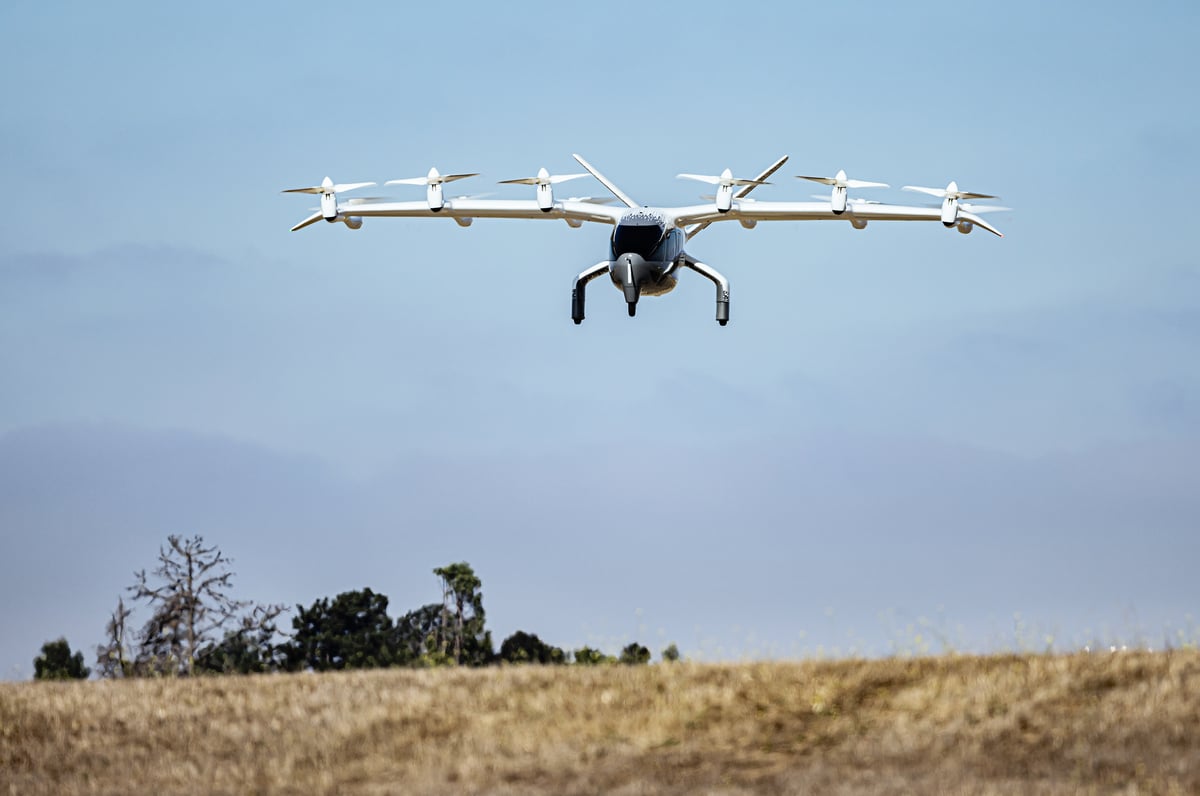
Archer Aviation's Ambitious eVTOL Vision Faces Challenges


- Market Potential: Archer Aviation's electric vertical takeoff and landing (eVTOL) aircraft could evolve into a fleet of thousands of flying taxis, with Morgan Stanley estimating the urban air mobility market could reach $9 trillion by 2050, highlighting its commercial potential.
- Regulatory Approval Pending: Although Archer has been selected for the White House's eVTOL Integration Pilot Program in Texas, Florida, and New York to aid in obtaining regulatory approval for commercial flights, it still lacks the necessary permissions, limiting its market entry.
- Financial Challenges: With a market cap of approximately $3.7 billion and a claimed backlog of $6 billion, Archer faces significant financial strain due to ongoing net losses and high cash burn from infrastructure development, raising concerns about its sustainability.
- Competitive Pressure: To dominate the global eVTOL market, Archer must surpass competitors like Joby Aviation; while the market potential is vast, the likelihood of achieving a 100-fold growth seems low, with more realistic projections suggesting a 10 to 20-fold increase over the next decade.
See More

Micron Technology Reports Blowout Earnings, Stock Reaction Muted


- Impressive Earnings: Micron Technology's latest earnings report revealed quarterly revenue nearing $24 billion, nearly tripling year-over-year and exceeding market expectations by nearly $4 billion; however, the stock fell about 2.8%, indicating market caution regarding future growth.
- Doubling Gross Margin: The company's gross margin doubled year-over-year to approximately 74%, an extraordinary feat for a mature company, reflecting significant pricing power amid surging demand for AI infrastructure.
- Strong Guidance: Micron's revenue guidance for the current quarter is set at $33.5 billion, well above analysts' expectations of $24.3 billion, suggesting a nearly 50% gross margin and indicating continued benefits from the AI investment surge.
- Strategic Customer Agreements: Micron is entering into long-term strategic agreements with customers, marking its first five-year contracts, which will provide greater business predictability and could alter the cyclical nature of the memory chip industry.
See More

Micron Technologies Surpasses Earnings Expectations Amid AI Demand Surge
- Impressive Earnings: Micron Technologies reported nearly $24 billion in revenue for the latest quarter, nearly tripling year-over-year and exceeding market expectations by approximately $4 billion, with gross margins doubling to 74%, reflecting strong market demand and pricing power.
- Strong Future Guidance: The company guided for $33.5 billion in revenue for the upcoming quarter, significantly above analysts' expectations of $24.3 billion, indicating robust confidence in AI infrastructure investments that could drive sustained future growth.
- Strategic Customer Agreements: Micron is entering long-term strategic agreements with customers, including its first five-year contract, enhancing visibility into future business and potentially altering the cyclical nature of the memory market, thereby boosting the company's competitive edge.
- Cautious Market Reaction: Despite the strong earnings report, Micron's stock fell by 2.8%, partly due to market concerns over potential Fed interest rate hikes and geopolitical tensions in the Middle East, reflecting investor caution regarding future demand.
See More

Baidu's Apollo Go Faces System Malfunction Incident

- System Malfunction Incident: In Wuhan, Baidu's Apollo Go robotaxis stalled mid-traffic due to system malfunctions, trapping passengers and causing multiple traffic collisions, highlighting the potential risks of autonomous driving technology in real-world applications.
- Passenger Safety Assurance: Despite the malfunction, local traffic police confirmed that passengers safely exited the vehicles, indicating emergency response capabilities during crises, yet the incident remains under investigation, potentially affecting public trust in driverless technology.
- Competitive Market Pressure: With over 1,000 vehicles deployed in China, Apollo Go faces fierce competition from rivals like WeRide and Pony.AI, which could impact its market share and future investment attractiveness.
- International Expansion Challenges: Although Apollo Go is testing in multiple international cities and partnering with Uber and Lyft, this incident may negatively affect its reputation in overseas markets, particularly for its autonomous services in Abu Dhabi and Dubai.
See More

Grab Raises Singapore Fuel Surcharges Amid Cost Pressures


- Fuel Surcharge Adjustment: Grab has announced an increase in fuel surcharges in Singapore to address rising fuel costs, aiming to alleviate margin pressure, although this move risks impacting rider demand and faces regulatory scrutiny.
- Surge in Trading Volume: The company's stock saw a trading volume of 59 million shares on Tuesday, nearly 23% above the three-month average of 48 million shares, indicating investor interest in Grab's future strategies.
- Stock Price Rebound: Grab's stock rose by 3.68% to close at $3.66, reflecting a positive market reaction to its strategic adjustments, despite the stock being down 69% since its IPO in 2020.
- Confidence in Buyback Plan: The planned $400 million share buyback signals management's confidence in the company's future, potentially further supporting its valuation amidst intense market competition.
See More

Grab Raises Singapore Fuel Surcharges to Offset Costs Amid Regulatory Scrutiny
- Stock Price Increase: Grab's stock closed at $3.66 on Tuesday, up 3.68%, with a trading volume of 59 million shares, nearly 23% above its three-month average, indicating investor interest in the company's new strategy.
- Fuel Surcharge Adjustment: Grab announced it will raise fuel surcharges in Singapore to offset rising fuel costs, a move that may impact rider demand while facing regulatory and competitive pressures, highlighting the tension between margin support and market stability.
- Confidence in Buyback Plan: The company plans a $400 million share buyback, signaling management's confidence in future performance, which is expected to further support valuation despite the stock's 69% decline since its IPO.
- Market Performance Comparison: While Grab's stock has underperformed, competitors Uber and Lyft saw stock increases of 2.89% and 5.14% respectively, demonstrating varying market reactions, prompting investors to carefully assess Grab's investment value.
See More
Archer Aviation's Ambitious eVTOL Vision Faces Challenges
- Market Potential: Archer Aviation's electric vertical takeoff and landing (eVTOL) aircraft could evolve into a fleet of thousands of flying taxis, with Morgan Stanley estimating the urban air mobility market could reach $9 trillion by 2050, highlighting its commercial potential.
- Regulatory Approval Pending: Although Archer has been selected for the White House's eVTOL Integration Pilot Program in Texas, Florida, and New York to aid in obtaining regulatory approval for commercial flights, it still lacks the necessary permissions, limiting its market entry.
- Financial Challenges: With a market cap of approximately $3.7 billion and a claimed backlog of $6 billion, Archer faces significant financial strain due to ongoing net losses and high cash burn from infrastructure development, raising concerns about its sustainability.
- Competitive Pressure: To dominate the global eVTOL market, Archer must surpass competitors like Joby Aviation; while the market potential is vast, the likelihood of achieving a 100-fold growth seems low, with more realistic projections suggesting a 10 to 20-fold increase over the next decade.
See More
Micron Technology Reports Blowout Earnings, Stock Reaction Muted
- Impressive Earnings: Micron Technology's latest earnings report revealed quarterly revenue nearing $24 billion, nearly tripling year-over-year and exceeding market expectations by nearly $4 billion; however, the stock fell about 2.8%, indicating market caution regarding future growth.
- Doubling Gross Margin: The company's gross margin doubled year-over-year to approximately 74%, an extraordinary feat for a mature company, reflecting significant pricing power amid surging demand for AI infrastructure.
- Strong Guidance: Micron's revenue guidance for the current quarter is set at $33.5 billion, well above analysts' expectations of $24.3 billion, suggesting a nearly 50% gross margin and indicating continued benefits from the AI investment surge.
- Strategic Customer Agreements: Micron is entering into long-term strategic agreements with customers, marking its first five-year contracts, which will provide greater business predictability and could alter the cyclical nature of the memory chip industry.
See More
Micron Technologies Surpasses Earnings Expectations Amid AI Demand Surge
- Impressive Earnings: Micron Technologies reported nearly $24 billion in revenue for the latest quarter, nearly tripling year-over-year and exceeding market expectations by approximately $4 billion, with gross margins doubling to 74%, reflecting strong market demand and pricing power.
- Strong Future Guidance: The company guided for $33.5 billion in revenue for the upcoming quarter, significantly above analysts' expectations of $24.3 billion, indicating robust confidence in AI infrastructure investments that could drive sustained future growth.
- Strategic Customer Agreements: Micron is entering long-term strategic agreements with customers, including its first five-year contract, enhancing visibility into future business and potentially altering the cyclical nature of the memory market, thereby boosting the company's competitive edge.
- Cautious Market Reaction: Despite the strong earnings report, Micron's stock fell by 2.8%, partly due to market concerns over potential Fed interest rate hikes and geopolitical tensions in the Middle East, reflecting investor caution regarding future demand.
See More
Baidu's Apollo Go Faces System Malfunction Incident
- System Malfunction Incident: In Wuhan, Baidu's Apollo Go robotaxis stalled mid-traffic due to system malfunctions, trapping passengers and causing multiple traffic collisions, highlighting the potential risks of autonomous driving technology in real-world applications.
- Passenger Safety Assurance: Despite the malfunction, local traffic police confirmed that passengers safely exited the vehicles, indicating emergency response capabilities during crises, yet the incident remains under investigation, potentially affecting public trust in driverless technology.
- Competitive Market Pressure: With over 1,000 vehicles deployed in China, Apollo Go faces fierce competition from rivals like WeRide and Pony.AI, which could impact its market share and future investment attractiveness.
- International Expansion Challenges: Although Apollo Go is testing in multiple international cities and partnering with Uber and Lyft, this incident may negatively affect its reputation in overseas markets, particularly for its autonomous services in Abu Dhabi and Dubai.
See More
Grab Raises Singapore Fuel Surcharges Amid Cost Pressures
- Fuel Surcharge Adjustment: Grab has announced an increase in fuel surcharges in Singapore to address rising fuel costs, aiming to alleviate margin pressure, although this move risks impacting rider demand and faces regulatory scrutiny.
- Surge in Trading Volume: The company's stock saw a trading volume of 59 million shares on Tuesday, nearly 23% above the three-month average of 48 million shares, indicating investor interest in Grab's future strategies.
- Stock Price Rebound: Grab's stock rose by 3.68% to close at $3.66, reflecting a positive market reaction to its strategic adjustments, despite the stock being down 69% since its IPO in 2020.
- Confidence in Buyback Plan: The planned $400 million share buyback signals management's confidence in the company's future, potentially further supporting its valuation amidst intense market competition.
See More
Grab Raises Singapore Fuel Surcharges to Offset Costs Amid Regulatory Scrutiny
- Stock Price Increase: Grab's stock closed at $3.66 on Tuesday, up 3.68%, with a trading volume of 59 million shares, nearly 23% above its three-month average, indicating investor interest in the company's new strategy.
- Fuel Surcharge Adjustment: Grab announced it will raise fuel surcharges in Singapore to offset rising fuel costs, a move that may impact rider demand while facing regulatory and competitive pressures, highlighting the tension between margin support and market stability.
- Confidence in Buyback Plan: The company plans a $400 million share buyback, signaling management's confidence in future performance, which is expected to further support valuation despite the stock's 69% decline since its IPO.
- Market Performance Comparison: While Grab's stock has underperformed, competitors Uber and Lyft saw stock increases of 2.89% and 5.14% respectively, demonstrating varying market reactions, prompting investors to carefully assess Grab's investment value.
See More