Lockheed Martin Announces Q1 2026 Dividend
Written by Emily J. Thompson, Senior Investment Analyst
Updated: Feb 06 2026
0mins
Should l Buy LMT?
Source: PRnewswire
- Dividend Announcement: Lockheed Martin's board has authorized a Q1 2026 dividend of $3.45 per share, payable on March 27, 2026, reflecting the company's commitment to shareholder returns amid strong earnings.
- Record Date: The record date for the dividend is set for March 2, 2026, ensuring that investors holding shares by this date will receive the dividend, which enhances investor confidence in the company's stability.
- Capital Allocation Strategy: The company is significantly increasing investments while maintaining a disciplined and dynamic approach to capital allocation, indicating its ability to balance growth and returns, which boosts market expectations for future performance.
- Innovation Focus: As a global defense technology company, Lockheed Martin is dedicated to driving innovation and scientific discovery, with its all-domain mission solutions and 21st Century Security® vision accelerating the delivery of transformative technologies to keep clients ahead of the curve.
Trade with 70% Backtested Accuracy
Stop guessing "Should I Buy LMT?" and start using high-conviction signals backed by rigorous historical data.
Sign up today to access powerful investing tools and make smarter, data-driven decisions.
Analyst Views on LMT
Wall Street analysts forecast LMT stock price to fall
12 Analyst Rating
4 Buy
7 Hold
1 Sell
Hold
Current: 617.640

Low
430.00
Averages
535.50
High
605.00
Current: 617.640
Low
430.00
Averages
535.50
High
605.00
About LMT
Lockheed Martin Corporation is a global aerospace and defense company. The Company is engaged in the research, design, development, manufacture, integration and sustainment of advanced technology systems, products and services. Its segments include Aeronautics, Missiles and Fire Control (MFC), Rotary and Mission Systems (RMS) and Space. Aeronautics segment is engaged in the research, design, development, manufacture, integration, sustainment, support and upgrade of advanced military aircraft. MFC segment provides air and missile defense systems, manned and unmanned ground vehicles, energy management solutions, and others. RMS segment designs, manufactures, services and supports various military and commercial helicopters, surface ships, sea and land-based missile defense systems, and others. Its Space segment is engaged in the research and design, development, engineering and production of satellites, space transportation systems, and strategic, advanced strike, and defensive systems.
About the author

Emily J. Thompson
Emily J. Thompson, a Chartered Financial Analyst (CFA) with 12 years in investment research, graduated with honors from the Wharton School. Specializing in industrial and technology stocks, she provides in-depth analysis for Intellectia’s earnings and market brief reports.

Lockheed Martin's Optimistic Future Outlook

- Defense Spending Surge: Global defense spending rose to $2.63 trillion in 2024 from $2.48 trillion in 2023, indicating strong demand for defense stocks like Lockheed Martin, particularly as European and Middle Eastern expenditures continue to break records, potentially providing robust support for the company's performance over the next five years.
- Strong Free Cash Flow: Lockheed Martin generated $6.9 billion in free cash flow last year and forecasts $6.5 to $6.8 billion for 2026, reflecting the company's financial health and ability to provide stable returns to shareholders, thereby boosting investor confidence.
- Shareholder-Friendly Policies: The company returned $6.1 billion to investors last year through buybacks and dividends, demonstrating its commitment to shareholder interests while ensuring effective cash flow utilization alongside ongoing investments in R&D to maintain competitiveness.
- Long-Term Investment Potential: Although Lockheed Martin did not make the Motley Fool's list of top stocks, its solid performance in the defense sector and future growth potential still make it an attractive option for long-term investment portfolios.
See More
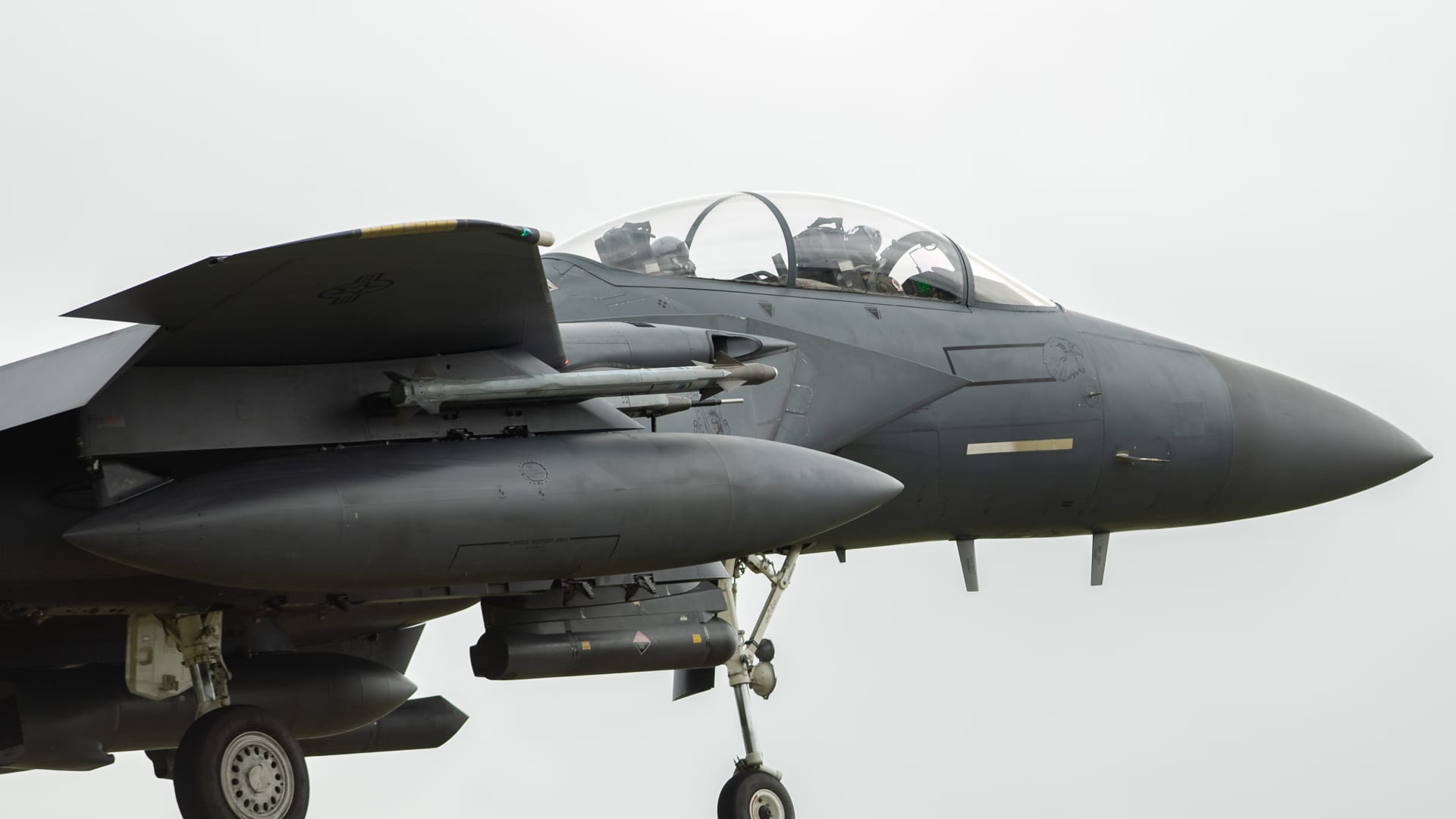
U.S. Fighter Jet Downed in Iran Amid Ongoing Conflict

- Fighter Jet Incident: An F-15 fighter jet from the U.S. Air Force crashed in Iran on July 16, 2020, with its crew members unaccounted for, and it remains unclear whether the aircraft was shot down or suffered a mechanical failure, marking the first known loss of a U.S. jet in the region since the conflict began.
- Escalating Conflict Context: This incident occurs amid escalating U.S. assaults on Iran, with reports of potential peace talks failing to yield results, contributing to a rising death toll of nearly 5,100 across the Middle East, highlighting the precarious nature of the situation.
- Strait of Hormuz Impact: The ongoing war has disrupted tanker traffic through the critical Strait of Hormuz for over a month, threatening supplies of crude oil, fertilizers, and other essential commodities, which could lead to instability in global markets.
- Trump's Aggressive Statements: President Trump claimed on social media that the U.S. could
See More

Lockheed Martin's Five-Year Outlook Shows Potential Growth
- Global Defense Spending Surge: Global defense spending increased from $2.48 trillion in 2024 to $2.63 trillion, highlighting strong demand for Lockheed Martin, particularly from European and Middle Eastern nations, which could lead to significant revenue growth over the next five years.
- Robust Free Cash Flow: Lockheed Martin generated $6.9 billion in free cash flow last year and forecasts $6.5 billion to $6.8 billion for 2026, indicating a healthy financial position that supports ongoing investments and shareholder returns, enhancing its long-term investment appeal.
- Shareholder-Friendly Policies: The company returned $6.1 billion to investors last year through buybacks and dividends, demonstrating effective cash management and commitment to shareholders, which boosts investor confidence in the stock.
- Market Performance Potential: While Lockheed Martin's performance has matched the S&P 500 over the past five years, the improvement in global defense spending and the company's financial health suggest that its stock price is likely to rise significantly in the next five years, positioning it as a leader among large-cap industrial stocks.
See More
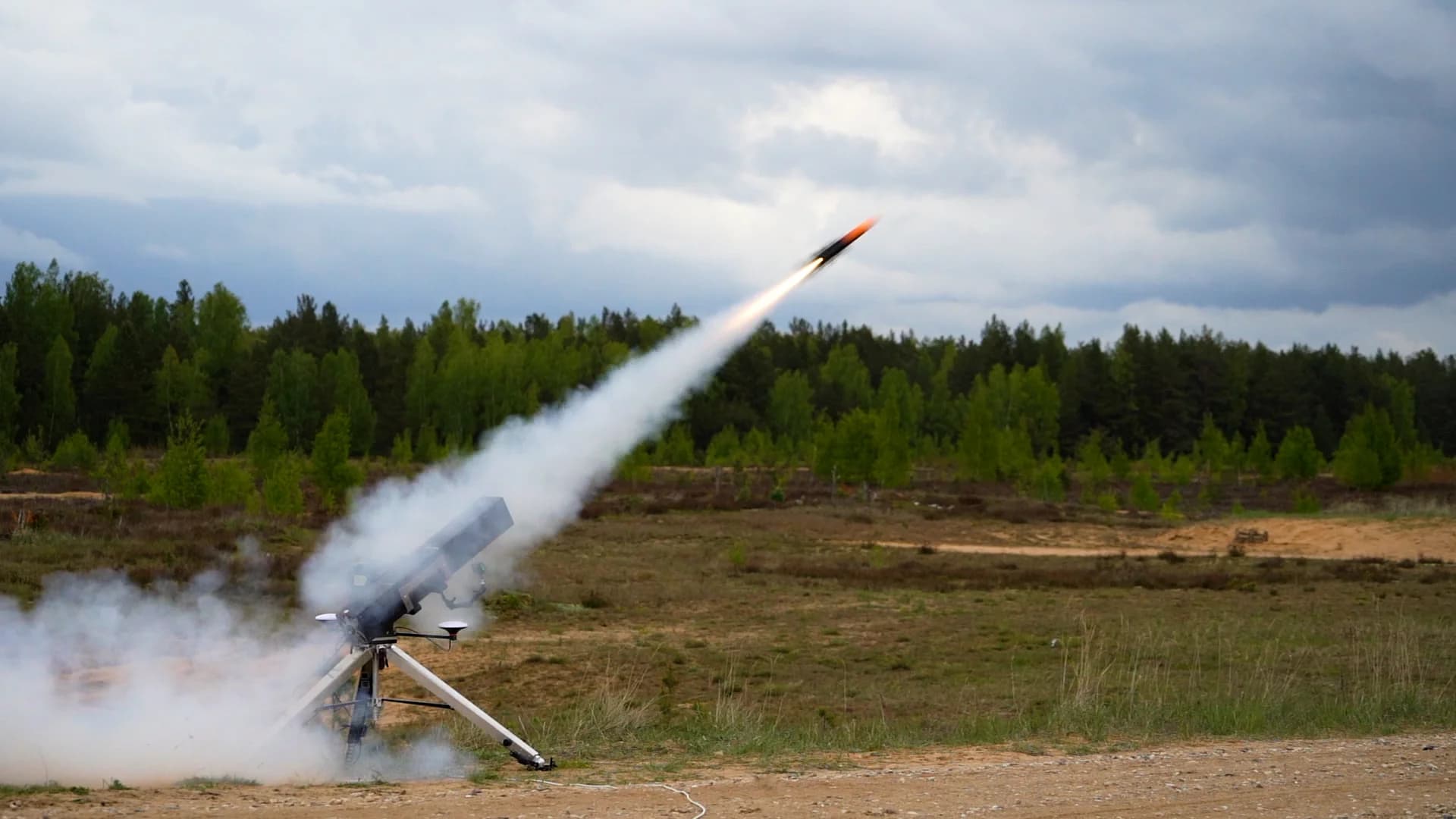
Surge in Defense Tech Investments Amid Geopolitical Tensions


- Significant Investment Growth: According to Dealroom, defense tech funding was only $869 million globally in 2020, but is projected to surge to $11.2 billion by 2025, reflecting a more than tenfold increase driven by rising geopolitical tensions and demand for defense technologies.
- Rising Demand: Since the end of February, following U.S. and Israeli military actions against Iran, defense tech startups have reported a significant uptick in demand from Department of Defense customers, with many clients offering to buy out capacity or requesting increased production, indicating a pressing market need for new technologies.
- Opportunities in the Middle East: As conflicts escalate, defense tech startups in Europe and the U.S. are accelerating commercial discussions with Middle Eastern governments, particularly as interest from Gulf states skyrockets, highlighting urgent needs for defenses against drone and missile attacks.
- Human Resource Expansion: In response to the Iran war, European-headquartered defense startups are set to increase staffing in the Middle East, with Estonian startup Frankenburg and Ukrainian-UK Uforce both indicating plans to ramp up hiring in the region to meet the surging market demand.
See More
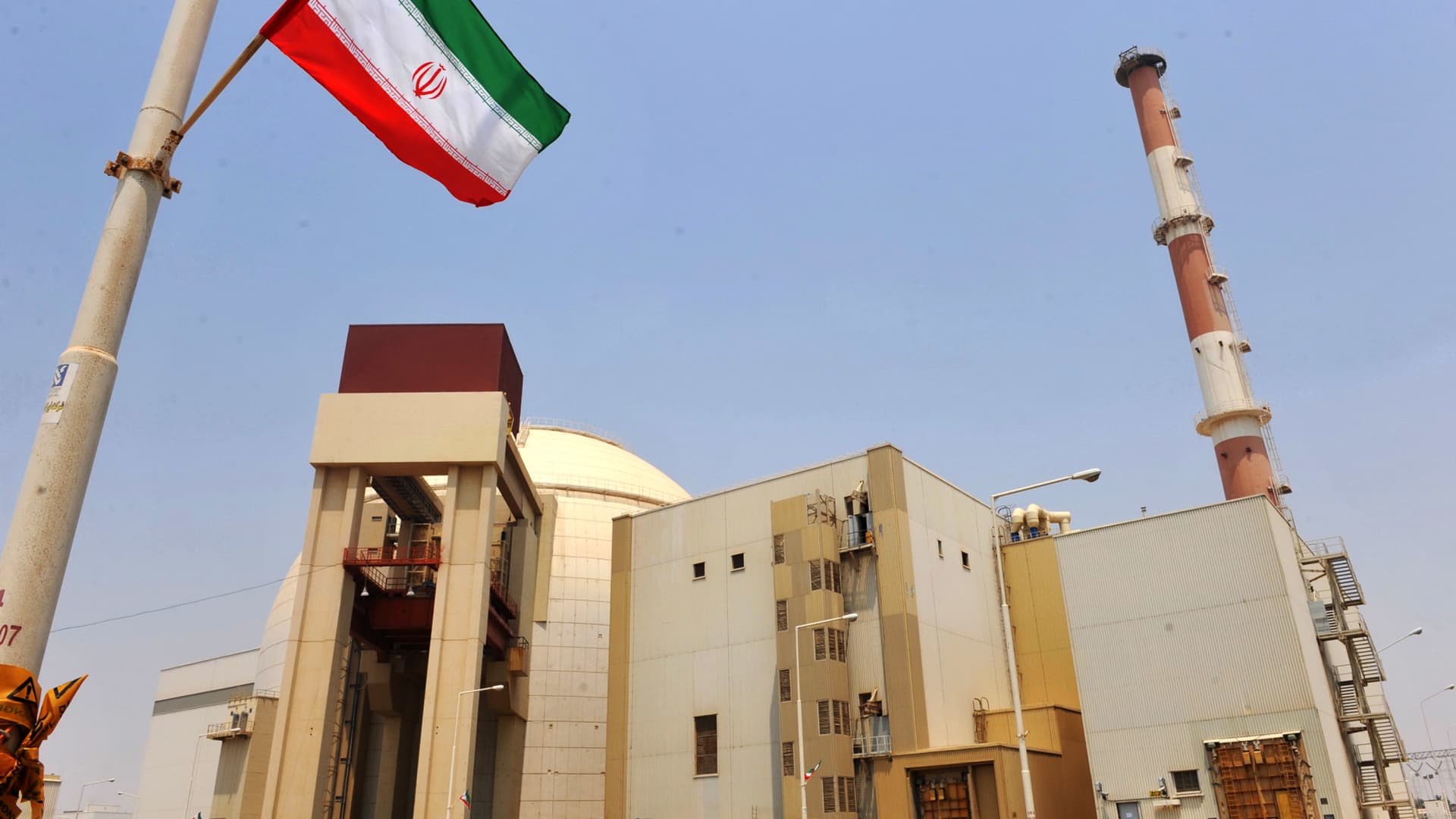
Trump Threatens to Destroy Iran's Infrastructure Amid Ongoing Conflict

- Escalating Military Threats: Trump threatened on social media to destroy Iran's bridges and power plants, claiming the U.S. hasn't even started destroying what's left in Iran, which could escalate regional tensions and provoke strong international backlash.
- Fighter Jet Downed: Reports indicate that a U.S. F-35 fighter jet was shot down over central Iran, and while the U.S. Central Command did not respond, this incident may further intensify military confrontations between the U.S. and Iran.
- Legal Controversy: Legal experts warn that Trump's threats to attack Iran's infrastructure could constitute war crimes under international law, particularly regarding attacks on essential civilian facilities, potentially leading to international condemnation and sanctions.
- Gulf Cooperation Council Response: The Gulf Cooperation Council called on the UN Security Council to take necessary measures to ensure an immediate cessation of Iranian aggressions against its member states, reflecting the heightened concern and security worries among regional nations regarding Iran's actions.
See More

Investment Opportunities in Industrial Stocks for the Next Decade

- Semiconductor Industry Leader: Taiwan Semiconductor Manufacturing (TSMC) holds a dominant position in advanced semiconductor manufacturing, with a 20% year-over-year revenue growth last year, and is set to invest $165 billion to expand its U.S. capacity, ensuring its market leadership as AI demand surges over the next decade.
- High Profitability Performance: TSMC achieved a 54% operating margin in Q4 2025, significantly outperforming most software companies, showcasing its strong profitability in high-end manufacturing, and is poised to benefit from the skyrocketing chip demand driven by the AI revolution in the coming decade.
- Defense Contract Stability: Lockheed Martin's defense contracts can last for decades, providing predictable cash flows for shareholders through projects like the F-35 fighter jet, with a record backlog of $194 billion ensuring stable future revenues.
- Diverse Growth Opportunities: Lockheed Martin's participation in the $185 billion Golden Dome project and the increase of its missile defense system capacity from 600 to 2,000 units annually highlight the company's potential for growth across multiple sectors amid rising global conflicts.
See More
Lockheed Martin's Optimistic Future Outlook
- Defense Spending Surge: Global defense spending rose to $2.63 trillion in 2024 from $2.48 trillion in 2023, indicating strong demand for defense stocks like Lockheed Martin, particularly as European and Middle Eastern expenditures continue to break records, potentially providing robust support for the company's performance over the next five years.
- Strong Free Cash Flow: Lockheed Martin generated $6.9 billion in free cash flow last year and forecasts $6.5 to $6.8 billion for 2026, reflecting the company's financial health and ability to provide stable returns to shareholders, thereby boosting investor confidence.
- Shareholder-Friendly Policies: The company returned $6.1 billion to investors last year through buybacks and dividends, demonstrating its commitment to shareholder interests while ensuring effective cash flow utilization alongside ongoing investments in R&D to maintain competitiveness.
- Long-Term Investment Potential: Although Lockheed Martin did not make the Motley Fool's list of top stocks, its solid performance in the defense sector and future growth potential still make it an attractive option for long-term investment portfolios.
See More
U.S. Fighter Jet Downed in Iran Amid Ongoing Conflict
- Fighter Jet Incident: An F-15 fighter jet from the U.S. Air Force crashed in Iran on July 16, 2020, with its crew members unaccounted for, and it remains unclear whether the aircraft was shot down or suffered a mechanical failure, marking the first known loss of a U.S. jet in the region since the conflict began.
- Escalating Conflict Context: This incident occurs amid escalating U.S. assaults on Iran, with reports of potential peace talks failing to yield results, contributing to a rising death toll of nearly 5,100 across the Middle East, highlighting the precarious nature of the situation.
- Strait of Hormuz Impact: The ongoing war has disrupted tanker traffic through the critical Strait of Hormuz for over a month, threatening supplies of crude oil, fertilizers, and other essential commodities, which could lead to instability in global markets.
- Trump's Aggressive Statements: President Trump claimed on social media that the U.S. could
See More
Lockheed Martin's Five-Year Outlook Shows Potential Growth
- Global Defense Spending Surge: Global defense spending increased from $2.48 trillion in 2024 to $2.63 trillion, highlighting strong demand for Lockheed Martin, particularly from European and Middle Eastern nations, which could lead to significant revenue growth over the next five years.
- Robust Free Cash Flow: Lockheed Martin generated $6.9 billion in free cash flow last year and forecasts $6.5 billion to $6.8 billion for 2026, indicating a healthy financial position that supports ongoing investments and shareholder returns, enhancing its long-term investment appeal.
- Shareholder-Friendly Policies: The company returned $6.1 billion to investors last year through buybacks and dividends, demonstrating effective cash management and commitment to shareholders, which boosts investor confidence in the stock.
- Market Performance Potential: While Lockheed Martin's performance has matched the S&P 500 over the past five years, the improvement in global defense spending and the company's financial health suggest that its stock price is likely to rise significantly in the next five years, positioning it as a leader among large-cap industrial stocks.
See More
Surge in Defense Tech Investments Amid Geopolitical Tensions
- Significant Investment Growth: According to Dealroom, defense tech funding was only $869 million globally in 2020, but is projected to surge to $11.2 billion by 2025, reflecting a more than tenfold increase driven by rising geopolitical tensions and demand for defense technologies.
- Rising Demand: Since the end of February, following U.S. and Israeli military actions against Iran, defense tech startups have reported a significant uptick in demand from Department of Defense customers, with many clients offering to buy out capacity or requesting increased production, indicating a pressing market need for new technologies.
- Opportunities in the Middle East: As conflicts escalate, defense tech startups in Europe and the U.S. are accelerating commercial discussions with Middle Eastern governments, particularly as interest from Gulf states skyrockets, highlighting urgent needs for defenses against drone and missile attacks.
- Human Resource Expansion: In response to the Iran war, European-headquartered defense startups are set to increase staffing in the Middle East, with Estonian startup Frankenburg and Ukrainian-UK Uforce both indicating plans to ramp up hiring in the region to meet the surging market demand.
See More
Trump Threatens to Destroy Iran's Infrastructure Amid Ongoing Conflict
- Escalating Military Threats: Trump threatened on social media to destroy Iran's bridges and power plants, claiming the U.S. hasn't even started destroying what's left in Iran, which could escalate regional tensions and provoke strong international backlash.
- Fighter Jet Downed: Reports indicate that a U.S. F-35 fighter jet was shot down over central Iran, and while the U.S. Central Command did not respond, this incident may further intensify military confrontations between the U.S. and Iran.
- Legal Controversy: Legal experts warn that Trump's threats to attack Iran's infrastructure could constitute war crimes under international law, particularly regarding attacks on essential civilian facilities, potentially leading to international condemnation and sanctions.
- Gulf Cooperation Council Response: The Gulf Cooperation Council called on the UN Security Council to take necessary measures to ensure an immediate cessation of Iranian aggressions against its member states, reflecting the heightened concern and security worries among regional nations regarding Iran's actions.
See More
Investment Opportunities in Industrial Stocks for the Next Decade
- Semiconductor Industry Leader: Taiwan Semiconductor Manufacturing (TSMC) holds a dominant position in advanced semiconductor manufacturing, with a 20% year-over-year revenue growth last year, and is set to invest $165 billion to expand its U.S. capacity, ensuring its market leadership as AI demand surges over the next decade.
- High Profitability Performance: TSMC achieved a 54% operating margin in Q4 2025, significantly outperforming most software companies, showcasing its strong profitability in high-end manufacturing, and is poised to benefit from the skyrocketing chip demand driven by the AI revolution in the coming decade.
- Defense Contract Stability: Lockheed Martin's defense contracts can last for decades, providing predictable cash flows for shareholders through projects like the F-35 fighter jet, with a record backlog of $194 billion ensuring stable future revenues.
- Diverse Growth Opportunities: Lockheed Martin's participation in the $185 billion Golden Dome project and the increase of its missile defense system capacity from 600 to 2,000 units annually highlight the company's potential for growth across multiple sectors amid rising global conflicts.
See More