LandSpace's Zhuque-3 Fails to Land, Highlighting Global Reusable Rocket Race
Written by Emily J. Thompson, Senior Investment Analyst
Updated: Dec 03 2025
0mins
Should l Buy AMZN?
Source: Newsfilter
- Launch Failure: LandSpace's Zhuque-3 reusable rocket failed to achieve a successful landing during its debut launch, highlighting the intense global competition in reusable rocket technology, which may impact future funding and market confidence.
- Technical Challenges: Designed to place satellites into orbit and recover its main stage for vertical landing, the Zhuque-3's current failure means that LandSpace remains unable to achieve a significant milestone that would position it as the third company globally to successfully recover an orbital rocket stage, underscoring its strategic importance.
- International Competitive Landscape: Currently, SpaceX and Blue Origin lead the reusable rocket sector, with SpaceX's Falcon 9 successfully landing over 300 times, demonstrating its technological maturity and market advantage, while LandSpace must accelerate its technological breakthroughs to close the gap.
- Other Players: In addition to LandSpace, several other Chinese private firms are conducting tests with small rockets, although none have yet achieved main stage recovery; these
Trade with 70% Backtested Accuracy
Stop guessing "Should I Buy AMZN?" and start using high-conviction signals backed by rigorous historical data.
Sign up today to access powerful investing tools and make smarter, data-driven decisions.
Analyst Views on AMZN
Wall Street analysts forecast AMZN stock price to rise
44 Analyst Rating
41 Buy
3 Hold
0 Sell
Strong Buy
Current: 210.570

Low
175.00
Averages
280.01
High
325.00
Current: 210.570
Low
175.00
Averages
280.01
High
325.00
About AMZN
Amazon.com, Inc. provides a range of products and services to customers. The products offered through its stores include merchandise and content it has purchased for resale and products offered by third-party sellers. The Company’s segments include North America, International and Amazon Web Services (AWS). It serves consumers through its online and physical stores and focuses on selection, price, and convenience. Customers access its offerings through its websites, mobile apps, Alexa, devices, streaming, and physically visiting its stores. It also manufactures and sells electronic devices, including Kindle, Fire tablet, Fire TV, Echo, Ring, Blink, and eero, and develops and produces media content. It serves developers and enterprises of all sizes, including start-ups, government agencies, and academic institutions, through AWS, which offers a set of on-demand technology services, including compute, storage, database, analytics, and machine learning, and other services.
About the author

Emily J. Thompson
Emily J. Thompson, a Chartered Financial Analyst (CFA) with 12 years in investment research, graduated with honors from the Wharton School. Specializing in industrial and technology stocks, she provides in-depth analysis for Intellectia’s earnings and market brief reports.

Amazon: The Leader in E-commerce and Cloud Computing

- Market Leadership: Amazon leads in both e-commerce and cloud computing, with e-commerce as its largest revenue source and cloud computing as its most profitable segment, showcasing the company's robust performance across multiple growth drivers.
- Digital Marketing Potential: Amazon is rapidly evolving into one of the world's largest digital marketing companies, and this high-margin business is expected to provide long-term growth momentum, further solidifying its market position.
- Investment in Technology Innovation: Amazon's investments in robotics, AI, and automation are often underestimated, yet these innovations significantly enhance profitability, indicating strong growth potential for the future.
- Satellite Internet Initiative: Amazon's Leo satellite internet project competes with SpaceX's Starlink, and while still in its early stages, its vast market potential and possible bundling with Prime memberships could create new growth avenues for the company.
See More

Rivian and Nio's Prospects in the EV Market


- Rivian R2 SUV Outlook: Rivian plans to launch the cheaper R2 SUV, which is expected to help it stand out in the competitive EV market; however, its production increased from 24,337 vehicles in 2022 to 57,232 in 2023, but is projected to decline to 49,476 in 2024, indicating market challenges.
- Production Capacity Enhancement: Rivian aims to triple its total production capacity by 2028, primarily through upgrades to its Illinois plant and the construction of a new facility in Georgia, which will significantly boost its sales and margins.
- Nio's Market Expansion: Nio continues to perform strongly in the EV market, with annual deliveries surging from 20,565 in 2019 to 326,028 in 2025; despite facing pressures from the US-China trade war and market competition, its expansion into Europe will further reduce reliance on the crowded Chinese market.
- Future Growth Expectations: Analysts expect Rivian and Nio's revenues to grow at CAGRs of 45% and 31%, respectively, over the next few years, with Rivian's adjusted EBITDA projected to turn positive by 2026, highlighting the potential of both companies in the EV market.
See More

OpenAI Acquires Technology Podcast TBPN Amid Media Shift


- Acquisition Announcement: OpenAI has announced the acquisition of the technology news podcast TBPN, hosted by John Coogan and Jordi Hays, which focuses on tech news and interviews with industry leaders, marking OpenAI's expansion into the media sector.
- Media Consumption Shift: The acquisition reflects OpenAI's adaptation to new media trends as independent podcasts and creator-led videos attract millions of viewers, aiming to enhance its influence in public discourse.
- Advertising Revenue Growth: TBPN generated approximately $5 million in advertising revenue in 2025 and is projected to exceed $30 million in 2026, providing substantial financial support for OpenAI's strategic organization.
- Maintaining Independence: Despite the acquisition, TBPN will retain editorial independence and choose its own guests, which not only helps maintain its brand image but also ensures diversity and fairness in its content.
See More
Amazon Implements 3.5% Fuel Surcharge for Sellers
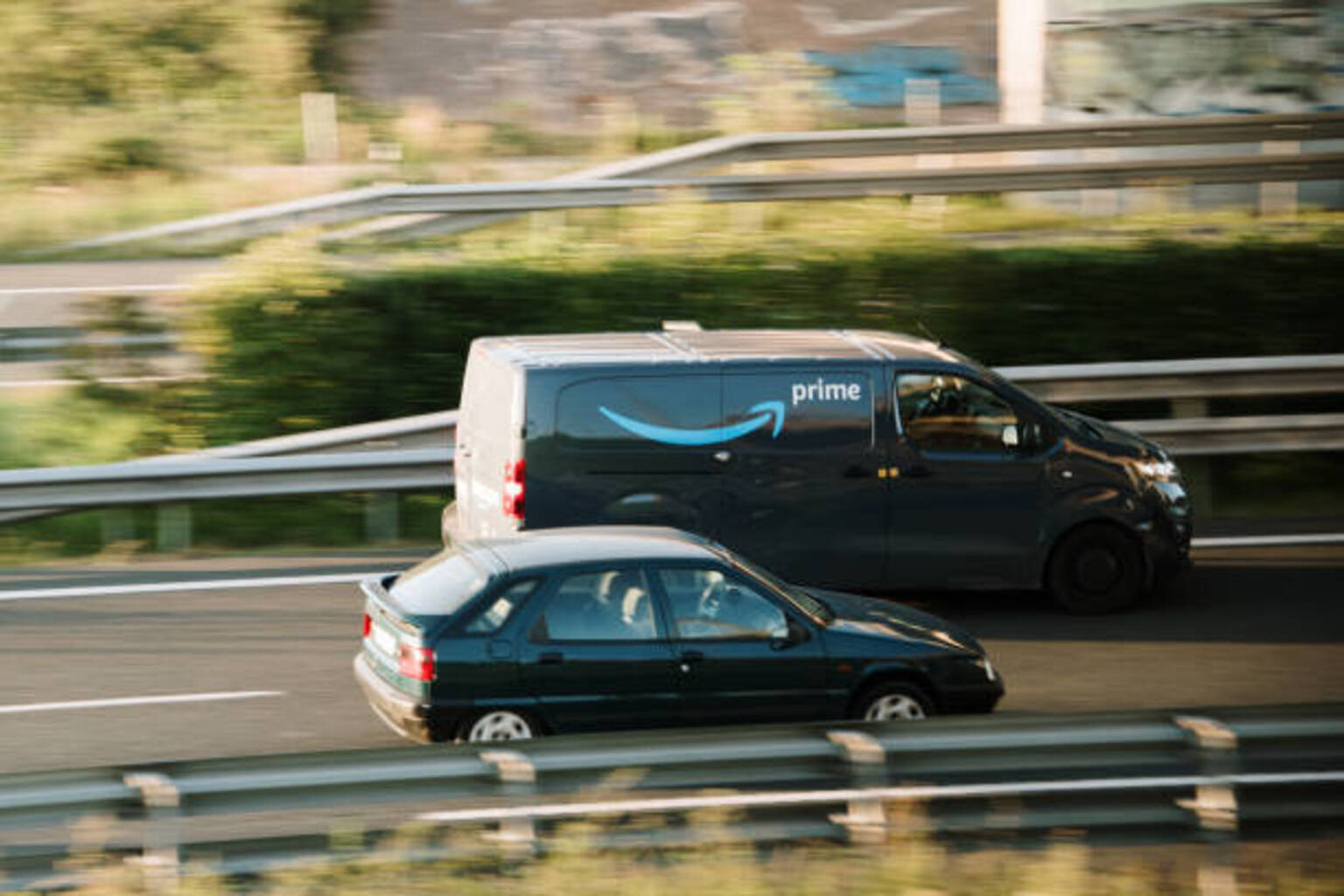
- Fuel Surcharge Implementation: Amazon will introduce a 3.5% fuel surcharge for U.S. and Canadian third-party sellers starting April 17, aimed at offsetting increased operating costs due to rising fuel prices, which translates to an average additional cost of $0.17 per unit for U.S. FBA orders, potentially squeezing seller profit margins.
- Expanded Coverage: The surcharge will apply not only to FBA orders but also to Remote Fulfillment from the U.S. to Canada, Mexico, and Brazil, indicating Amazon's strategic response to cost pressures in global markets, which may affect its competitive positioning in these regions.
- Industry Trends: With fuel prices rising by 65% since the onset of the war with Iran, FedEx and UPS have also implemented similar fuel surcharges, highlighting the increased cost pressures faced by the logistics industry, which could lead to higher overall shipping costs and impact pricing strategies in the e-commerce sector.
- Long-term Implications: While this move increases operational costs in the short term, Amazon may be aiming to maintain service quality and fulfillment capabilities, ensuring it retains a competitive edge in a challenging market, especially against other logistics providers.
See More
Amazon to Impose Fuel Surcharge on Sellers
- Fuel Surcharge Implementation: Amazon announced it will impose a 3.5% 'fuel and logistics' surcharge later this month on sellers using its shipping services, directly impacting sellers' profit margins amid rising operational costs.
- Rising Cost Context: The company highlighted that elevated fuel and logistics costs have broadly affected the industry, indicating a challenging market environment that may compel sellers to adjust their pricing strategies to maintain competitiveness.
- Industry Reaction Anticipation: This measure may prompt sellers to reassess the cost of using Amazon's platform, particularly in the current economic climate, leading some to consider alternative e-commerce platforms to reduce operational expenses.
- Long-term Impact Analysis: As fuel prices continue to fluctuate, Amazon's surcharge policy could affect its market share, especially in the highly competitive e-commerce sector, where sellers might seek more cost-effective logistics solutions.
See More

Optimistic Outlook for Electric Vehicle Market Recovery
- Market Growth Potential: According to Grand View Research, the global EV market is projected to expand at a 32.5% CAGR from 2025 to 2030, despite current challenges such as high interest rates and increased competition.
- Rivian Production Plans: Rivian aims to boost sales with the launch of its cheaper R2 model, expecting to triple total production by 2028, although it faces supply chain constraints and competitive pressures.
- Nio's Market Strategy: Nio is reducing its dependence on the Chinese market by expanding its battery-swapping network and entering Europe, with revenue expected to grow at a 31% CAGR from 2025 to 2027.
- Financial Performance Comparison: Rivian's enterprise value stands at $20.8 billion, trading at just 3 times this year's sales, compared to Tesla's 14 times, indicating Rivian's relative undervaluation and attracting growth-oriented investors' attention.
See More
Amazon: The Leader in E-commerce and Cloud Computing
- Market Leadership: Amazon leads in both e-commerce and cloud computing, with e-commerce as its largest revenue source and cloud computing as its most profitable segment, showcasing the company's robust performance across multiple growth drivers.
- Digital Marketing Potential: Amazon is rapidly evolving into one of the world's largest digital marketing companies, and this high-margin business is expected to provide long-term growth momentum, further solidifying its market position.
- Investment in Technology Innovation: Amazon's investments in robotics, AI, and automation are often underestimated, yet these innovations significantly enhance profitability, indicating strong growth potential for the future.
- Satellite Internet Initiative: Amazon's Leo satellite internet project competes with SpaceX's Starlink, and while still in its early stages, its vast market potential and possible bundling with Prime memberships could create new growth avenues for the company.
See More
Rivian and Nio's Prospects in the EV Market
- Rivian R2 SUV Outlook: Rivian plans to launch the cheaper R2 SUV, which is expected to help it stand out in the competitive EV market; however, its production increased from 24,337 vehicles in 2022 to 57,232 in 2023, but is projected to decline to 49,476 in 2024, indicating market challenges.
- Production Capacity Enhancement: Rivian aims to triple its total production capacity by 2028, primarily through upgrades to its Illinois plant and the construction of a new facility in Georgia, which will significantly boost its sales and margins.
- Nio's Market Expansion: Nio continues to perform strongly in the EV market, with annual deliveries surging from 20,565 in 2019 to 326,028 in 2025; despite facing pressures from the US-China trade war and market competition, its expansion into Europe will further reduce reliance on the crowded Chinese market.
- Future Growth Expectations: Analysts expect Rivian and Nio's revenues to grow at CAGRs of 45% and 31%, respectively, over the next few years, with Rivian's adjusted EBITDA projected to turn positive by 2026, highlighting the potential of both companies in the EV market.
See More
OpenAI Acquires Technology Podcast TBPN Amid Media Shift
- Acquisition Announcement: OpenAI has announced the acquisition of the technology news podcast TBPN, hosted by John Coogan and Jordi Hays, which focuses on tech news and interviews with industry leaders, marking OpenAI's expansion into the media sector.
- Media Consumption Shift: The acquisition reflects OpenAI's adaptation to new media trends as independent podcasts and creator-led videos attract millions of viewers, aiming to enhance its influence in public discourse.
- Advertising Revenue Growth: TBPN generated approximately $5 million in advertising revenue in 2025 and is projected to exceed $30 million in 2026, providing substantial financial support for OpenAI's strategic organization.
- Maintaining Independence: Despite the acquisition, TBPN will retain editorial independence and choose its own guests, which not only helps maintain its brand image but also ensures diversity and fairness in its content.
See More
Amazon Implements 3.5% Fuel Surcharge for Sellers
- Fuel Surcharge Implementation: Amazon will introduce a 3.5% fuel surcharge for U.S. and Canadian third-party sellers starting April 17, aimed at offsetting increased operating costs due to rising fuel prices, which translates to an average additional cost of $0.17 per unit for U.S. FBA orders, potentially squeezing seller profit margins.
- Expanded Coverage: The surcharge will apply not only to FBA orders but also to Remote Fulfillment from the U.S. to Canada, Mexico, and Brazil, indicating Amazon's strategic response to cost pressures in global markets, which may affect its competitive positioning in these regions.
- Industry Trends: With fuel prices rising by 65% since the onset of the war with Iran, FedEx and UPS have also implemented similar fuel surcharges, highlighting the increased cost pressures faced by the logistics industry, which could lead to higher overall shipping costs and impact pricing strategies in the e-commerce sector.
- Long-term Implications: While this move increases operational costs in the short term, Amazon may be aiming to maintain service quality and fulfillment capabilities, ensuring it retains a competitive edge in a challenging market, especially against other logistics providers.
See More
Amazon to Impose Fuel Surcharge on Sellers
- Fuel Surcharge Implementation: Amazon announced it will impose a 3.5% 'fuel and logistics' surcharge later this month on sellers using its shipping services, directly impacting sellers' profit margins amid rising operational costs.
- Rising Cost Context: The company highlighted that elevated fuel and logistics costs have broadly affected the industry, indicating a challenging market environment that may compel sellers to adjust their pricing strategies to maintain competitiveness.
- Industry Reaction Anticipation: This measure may prompt sellers to reassess the cost of using Amazon's platform, particularly in the current economic climate, leading some to consider alternative e-commerce platforms to reduce operational expenses.
- Long-term Impact Analysis: As fuel prices continue to fluctuate, Amazon's surcharge policy could affect its market share, especially in the highly competitive e-commerce sector, where sellers might seek more cost-effective logistics solutions.
See More
Optimistic Outlook for Electric Vehicle Market Recovery
- Market Growth Potential: According to Grand View Research, the global EV market is projected to expand at a 32.5% CAGR from 2025 to 2030, despite current challenges such as high interest rates and increased competition.
- Rivian Production Plans: Rivian aims to boost sales with the launch of its cheaper R2 model, expecting to triple total production by 2028, although it faces supply chain constraints and competitive pressures.
- Nio's Market Strategy: Nio is reducing its dependence on the Chinese market by expanding its battery-swapping network and entering Europe, with revenue expected to grow at a 31% CAGR from 2025 to 2027.
- Financial Performance Comparison: Rivian's enterprise value stands at $20.8 billion, trading at just 3 times this year's sales, compared to Tesla's 14 times, indicating Rivian's relative undervaluation and attracting growth-oriented investors' attention.
See More