InPost Enters Acquisition Agreement with Consortium
Written by Emily J. Thompson, Senior Investment Analyst
Updated: Feb 09 2026
0mins
Should l Buy FDX?
Source: Newsfilter
- Acquisition Offer Price: The consortium's proposed acquisition price of EUR 15.60 per share values InPost at EUR 7.8 billion, representing a 50% premium over the undisturbed share price as of January 2, 2026, providing immediate and certain value for shareholders and demonstrating strong market appeal.
- Shareholder Support: Currently, 48% of shareholders have committed to support the transaction, with PPF selling its entire stake to back the deal while planning to reinvest part of the proceeds to become a 10% shareholder in the consortium, reflecting confidence in InPost's future growth.
- Strategic Partnership Outlook: The consortium will leverage FedEx's global network and technological expertise to support InPost's expansion of its parcel locker network and consumer-centric digital solutions, which is expected to drive growth potential in the European e-commerce solutions market.
- Future Operational Plans: Following the completion of the transaction, InPost will continue to operate as an independent company, maintaining its headquarters and management structure in Poland, with CEO Rafał Brzoska continuing to lead the company, ensuring its innovation capabilities and market competitiveness remain intact.
Trade with 70% Backtested Accuracy
Stop guessing "Should I Buy FDX?" and start using high-conviction signals backed by rigorous historical data.
Sign up today to access powerful investing tools and make smarter, data-driven decisions.
Analyst Views on FDX
Wall Street analysts forecast FDX stock price to fall
20 Analyst Rating
13 Buy
6 Hold
1 Sell
Moderate Buy
Current: 387.890

Low
210.00
Averages
315.05
High
365.00
Current: 387.890
Low
210.00
Averages
315.05
High
365.00
About FDX
FedEx Corporation provides customers and businesses with a portfolio of transportation, e-commerce, and business services. The Company offers integrated business solutions utilizing its flexible and efficient global network. Its segments include Federal Express, FedEx Freight, and Corporate, other, and eliminations. Federal Express segment includes express transportation, small-package ground delivery, and freight transportation, and it also operates combined sales, marketing, administrative, and information-technology functions in shared service operations for United States customers. FedEx Freight segment includes FedEx Freight (LTL freight transportation) and FedEx Custom Critical (time-critical transportation). Corporate, other, and elimination segments include FedEx Dataworks, Inc. (FedEx Dataworks), FedEx Office and Print Services, Inc. (FedEx Office), and FedEx Logistics, Inc. (FedEx Logistics). FedEx Logistics offers customs brokerage, specialty transportation, and others.
About the author

Emily J. Thompson
Emily J. Thompson, a Chartered Financial Analyst (CFA) with 12 years in investment research, graduated with honors from the Wharton School. Specializing in industrial and technology stocks, she provides in-depth analysis for Intellectia’s earnings and market brief reports.

FedEx and UPS Commit to Refund Tariffs to Customers

- Tariff Refund Commitment: FedEx and UPS announced they would refund customers for tariffs collected illegally by the U.S. government, demonstrating a commitment to customer interests and potentially enhancing customer trust.
- Surge in Refund Claims: Following the launch of the refund system, thousands of companies rushed to file claims, involving approximately $166 billion in tariffs, reflecting strong market response and demand for this policy.
- UPS Tariff Revenue: UPS CEO Carol Tome stated that the company had collected about $5 billion in tariffs from customers, indicating the financial impact of tariff policies and potential implications for future cash flow.
- Collaboration with Government: Tome emphasized that UPS would work with Customs and Border Protection to apply for refunds rather than pursue litigation, suggesting a strategic approach to resolving issues that may influence its relationship with the government.
See More

Doubling Down on Dividend Stocks: Realty Income and Prologis


- REIT Advantages: Realty Income, a REIT focused on freestanding commercial real estate, owns over 15,000 properties primarily occupied by retail tenants, achieving an average total return of 13.3% and increasing dividends for 114 consecutive quarters, indicating strong income growth potential.
- Robust Leasing Model: Realty Income's tenants sign long-term net leases, responsible for taxes and maintenance, typically including annual rent increases, ensuring stable cash flow and enhancing the company's resilience during economic downturns.
- Logistics Real Estate Outlook: Prologis, with nearly 1.2 billion square feet of rentable space, primarily serves the e-commerce and logistics sectors, and as demand stabilizes, it is expected to benefit from a balanced supply-demand dynamic, further solidifying its market position.
- Financial Flexibility and New Opportunities: In addition to its core logistics real estate, Prologis is quietly investing in data center properties, leveraging its financial strength and expertise, which could create a rapidly growing second revenue stream and enhance its long-term growth prospects.
See More

OpenAI Misses Revenue Targets; Coca-Cola Reports Strong Quarter


- OpenAI Revenue Decline: According to The Wall Street Journal, OpenAI fell short of its internal revenue growth and user targets, leading to a decline in its overall valuation, which negatively impacted related companies like Softbank and Oracle.
- Coca-Cola Strong Performance: Coca-Cola reported first-quarter revenue of $12.5 billion and earnings per share of $0.86, both exceeding market expectations, with a 10% organic growth indicating its robust position in the sluggish consumer goods sector despite having a few extra days in the quarter.
- UPS Steady Performance: UPS achieved top and bottom line beats in the first quarter and reaffirmed its full-year guidance, demonstrating a recovery in growth after cutting costs and winding down its partnership with Amazon.
- Spotify Growth Struggles: Despite Spotify's first-quarter earnings per share of €4.04 beating expectations, the stock fell over 8% due to a disappointing outlook for the current quarter, indicating investor concerns over its operating income and gross margin guidance.
See More

UPS Holds Top Valuation Among Major Logistics Stocks
- Valuation Leadership: UPS earns an A- valuation grade among major air freight and logistics stocks, indicating its competitive pricing relative to fundamentals, which reflects market confidence in its future growth potential.
- Mixed Earnings Report: Although UPS reported Q1 adjusted EPS of $1.07, surpassing the $1.02 consensus, total revenue fell 1.4% year-over-year to $21.2 billion, and the lack of an upgrade to full-year guidance led to a roughly 3% drop in premarket shares.
- Peer Comparison: Among peers, GXO Logistics follows with a B- rating, while Hub Group and FedEx are rated C and C- respectively, highlighting UPS's valuation advantage, even as FedEx holds a strong buy quant rating of 4.92.
- Market Reaction: Despite UPS exceeding earnings expectations, the stock price declined due to the absence of full-year guidance, indicating a cautious investor sentiment regarding future growth.
See More

UPS Reports 28% Drop in Quarterly Profit, Shifts Focus to Higher-Margin Deliveries
- Significant Profit Decline: UPS reported a 28% drop in quarterly adjusted profit, with earnings per share falling from $1.49 last year to $1.07, indicating pressure on profitability amid changing customer demands, which could impact investor confidence moving forward.
- Slight Revenue Decrease: The company's quarterly revenue decreased by 1.6% to $21.2 billion, reflecting a strategic pullback from deliveries for Amazon, which may lead to further market share loss as UPS adjusts its business focus.
- Strategic Shift: UPS is cutting back on low-margin delivery services to concentrate on higher-margin sectors such as healthcare and data centers, aiming to enhance operational efficiency and competitiveness, particularly against FedEx.
- Stable Future Outlook: Despite current challenges, UPS maintains its forecast for a 1.2% revenue increase in 2026 and an adjusted operating margin of approximately 9.6%, demonstrating confidence in long-term growth prospects.
See More
RPT-BUZZ-PREVIEW: UPS ANTICIPATED TO REPORT LOWER PROFITS EARLY TUESDAY
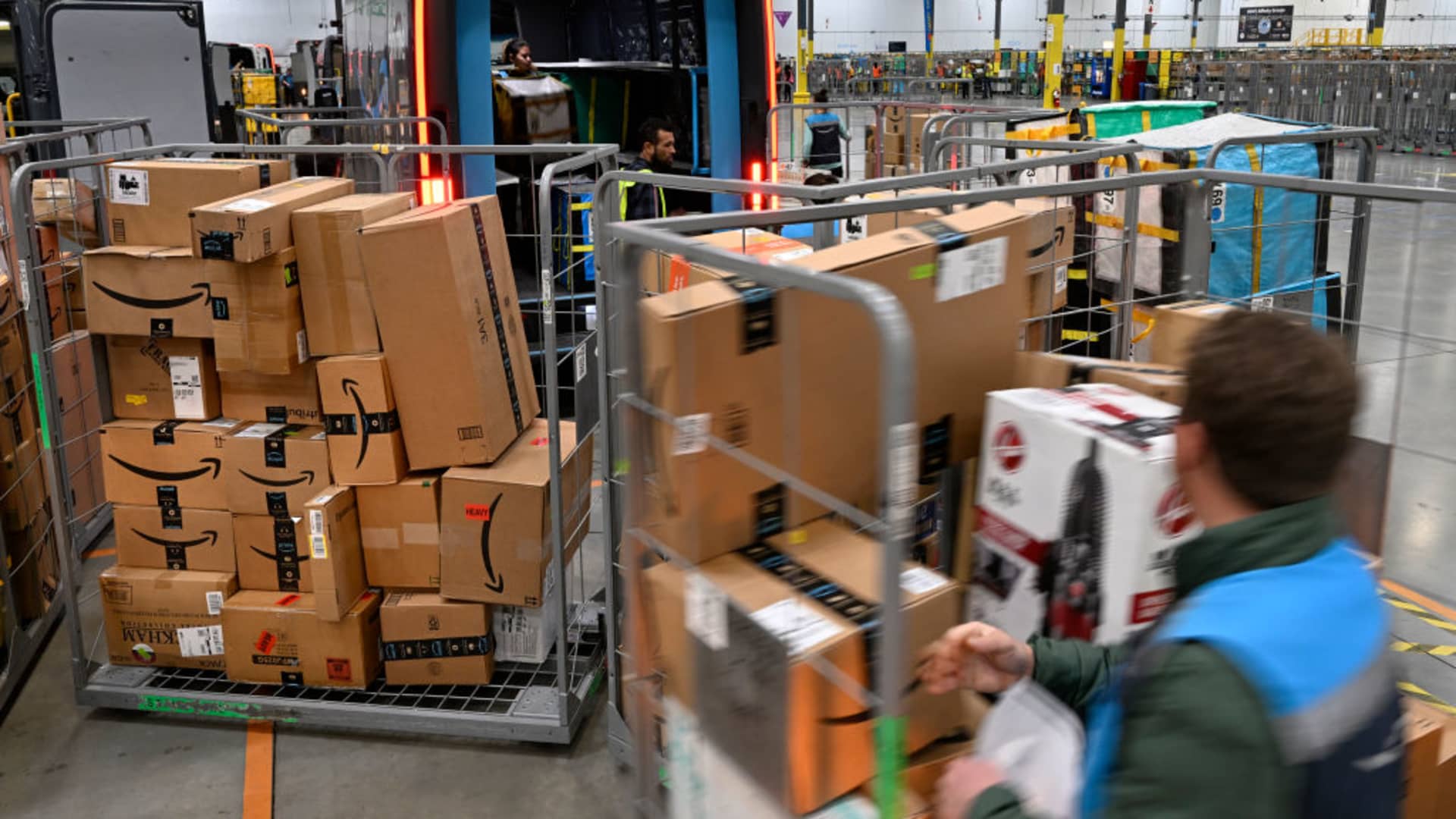
Profit Decline Expected: Analysts anticipate a decrease in profits for UPS, with the announcement expected early Tuesday.
Market Reactions: The anticipated profit decline may impact UPS's stock performance and investor sentiment.
See More
FedEx and UPS Commit to Refund Tariffs to Customers
- Tariff Refund Commitment: FedEx and UPS announced they would refund customers for tariffs collected illegally by the U.S. government, demonstrating a commitment to customer interests and potentially enhancing customer trust.
- Surge in Refund Claims: Following the launch of the refund system, thousands of companies rushed to file claims, involving approximately $166 billion in tariffs, reflecting strong market response and demand for this policy.
- UPS Tariff Revenue: UPS CEO Carol Tome stated that the company had collected about $5 billion in tariffs from customers, indicating the financial impact of tariff policies and potential implications for future cash flow.
- Collaboration with Government: Tome emphasized that UPS would work with Customs and Border Protection to apply for refunds rather than pursue litigation, suggesting a strategic approach to resolving issues that may influence its relationship with the government.
See More
Doubling Down on Dividend Stocks: Realty Income and Prologis
- REIT Advantages: Realty Income, a REIT focused on freestanding commercial real estate, owns over 15,000 properties primarily occupied by retail tenants, achieving an average total return of 13.3% and increasing dividends for 114 consecutive quarters, indicating strong income growth potential.
- Robust Leasing Model: Realty Income's tenants sign long-term net leases, responsible for taxes and maintenance, typically including annual rent increases, ensuring stable cash flow and enhancing the company's resilience during economic downturns.
- Logistics Real Estate Outlook: Prologis, with nearly 1.2 billion square feet of rentable space, primarily serves the e-commerce and logistics sectors, and as demand stabilizes, it is expected to benefit from a balanced supply-demand dynamic, further solidifying its market position.
- Financial Flexibility and New Opportunities: In addition to its core logistics real estate, Prologis is quietly investing in data center properties, leveraging its financial strength and expertise, which could create a rapidly growing second revenue stream and enhance its long-term growth prospects.
See More
OpenAI Misses Revenue Targets; Coca-Cola Reports Strong Quarter
- OpenAI Revenue Decline: According to The Wall Street Journal, OpenAI fell short of its internal revenue growth and user targets, leading to a decline in its overall valuation, which negatively impacted related companies like Softbank and Oracle.
- Coca-Cola Strong Performance: Coca-Cola reported first-quarter revenue of $12.5 billion and earnings per share of $0.86, both exceeding market expectations, with a 10% organic growth indicating its robust position in the sluggish consumer goods sector despite having a few extra days in the quarter.
- UPS Steady Performance: UPS achieved top and bottom line beats in the first quarter and reaffirmed its full-year guidance, demonstrating a recovery in growth after cutting costs and winding down its partnership with Amazon.
- Spotify Growth Struggles: Despite Spotify's first-quarter earnings per share of €4.04 beating expectations, the stock fell over 8% due to a disappointing outlook for the current quarter, indicating investor concerns over its operating income and gross margin guidance.
See More
UPS Holds Top Valuation Among Major Logistics Stocks
- Valuation Leadership: UPS earns an A- valuation grade among major air freight and logistics stocks, indicating its competitive pricing relative to fundamentals, which reflects market confidence in its future growth potential.
- Mixed Earnings Report: Although UPS reported Q1 adjusted EPS of $1.07, surpassing the $1.02 consensus, total revenue fell 1.4% year-over-year to $21.2 billion, and the lack of an upgrade to full-year guidance led to a roughly 3% drop in premarket shares.
- Peer Comparison: Among peers, GXO Logistics follows with a B- rating, while Hub Group and FedEx are rated C and C- respectively, highlighting UPS's valuation advantage, even as FedEx holds a strong buy quant rating of 4.92.
- Market Reaction: Despite UPS exceeding earnings expectations, the stock price declined due to the absence of full-year guidance, indicating a cautious investor sentiment regarding future growth.
See More
UPS Reports 28% Drop in Quarterly Profit, Shifts Focus to Higher-Margin Deliveries
- Significant Profit Decline: UPS reported a 28% drop in quarterly adjusted profit, with earnings per share falling from $1.49 last year to $1.07, indicating pressure on profitability amid changing customer demands, which could impact investor confidence moving forward.
- Slight Revenue Decrease: The company's quarterly revenue decreased by 1.6% to $21.2 billion, reflecting a strategic pullback from deliveries for Amazon, which may lead to further market share loss as UPS adjusts its business focus.
- Strategic Shift: UPS is cutting back on low-margin delivery services to concentrate on higher-margin sectors such as healthcare and data centers, aiming to enhance operational efficiency and competitiveness, particularly against FedEx.
- Stable Future Outlook: Despite current challenges, UPS maintains its forecast for a 1.2% revenue increase in 2026 and an adjusted operating margin of approximately 9.6%, demonstrating confidence in long-term growth prospects.
See More
RPT-BUZZ-PREVIEW: UPS ANTICIPATED TO REPORT LOWER PROFITS EARLY TUESDAY
Profit Decline Expected: Analysts anticipate a decrease in profits for UPS, with the announcement expected early Tuesday.
Market Reactions: The anticipated profit decline may impact UPS's stock performance and investor sentiment.
See More