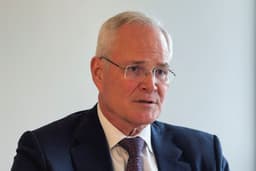
Greg Abel Officially Takes Over as CEO of Berkshire Hathaway, Future Looks Promising
- Succession Change: Greg Abel officially takes over as CEO of Berkshire Hathaway in 2026, marking the first leadership change in over 60 years, and while investors feel uneasy, Munger believes the company will continue to grow.
- Sustained Profitability: Munger stated in 2003 that even without Buffett, Berkshire's strong cash flow and excellent businesses would ensure continued expansion and value enhancement.
- Cultural Continuity: Abel's extensive management experience in non-insurance businesses aligns him closely with Berkshire's corporate culture, which Munger emphasized as more important than genius, ensuring strategic continuity.
- Importance of Trust: Buffett's high praise for Abel, stating he trusts him more than top investment advisors, highlights the significance of trust in leadership transitions, which will influence future investment decisions.
Trade with 70% Backtested Accuracy
Analyst Views on BRK.A

About BRK.A
About the author


2 Buffett Stocks to Buy Now—And 1 to Sell


Warren Buffett's Portfolio Changes: Warren Buffett made significant adjustments to Berkshire Hathaway's portfolio in early 2025, including selling $4 billion in Apple shares to bolster cash reserves and Treasuries.
Investor Strategies: Investors are attempting to replicate Buffett's trades but face challenges due to outdated information, leading to discussions about the merits of following in Buffett's footsteps.
Coca-Cola's Performance: Coca-Cola remains a strong dividend stock despite criticisms regarding its valuation, with a solid earnings report and a history of consistent dividend increases, making it attractive for long-term investors.
Visa's Market Position: Visa is well-positioned in the credit card landscape, benefiting from minimal exposure to interest rate fluctuations and strong revenue generation through transaction fees, which could lead to growth in the coming year.

Buffett Retires, Abel Takes Over as CEO of Berkshire Hathaway

- Leadership Transition: Warren Buffett officially retired on December 31, 2023, concluding a 60-year tenure as CEO of Berkshire Hathaway, during which the company achieved a compounded annual growth rate of 20%, significantly outperforming the S&P 500's 10%.
- Investment Philosophy Continuation: New CEO Greg Abel has committed to maintaining Buffett's capital allocation and investment strategies, ensuring that the company's future investment decisions will still reflect Buffett's successful principles.
- Shareholder Communication Mechanism: Although Buffett is no longer CEO, he will remain involved as chairman and communicate with investors annually through a Thanksgiving letter, preserving the legacy of his investment wisdom.
- Future Outlook: In early 2026, Buffett's investment decisions will still be disclosed through 13F filings, allowing investors to continue drawing insights from his long-term investment strategies for potential gains.
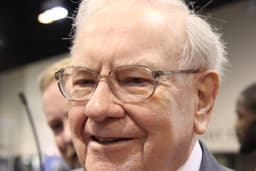
Buffett Retires, Greg Abel Takes Over as CEO of Berkshire Hathaway
- Leadership Transition: Warren Buffett officially retired on December 31, ending a 60-year tenure as CEO of Berkshire Hathaway, during which the company achieved a compounded annual growth rate of approximately 20%, significantly outperforming the S&P 500's 10%.
- Investment Principles Continuation: Although Buffett will no longer directly manage investment decisions, his steadfast principles, such as seeking quality companies with competitive advantages, will continue to influence future investment strategies, ensuring investors benefit going forward.
- New CEO Commitment: Incoming CEO Greg Abel has pledged to maintain the same capital allocation and strategy, with Buffett stating he will not sell any of his Berkshire shares, demonstrating trust and support for Abel's leadership.
- Future Outlook: Buffett will remain involved as chairman and plans to communicate with investors through an annual Thanksgiving letter, ensuring that his investment wisdom continues to guide investors in 2026 and beyond.

Bill Gates Foundation Holds $38 Billion in Stocks, Including Berkshire Hathaway

- Foundation Asset Scale: The Bill Gates Foundation's trust holds approximately $38 billion in publicly traded stocks, demonstrating its ongoing investment capacity in philanthropy, despite Gates having donated a significant portion of his wealth.
- Berkshire Hathaway Holdings: The foundation owns about 21.8 million shares of Berkshire Hathaway, valued at approximately $10.9 billion, reflecting Gates' long-term partnership with Warren Buffett and trust in the company.
- WM Investment Proportion: WM accounts for 16.7% of the foundation's investment portfolio, with its strong market position and stable revenue growth making it a key component of Gates' investment strategy, despite the company's traditional business model.
- Canadian National Railway Investment: Canadian National Railway comprises 13.6% of the foundation's portfolio, with its competitive advantages in the transportation sector and stable cash flow making it an ideal long-term investment, even though industry growth is slow.

Bill Gates Plans to Donate $38 Billion Through Gates Foundation Over 20 Years
- Wealth Donation Plan: Bill Gates intends to donate nearly all of his wealth through the Gates Foundation over the next 20 years, with an estimated total of $38 billion, significantly impacting his personal wealth and the sustainability of his charitable efforts.
- Portfolio Structure: The Gates Foundation's trust fund currently holds approximately $38 billion in publicly traded stocks, with 59% invested in three major companies, reflecting a preference for value stocks aimed at achieving stable long-term returns.
- Buffett's Influence: The Gates Foundation receives annual donations from Berkshire Hathaway, with the latest being 9.4 million Class B shares, and currently holds Berkshire stock valued at around $10.9 billion, showcasing Buffett's profound influence on the foundation's investment strategy.
- Industry Leadership: The foundation's investment strategy includes stakes in industry leaders like WM and Canadian National Railway, which possess strong competitive moats in their respective fields, expected to provide stable cash flow and long-term growth potential for the foundation.

Buffett Hands CEO Role to Abel, Leaving $381 Billion Cash Reserve
- Leadership Transition: Warren Buffett officially hands over the CEO position to Greg Abel, marking one of the most significant changes in Berkshire Hathaway's history; although Abel has worked closely with Buffett, investor concerns about the future remain prevalent.
- Cash Reserve Advantage: As of Q3 2025, Berkshire Hathaway holds a staggering $381 billion in cash and short-term investments, providing new CEO Abel with a substantial financial cushion that could play a crucial role in future acquisitions.
- Acquisition Potential: Abel's cash reserves not only equip him to withstand potential missteps but also position him to seize opportunities to acquire other companies at discounted prices during economic downturns, thereby enhancing the company's market standing.
- Diversification Challenges: While Abel may take a more active role in the day-to-day operations of subsidiaries, Berkshire's diversified business model could face new challenges, prompting investors to reassess their reasons for holding the stock.
2 Buffett Stocks to Buy Now—And 1 to Sell
Warren Buffett's Portfolio Changes: Warren Buffett made significant adjustments to Berkshire Hathaway's portfolio in early 2025, including selling $4 billion in Apple shares to bolster cash reserves and Treasuries.
Investor Strategies: Investors are attempting to replicate Buffett's trades but face challenges due to outdated information, leading to discussions about the merits of following in Buffett's footsteps.
Coca-Cola's Performance: Coca-Cola remains a strong dividend stock despite criticisms regarding its valuation, with a solid earnings report and a history of consistent dividend increases, making it attractive for long-term investors.
Visa's Market Position: Visa is well-positioned in the credit card landscape, benefiting from minimal exposure to interest rate fluctuations and strong revenue generation through transaction fees, which could lead to growth in the coming year.
Buffett Retires, Abel Takes Over as CEO of Berkshire Hathaway
- Leadership Transition: Warren Buffett officially retired on December 31, 2023, concluding a 60-year tenure as CEO of Berkshire Hathaway, during which the company achieved a compounded annual growth rate of 20%, significantly outperforming the S&P 500's 10%.
- Investment Philosophy Continuation: New CEO Greg Abel has committed to maintaining Buffett's capital allocation and investment strategies, ensuring that the company's future investment decisions will still reflect Buffett's successful principles.
- Shareholder Communication Mechanism: Although Buffett is no longer CEO, he will remain involved as chairman and communicate with investors annually through a Thanksgiving letter, preserving the legacy of his investment wisdom.
- Future Outlook: In early 2026, Buffett's investment decisions will still be disclosed through 13F filings, allowing investors to continue drawing insights from his long-term investment strategies for potential gains.
Buffett Retires, Greg Abel Takes Over as CEO of Berkshire Hathaway
- Leadership Transition: Warren Buffett officially retired on December 31, ending a 60-year tenure as CEO of Berkshire Hathaway, during which the company achieved a compounded annual growth rate of approximately 20%, significantly outperforming the S&P 500's 10%.
- Investment Principles Continuation: Although Buffett will no longer directly manage investment decisions, his steadfast principles, such as seeking quality companies with competitive advantages, will continue to influence future investment strategies, ensuring investors benefit going forward.
- New CEO Commitment: Incoming CEO Greg Abel has pledged to maintain the same capital allocation and strategy, with Buffett stating he will not sell any of his Berkshire shares, demonstrating trust and support for Abel's leadership.
- Future Outlook: Buffett will remain involved as chairman and plans to communicate with investors through an annual Thanksgiving letter, ensuring that his investment wisdom continues to guide investors in 2026 and beyond.
Bill Gates Foundation Holds $38 Billion in Stocks, Including Berkshire Hathaway
- Foundation Asset Scale: The Bill Gates Foundation's trust holds approximately $38 billion in publicly traded stocks, demonstrating its ongoing investment capacity in philanthropy, despite Gates having donated a significant portion of his wealth.
- Berkshire Hathaway Holdings: The foundation owns about 21.8 million shares of Berkshire Hathaway, valued at approximately $10.9 billion, reflecting Gates' long-term partnership with Warren Buffett and trust in the company.
- WM Investment Proportion: WM accounts for 16.7% of the foundation's investment portfolio, with its strong market position and stable revenue growth making it a key component of Gates' investment strategy, despite the company's traditional business model.
- Canadian National Railway Investment: Canadian National Railway comprises 13.6% of the foundation's portfolio, with its competitive advantages in the transportation sector and stable cash flow making it an ideal long-term investment, even though industry growth is slow.
Bill Gates Plans to Donate $38 Billion Through Gates Foundation Over 20 Years
- Wealth Donation Plan: Bill Gates intends to donate nearly all of his wealth through the Gates Foundation over the next 20 years, with an estimated total of $38 billion, significantly impacting his personal wealth and the sustainability of his charitable efforts.
- Portfolio Structure: The Gates Foundation's trust fund currently holds approximately $38 billion in publicly traded stocks, with 59% invested in three major companies, reflecting a preference for value stocks aimed at achieving stable long-term returns.
- Buffett's Influence: The Gates Foundation receives annual donations from Berkshire Hathaway, with the latest being 9.4 million Class B shares, and currently holds Berkshire stock valued at around $10.9 billion, showcasing Buffett's profound influence on the foundation's investment strategy.
- Industry Leadership: The foundation's investment strategy includes stakes in industry leaders like WM and Canadian National Railway, which possess strong competitive moats in their respective fields, expected to provide stable cash flow and long-term growth potential for the foundation.
Buffett Hands CEO Role to Abel, Leaving $381 Billion Cash Reserve
- Leadership Transition: Warren Buffett officially hands over the CEO position to Greg Abel, marking one of the most significant changes in Berkshire Hathaway's history; although Abel has worked closely with Buffett, investor concerns about the future remain prevalent.
- Cash Reserve Advantage: As of Q3 2025, Berkshire Hathaway holds a staggering $381 billion in cash and short-term investments, providing new CEO Abel with a substantial financial cushion that could play a crucial role in future acquisitions.
- Acquisition Potential: Abel's cash reserves not only equip him to withstand potential missteps but also position him to seize opportunities to acquire other companies at discounted prices during economic downturns, thereby enhancing the company's market standing.
- Diversification Challenges: While Abel may take a more active role in the day-to-day operations of subsidiaries, Berkshire's diversified business model could face new challenges, prompting investors to reassess their reasons for holding the stock.