Gilead Exclusively Licenses Assembly Bio's HSV Programs for $35M
Gilead (GILD) and Assembly Biosciences (ASMB), announced Gilead has exercised its combined option to exclusively license Assembly Bio's herpes simplex virus helicase-primase inhibitor programs, including long-acting investigational candidates ABI-1179 and ABI-5366 for recurrent genital herpes. These represent the first programs Gilead will advance under the ongoing Assembly Bio R&D collaboration. ABI-1179 and ABI-5366 are novel long-acting inhibitors of viral helicase-primase, an enzyme essential for herpes virus replication with the potential to improve chronic suppressive therapy for recurrent genital herpes. Positive interim Phase 1b data for ABI-5366 and ABI-1179 demonstrated strong antiviral activity and improvements in clinical outcomes, including significant reduction in virus-positive lesions. Both compounds also exhibit pharmacokinetic and safety profiles supportive of once-weekly oral dosing. Under the terms of the 2023 collaboration agreement between Gilead and Assembly Bio, Assembly Bio will receive a $35M payment for Gilead's exercise of the combined HSV program option, which comprises both ABI-5366 and ABI-1179. The $35M payment reflects a $45M option fee, net of $10M accelerated funding Assembly Bio received under a December 2024 amendment, which was creditable against future payments. Gilead will receive an exclusive license to ABI-5366 and ABI-1179 and will have the sole right and responsibility for further clinical development and commercialization of these programs. Assembly Bio remains eligible for up to $330M in regulatory and commercial milestones, as well as tiered royalties on net sales. Assembly Bio will also have the right to opt in to share 40% of all costs and profits in the United States in lieu of receiving milestones and royalties for that program in the United States after receipt of development plans and budgets from Gilead next year.
Trade with 70% Backtested Accuracy
Analyst Views on ASMB

About ASMB
About the author


Assembly Biosciences Reports Strong FY Results Exceeding Expectations

- Strong Earnings Report: Assembly Biosciences reported a FY GAAP EPS of -$0.55, beating expectations by $3.01, indicating a significant improvement in financial performance.
- Significant Revenue Growth: The company achieved revenue of $72.3 million, a 153.5% year-over-year increase, surpassing market expectations by $35.02 million, reflecting strong demand for its products and services.
- Robust Cash Position: As of December 31, 2025, the company had cash, cash equivalents, and marketable securities totaling $248.1 million, an increase from $232.6 million as of September 30, 2025, demonstrating financial health.
- Sufficient Funding: The company’s cash reserves are projected to fund operations into 2028, enhancing investor confidence in its long-term growth prospects.
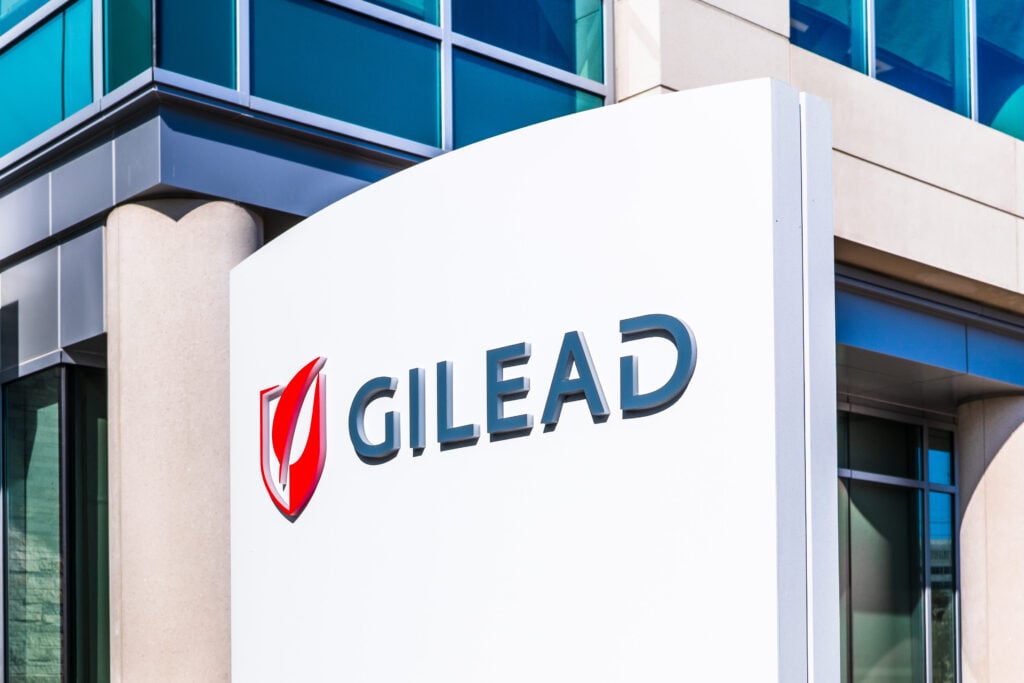
Gilead Licenses Assembly Bio's HSV Programs, Secures $35 Million Investment
- Exclusive Licensing Agreement: Gilead Sciences has exercised its option to exclusively license Assembly Bio's HSV inhibitor programs, including ABI-1179 and ABI-5366, marking the first advancement under their R&D collaboration and potentially benefiting over four million patients.
- Positive Clinical Data: Interim Phase 1b data for ABI-5366 and ABI-1179 demonstrated antiviral activity with a significant reduction in virus-positive lesions, indicating promising clinical prospects for treating recurrent genital herpes.
- Clear Financial Terms: Under the 2023 collaboration agreement, Assembly Bio will receive a $35 million upfront payment and is eligible for up to $330 million in regulatory and commercial milestone payments, reflecting Gilead's commitment to the project's future potential.
- Significant Market Opportunity: Given that no new therapies have been approved for HSV in over 25 years, Gilead's initiative not only fills a market gap but also enhances its competitive position in the antiviral drug market by improving patient quality of life.

Gilead Secures Exclusive License for Assembly Bio's HSV Programs, Receives $35M Payment
- Exclusive Licensing Agreement: Gilead Sciences has exercised its option to exclusively license Assembly Biosciences' HSV programs, gaining rights to clinical development and commercialization of ABI-1179 and ABI-5366, marking a strategic expansion in the antiviral sector.
- Financial Injection: Assembly Bio will receive a $35 million payment from Gilead's exercise of the license, which not only strengthens its financial position but also provides funding for future research and development efforts.
- Potential Earnings: Assembly Bio remains eligible for up to $330 million in regulatory and commercial milestone payments, along with tiered royalties on net sales, significantly enhancing its future revenue potential.
- Market Impact: Gilead's acquisition bolsters its market position in reproductive health, with expectations to accelerate the clinical development of related products, thereby securing a more advantageous stance in the competitive antiviral drug market.

Gilead Activates License for Assembly Biosciences' Herpes Initiatives
Gilead Sciences Licenses Assembly Biosciences: Gilead Sciences has licensed Assembly Biosciences' herpes simplex virus helicase-primase inhibitor programs for recurrent genital herpes, covering phase 1 candidates ABI-1179 and ABI-5366.
Financial Terms of the Deal: The agreement includes an $84.8 million upfront payment, a $15.2 million equity investment, and potential milestone payments of approximately $330 million per program, as part of a 12-year partnership established in October 2023.

Assembly Software Reports 350% Year-over-Year Growth in NeosAI Adoption for 2025
- User Engagement Surge: In 2025, NeosAI adoption surged by 350% year-over-year, reflecting not only increased customer trust in legal AI but also a pressing demand for efficient workflows among legal teams.
- Significant Time Savings: NeosAI enabled legal teams to save over 500,000 hours of work, allowing the company to focus more on client service, thereby enhancing overall business efficiency.
- Transaction Volume Spike: Monthly transaction volume increased by 765% year-over-year, showcasing NeosAI's broad application potential in the legal industry and potentially leading to substantial revenue growth for Assembly.
- Enhanced Industry Recognition: NeosAI was awarded the 2025 LegalTech Generative AI Solution of the Year, further solidifying Assembly's leadership in the legal tech space, boosting customer confidence, and driving market share growth.

Assembly Unveils Encouraging Initial Trial Findings for ABI-1179 and ABI-5366 in Recurrent Genital Herpes
Positive Interim Results: Assembly Biosciences reported promising interim results from Phase 1b trials of its oral drugs ABI-1179 and ABI-5366 for recurrent genital herpes, showing significant reductions in HSV-2 shedding and genital lesions compared to placebo.
ABI-1179 Findings: The 50 mg weekly dose of ABI-1179 demonstrated a 98% reduction in HSV-2 shedding and a 91% reduction in genital lesions, with the drug being well-tolerated and supporting once-weekly dosing.
ABI-5366 Findings: The monthly dosing of ABI-5366 showed a 76% reduction in HSV-2 shedding and an 88% reduction in genital lesions, with positive results from earlier weekly dosing cohorts as well.
Future Plans: Assembly Biosciences plans to initiate Phase 2 clinical trials for ABI-5366, focusing on a once-weekly regimen, around mid-2026.
Assembly Biosciences Reports Strong FY Results Exceeding Expectations
- Strong Earnings Report: Assembly Biosciences reported a FY GAAP EPS of -$0.55, beating expectations by $3.01, indicating a significant improvement in financial performance.
- Significant Revenue Growth: The company achieved revenue of $72.3 million, a 153.5% year-over-year increase, surpassing market expectations by $35.02 million, reflecting strong demand for its products and services.
- Robust Cash Position: As of December 31, 2025, the company had cash, cash equivalents, and marketable securities totaling $248.1 million, an increase from $232.6 million as of September 30, 2025, demonstrating financial health.
- Sufficient Funding: The company’s cash reserves are projected to fund operations into 2028, enhancing investor confidence in its long-term growth prospects.
Gilead Licenses Assembly Bio's HSV Programs, Secures $35 Million Investment
- Exclusive Licensing Agreement: Gilead Sciences has exercised its option to exclusively license Assembly Bio's HSV inhibitor programs, including ABI-1179 and ABI-5366, marking the first advancement under their R&D collaboration and potentially benefiting over four million patients.
- Positive Clinical Data: Interim Phase 1b data for ABI-5366 and ABI-1179 demonstrated antiviral activity with a significant reduction in virus-positive lesions, indicating promising clinical prospects for treating recurrent genital herpes.
- Clear Financial Terms: Under the 2023 collaboration agreement, Assembly Bio will receive a $35 million upfront payment and is eligible for up to $330 million in regulatory and commercial milestone payments, reflecting Gilead's commitment to the project's future potential.
- Significant Market Opportunity: Given that no new therapies have been approved for HSV in over 25 years, Gilead's initiative not only fills a market gap but also enhances its competitive position in the antiviral drug market by improving patient quality of life.
Gilead Secures Exclusive License for Assembly Bio's HSV Programs, Receives $35M Payment
- Exclusive Licensing Agreement: Gilead Sciences has exercised its option to exclusively license Assembly Biosciences' HSV programs, gaining rights to clinical development and commercialization of ABI-1179 and ABI-5366, marking a strategic expansion in the antiviral sector.
- Financial Injection: Assembly Bio will receive a $35 million payment from Gilead's exercise of the license, which not only strengthens its financial position but also provides funding for future research and development efforts.
- Potential Earnings: Assembly Bio remains eligible for up to $330 million in regulatory and commercial milestone payments, along with tiered royalties on net sales, significantly enhancing its future revenue potential.
- Market Impact: Gilead's acquisition bolsters its market position in reproductive health, with expectations to accelerate the clinical development of related products, thereby securing a more advantageous stance in the competitive antiviral drug market.
Gilead Activates License for Assembly Biosciences' Herpes Initiatives
Gilead Sciences Licenses Assembly Biosciences: Gilead Sciences has licensed Assembly Biosciences' herpes simplex virus helicase-primase inhibitor programs for recurrent genital herpes, covering phase 1 candidates ABI-1179 and ABI-5366.
Financial Terms of the Deal: The agreement includes an $84.8 million upfront payment, a $15.2 million equity investment, and potential milestone payments of approximately $330 million per program, as part of a 12-year partnership established in October 2023.
Assembly Software Reports 350% Year-over-Year Growth in NeosAI Adoption for 2025
- User Engagement Surge: In 2025, NeosAI adoption surged by 350% year-over-year, reflecting not only increased customer trust in legal AI but also a pressing demand for efficient workflows among legal teams.
- Significant Time Savings: NeosAI enabled legal teams to save over 500,000 hours of work, allowing the company to focus more on client service, thereby enhancing overall business efficiency.
- Transaction Volume Spike: Monthly transaction volume increased by 765% year-over-year, showcasing NeosAI's broad application potential in the legal industry and potentially leading to substantial revenue growth for Assembly.
- Enhanced Industry Recognition: NeosAI was awarded the 2025 LegalTech Generative AI Solution of the Year, further solidifying Assembly's leadership in the legal tech space, boosting customer confidence, and driving market share growth.
Assembly Unveils Encouraging Initial Trial Findings for ABI-1179 and ABI-5366 in Recurrent Genital Herpes
Positive Interim Results: Assembly Biosciences reported promising interim results from Phase 1b trials of its oral drugs ABI-1179 and ABI-5366 for recurrent genital herpes, showing significant reductions in HSV-2 shedding and genital lesions compared to placebo.
ABI-1179 Findings: The 50 mg weekly dose of ABI-1179 demonstrated a 98% reduction in HSV-2 shedding and a 91% reduction in genital lesions, with the drug being well-tolerated and supporting once-weekly dosing.
ABI-5366 Findings: The monthly dosing of ABI-5366 showed a 76% reduction in HSV-2 shedding and an 88% reduction in genital lesions, with positive results from earlier weekly dosing cohorts as well.
Future Plans: Assembly Biosciences plans to initiate Phase 2 clinical trials for ABI-5366, focusing on a once-weekly regimen, around mid-2026.