

Geely Plans U.S. Market Entry in Next 2-3 Years
Written by Emily J. Thompson, Senior Investment Analyst

Updated: Jan 06 2026
0mins
Source: Benzinga
- Market Expansion Plan: Geely announced at the 2026 Consumer Electronics Show that it could reveal plans to enter the U.S. market within the next 24-36 months, demonstrating its ambition for global expansion, particularly in the competitive EV sector.
- Brand Potential: The mention of Geely's brands Zeekr and Lynk & Co. potentially entering the U.S. market not only enhances brand visibility but could also provide new revenue streams, especially against the backdrop of rising EV demand in the U.S.
- Shareholder Relations: As a major shareholder in Swedish automaker Volvo, Geely's production facility in South Carolina offers foundational support for its potential U.S. market entry, which may accelerate its market adaptability.
- Industry Context: With Tesla experiencing declining sales, Geely's market entry plans could leverage the trend of 87% growth in Chinese EV exports, further strengthening its competitive position in the global EV market.
Trade with 70% Backtested Accuracy
Stop guessing "Should I Buy TSLA?" and start using high-conviction signals backed by rigorous historical data.
Sign up today to access powerful investing tools and make smarter, data-driven decisions.
Analyst Views on TSLA
Wall Street analysts forecast TSLA stock price to fall over the next 12 months. According to Wall Street analysts, the average 1-year price target for TSLA is 401.93 USD with a low forecast of 25.28 USD and a high forecast of 600.00 USD. However, analyst price targets are subjective and often lag stock prices, so investors should focus on the objective reasons behind analyst rating changes, which better reflect the company's fundamentals.
30 Analyst Rating
12 Buy
11 Hold
7 Sell
Hold
Current: 416.560

Low
25.28
Averages
401.93
High
600.00
Current: 416.560
Low
25.28
Averages
401.93
High
600.00
About TSLA
Tesla, Inc. designs, develops, manufactures, sells and leases high-performance fully electric vehicles and energy generation and storage systems, and offers services related to its products. Its segments include automotive, and energy generation and storage. The automotive segment includes the design, development, manufacturing, sales and leasing of high-performance fully electric vehicles, and sales of automotive regulatory credits. It also includes sales of used vehicles, non-warranty maintenance services and collisions, part sales, paid supercharging, insurance services revenue and retail merchandise sales. The energy generation and storage segment include the design, manufacture, installation, sales and leasing of solar energy generation and energy storage products and related services and sales of solar energy systems incentives. Its consumer vehicles include the Model 3, Y, S, X and Cybertruck. Its lithium-ion battery energy storage products include Powerwall and Megapack.
About the author

Emily J. Thompson
Emily J. Thompson, a Chartered Financial Analyst (CFA) with 12 years in investment research, graduated with honors from the Wharton School. Specializing in industrial and technology stocks, she provides in-depth analysis for Intellectia’s earnings and market brief reports.





Tesla's Transformation Plans and Earnings Analysis

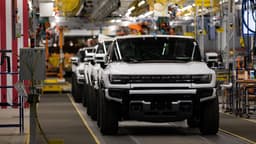
- Production Transformation: Tesla announced plans to shut down production of its luxury Model S and X vehicles, converting one factory to produce 1 million Optimus humanoid robots annually, aiming to reduce reliance on electric vehicle manufacturing, which may impact traditional auto revenue streams.
- Autonomous Driving Progress: The company expects to begin production of steering wheel-less robotaxis in April and aims to launch autonomous vehicles in 'dozens of major cities' by year-end, a significant advancement that could enhance its competitiveness in future mobility, though it faces technical and regulatory hurdles.
- Financial Performance Decline: Tesla's Q4 vehicle deliveries fell 16%, marking the third decline in four quarters, leading to an 11% drop in auto revenue to $17.7 billion, indicating ongoing weakness in its core auto business, which may affect investor confidence.
- Capital Expenditure Plans: Tesla plans to invest over $20 billion in capital expenditures by 2026, despite the likelihood of negative free cash flow this year, reflecting the company's commitment to its future robotics and autonomous driving initiatives while putting pressure on its financial health.

Continue Reading
Tesla Stock Rises 134% Over Three Years Amid AI Expansion
- Stock Performance: Tesla's stock has risen 134% over the past three years, significantly outperforming the S&P 500, reflecting investor optimism about its growth potential, particularly in the expansion of AI services.
- Optimus Production: Tesla plans to start production of the Optimus robot by the end of this year and has halted Model S/X production to repurpose those lines, a strategic shift that could enable it to scale output to 1 million units annually, enhancing its market competitiveness.
- AI Service Potential: With its extensive data centers and access to real-world data, Tesla has significant advantages in AI training, and Optimus is expected to become a highly profitable recurring revenue business, improving the company's long-term financial performance.
- Market Expectations: Despite short-term stock volatility, analysts expect Tesla's annual earnings to grow by 25% over the next few years, which could provide the impetus for the stock to potentially double, emphasizing the need for investors to remain patient for future gains.

Continue Reading