FDA Approves Bayer's New Lung Cancer Treatment — Initial Results Appear Encouraging
FDA Approval for Hyrnuo: The FDA granted accelerated approval to Bayer AG's Hyrnuo (sevabertinib) for adults with advanced non-squamous non-small cell lung cancer (NSCLC) with HER2 mutations, following prior systemic therapy.
Companion Diagnostic Device: The Oncomine Dx Target Test was approved as a companion diagnostic to detect HER2 TKD activating mutations in NSCLC patients eligible for sevabertinib treatment.
Efficacy of Hyrnuo: In clinical studies, Hyrnuo showed a 71% objective response rate in patients with HER2 mutations who had prior systemic therapy, with a median duration of response of 9.2 months.
Full Approval for Imdelltra: The FDA also fully approved Amgen's Imdelltra (tarlatamab-dlle) for extensive stage small cell lung cancer, demonstrating a 40% reduction in death risk and extending median overall survival by over five months compared to standard chemotherapy.
Trade with 70% Backtested Accuracy
Analyst Views on AMGN

About AMGN
About the author


BeOne Medicines Receives Conditional Approval for Lung Cancer Treatment in China


- Drug Approval: BeOne Medicines announced that its bispecific T-cell engager tarlatamab, developed in partnership with Amgen, received conditional approval in China as a second-line treatment for extensive-stage small cell lung cancer, marking a significant milestone for the company in the Chinese market.
- Market Potential: Approximately 160,000 patients are diagnosed with small cell lung cancer in China each year, accounting for nearly 15% of global lung cancer cases, providing a substantial market opportunity for tarlatamab, especially given the limited efficacy of existing treatments.
- Treatment Need: Despite platinum-based chemotherapy being the main first-line therapy, the majority of small cell lung cancer patients experience disease progression within six months, thus the approval of tarlatamab offers a new treatment option that could potentially improve survival rates and quality of life for these patients.
- Collaboration Background: BeOne Medicines has been developing tarlatamab in Mainland China under a licensing agreement with Amgen since 2019, and this approval not only strengthens the partnership between the two companies but also lays a foundation for BeOne's further development in the biopharmaceutical sector.

Analysis of TQQQ ETF's 52-Week Price Fluctuations

- Price Range Analysis: TQQQ ETF's 52-week low is $20.12 per share, with a high of $60.685, while the last trade was at $47.37, indicating significant volatility and shifts in investor sentiment within the current market.
- Technical Analysis Tool: Comparing the latest share price to the 200-day moving average provides investors with valuable insights for technical analysis, aiding in the assessment of market trends and potential buy or sell opportunities.
- ETF Unit Trading Mechanism: ETFs trade like stocks, where investors buy and sell 'units' that can be created or destroyed based on investor demand, impacting the liquidity and market performance of the ETF.
- Inflows and Outflows Monitoring: Weekly monitoring of changes in shares outstanding helps identify ETFs experiencing notable inflows (new units created) or outflows (old units destroyed), assessing their impact on underlying assets and overall market dynamics.

Jim Cramer's Charitable Trust Adjusts Portfolio with J&J and BMY Trades


- Exit from Bristol Myers: Jim Cramer's Charitable Trust sold 1,100 shares of Bristol Myers at approximately $58.94, maintaining a small gain of 3.5%, but opted to exit due to concerns over pharmaceutical tariffs and a failed clinical trial, thereby mitigating potential losses.
- Initiation of Johnson & Johnson Position: Concurrently, the Trust initiated a new position in Johnson & Johnson by purchasing 150 shares at roughly $237.65, which will represent about 1% of the portfolio, reflecting confidence in J&J's long-term growth potential, particularly in its innovative medicines and medical products segments.
- Sales Growth at Johnson & Johnson: Johnson & Johnson generated approximately $94 billion in sales in 2025, with about two-thirds from its pharmaceutical division, particularly strong in oncology, where sales are expected to exceed $50 billion annually by 2030, showcasing its competitive edge in the market.
- Legal Risk Mitigation: Johnson & Johnson has adjusted its legal strategy regarding the baby powder lawsuits, moving away from blanket settlements to address cases individually, which has significantly reduced overall legal risks and provided greater upside potential for its stock price.
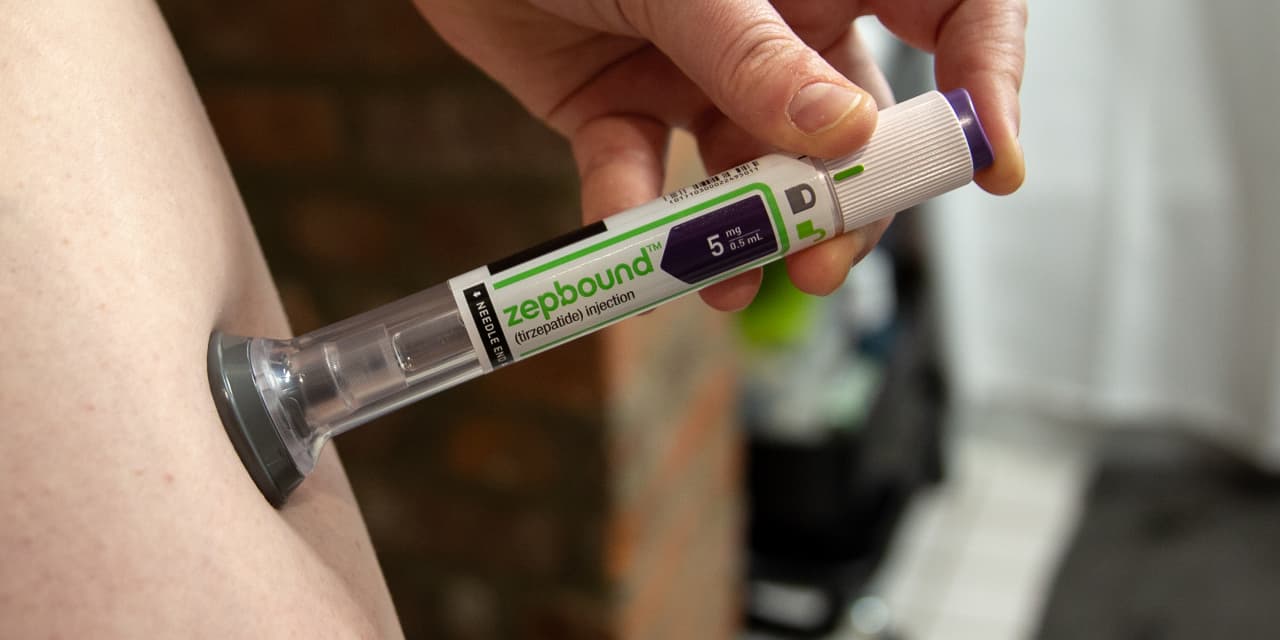
The 'Diabesity' Market Is Poised for Rapid Growth: Key Catalysts for Lilly and Novo Stocks.
Weight-loss Drugs in Focus: The spotlight is on weight-loss drugs, particularly GLP-1 medications like Wegovy and Zepbound, as they gain popularity.
Market Competition: Eli Lilly and Novo Nordisk are key players in the emerging "diabesity" market, indicating a competitive landscape ahead.

AMGEN INC: CEO ROBERT A. BRADWAY TO RECEIVE $24.7 MILLION IN TOTAL COMPENSATION FOR 2025, ACCORDING TO SEC FILING
- CEO Announcement: Robert A. Bradway has been named the CEO of Amgen.
- Compensation Details: His total compensation for 2025 is reported to be $24.7 million.

Amgen's Phase 3 Trial Success Leads to Viridian Stock Plunge

- Amgen Trial Results: Amgen's Phase 3 trial achieved its primary goal, with 77% of patients showing significant improvement in eye bulging, indicating the effectiveness of its drug Tepezza for thyroid eye disease, which could positively impact market dynamics.
- Viridian Drug Performance: Viridian's Elegrobar reduced eye bulging by approximately 54% and 63% over four and eight weeks, respectively, although its efficacy is lower than Amgen's; however, its simpler subcutaneous injection method may provide a competitive edge in the market.
- Stock Price Volatility: Viridian's shares plummeted 23% on Monday, hitting the lowest point since June 3, 2025, reflecting market disappointment over its Phase 3 trial results, particularly due to limited inflammation improvement and reports of tinnitus.
- Market Sentiment Shift: Despite the stock's decline, retail sentiment on Stocktwits shifted from 'extremely bullish' to 'bullish', indicating some market participants expect a rebound, with predictions of the stock rising to $25 by the end of the week.
BeOne Medicines Receives Conditional Approval for Lung Cancer Treatment in China
- Drug Approval: BeOne Medicines announced that its bispecific T-cell engager tarlatamab, developed in partnership with Amgen, received conditional approval in China as a second-line treatment for extensive-stage small cell lung cancer, marking a significant milestone for the company in the Chinese market.
- Market Potential: Approximately 160,000 patients are diagnosed with small cell lung cancer in China each year, accounting for nearly 15% of global lung cancer cases, providing a substantial market opportunity for tarlatamab, especially given the limited efficacy of existing treatments.
- Treatment Need: Despite platinum-based chemotherapy being the main first-line therapy, the majority of small cell lung cancer patients experience disease progression within six months, thus the approval of tarlatamab offers a new treatment option that could potentially improve survival rates and quality of life for these patients.
- Collaboration Background: BeOne Medicines has been developing tarlatamab in Mainland China under a licensing agreement with Amgen since 2019, and this approval not only strengthens the partnership between the two companies but also lays a foundation for BeOne's further development in the biopharmaceutical sector.
Analysis of TQQQ ETF's 52-Week Price Fluctuations
- Price Range Analysis: TQQQ ETF's 52-week low is $20.12 per share, with a high of $60.685, while the last trade was at $47.37, indicating significant volatility and shifts in investor sentiment within the current market.
- Technical Analysis Tool: Comparing the latest share price to the 200-day moving average provides investors with valuable insights for technical analysis, aiding in the assessment of market trends and potential buy or sell opportunities.
- ETF Unit Trading Mechanism: ETFs trade like stocks, where investors buy and sell 'units' that can be created or destroyed based on investor demand, impacting the liquidity and market performance of the ETF.
- Inflows and Outflows Monitoring: Weekly monitoring of changes in shares outstanding helps identify ETFs experiencing notable inflows (new units created) or outflows (old units destroyed), assessing their impact on underlying assets and overall market dynamics.
Jim Cramer's Charitable Trust Adjusts Portfolio with J&J and BMY Trades
- Exit from Bristol Myers: Jim Cramer's Charitable Trust sold 1,100 shares of Bristol Myers at approximately $58.94, maintaining a small gain of 3.5%, but opted to exit due to concerns over pharmaceutical tariffs and a failed clinical trial, thereby mitigating potential losses.
- Initiation of Johnson & Johnson Position: Concurrently, the Trust initiated a new position in Johnson & Johnson by purchasing 150 shares at roughly $237.65, which will represent about 1% of the portfolio, reflecting confidence in J&J's long-term growth potential, particularly in its innovative medicines and medical products segments.
- Sales Growth at Johnson & Johnson: Johnson & Johnson generated approximately $94 billion in sales in 2025, with about two-thirds from its pharmaceutical division, particularly strong in oncology, where sales are expected to exceed $50 billion annually by 2030, showcasing its competitive edge in the market.
- Legal Risk Mitigation: Johnson & Johnson has adjusted its legal strategy regarding the baby powder lawsuits, moving away from blanket settlements to address cases individually, which has significantly reduced overall legal risks and provided greater upside potential for its stock price.
The 'Diabesity' Market Is Poised for Rapid Growth: Key Catalysts for Lilly and Novo Stocks.
Weight-loss Drugs in Focus: The spotlight is on weight-loss drugs, particularly GLP-1 medications like Wegovy and Zepbound, as they gain popularity.
Market Competition: Eli Lilly and Novo Nordisk are key players in the emerging "diabesity" market, indicating a competitive landscape ahead.
AMGEN INC: CEO ROBERT A. BRADWAY TO RECEIVE $24.7 MILLION IN TOTAL COMPENSATION FOR 2025, ACCORDING TO SEC FILING
- CEO Announcement: Robert A. Bradway has been named the CEO of Amgen.
- Compensation Details: His total compensation for 2025 is reported to be $24.7 million.
Amgen's Phase 3 Trial Success Leads to Viridian Stock Plunge
- Amgen Trial Results: Amgen's Phase 3 trial achieved its primary goal, with 77% of patients showing significant improvement in eye bulging, indicating the effectiveness of its drug Tepezza for thyroid eye disease, which could positively impact market dynamics.
- Viridian Drug Performance: Viridian's Elegrobar reduced eye bulging by approximately 54% and 63% over four and eight weeks, respectively, although its efficacy is lower than Amgen's; however, its simpler subcutaneous injection method may provide a competitive edge in the market.
- Stock Price Volatility: Viridian's shares plummeted 23% on Monday, hitting the lowest point since June 3, 2025, reflecting market disappointment over its Phase 3 trial results, particularly due to limited inflammation improvement and reports of tinnitus.
- Market Sentiment Shift: Despite the stock's decline, retail sentiment on Stocktwits shifted from 'extremely bullish' to 'bullish', indicating some market participants expect a rebound, with predictions of the stock rising to $25 by the end of the week.