Empire Wind Granted Permission to Resume Offshore Construction Amid Safety Concerns
Written by Emily J. Thompson, Senior Investment Analyst
Updated: Jan 16 2026
0mins
Source: Businesswire
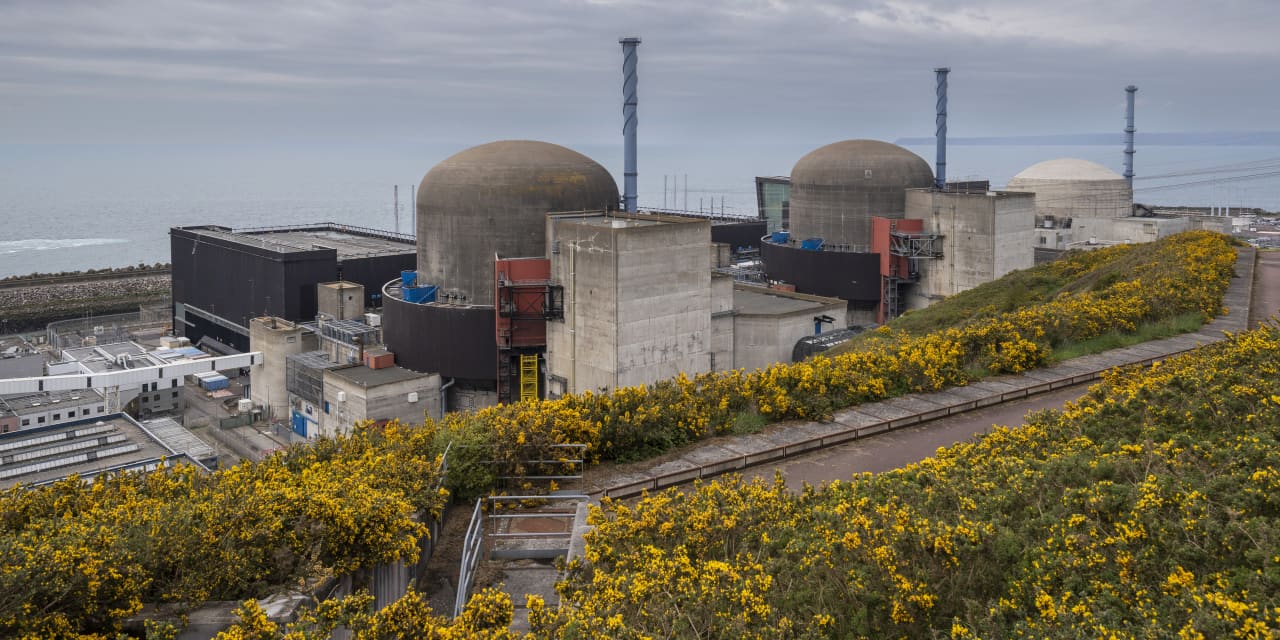
- Court Ruling: Judge Carl Nichols granted Empire Wind permission to resume offshore construction despite unresolved national security and aviation safety risks, highlighting the tension between legal decisions and environmental protection.
- Safety Concerns: Green Oceans raised alarms about the 54 turbines, which rise over 900 feet and are located near three major commercial airports serving nearly 150 million passengers, indicating a lack of necessary line-of-sight analyses that could jeopardize aviation safety.
- Economic Impact Analysis: Green Oceans challenged Empire Wind's economic impact claims, revealing that the reported job creation corresponds to only 52 permanent positions rather than the larger figures often cited, suggesting potential exaggeration of the project's economic benefits.
- Public Appeal: Green Oceans urged policymakers and the public to ensure that national security, aviation safety, and environmental protection are not compromised by commercial pressures, emphasizing that commercial interests should never take precedence over national safety.
Trade with 70% Backtested Accuracy
Stop guessing "Should I Buy EQNR?" and start using high-conviction signals backed by rigorous historical data.
Sign up today to access powerful investing tools and make smarter, data-driven decisions.
Analyst Views on EQNR
Wall Street analysts forecast EQNR stock price to fall
2 Analyst Rating
1 Buy
1 Hold
0 Sell
Moderate Buy
Current: 36.590

Low
22.00
Averages
23.89
High
25.79
Current: 36.590
Low
22.00
Averages
23.89
High
25.79
About EQNR
Equinor ASA, formerly Statoil ASA is a Norway-based international energy company. The Company’s purpose is to turn natural resources into energy. Equinor sells crude oil and delivers natural gas to the European market. It is also engaged in processing, refining, offshore wind and carbon capture and storage activities. Equinor ASA has five reporting segments: Exploration & Production Norway (E&P Norway), Exploration & Production International (E&P International), Exploration & Production USA (E&P USA), Marketing, Midstream & Processing (MMP) and Renewables (REN). The Company has several subsidiaries such as Equinor Nigeria Energy Company Ltd, Equinor Wind Power AS, Equinor International Netherlands BV and Equinor Brasil Energia Ltda.
About the author

Emily J. Thompson
Emily J. Thompson, a Chartered Financial Analyst (CFA) with 12 years in investment research, graduated with honors from the Wharton School. Specializing in industrial and technology stocks, she provides in-depth analysis for Intellectia’s earnings and market brief reports.
Equinor Elects Jarle Roth as New Board Chair
- Board Leadership Change: Norwegian oil group Equinor has elected Jarle Roth as its new board chair, following the nomination committee's proposal last week, indicating ongoing improvements in the company's governance structure.
- Role of Nomination Committee: The nomination committee's process reflects the company's commitment to transparency and proper governance in selecting board members, aiming to enhance shareholder trust and support.
- Strategic Direction Shift: The election of the new chair may influence Equinor's future strategic direction, particularly regarding investments in renewable energy and sustainability, aligning with global energy transition trends.
- Market Reaction Anticipation: The market holds a cautiously optimistic view regarding the new chair's election, with investors hoping he will lead the company to achieve higher performance and sustainable growth in a competitive energy market.
See More

Equinor ASA Elects New Board Chair and Members
- New Chair Appointment: On June 8, 2026, Equinor ASA elected Jarle Roth as the new chair of the board, marking a significant shift in corporate governance that is expected to influence the company's strategic direction.
- Deputy Chair Re-elected: Anne Drinkwater was re-elected as deputy chair, indicating the company's recognition of her leadership capabilities, which may help maintain stability and continuity within the board.
- Board Member Re-elections: Finn Bjørn Ruyter, Haakon Bruun-Hanssen, Mikael Karlsson, Fernanda Lopes Larsen, and Dawn Summers were also re-elected as board members, ensuring the continuity of experience and expertise within the board.
- Term Arrangements: The new board members' terms will take effect from July 1, 2026, until the regular election in June 2027, reflecting the company's long-term planning and stability in governance.
See More

Energy Stocks Rise with NYSE Energy Sector Index Up 1.8%

- Strong Energy Stock Performance: Late Monday afternoon, energy stocks broadly rose, with the NYSE Energy Sector Index increasing by 1.8%, reflecting market optimism regarding a recovery in energy demand, which could drive profitability for related companies.
- Market Sentiment Improvement: As signs of global economic recovery strengthen, investor confidence in the energy sector has increased, leading to capital inflows into energy stocks, thereby enhancing overall market performance and indicating a positive outlook for future energy demand.
- Optimistic Industry Outlook: Analysts note that as economic activities resume, energy demand is expected to continue growing, which will bring higher revenues and profits to energy companies, further solidifying their positions in the capital markets.
- Investor Focus Shift: The rise in energy stocks has attracted more investor attention, potentially leading to short-term capital inflows that could drive up related stock prices and enhance market activity.
See More
Equinor Nomination Committee Recommends New Chair of the Board
- New Board Appointment: The Equinor ASA nomination committee recommends Jarle Roth as the new chair of the board, who has been a board member since December 1, 2025, and brings extensive governance and risk management experience, which is expected to drive the company's strategic development.
- Deputy Chair Re-election: The committee also suggests re-electing Anne Drinkwater as deputy chair, ensuring continuity and stability within the board, while Finn Bjørn Ruyter, Haakon Bruun-Hanssen, Mikael Karlsson, Fernanda Lopes Larsen, and Dawn Summers will continue as board members.
- Current Chair Resignation: Jon Erik Reinhardsen, who has served as chair since 2017, has decided to resign from the board, which may impact the stability of the company's governance structure.
- Election Schedule: The board election will take place at the company's corporate assembly meeting on June 8, 2026, with a proposal for the election to take effect from July 1, 2026, until the regular election in June 2027, ensuring timely updates and adjustments to board membership.
See More
Financial Institutions Urge EU to Maintain Arctic Oil Ban
- Climate Commitments at Risk: Financial institutions and investors are urging the EU to maintain its opposition to Arctic oil and gas drilling, warning that relaxing climate commitments due to the energy crisis could undermine long-term energy security.
- Investor Concerns Intensify: Nordea Asset Management and 11 other financial institutions signed a letter emphasizing that new Arctic fossil fuel developments would take over a decade to come online, rendering them ineffective in addressing the current crisis while potentially exacerbating ecosystem vulnerabilities.
- Increased Ecological Risks: The letter highlights that the Arctic is one of the planet's most vulnerable ecosystems, and further oil and gas expansion would heighten the risk of oil spills, with simulations indicating that over 90% of spilled oil in certain Barents Sea fields would be unrecoverable.
- Policy Review Underway: The EU currently supports a ban on further Arctic oil and gas development, although no formal moratorium exists; the European Commission stated it is reviewing its Arctic policy in light of new geopolitical and geoeconomic contexts, but no conclusions have been reached.
See More
European Winter Electricity Contracts Hit Record Premium Amid Supply Concerns
- Electricity Contract Premium: European winter electricity contracts are trading over 20% higher than next year's benchmark, marking the highest level since the 2022 energy crisis, indicating significant risks of rising energy costs for businesses and households due to low gas stocks and shrinking hydropower reserves.
- Gas Supply Tightness: The blockade of LNG shipments through the Strait of Hormuz by Iran has removed about a fifth of global LNG supply, complicating Europe's efforts to rebuild storage before winter, with current gas inventories at only 38.2%, far below the EU's 90% target.
- Hydropower Generation Strain: Low snowfall last winter has led to the lowest hydropower reservoir levels in a decade across continental Europe and the Nordics, limiting summer replenishment and potentially exacerbating power supply pressures during peak winter demand, particularly for gas and hydropower-dependent countries like Italy and Germany.
- Market Uncertainty: Forecasters predict an El Niño weather pattern this year, which could bring a milder winter reducing heating demand but also a hotter, drier summer that worsens hydropower generation capacity, increasing the risk of future price spikes in energy markets.
See More
Equinor Elects Jarle Roth as New Board Chair
- Board Leadership Change: Norwegian oil group Equinor has elected Jarle Roth as its new board chair, following the nomination committee's proposal last week, indicating ongoing improvements in the company's governance structure.
- Role of Nomination Committee: The nomination committee's process reflects the company's commitment to transparency and proper governance in selecting board members, aiming to enhance shareholder trust and support.
- Strategic Direction Shift: The election of the new chair may influence Equinor's future strategic direction, particularly regarding investments in renewable energy and sustainability, aligning with global energy transition trends.
- Market Reaction Anticipation: The market holds a cautiously optimistic view regarding the new chair's election, with investors hoping he will lead the company to achieve higher performance and sustainable growth in a competitive energy market.
See More
Equinor ASA Elects New Board Chair and Members
- New Chair Appointment: On June 8, 2026, Equinor ASA elected Jarle Roth as the new chair of the board, marking a significant shift in corporate governance that is expected to influence the company's strategic direction.
- Deputy Chair Re-elected: Anne Drinkwater was re-elected as deputy chair, indicating the company's recognition of her leadership capabilities, which may help maintain stability and continuity within the board.
- Board Member Re-elections: Finn Bjørn Ruyter, Haakon Bruun-Hanssen, Mikael Karlsson, Fernanda Lopes Larsen, and Dawn Summers were also re-elected as board members, ensuring the continuity of experience and expertise within the board.
- Term Arrangements: The new board members' terms will take effect from July 1, 2026, until the regular election in June 2027, reflecting the company's long-term planning and stability in governance.
See More
Energy Stocks Rise with NYSE Energy Sector Index Up 1.8%
- Strong Energy Stock Performance: Late Monday afternoon, energy stocks broadly rose, with the NYSE Energy Sector Index increasing by 1.8%, reflecting market optimism regarding a recovery in energy demand, which could drive profitability for related companies.
- Market Sentiment Improvement: As signs of global economic recovery strengthen, investor confidence in the energy sector has increased, leading to capital inflows into energy stocks, thereby enhancing overall market performance and indicating a positive outlook for future energy demand.
- Optimistic Industry Outlook: Analysts note that as economic activities resume, energy demand is expected to continue growing, which will bring higher revenues and profits to energy companies, further solidifying their positions in the capital markets.
- Investor Focus Shift: The rise in energy stocks has attracted more investor attention, potentially leading to short-term capital inflows that could drive up related stock prices and enhance market activity.
See More
Equinor Nomination Committee Recommends New Chair of the Board
- New Board Appointment: The Equinor ASA nomination committee recommends Jarle Roth as the new chair of the board, who has been a board member since December 1, 2025, and brings extensive governance and risk management experience, which is expected to drive the company's strategic development.
- Deputy Chair Re-election: The committee also suggests re-electing Anne Drinkwater as deputy chair, ensuring continuity and stability within the board, while Finn Bjørn Ruyter, Haakon Bruun-Hanssen, Mikael Karlsson, Fernanda Lopes Larsen, and Dawn Summers will continue as board members.
- Current Chair Resignation: Jon Erik Reinhardsen, who has served as chair since 2017, has decided to resign from the board, which may impact the stability of the company's governance structure.
- Election Schedule: The board election will take place at the company's corporate assembly meeting on June 8, 2026, with a proposal for the election to take effect from July 1, 2026, until the regular election in June 2027, ensuring timely updates and adjustments to board membership.
See More
Financial Institutions Urge EU to Maintain Arctic Oil Ban
- Climate Commitments at Risk: Financial institutions and investors are urging the EU to maintain its opposition to Arctic oil and gas drilling, warning that relaxing climate commitments due to the energy crisis could undermine long-term energy security.
- Investor Concerns Intensify: Nordea Asset Management and 11 other financial institutions signed a letter emphasizing that new Arctic fossil fuel developments would take over a decade to come online, rendering them ineffective in addressing the current crisis while potentially exacerbating ecosystem vulnerabilities.
- Increased Ecological Risks: The letter highlights that the Arctic is one of the planet's most vulnerable ecosystems, and further oil and gas expansion would heighten the risk of oil spills, with simulations indicating that over 90% of spilled oil in certain Barents Sea fields would be unrecoverable.
- Policy Review Underway: The EU currently supports a ban on further Arctic oil and gas development, although no formal moratorium exists; the European Commission stated it is reviewing its Arctic policy in light of new geopolitical and geoeconomic contexts, but no conclusions have been reached.
See More
European Winter Electricity Contracts Hit Record Premium Amid Supply Concerns
- Electricity Contract Premium: European winter electricity contracts are trading over 20% higher than next year's benchmark, marking the highest level since the 2022 energy crisis, indicating significant risks of rising energy costs for businesses and households due to low gas stocks and shrinking hydropower reserves.
- Gas Supply Tightness: The blockade of LNG shipments through the Strait of Hormuz by Iran has removed about a fifth of global LNG supply, complicating Europe's efforts to rebuild storage before winter, with current gas inventories at only 38.2%, far below the EU's 90% target.
- Hydropower Generation Strain: Low snowfall last winter has led to the lowest hydropower reservoir levels in a decade across continental Europe and the Nordics, limiting summer replenishment and potentially exacerbating power supply pressures during peak winter demand, particularly for gas and hydropower-dependent countries like Italy and Germany.
- Market Uncertainty: Forecasters predict an El Niño weather pattern this year, which could bring a milder winter reducing heating demand but also a hotter, drier summer that worsens hydropower generation capacity, increasing the risk of future price spikes in energy markets.
See More